Sets
442 Inhalte
- Seite 1 von 37
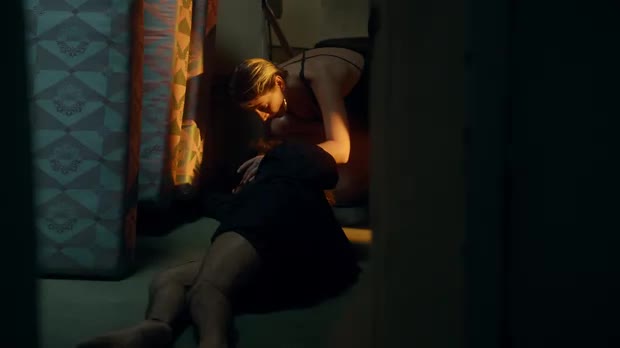
(Trailer) Risiko Realität
Name that can easily go onto 2 lines
Author that can easily go onto 2 lines as well
- Titel
- (Trailer) Risiko Realität
- Titel (en)
- (Trailer) Risiko Realität
- Autor/in
- Beschreibung (de)
- (Trailer)
Titel: Risiko Realität
Regie: Rebekka Scheib
Jahr: 2023
Länge: (nicht angegeben)
Genre: Kurzfilm
Sprache: Deutsch
Produktionsland: Deutschland
Trailerlänge: 02.15
Die etwa 30-jährige Leni lebt zurückgezogen und isoliert. Um ihrer Einsamkeit zu entkommen, hackt sie sich in die Computer ihrer Nachbarn und beobachtet heimlich deren Leben. Dabei wird sie Zeugin eines eskalierenden Konflikts zwischen zwei Parteien. Gefangen zwischen Neugier, Machtgefühl und moralischen Zweifeln steht sie vor der Entscheidung, ob sie weiter zusieht oder eingreift und sich den Konsequenzen ihres Handelns stellt.
- (Trailer)
- Beschreibung (en)
- (Trailer)
Title: Risk Reality
Director: Rebekka Scheib
Year: 2023
Duration: (not specified)
Genre: Short film
Language: German
Country of Production: Germany
Trailer Length: 02.15
Leni, a woman in her thirties, lives a withdrawn and lonely life. To escape her isolation, she hacks into her neighbors’ computers and secretly observes their lives. From a distance, she witnesses an escalating conflict between two parties. Torn between curiosity, a sense of power, and moral doubt, she must decide whether to remain a passive observer or intervene, confronting the ethical consequences of her actions.
- (Trailer)
- Kategorie
- Typ des Projekts/Werks
- Schlagworte
- Datierung
- 2023
- Sprache
- Untertitel (Film)
- Dauer
- 02.15
- Land
- Titel
- (Trailer) Risiko Realität
- Studiengang
- Importiert am
- 24.04.2026
- Übergeordnete Sets
- 1
- Set enthält
- 0 1
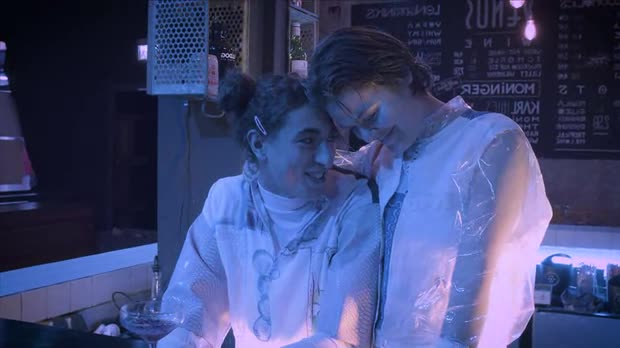
(Trailer) Sekret
Name that can easily go onto 2 lines
Author that can easily go onto 2 lines as well
- Titel
- (Trailer) Sekret
- Titel (en)
- (Trailer) Sekret
- Autor/in
- Beschreibung (de)
- (Trailer)
Titel: Sekret
Regie: Wiebke Mueller
Jahr: 2024
Dauer: 20.12.2024 & 21.12.2024
Genre: Performance
Sprache: Deutsch
Produktionsland: Deutschland
Trailerlänge: 03.06
„Sekret“ ist eine Performance in einer Bar, in der ein geheimnisvolles Trio das Publikum in ein Universum der Tränen einlädt. Inspiriert von einem Nachtfalter, der sich von Tränen ernährt, wird emotionales Weinen als menschliches Phänomen erforscht. Durch Erzählungen, Musik und gemeinsame Rituale entsteht eine intime Auseinandersetzung mit Emotion, Verletzlichkeit und den gesellschaftlichen Bedeutungen von Tränen in der Gegenwart.
More information:
https://madek.hfg-karlsruhe.de/sets/mueller_sekret
- (Trailer)
- Beschreibung (en)
- (Trailer)
Title: Sekret
Director: Wiebke Mueller
Year: 2024
Duration: 20.12.2024 & 21.12.2024
Genre: Performance
Language: German
Country of Production: Germany
Trailer Length: 03.06
“Sekret” is a performative experience set in a bar, where a mysterious trio invites the audience into a universe shaped by tears. Inspired by a moth that once fed on the tears of birds, the performers explore emotional tears as a unique human phenomenon. Through storytelling, music, and shared rituals, the audience becomes part of an intimate reflection on emotion, vulnerability, and the social meanings of crying in contemporary culture.
More information:
https://madek.hfg-karlsruhe.de/sets/mueller_sekret
- (Trailer)
- Kategorie
- Typ des Projekts/Werks
- Schlagworte
- Datierung
- 2024
- Sprache
- Dauer
- 03.06
- Land
- Internetlinks
-
More information:
https://madek.hfg-karlsruhe.de/sets/mueller_sekret
-
- Titel
- (Trailer) Sekret
- Studiengang
- Importiert am
- 24.04.2026
- Übergeordnete Sets
- 1
- Set enthält
- 0 1
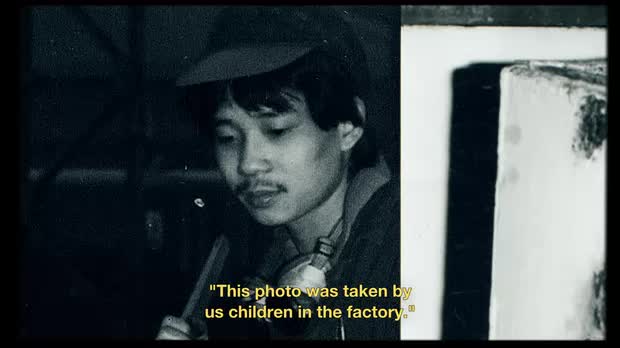
(Trailer) ONKEL THUẬN
Name that can easily go onto 2 lines
Author that can easily go onto 2 lines as well
- Titel
- (Trailer) ONKEL THUẬN
- Titel (en)
- (Trailer) ONKEL THUẬN
- Autor/in
- Beschreibung (de)
- (Trailer)
Titel: ONKEL THUẬN
Regie: Minh Anh Nguyễn
Jahr: 2026
Länge: 60 Minuten
Genre: Dokumentarfilm
Sprache: Deutsch, Vietnamesisch
Produktionsland: Deutschland
Trailerlänge: 01.50
Thuận und Thúy, ehemalige vietnamesische Vertragsarbeiter*innen der DDR, betreiben seit über 20 Jahren ein Restaurant in Nordrhein-Westfalen. Nach der Arbeit verbindet sich Thuận per Livestream mit der Welt, während Thúy Familie und Geschäft zusammenhält. Ihre in Deutschland geborenen Töchter suchen nach einem eigenen Zugang zur Familiengeschichte. Alte Fotos aus Wohnheimen und Fabriken tauchen auf und zeigen, wie aus einem befristeten Aufenthalt ein Lebensmittelpunkt wurde.
- (Trailer)
- Beschreibung (en)
- (Trailer)
Title: UNCLE THUẬN
Director: Minh Anh Nguyễn
Year: 2026
Duration: 60 minutes
Genre: Documentary film
Language: German, Vietnamese
Country of Production: Germany
Trailer Length: 01.50
Thuận and Thúy, former Vietnamese contract workers in the GDR, have run a restaurant in North Rhine-Westphalia for over 20 years. After work, Thuận connects with the world through livestreaming, while Thúy holds together family and business. Their daughters, born in Germany, search for their own link to family history. Old photos from dormitories and factories surface, revealing how a temporary stay became a lifelong home shaped by work, routine, and the decision to remain.
- (Trailer)
- Kategorie
- Typ des Projekts/Werks
- Schlagworte
- Datierung
- 2026
- Sprache
- Dauer
- 01.50
- Land
- Titel
- (Trailer) ONKEL THUẬN
- Studiengang
- Importiert am
- 24.04.2026
- Übergeordnete Sets
- 1
- Set enthält
- 0 1
Zeitbild-Lab Schaufenster
Name that can easily go onto 2 lines
Author that can easily go onto 2 lines as well
- Titel
- Zeitbild-Lab Schaufenster
- Titel (en)
- Zeitbild-Lab Showcase
- Beschreibung (de)
- Das Zeitbild-Lab (ZBL) ist eine Förderplattform für künstlerische Filmprojekte an der Hochschule für Gestaltung Karlsruhe. Es unterstützt Studierende und Absolventinnen bei der Entwicklung, Produktion und Präsentation ihrer Arbeiten und begleitet Projekte von der Idee bis zur öffentlichen Aufführung. Das Schaufenster macht diese Förderung sichtbar: Es präsentiert Trailer und Informationen zu den vom Zeitbild-Lab unterstützten Filmen und bietet einen Überblick über die vielfältigen filmischen Positionen, die an der HfG Karlsruhe entstehen. Jedes Projekt wird mit einem Trailer, einer Kurzbeschreibung sowie Informationen zu den Filmemacherinnen vorgestellt. Die Plattform dient als digitales Archiv und als zentrale Anlaufstelle für Interessierte, Festivals und Kooperationspartner. Sie dokumentiert die kontinuierlich wachsende Sammlung geförderter Arbeiten und schafft einen einfachen Zugang zu den Projekten und ihren Autor*innen.
Bei Fragen zum Zeitbild-Lab und zu den Inhalten ist Laura Morcillo, Akademische Mitarbeiterin Medienkunst und Leiterin des Zeitbild-Lab, die Ansprechpartnerin.
Kontakt: lmorcillo@hfg-karlsruhe.de.
- Das Zeitbild-Lab (ZBL) ist eine Förderplattform für künstlerische Filmprojekte an der Hochschule für Gestaltung Karlsruhe. Es unterstützt Studierende und Absolventinnen bei der Entwicklung, Produktion und Präsentation ihrer Arbeiten und begleitet Projekte von der Idee bis zur öffentlichen Aufführung. Das Schaufenster macht diese Förderung sichtbar: Es präsentiert Trailer und Informationen zu den vom Zeitbild-Lab unterstützten Filmen und bietet einen Überblick über die vielfältigen filmischen Positionen, die an der HfG Karlsruhe entstehen. Jedes Projekt wird mit einem Trailer, einer Kurzbeschreibung sowie Informationen zu den Filmemacherinnen vorgestellt. Die Plattform dient als digitales Archiv und als zentrale Anlaufstelle für Interessierte, Festivals und Kooperationspartner. Sie dokumentiert die kontinuierlich wachsende Sammlung geförderter Arbeiten und schafft einen einfachen Zugang zu den Projekten und ihren Autor*innen.
- Beschreibung (en)
- Zeitbild-Lab (ZBL) is a funding platform for artistic film projects at the Karlsruhe University of Arts and Design (HfG Karlsruhe). It supports students and alumni throughout the development, production, and presentation of their work, accompanying projects from the initial idea to their public release. The Showcase makes this work accessible by presenting trailers and information on films supported by Zeitbild-Lab, offering an overview of the diverse filmmaking practices emerging at HfG Karlsruhe. Each project is featured with a trailer, a short description, and information about its filmmakers. Serving as both a digital archive and a central point of access, the platform provides visitors, festivals, and collaborators with an overview of the growing collection of funded projects while highlighting the people and ideas behind them.
For questions about the Zeitbild-Lab and its contents, please contact Laura Morcillo, Academic Staff Member in Media Art and Head of the Zeitbild-Lab.
Contact: lmorcillo@hfg-karlsruhe.de.
- Zeitbild-Lab (ZBL) is a funding platform for artistic film projects at the Karlsruhe University of Arts and Design (HfG Karlsruhe). It supports students and alumni throughout the development, production, and presentation of their work, accompanying projects from the initial idea to their public release. The Showcase makes this work accessible by presenting trailers and information on films supported by Zeitbild-Lab, offering an overview of the diverse filmmaking practices emerging at HfG Karlsruhe. Each project is featured with a trailer, a short description, and information about its filmmakers. Serving as both a digital archive and a central point of access, the platform provides visitors, festivals, and collaborators with an overview of the growing collection of funded projects while highlighting the people and ideas behind them.
- Kategorie
- Typ des Projekts/Werks
- Schlagworte
- Titel
- Zeitbild-Lab Schaufenster
- Importiert am
- 20.04.2026
- Übergeordnete Sets
- 0
- Set enthält
- 17 1
Semestereröffnung Sommer 2026
Name that can easily go onto 2 lines
Author that can easily go onto 2 lines as well
- Titel
- Semestereröffnung Sommer 2026
- Autor/in
- Beschreibung (de)
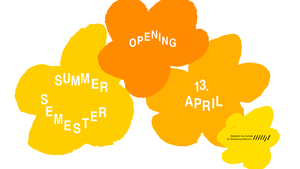
- Zum Auftakt des Sommersemesters 2026 lädt die HfG Karlsruhe am 13. April 2026 ab 14 Uhr Studierende, Hochschulangehörige sowie Gäste, Freund:innen und Fördernde herzlich zur Semestereröffnung ein.
Im Rahmen der Veranstaltung werden Diplome an die aktuellen Absolvent:innen der Hochschule überreicht.
Wann: Montag, 13.04.26 ab 14 Uhr
Wo: EG der HfG Karlsruhe, Lorenzstraße 15, 76135 Karlsruhe
- Zum Auftakt des Sommersemesters 2026 lädt die HfG Karlsruhe am 13. April 2026 ab 14 Uhr Studierende, Hochschulangehörige sowie Gäste, Freund:innen und Fördernde herzlich zur Semestereröffnung ein.
- Datierung
- 13.04.2026
- Mitwirkende
- Ort
- EG Lichthof 3
- Titel
- Semestereröffnung Sommer 2026
- Importiert am
- 14.04.2026
- Übergeordnete Sets
- 1
- Set enthält
- 0 1
After Matter: A Gathering for Circular Un/making
Name that can easily go onto 2 lines
Author that can easily go onto 2 lines as well
- Titel
- After Matter: A Gathering for Circular Un/making
- Beschreibung (de)
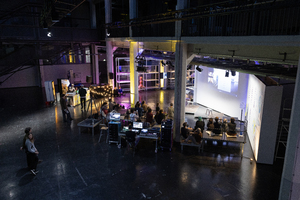
- Wie lassen sich gesammeltes Wissen und Materialien in zirkuläre Praktiken überführen? Zum Abschluss der Projektlaufzeit lädt die Living Library zu einem Abend ein, an dem Gespräche, künstlerische Inputs und performative Gesten ineinandergreifen. Von Impulsvorträgen zu Afterlife und Urban Gardening über Soundperformances, bioregionales Dinner-Picknick und Kompost-Ritual: Seid dabei und stoßt mit uns auf das Ende und den Neuanfang an! Zum Abschluss feiern wir den offiziellen Launch der Publikation – begleitet von Drinks und DJs.
- Beschreibung (en)
- How can collected knowledge and materials be transformed into circular practices? At the end of the project period, the Living Library invites everyone to an evening of intertwined conversations, artistic inputs, and performative gestures. From impulse talks on afterlife and urban gardening to sound performances, a bioregional dinner picnic, and a compost ritual: join us and toast the end and the new beginning! We will conclude by celebrating the official launch of the publication—accompanied by drinks and DJs.
- Titel
- After Matter: A Gathering for Circular Un/making
- Importiert am
- 31.03.2026
- Übergeordnete Sets
- 1
- Set enthält
- 0 22
Graduiertenausstellung 2022: All we as
Name that can easily go onto 2 lines
Author that can easily go onto 2 lines as well
- Titel
- Graduiertenausstellung 2022: All we as
- Beschreibung (de)
- "HfG GRADUATES 21/22 - All we as"
02.-19.06.22
- "HfG GRADUATES 21/22 - All we as"
- Beschreibung (en)
- "HfG GRADUATES 21/22 - All we as"
02.-19.06.22
- "HfG GRADUATES 21/22 - All we as"
- Internetlinks
- Titel
- Graduiertenausstellung 2022: All we as
- Importiert am
- 25.03.2026
- Übergeordnete Sets
- 1
- Set enthält
- 0 1
Graduiertenausstellung 2023
Name that can easily go onto 2 lines
Author that can easily go onto 2 lines as well
- Titel
- Graduiertenausstellung 2023
- Titel (en)
- Graduate Show 2023
- Autor/in
- Beschreibung (de)
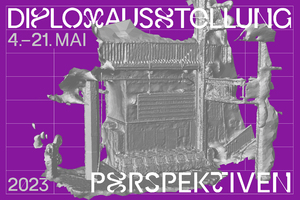
- Vom 04. bis 21. Mai 2023 werden in den Lichthöfen der HfG Karlsruhe unter dem Titel Diplomausstellung 2023 – Perspektiven, die zwischen 2022 und 2023 an der Staatlichen Hochschule für Gestaltung entstandenen Abschlussarbeiten – darunter Filme, Fotografien, Publikationen, Performances, Video- und Soundinstallationen sowie neu entwickelte Werkzeuge, Produkte und Materialien – präsentiert.
- Beschreibung (en)
- From May 04 to 21, 2023, the graduation works created at the Staatliche Hochschule für Gestaltung between 2022 and 2023 - including films, photographs, publications, performances, video and sound installations as well as newly developed tools, products and materials - will be presented in the Lichthof of the HfG Karlsruhe under the title Diploma Exhibition 2023 - Perspectives.
- From May 04 to 21, 2023, the graduation works created at the Staatliche Hochschule für Gestaltung between 2022 and 2023 - including films, photographs, publications, performances, video and sound installations as well as newly developed tools, products and materials - will be presented in the Lichthof of the HfG Karlsruhe under the title Diploma Exhibition 2023 - Perspectives.
- Datierung
- 04.05.2023 - 21.05.2023
- Bemerkungen
- Curation: Kathi Rüll, Marie Luise Stein, Mona Altmann, Rebecca Zink, Tatjana Pfeiffer
Exhibition design: Marie Luise Stein
Text & Editing: Mona Altmann
Art Direction & Graphics: Kathi Rüll, Rebecca Zink, Tatjana Pfeiffer
Planning & coordination of the supporting program: Kathi Rüll
Exhibiting artists and designers: Adrian Dickhoff, Angelica Gut, Arno Schlipf, Benjamin Breitkopf, Bruno Jacoby, Christina Vinke, Felix Grünschloß, Heidi Herzig, Iden Sunyoung Kim, Johanna Schäfer, Kathi Rüll, Katja Anina, Brosius, Lizzy Ellbrück, Manuel Sékou, Marie-Luise Stein, Max Zickenheiner, Moritz Appich, Nele Faust, Nina Overkott, Nino Alonso, Rebecca Zink, Tatjana Pfeiffer, Zaza Barisch
- Curation: Kathi Rüll, Marie Luise Stein, Mona Altmann, Rebecca Zink, Tatjana Pfeiffer
- Titel
- Graduiertenausstellung 2023
- Importiert am
- 25.03.2026
- Übergeordnete Sets
- 1
- Set enthält
- 0 1
Writing the History Of the Future
Name that can easily go onto 2 lines
Author that can easily go onto 2 lines as well
- Titel
- Writing the History Of the Future
- Titel (en)
- Writing the History Of the Future
- Untertitel
- Das ZKM und die kulturelle Arbeit der Medienkunstkonservierung
- Untertitel des Projekts/Werks (en)
- ZKM and the Cultural Work of Media Art Conservation
- Autor/in
- Beschreibung (de)
- Obwohl die Medienkunst in der zeitgenössischen Kultur zunehmend an Bedeutung gewinnt, ist sie in institutionellen Sammlungen immer noch unterrepräsentiert. Die schnelle technologische Entwicklung von Hard- und Software sowie geplante Obsoleszenz stellen die Konservierung vor große Herausforderungen. Seit den 1960er Jahren hat sich die westliche Kunst von objektbasierten hin zu performativen und prozessorientierten Formen gewandelt. Dies wurde von einem Paradigmenwechsel in der Konservierungstheorie begleitet, in der Konzepte und Subjekt stärker gewichtet werden als Materialität und Objekt. Museen und der Kunstmarkt haben jedoch Schwierigkeiten, ihre Sammelpraktiken entsprechend anzupassen. In dieser Arbeit werden die Herausforderungen der Integration von Medienkunst in institutionelle Kontexte untersucht und der Bedarf an theoretischen und praktischen Anpassungen betont. Ziel ist es, Strategien zur nachhaltigen Einbindung technologisch vermittelter Kunstwerke in Sammlungen und das kulturelle Gedächtnis zu entwickeln. Im Fokus steht dabei das ZKM in Karlsruhe als führende Institution der Medienkunstkonservierung. Auf Basis interdisziplinärer Forschung und Interviews werden zentrale Themen wie Interaktivität, Variabilität, Authentizität, Zeitlichkeit und der Wandel des Kunstobjekts analysiert.
- Beschreibung (en)
- Media art, despite its growing prominence in contemporary culture, remains underrepresented in institutional collections. Rapid technological obsolescence—affecting both hardware and software—poses major challenges for preservation. Since the 1960s, Western art has shifted from object-based works toward performative and process-oriented practices, paralleled by changes in conservation theory that prioritize concepts and subject over object and materiality. However, museums and the art market have struggled to adapt their collecting practices to these developments. This thesis examines the challenges of integrating media art into institutional contexts, emphasizing the need for conceptual and theoretical shifts in both museum practices and art theory. It aims to describe the strategies for incorporating technologically mediated artworks into collections and cultural memory. The study focuses on the ZKM (Center for Art and Media) in Karlsruhe, a leading institution in media art preservation. Through analysis of its frameworks and interdisciplinary research including interviews, the thesis explores key themes like interactivity, variability, authenticity, temporality, and the evolving nature of the art object.
- Kategorie
- Schlagworte
- Dank an
- Sprache
- Abmessungen
- 272 Seiten (169 Textseiten)
- Titel
- Writing the History Of the Future
- Untertitel
- Das ZKM und die kulturelle Arbeit der Medienkunstkonservierung
- Projektleiter/in
- Semester
- Studiengang
- Typ der Abschlussarbeit
- Importiert am
- 25.03.2026
- Übergeordnete Sets
- 4
- Set enthält
- 0 5
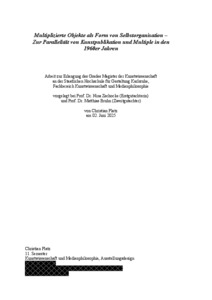
Multiplizierte Objekte als Form von Selbstorganisation
Name that can easily go onto 2 lines
Author that can easily go onto 2 lines as well
- Titel
- Multiplizierte Objekte als Form von Selbstorganisation
- Titel (en)
- Multiplied objects as a form of self-organization
- Untertitel
- Zur Parallelität von Kunstpublikation und Multiple in den 1960er Jahren
- Untertitel des Projekts/Werks (en)
- On the Parallelism Between Art Publications and Multiples in the 1960s
- Autor/in
- Beschreibung (de)
- Kunstpublikationen und Multiples (Auflagenobjekte) der 1960er Jahren weisen strukturelle und konzeptuelle Parallelen auf, die in dieser Arbeit als Ausdruck selbstorganisierter künstlerischer Praxis zu verstehen sind. Ausgehend von einer kritischen Auseinandersetzung mit dem etablierten Kunstsystem entstanden in dieser Zeit alternative Formate der Produktion und Distribution, die auf Vervielfältigung, Partizipation und Autonomie basierten. Anhand exemplarischer Fallbeispiele, darunter die intermedialen Publikationsobjekte "dokumentation b", die "Edition Et", die Zeitschriften "spirale" und "rot" sowie die Multiples der Edition "MAT" und die Serienobjekte der "Gruppe X", wird gezeigt, wie sich die entsprechenden Werkformen als kuratorische, serielle und partizipative Medien positionieren lassen. Die Arbeit kontextualisiert diese Formate sowohl medienästhetisch als auch kulturpolitisch und versteht sie als materielle Strategien der Selbstorganisation. Sie argumentiert, dass Kunstpublikationen und Multiples nicht nur als Ausdruck einer alternativen Öffentlichkeit fungierten, sondern mit ihnen auch frühe Modelle einer dezentralen künstlerischen Infrastruktur entwickelt wurden. Diese Betrachtung ermöglicht eine genealogische Neubewertung des Multiples, indem sie sich vom etablierten, auf Marcel Duchamp fixierten Diskursrahmen löst und eine weiter gefasste Perspektive eröffnet.
- Kunstpublikationen und Multiples (Auflagenobjekte) der 1960er Jahren weisen strukturelle und konzeptuelle Parallelen auf, die in dieser Arbeit als Ausdruck selbstorganisierter künstlerischer Praxis zu verstehen sind. Ausgehend von einer kritischen Auseinandersetzung mit dem etablierten Kunstsystem entstanden in dieser Zeit alternative Formate der Produktion und Distribution, die auf Vervielfältigung, Partizipation und Autonomie basierten. Anhand exemplarischer Fallbeispiele, darunter die intermedialen Publikationsobjekte "dokumentation b", die "Edition Et", die Zeitschriften "spirale" und "rot" sowie die Multiples der Edition "MAT" und die Serienobjekte der "Gruppe X", wird gezeigt, wie sich die entsprechenden Werkformen als kuratorische, serielle und partizipative Medien positionieren lassen. Die Arbeit kontextualisiert diese Formate sowohl medienästhetisch als auch kulturpolitisch und versteht sie als materielle Strategien der Selbstorganisation. Sie argumentiert, dass Kunstpublikationen und Multiples nicht nur als Ausdruck einer alternativen Öffentlichkeit fungierten, sondern mit ihnen auch frühe Modelle einer dezentralen künstlerischen Infrastruktur entwickelt wurden. Diese Betrachtung ermöglicht eine genealogische Neubewertung des Multiples, indem sie sich vom etablierten, auf Marcel Duchamp fixierten Diskursrahmen löst und eine weiter gefasste Perspektive eröffnet.
- Beschreibung (en)
- Art publications and multiples from the 1960s share structural and conceptual parallels that can be understood in this work as expressions of self-organized artistic practice. Based on a critical examination of the established art system, alternative formats of production and distribution emerged during this period that were based on reproduction, participation, and autonomy. Using exemplary case studies, including the intermedia publication objects "dokumentation b", "Edition Et", the magazines "spirale" and "rot", the multiples of Edition "MAT", and the serial objects of "Gruppe X", this work shows how the corresponding forms of work can be positioned as curatorial, serial, and participatory media. The work contextualizes these formats both in terms of media aesthetics and cultural politics and understands them as material strategies of self-organization. It argues that art publications and multiples not only functioned as expressions of an alternative public sphere, but also served to develop early models of a decentralized artistic infrastructure. This perspective enables a genealogical reassessment of the multiple by breaking away from the established discourse framework centered on Marcel Duchamp and opening up a broader perspective.
- Kategorie
- Typ des Projekts/Werks
- Schlagworte
- Datierung
- 02.06.2025
- Dank an
- Sprache
- Abmessungen
- 116 Seiten (77 Textseiten)
- Titel
- Multiplizierte Objekte als Form von Selbstorganisation
- Untertitel
- Zur Parallelität von Kunstpublikation und Multiple in den 1960er Jahren
- Projektleiter/in
- Semester
- Studiengang
- Typ der Abschlussarbeit
- Importiert am
- 16.03.2026
- Übergeordnete Sets
- 4
- Set enthält
- 0 3
Forest Souvenirs
Name that can easily go onto 2 lines
Author that can easily go onto 2 lines as well
- Titel
- Forest Souvenirs
- Autor/in
- Beschreibung (de)
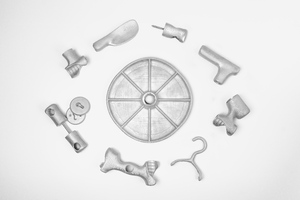
- Forest Souvenirs ist ein modulares System langlebiger Verbindungselemente, das aus ausrangierten Aluminium-Autofelgen gefertigt wird und recyceltes Metall mit von den Nutzer:innen gesammelten, ausgewählten und bearbeiteten Holzästen kombiniert. So entstehen flexible Alltagsobjekte wie Stühle, Lampen, Garderoben oder Kleiderhaken aus lokal gefundenen Materialien. Statt fertiger Produkte bietet das System eine einfache, robuste metallische Schnittstelle, die zur aktiven Aneignung einlädt. Die leimfreien, wiederverwendbaren Verbinder ermöglichen den Aufbau ohne spezielle Werkzeuge oder Vorkenntnisse und machen Materialkreisläufe im Gebrauch unmittelbar erfahrbar.
Forest Souvenirs versteht sich als offenes, zirkuläres Designsystem zwischen industrieller Logik und naturbasiertem Gestalten. Es verlängert nicht nur Materiallebenszyklen, sondern schafft eine hybride Formensprache, die den Archetyp des selbstgebauten Möbels neu interpretiert. Die entstehenden Objekte sind keine fixen Produkte, sondern wandelbare Konfigurationen – ein kontinuierlicher Dialog zwischen Material, Umwelt und Nutzer:innen, die zu Co-Designer:innen werden und eine stärkere emotionale Bindung sowie ein vertieftes Materialbewusstsein entwickeln.
- Forest Souvenirs ist ein modulares System langlebiger Verbindungselemente, das aus ausrangierten Aluminium-Autofelgen gefertigt wird und recyceltes Metall mit von den Nutzer:innen gesammelten, ausgewählten und bearbeiteten Holzästen kombiniert. So entstehen flexible Alltagsobjekte wie Stühle, Lampen, Garderoben oder Kleiderhaken aus lokal gefundenen Materialien. Statt fertiger Produkte bietet das System eine einfache, robuste metallische Schnittstelle, die zur aktiven Aneignung einlädt. Die leimfreien, wiederverwendbaren Verbinder ermöglichen den Aufbau ohne spezielle Werkzeuge oder Vorkenntnisse und machen Materialkreisläufe im Gebrauch unmittelbar erfahrbar.
- Beschreibung (en)
- Forest Souvenirs reimagines our relationship with everyday objects by bridging industrial production and nature-based making. Rooted in humanity's earliest practices of sourcing and shaping materials from the immediate environment, the project responds to the detachment created by global industrialization. Instead of offering finished products, it transforms a discarded aluminum car rim into a modular system of nine durable connectors, each made from 100% recycled material. These elements serve as a simple yet precise interface, enabling users to combine them with wooden branches they collect, select, and shape themselves.
Through this process, found materials become functional objects such as chairs, lamps, coat racks, hangers, or even a walking cane. Assembly requires no adhesives or specialized tools, making the system accessible, reusable, and fully recyclable. The mono-material aluminum ensures a closed material cycle, while the organic variability of wood introduces uniqueness and adaptability. Each object becomes a reflection of its maker and its environment.
Forest Souvenirs places the user at the center of creation. The act of gathering wood becomes an intentional journey—an invitation to slow down, step outside urban routines, and reconnect with nature. Walking replaces driving, making replaces consuming. This participatory approach fosters emotional attachment, material awareness, and a deeper appreciation for resources and processes.
By merging industrial logic with the archetype of self-crafted furniture, the project establishes a hybrid design language that is both contemporary and timeless. The aluminum connector acts as a threshold between two worlds: standardized production and organic growth. In doing so, Forest Souvenirs challenges conventional systems of consumption and proposes an alternative grounded in reuse, care, and engagement.
Ultimately, the project reframes everyday objects as evolving, personal artifacts. It empowers users as co-designers and encourages a shift from passive consumption toward active participation—offering not just objects, but meaningful experiences and a renewed connection to our surroundings.
- Forest Souvenirs reimagines our relationship with everyday objects by bridging industrial production and nature-based making. Rooted in humanity's earliest practices of sourcing and shaping materials from the immediate environment, the project responds to the detachment created by global industrialization. Instead of offering finished products, it transforms a discarded aluminum car rim into a modular system of nine durable connectors, each made from 100% recycled material. These elements serve as a simple yet precise interface, enabling users to combine them with wooden branches they collect, select, and shape themselves.
- Kategorie
- Typ des Projekts/Werks
- Schlagworte
- Datierung
- 30.10.2025
- Mitwirkende
- Material
- Technik/Verfahren/Formate
- Aluminium Sandguss
- Ort: Institution
- Ort
- Lichthof
- Stadt
- Land
- Titel
- Forest Souvenirs
- Projektleiter/in
- Semester
- Studiengang
- Typ der Abschlussarbeit
- Archiv-Signatur
- Importiert am
- 13.03.2026
- Übergeordnete Sets
- 1
- Set enthält
- 0 26
The Breath of Metal
Name that can easily go onto 2 lines
Author that can easily go onto 2 lines as well
- Titel
- The Breath of Metal
- Titel (en)
- The Breath of Metal
- Untertitel
- Baiyin - what the mine left behind
- Untertitel des Projekts/Werks (en)
- Baiyin - what the mine left behind
- Autor/in
- Beschreibung (de)
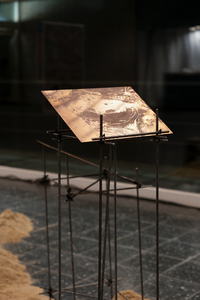
- Meine künstlerische Arbeit beschäftigt sich mit den Beziehungen zwischen Metall, Bergbau sowie familiären und urbanen Archiven. Metall fungiert dabei sowohl als Material als auch als Sprache: Es trägt Gewicht, Klang und Zeit in sich und bewahrt Spuren politischer, industrieller und arbeitsgeschichtlicher Prozesse.
Ich bin in Baiyin in der chinesischen Provinz Gansu aufgewachsen, einer durch den Bergbau entstandenen Industriestadt, auch bekannt als „Kupferstadt“. Mehrere Generationen meiner Familie waren im Bergbau, in der Verhüttung und in der Erzverarbeitung tätig. Diese biografischen Hintergründe erscheinen in meiner Arbeit nicht als Nostalgie, sondern als struktureller Rahmen, der mein Verständnis von Materialität, Körper und Stadt prägt. Die Mine ist für mich kein fixer Ort, sondern ein sich wandelndes System vom Erz zum Metall, von der Infrastruktur zur Stadt und schließlich zur Ruine.
Methodisch arbeite ich mit Fotografie, Archivmaterial, industriellen Überresten sowie mit Video, Klang und Installation. Fotografie verstehe ich dabei als Prozess der Extraktion und Transformation, der Materialien aus ihrem ursprünglichen Funktionszusammenhang löst und in einen Zustand suspendierter Evidenz überführt.
- Meine künstlerische Arbeit beschäftigt sich mit den Beziehungen zwischen Metall, Bergbau sowie familiären und urbanen Archiven. Metall fungiert dabei sowohl als Material als auch als Sprache: Es trägt Gewicht, Klang und Zeit in sich und bewahrt Spuren politischer, industrieller und arbeitsgeschichtlicher Prozesse.
- Beschreibung (en)
- My artistic work explores the relationships between metal, mining, and familial and urban archives. Metal functions both as a material and as a language: it carries weight, sound, and time, and preserves traces of political, industrial, and labor-related processes.
I grew up in Baiyin in Gansu Province, China, an industrial city shaped by mining, also known as the “Copper City.” Several generations of my family were involved in mining, smelting, and ore processing. These biographical backgrounds do not appear in my work as nostalgia, but rather as a structural framework that shapes my understanding of materiality, the body, and the city. For me, the mine is not a fixed place, but a constantly evolving system — from ore to metal, from infrastructure to the city, and ultimately to ruin.
Methodologically, I work with photography, archival materials, industrial remnants, as well as video, sound, and installation. I understand photography as a process of extraction and transformation, one that removes materials from their original functional context and transfers them into a state of suspended evidence.
- My artistic work explores the relationships between metal, mining, and familial and urban archives. Metal functions both as a material and as a language: it carries weight, sound, and time, and preserves traces of political, industrial, and labor-related processes.
- Kategorie
- Mitwirkende
- Material
- Technik/Verfahren/Formate
- Fotografie, Installation, Video
- Abmessungen
- 6 große Bilder je 900 x 1400 mm, 8 kleine Bilder je 210 x 297 mm, 4 Kupferpalette, 3 davon je 210 x 297 mm, 1 420 x 594 mm, 4 Ständer je 70 bis 100 cm hoch.
- Dauer
- Ein Video dauert 10 Minuten und 19 Sekunden.
- Titel
- The Breath of Metal
- Untertitel
- Baiyin - what the mine left behind
- Projektleiter/in
- Semester
- Studiengang
- Typ der Abschlussarbeit
- Importiert am
- 11.03.2026
- Übergeordnete Sets
- 3
- Set enthält
- 0 24