Sets
405 Inhalte
- Seite 1 von 34
DNS
Name that can easily go onto 2 lines
Author that can easily go onto 2 lines as well
- Titel
- DNS
- Typ des Projekts/Werks
- Schlagworte
- Sprache
- Stadt
- Land
- Titel
- DNS
- Studiengang
- Importiert am
- 19.12.2023
- Übergeordnete Sets
- 0
- Set enthält
- 12 0
MAS 006
Name that can easily go onto 2 lines
Author that can easily go onto 2 lines as well
- Titel
- MAS 006
- Untertitel
- Every Object Has Needs
- Autor/in
- Beschreibung (de)
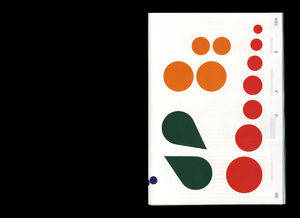
- Im Jahr 2014 präsentierte das Weltkulturen Museum in Frankfurt eine Ausstellung mit dem Titel "Foreign Exchange (or the stories you wouldn't tell a stranger)". Die von Clémentine Deliss und Yvette Mutumba - damals Direktorin bzw. Kuratorin des Museums - kuratierte Ausstellung umfasste einen Überblick über die fotografische Dokumentation der rund 67.000 ethnografische Artefakte umfassenden Sammlung des Museums. Die Bilder stammen von Studiofotografen, die vom Museum beauftragt wurden, und von hauseigenen Fotografen.
Eine Begleitpublikation zur Ausstellung enthält die Niederschrift einer Gruppendiskussion zwischen eingeladenen Künstlern, Schriftstellern, Anthropologen und anderen Kommentatoren, die im Rahmen der Ausstellung organisiert wurde. Hier werden diese historischen Fotografien heftig kritisiert. Als besonders problematisch wird ihre über mehrere Jahrzehnte anhaltende Tendenz angesehen, ethnografische Artefakte isoliert vor einfarbigen, hellen, "ethnisch" gefärbten Hintergründen abzubilden. Diese spezifische Ästhetik wird in der Diskussion als eine Art Kompensation für das außerordentliche Fehlen von Wissen über die Herkunft der abgebildeten Artefakte interpretiert, von denen viele in einer intensiven Periode der Aktivität während der Kolonialzeit durch den Gründungsdirektor des Museums, Bernard Hagen, erworben wurden.
Diese Ausgabe von MAS unternimmt einige elementare bibliografische Schritte, um die Rhetorik der Kritik in "Foreign Exchange" zu qualifizieren, und in Richtung grundlegender Alle in dieser Ausgabe von MAS gezeigten Bilder stammen aus den Büchern, die in der Datenbank vorgestellt werden. Forschung, die Deliss fordert, wenn sie schreibt: "Bis heute gab es keine kritische Analyse der Art und Weise, in der sogenannte Stammeskunstobjekte oder Ethnografika fotografiert wurden, sobald sie von ihrem ursprünglichen Produktionsort entfernt wurden.
Bei dem hier vorgestellten Material handelt es sich um visuelle Untersuchungen, die im Rahmen eines von James Langdon initiierten Seminars an der HfG Karlsruhe im Jahr 2018 durchgeführt wurden. Eine Gruppe von zehn Teilnehmern analysierte eine Sammlung von 56 Ethnographica-Büchern, die zwischen den 1960er Jahren - als der Vollfarbdruck im Museumsbereich üblich wurde - und dem aktuellen Jahrzehnt veröffentlicht wurden. Jedes Jahrzehnt war mit etwa zehn Titeln vertreten, etwa zur Hälfte aus Europa und zur Hälfte aus den USA. Die Sammlung wurde von internationalen ethnographischen Buchhändlern zusammengestellt und ist somit unabhängig von den Interessen der Verlage und der Museen und Einzelpersonen, deren Sammlungen vertreten sind. Innerhalb dieser Parameter wurden die einzelnen Titel visuell ausgewählt, und zwar auf der Grundlage von Studiofotografien afrikanischer Artefakte, die mit der in "Foreign Exchange" beschriebenen Ästhetik übereinstimmen. Es wird daher nicht versucht, das Ausmaß dieser ästhetischen Tendenzen im Bereich der ethnografischen Veröffentlichungen insgesamt zu quantifizieren. Trotz ihres notwendigerweise bescheidenen Umfangs ist allein die geographische und historische Streuung der Sammlung ein Indiz dafür, dass diese Ästhetik weit verbreitet und offenbar unumstritten war und keineswegs nur im Kontext des Weltkulturen Museums oder der deutschen Ethnographica zu finden ist.
Die gesammelten Bücher enthalten insgesamt 10.189 Bilder. Die Teilnehmer analysierten die Bücher direkt und erstellten eine Datenbank mit den bibliografischen Angaben: Umfang, Abmessungen und Themen der Bücher sowie Angaben zu den Fotografien selbst: Farben und Art der verwendeten Hintergründe, Merkmale der Beleuchtung und des Ausschnitts sowie Aspekte der grafischen Gestaltung, die für die Darstellung relevant sind. Die Arbeit wurde dann durch "Anfragen" an diese Datenbank fortgesetzt, wobei Teilmengen von Bildern ermittelt wurden, die für die Diskussion zusammengestellt werden sollten. Die vergleichende visuelle Arbeit erfolgte manuell - nicht am Computer - durch Sortieren und Gruppieren der Bilder auf großen Tabellen. Sieben dieser Anfragen werden auf den folgenden Seiten vorgestellt, wobei die Methodik in kurzen Untertiteln beschrieben wird.
Die Diskussionen wurden durch zeitgenössische und historische Lektüre ergänzt, und während des Seminars wurde die laufende Arbeit durch regelmäßige Beiträge von Gästen, darunter Clémentine Deliss, Jan Hoek, Sarah Owens und Jelly Sarah Kouablan, begleitet. Ihre Kommentare machten uns nur allzu bewusst, dass unsere Position in einer europäischen Kunstschule und unser Vertrauen auf bibliografische Methoden uns trotz unserer besten Absichten dazu verleiteten, den westlichen Blick zu reproduzieren, selbst wenn wir ihn aktiv kritisierten.
- Im Jahr 2014 präsentierte das Weltkulturen Museum in Frankfurt eine Ausstellung mit dem Titel "Foreign Exchange (or the stories you wouldn't tell a stranger)". Die von Clémentine Deliss und Yvette Mutumba - damals Direktorin bzw. Kuratorin des Museums - kuratierte Ausstellung umfasste einen Überblick über die fotografische Dokumentation der rund 67.000 ethnografische Artefakte umfassenden Sammlung des Museums. Die Bilder stammen von Studiofotografen, die vom Museum beauftragt wurden, und von hauseigenen Fotografen.
- Beschreibung (en)
- In 2014 the Weltkulturen Museum in Frankfurt presented an exhibition titled ‘Foreign Exchange (or the stories you wouldn’t tell a stranger)’. Curated by Clémentine Deliss and Yvette Mutumba — at that time director and curator of the museum, respectively — the exhibition included a survey of the museum’s photographic documentation of its collection of around 67.000 ethnographic artefacts. These images were made by studio photographers commissioned by the museum and by in-house photographers.
A publication accompanying the exhibition presents the transcript of a group discussion between invited artists, writers, anthropologists, and other commentators, organised in the context of the exhibition. Here these historical photographs are heavily criticised. Considered particularly problematic is their tendency — consistent over several decades — to depict ethnographic artefacts in isolation against plain, bright, ‘ethnic’ coloured backgrounds. This specific aesthetic is interpreted in the discussion as a kind of compensation for an extraordinary absence of knowledge about the provenance of the depicted artefacts, many of which were acquired in an intense period of activity during the colonial era by the museum’s founding director, Bernard Hagen.
This issue of MAS makes some elementary bibliographic moves to qualify the rhetoric of the critique in ‘Foreign Exchange’, and toward foundational All images shown in this issue of MAS originate from the books which are presented in the database.research that Deliss calls for when she writes: ‘To date there has been no critical analysis of the manner in which so-called tribal art objects or ethno-graphica have been photographed once removed from their original location of production.’
The material presented here is visual research produced during a seminar initiated by James Langdon at HfG Karlsruhe in 2018. A group of 10 participants analysed a collection of 56 books of ethnographica published between the 1960s — when full-colour printing began to be commonly used in museum publishing — and the present decade. Each decade was represented by around ten titles, roughly half from Europe, half from the USA. The collection was assembled through international ethnographic book dealers, and as such is independent of the interests of any of the books’ publishers and the museums and individuals whose collections are represented. Within these parameters, the individual titles were selected visually, based on their inclusion of studio photographs of African artefacts that correspond with the aesthetics described in ‘Foreign Exchange’. No attempt is made, therefore, to quantify the extent of these aesthetic tendencies in the field of ethnographic publishing overall. Despite its necessarily modest size, the geographical and historical spread of the collection alone is indicative of the fact that these aesthetics have been commonly used, apparently without controversy, and are by no means particular to the contexts either of the Weltkulturen Museum, or German ethnographica.
The collected books contain a total of 10.189 images. Participants analysed the books directly, creating a database of their bibliographical details: their extent, dimensions, and subjects; and details of the photographs themselves: the colours and types of backgrounds used, the characteristics of lighting and cropping, and aspects of graphic design relevant to their presentation. Work then proceeded through ‘enquiries’ directed to this database, identifying subsets of images to be compiled for discussion. Comparative visual work was done manually — not at the computer — by sorting and grouping images on large tables. Seven of these enquiries are presented on the following pages, with brief captions describing their methodologies.
Discussions were supplemented by contemporary and historical readings, and during the seminar ongoing work was socialised through regular input from guests, including Clémentine Deliss, Jan Hoek, Sarah Owens and Jelly Sarah Kouablan. Their commentaries made us all too aware that despite our best intentions, our position in a European art school and our reliance on bibliographical methods led us continually to reproduce the Western gaze even as we actively critiqued it.
- In 2014 the Weltkulturen Museum in Frankfurt presented an exhibition titled ‘Foreign Exchange (or the stories you wouldn’t tell a stranger)’. Curated by Clémentine Deliss and Yvette Mutumba — at that time director and curator of the museum, respectively — the exhibition included a survey of the museum’s photographic documentation of its collection of around 67.000 ethnographic artefacts. These images were made by studio photographers commissioned by the museum and by in-house photographers.
- Typ des Projekts/Werks
- Schlagworte
- Mitwirkende
- Sprache
- Abmessungen
- DinA 4
- Ort: Institution
- Stadt
- Land
- Bemerkungen
- Heft 6: Every Object Has Needs
Bestellung unter mas@hfg-karlsruhe.de
- Heft 6: Every Object Has Needs
- Titel
- MAS 006
- Untertitel
- Every Object Has Needs
- Projektleiter/in
- Semester
- Lehrveranstaltung
- Importiert am
- 18.12.2023
- Übergeordnete Sets
- 1
- Set enthält
- 0 10
MYCOSKENE
Name that can easily go onto 2 lines
Author that can easily go onto 2 lines as well
- Titel
- MYCOSKENE
- Titel (en)
- Mycoskene
- Untertitel
- Zur wuchernden Verflechtung einer singularisierten Zeit
- Untertitel des Projekts/Werks (en)
- Or on the rampant interweaving of a singularized time
- Autor/in
- Beschreibung (de)
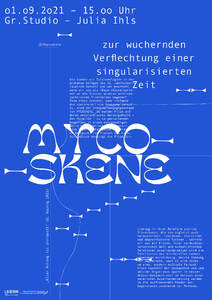
- MYCOSKENE ist eine material-theoretische Verflechtung rund um das Thema Mycelium, dem unterirdischen Hyphengeflecht der Pilze. Ob als sozio-philosophische Metapher, Bau- und Gestaltungsmaterial oder in Form einer multi-medialen Rauminstallation – in ihrer Arbeit folgte die Szenografin und Konzepterin Julia Ihls über 8 Monate den fein verwobenen Strukturen jener Organismen, die durch ihre eigene Zeitlichkeit und Qualitäten zu maßgeblichen Co-Gestaltenden wurden.
- Beschreibung (en)
- MYCOSKENE is a material-theoretical interweaving around the theme of mycelium, the subterranean network of hyphae of fungi. Whether as a socio-philosophical metaphor, building and design material or in the form of a multi-media spatial installation - in her work, scenographer and conceptual designer Julia Ihls followed the finely interwoven structures of these organisms for over 8 months, which became decisive co-creators through their own temporality and qualities.
- Kategorie
- Typ des Projekts/Werks
- Schlagworte
- Datierung
- 01.09.2021 - 03.09.2021
- Mitwirkende
- Sprache
- Ort: Institution
- Ort
- Großes Studio
- Stadt
- Land
- Internetlinks
- Walkthrough Video: https://vimeo.com/653230334
Doku Film:
Instagram: @mycoskene https://www.instagram.com/mycoskene/?hl=de
Website: https://mycoskene-.hotglue.me/
- Walkthrough Video: https://vimeo.com/653230334
- Titel
- MYCOSKENE
- Untertitel
- Zur wuchernden Verflechtung einer singularisierten Zeit
- Projektleiter/in
- Semester
- Studiengang
- Typ der Abschlussarbeit
- Importiert am
- 14.12.2023
- Übergeordnete Sets
- 2
- Set enthält
- 0 11
MAS
Name that can easily go onto 2 lines
Author that can easily go onto 2 lines as well
- Titel
- MAS
- Autor/in
- Beschreibung (de)
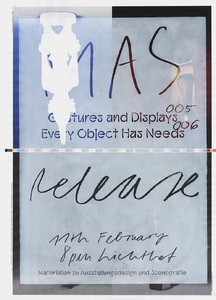
- "Materialien zu Ausstellungsdesign und Szenografie" ist eine neue Publikationsreihe des Fachbereichs Ausstellungsdesign und Szenografie der HfG Karlsruhe. Sie setzt sich mit der Gestaltung von narrativen Räumen als kritischer Designpraxis auseinander. Materialien zu Ausstellungsdesign und Szenografie ist als fortlaufende Materialsammlung angelegt, in der Beiträge zu Diskussionen in unserem Fachgebiet zusammengetragen und zugänglich gemacht werden. Wir betrachten die einzelnen Ausgaben als Ausstellungsräume und die bedruckten Seiten als Displays. Dabei geht es uns nicht vorrangig um die Produktion neuer Beiträge sondern um bestehende Materialien, die durch ihre Auswahl, Kombination, Kontextualisierung oder Kommentierung, sowie ihre gestaltete Darstellung in Printform neue Zusammenhänge und Perspektiven herstellen.
- Beschreibung (en)
- "Materials on Exhibition Design and Scenography" is a new publication series from the Department of Exhibition Design and Scenography at the HfG Karlsruhe. It deals with the design of narrative spaces as a critical design practice. Materials on Exhibition Design and Scenography is designed as an ongoing collection of material in which contributions to discussions in our field are compiled and made accessible. We view the individual issues as exhibition spaces and the printed pages as displays. We are not primarily concerned with the production of new contributions, but rather with existing materials that create new contexts and perspectives through their selection, combination, contextualization or commentary, as well as their designed presentation in print form.
- Typ des Projekts/Werks
- Schlagworte
- Sprache
- Technik/Verfahren/Formate
- DinA 4
- Ort: Institution
- Stadt
- Land
- Bemerkungen
- Seit 2016
Heft 1: Judith Barry
Heft 2: Stanislaw Zamecznik
Heft 3: László Moholy-Nagy
Heft 4: Jan van Toorn
Heft 5: Gestures and Displays
- Seit 2016
- Titel
- MAS
- Projektleiter/in
- Lehrveranstaltung
- Importiert am
- 14.12.2023
- Übergeordnete Sets
- 1
- Set enthält
- 6 1
Who cares?

Name that can easily go onto 2 lines
Author that can easily go onto 2 lines as well
- Titel
- Who cares?
- Titel (en)
- Who Cares?
- Untertitel
- Digitale Sozialität, Infrastrukturen der Fürsorge und konviviale Technologien
- Untertitel des Projekts/Werks (en)
- Digital sociality, care infrastructure and convivial technology
- Autor/in
- Beschreibung (de)
- Die Hackerkultur verbindet Theorie und Praxis (nach hand-on Prinzipien) und einen neuen Ansatz für Kulturmaterialien ("information wants to be free"), der nicht nur eine andere Epistemologie, sondern auch einen neuen politischen Diskurs über Digitalität, Geräte und Menschen impliziert. Das Verhältnis zwischen Technik und Politik dieser Gruppe wird im ersten Kapitel analysiert: Zuerst wird die Entstehung proprietärer Software betrachtet, dann die Unterschiede zwischen Open Source und freier Software, und wie im letzten die Privateigentum und die soziale Beziehung zwischen Programmen, Benutzern und Entwicklern radikal in Frage gestellt werden. Später wird diese Beziehung anhand von Hanna Arendts 'Die conditio humana' in Bezug auf Arbeit, Herstellen und Handlen, Notwendigkeit und Freiheit, die die Bedingungen für Politik schaffen, weiter diskutiert. Im zweiten Kapitel wird das Konzept der Konvivialität (Ivan Illich) vorgestellt und diskutiert. Diese Idee wird später in der Wartung als infrastrukturelle Vorsorge weiterentwickelt und als ein zentrales Element digitaler Technologien vorgeschlagen, das weiter diskutiert werden sollte. Diese Konstellation des Denkens und Handelns, des Spielens und Lernens, des Experimentierens und der Übernahme von Verantwortung sowie der Politik und der sozialen Beziehungen sollte in der Technologiedebatte eine wichtige Rolle spielen.
- Beschreibung (en)
- Hacker culture connects theory and praxis (following hand-on principles) and a new approach to culture materials ("information wants to be free"), that implies not only a different epistemology, but also a new political discourse on digitality, devices, and people. The relation between technic and politic of this group is analyzed in the first chapter: first focusing on the emergence of proprietary software; then considering the differences between open source and free software, the last one challenging radically the notion of private property and the social relation among programs, users, and developers. Later on, reading Hanna Arendts 'The Human condition, the relation will be further discussed in terms of labor, work and action, necessity and freedom, which establish the conditions for politics. In the second chapter, the concept of conviviality (Ivan Illich) is introduced and discussed. This idea is later developed in maintenance as infrastructural care and proposed as a central element of digital technologies that should be further discussed. This constellation of thinking and acting, playing and learning, experimenting and taking responsibility, as well as politics and social relations should play a prominent role in the debate about technology.
- Kategorie
- Typ des Projekts/Werks
- Schlagworte
- Datierung
- 30.03.2023
- Sprache
- Titel
- Who cares?
- Untertitel
- Digitale Sozialität, Infrastrukturen der Fürsorge und konviviale Technologien
- Projektleiter/in
- Semester
- Studiengang
- Typ der Abschlussarbeit
- Importiert am
- 30.11.2023
- Übergeordnete Sets
- 3
- Set enthält
- 0 4
Vom Nutzen der Kunst
Name that can easily go onto 2 lines
Author that can easily go onto 2 lines as well
- Titel
- Vom Nutzen der Kunst
- Titel (en)
- On the benefits of art
- Autor/in
- Beschreibung (de)
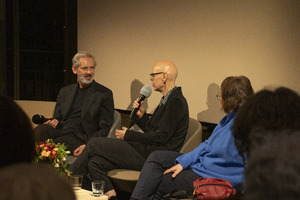
- In der gemeinsamen Gesprächsreihe "Vom Nutzen der Kunst" von ZKM und HfG, laden wir internationale Gäste aus Philosophie, Literatur und Kunst zum offenen Austausch mit den Hochschulangehörigen, den Mitarbeitenden des ZKM und der Karlsruher Bevölkerung ein.
- Beschreibung (en)
- In the joint series of talks between ZKM and HfG, we invite international guests from the fields of philosophy, literature and art to an open exchange with members of the university, ZKM staff and the people of Karlsruhe.
- Typ des Projekts/Werks
- Schlagworte
- Datierung
- 16.11.2023
- Ort: Institution
- Ort
- Media Lounge
- Stadt
- Land
- Titel
- Vom Nutzen der Kunst
- Importiert am
- 28.11.2023
- Übergeordnete Sets
- 1
- Set enthält
- 2 0
Literatursalon HfG - ZKM
Name that can easily go onto 2 lines
Author that can easily go onto 2 lines as well
- Titel
- Literatursalon HfG - ZKM
- Titel (en)
- Literatursalon HfG - ZKM
- Autor/in
- Typ des Projekts/Werks
- Schlagworte
- Datierung
- 26.10.2023
- Ort: Institution
- Ort
- Media Lounge, R. 112
- Stadt
- Land
- Beteiligte Institution(en)
- Titel
- Literatursalon HfG - ZKM
- Importiert am
- 28.11.2023
- Übergeordnete Sets
- 1
- Set enthält
- 1 0
Handeln mit Zwecken. Künste im 21. Jahrhundert
Name that can easily go onto 2 lines
Author that can easily go onto 2 lines as well
- Titel
- Handeln mit Zwecken. Künste im 21. Jahrhundert
- Titel (en)
- On the benefits of art - with philosopher and artist Judith Siegmund ZKM & HfG Talk Series
- Untertitel
- mit Philosophin und Künstlerin Judith Siegmund ZKM & HfG Gesprächsreihe
- Autor/in
- Beschreibung (de)
- In der gemeinsamen Gesprächsreihe "Vom Nutzen der Kunst" von ZKM und HfG, laden wir internationale Gäste aus Philosophie, Literatur und Kunst zum offenen Austausch mit den Hochschulangehörigen, den Mitarbeitenden des ZKM und der Karlsruher Bevölkerung ein. Zum Auftakt sprechen Alistair Hudson und Constanze Fischbeck mit der Philosophin und Künstlerin Judith Siegmund.
Der Titel des Vortrags an diesem Abend wird sein: "Handeln mit Zwecken. Künste im 21. Jahrhundert“
- In der gemeinsamen Gesprächsreihe "Vom Nutzen der Kunst" von ZKM und HfG, laden wir internationale Gäste aus Philosophie, Literatur und Kunst zum offenen Austausch mit den Hochschulangehörigen, den Mitarbeitenden des ZKM und der Karlsruher Bevölkerung ein. Zum Auftakt sprechen Alistair Hudson und Constanze Fischbeck mit der Philosophin und Künstlerin Judith Siegmund.
- Beschreibung (en)
- In the joint series of talks between ZKM and HfG, we invite international guests from the fields of philosophy, literature and art to an open exchange with members of the university, ZKM staff and the people of Karlsruhe. To kick things off, Alistair Hudson and Constanze Fischbeck will be talking with the philosopher and artist Judith Siegmund.
Judith Siegmund is a professor of philosophical aesthetics at the Zurich University of the Arts. In her book »Zweck und Zweckfreiheit« (2019), she questions the demand for purposelessness in artistic creation that emerged in 20th-century aesthetic theory with reference to Kant. Instead, she starts from the assumption that aesthetic theory must prove adequate to its object.
- In the joint series of talks between ZKM and HfG, we invite international guests from the fields of philosophy, literature and art to an open exchange with members of the university, ZKM staff and the people of Karlsruhe. To kick things off, Alistair Hudson and Constanze Fischbeck will be talking with the philosopher and artist Judith Siegmund.
- Typ des Projekts/Werks
- Schlagworte
- Datierung
- 16.11.2023
- Mitwirkende
- Ort: Institution
- Ort
- ZKM Medialounge
- Stadt
- Land
- Beteiligte Institution(en)
- Internetlinks
- Titel
- Handeln mit Zwecken. Künste im 21. Jahrhundert
- Untertitel
- mit Philosophin und Künstlerin Judith Siegmund ZKM & HfG Gesprächsreihe
- Importiert am
- 23.11.2023
- Übergeordnete Sets
- 1
- Set enthält
- 0 18
SCHREIBWorkshops : Ewe Benbenek
Name that can easily go onto 2 lines
Author that can easily go onto 2 lines as well
- Titel
- SCHREIBWorkshops : Ewe Benbenek
- Autor/in
- Titel
- SCHREIBWorkshops : Ewe Benbenek
- Importiert am
- 06.11.2023
- Übergeordnete Sets
- 1
- Set enthält
- 0 28
PRESENT TENSE Working in Critical Times
Name that can easily go onto 2 lines
Author that can easily go onto 2 lines as well
- Titel
- PRESENT TENSE Working in Critical Times
- Titel (en)
- PRESENT TENSE Working in Critical Times
- Untertitel
- Symposium des Kunstbüros der Kunststiftung Baden-Württemberg
- Autor/in
- Beschreibung (de)
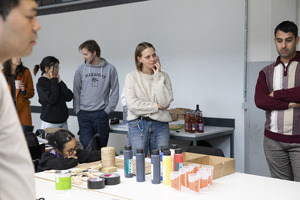
- „Present Tense” beschäftigt sich mit unserer unmittelbaren Gegenwart: Wir leben in einer komplexen, krisenhaften Zeit, in der die Überlagerung von Klima- und Energiekrise, Postpandemie, Prekarität und Konkurrenz, gesellschaftlicher Radikalisierung bis hin zu näher rückenden Kriegen bereits jetzt gravierende Auswirkungen auf unser Leben und Arbeiten hat. Die Anspannung steigt, wir stehen vor dringlichen gesamtgesellschaftlichen Aufgaben und bewegen uns zugleich in Richtung eines Zustands chronischer Erschöpfung. Das etablierte Kunstfeld und die künstlerische und kulturelle Produktion sind davon nicht ausgenommen. Mit Künstler:innen, Kurator:innen und anderen Expert:innen des kulturellen Feldes möchten wir den Blick auf die aktuelle künstlerische Produktion und Ausstellungspraxis richten und die Frage nach möglichen (Zukunfts-)perspektiven für das Kunstfeld diskutieren:
Welche gesellschaftliche Rolle können und müssen Kunst und ihre Produzent:innen in einer sich radikal verändernden Welt einnehmen? Wie können Kunst- und Kulturinstitutionen zu Orten aktiver gesellschaftlicher Transformation werden? Was bedeutet es, eine (ökologisch wie sozial) nachhaltige künstlerische und institutionelle Praxis in der digitalen Gegenwart zu entwickeln? Welche neuen Gemeinschaften brauchen wir, gerade im Hinblick auf die zunehmende gesellschaftliche Spaltung und Radikalisierung? Offensichtlich führt die krisenhafte Gegenwart u. a. dazu, dass sich Menschen nach autoritären Figuren und Programmen sehen – eine Aufgabe von Kunst und Kultur könnte es sein, andere, freiere Konzepte von Zukunft zu entwerfen.
Auch das Konzept der Fürsorge in der künstlerischen und kuratorischen Praxis wird Thema der Veranstaltung sein. Teil des Symposiums sind neben Vorträgen künstlerische Workshops, Interventionen und Performances, die wir als gleichwertige Formen der Wissensproduktion und -vermittlung begreifen.
Mit Beiträgen von Gin Bahc, Sascia Bailer, Constanze Fischbeck, Sina Hensel, Alistair Hudson, Anne Duk Hee Jordan, Valentina Karga, Matriarchale Volksküche, Jacob Ott und Dorothee Richter.
- „Present Tense” beschäftigt sich mit unserer unmittelbaren Gegenwart: Wir leben in einer komplexen, krisenhaften Zeit, in der die Überlagerung von Klima- und Energiekrise, Postpandemie, Prekarität und Konkurrenz, gesellschaftlicher Radikalisierung bis hin zu näher rückenden Kriegen bereits jetzt gravierende Auswirkungen auf unser Leben und Arbeiten hat. Die Anspannung steigt, wir stehen vor dringlichen gesamtgesellschaftlichen Aufgaben und bewegen uns zugleich in Richtung eines Zustands chronischer Erschöpfung. Das etablierte Kunstfeld und die künstlerische und kulturelle Produktion sind davon nicht ausgenommen. Mit Künstler:innen, Kurator:innen und anderen Expert:innen des kulturellen Feldes möchten wir den Blick auf die aktuelle künstlerische Produktion und Ausstellungspraxis richten und die Frage nach möglichen (Zukunfts-)perspektiven für das Kunstfeld diskutieren:
- Beschreibung (en)
- „Present Tense” concerns itself with our immediate present: We live in a complex, crisis-filled age in which the overlapping of climate and energy crisis, post-pandemic times, precarity, social radicalisation and even impending wars already govern our lives and work. Tension is rising, we are faced with imperative responsibilities for society as a whole and are, at the same time, moving towards a state of chronic exhaustion. There is no exception for the field of arts and artistic and cultural production.
Together with artists, curators and other experts from the cultural field, we would like to examine current artistic productions and exhibition practices and discuss possibilities for the (future) perspectives of the arts. Which roles within society can and must art and its producers embrace in a radically changing world? How can art and cultural institutions become venues of active social transformation? What does it mean to develop an (ecologically as well as socially) sustainable artistic and institutional practice in the digital present? The concept of care within artistic and curatorial practices will be a topic of the event as well.
What new relationships do we need, especially in view of intensifying social division and radicalisation? Obviously, the crisis-filled present among other things leads to people looking to authoritarian figures and programmes – one of the tasks for art and culture could be to design other, more independent and free concepts of the future.
In addition to lectures and panels, the symposium will include artistic workshops, interventions and performances, which are also forms of knowledge production and dissemination that we feel to be of equal importance.
With contributions from Gin Bahc, Sascia Bailer, Constanze Fischbeck, Sina Hensel, Alistair Hudson, Anne Duk Hee Jordan, Valentina Karga, Matriarchale Volksküche, Jacob Ott and Dorothee Richter
- „Present Tense” concerns itself with our immediate present: We live in a complex, crisis-filled age in which the overlapping of climate and energy crisis, post-pandemic times, precarity, social radicalisation and even impending wars already govern our lives and work. Tension is rising, we are faced with imperative responsibilities for society as a whole and are, at the same time, moving towards a state of chronic exhaustion. There is no exception for the field of arts and artistic and cultural production.
- Typ des Projekts/Werks
- Schlagworte
- Datierung
- 26.10.2023 - 28.10.2023
- Mitwirkende
- Sprache
- Ort: Institution
- Ort
- Lichthof, R.112
- Stadt
- Land
- Beteiligte Institution(en)
- Internetlinks
- Titel
- PRESENT TENSE Working in Critical Times
- Untertitel
- Symposium des Kunstbüros der Kunststiftung Baden-Württemberg
- Semester
- Importiert am
- 06.11.2023
- Übergeordnete Sets
- 1
- Set enthält
- 0 146
Elastic Kin
Name that can easily go onto 2 lines
Author that can easily go onto 2 lines as well
- Titel
- Elastic Kin
- Autor/in
- Beschreibung (de)
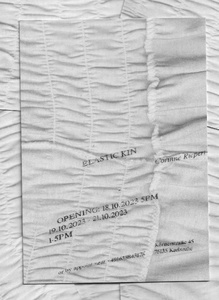
- Die Rauminstallation “Elastic Kin” zeigt eine Gruppe von Textilobjekten - Gefüge -, die aus weggeworfenen Kleidungsstücken bestehen. Sie existieren sowohl als Individuen als auch als Gruppe. Die Kleidungsstücke, die in den Straße von K. gefunden wurden und von Anderen in anderen Kontext hergestellt worden sind, kehren ihren ursprünglichen Zweck um, indem sie zu eigenen Körpern werden, die unabhängig von menschlichen Körpern sind. Jede Oberfläche ist wie eine geheime Landkarte, die Spuren anonymer Hände enthält, die an den Textilien gearbeitet haben.
Der Sound der Installation ist ein Echo - fast verschwundener, kollektiver Erinnerungen an vergangene Momente und Orte.
“Elastic Kin” versucht, eine weit verbreitete Verwandtschaft darzustellen, die durch unsichtbare, lose und elastische Fäden imaginiert wird, die ein internationales System von Lieferketten, Arbeiter*Innen und Konsument*Innen, Trendprognosen und unvorhersehbarem Zeitgeist, Massenproduktion und meditativer Handarbeit abbilden. Welche Spuren dieser Kontexte enthalten die Kleidungsstücke?
Das Video zeigt eine performative Intervention im öffentlichen Raum. Es zeigt die Gefüge, die eine neue Existenz außerhalb ihrer Produktions- und Vermarktungskontexte führen: Sie kehren in ein Einkaufszentrum zurück, animiert von den Menschen, die sie einst bekleideten.
- Die Rauminstallation “Elastic Kin” zeigt eine Gruppe von Textilobjekten - Gefüge -, die aus weggeworfenen Kleidungsstücken bestehen. Sie existieren sowohl als Individuen als auch als Gruppe. Die Kleidungsstücke, die in den Straße von K. gefunden wurden und von Anderen in anderen Kontext hergestellt worden sind, kehren ihren ursprünglichen Zweck um, indem sie zu eigenen Körpern werden, die unabhängig von menschlichen Körpern sind. Jede Oberfläche ist wie eine geheime Landkarte, die Spuren anonymer Hände enthält, die an den Textilien gearbeitet haben.
- Beschreibung (en)
- The spatial installation “Elastic Kin” shows a group of textile objects – Gefüge – that were assembled from discarded and abandoned garments. They exist as individuals as well as a kin. Assembled from used garments, found in the streets of K., produced by others in other contexts, they invert their original purpose by becoming bodies of their own, no longer dependent on being activated by a human body. The surface of every Gefüge is like a secret map, containing traces of anonymous hands working on them.
The sound in the installation is an echo of almost vanished collective memories of past moments and places. “Elastic Kin” attempts to depict a widespread kinship, that is imagined through invisible, loose and elastic threads mapping an international system of supply chains, workers and consumers, trend forecast and unpredictable zeitgeist, mass production and meditative handcraft. Which traces of these contexts do the garments contain?
The video shows a performative intervention in pub- lic space. It shows the Gefüge leading a new existence outside their production and marketing contexts: They return to the shopping mall, animated by the people, they once used to dress.
- The spatial installation “Elastic Kin” shows a group of textile objects – Gefüge – that were assembled from discarded and abandoned garments. They exist as individuals as well as a kin. Assembled from used garments, found in the streets of K., produced by others in other contexts, they invert their original purpose by becoming bodies of their own, no longer dependent on being activated by a human body. The surface of every Gefüge is like a secret map, containing traces of anonymous hands working on them.
- Typ des Projekts/Werks
- Schlagworte
- Datierung
- 18.10.2023
- Mitwirkende
- Dank an
- Vanessa Bosch
- Matthias Bruhn
- Jules Buchholtz
- Céline Condorelli
- Jaya Demmer
- Mascha Dilger
- Charlotte Eifler
- Constanze Fischbeck
- Ebba Fransén Waldhör
- Heidi Herzig
- Anne Duk Hee Jordan
- Hanne König
- Lara Landbrecht
- Mona Mayer
- Leonie Mühlen
- Luise Peschko
- Johanna Schäfer
- Henriette Schwabe (Jette Schwabe)
- Manuel Sékou
- Janis Zeckai
- Sprache
- Untertitel (Film)
- Material
- Ort: Institution
- Stadt
- Land
- Titel
- Elastic Kin
- Projektleiter/in
- Semester
- Studiengang
- Typ der Abschlussarbeit
- Importiert am
- 02.11.2023
- Übergeordnete Sets
- 3
- Set enthält
- 0 22
Photosymbiosen – On Co-Developing with Plant Accomplices
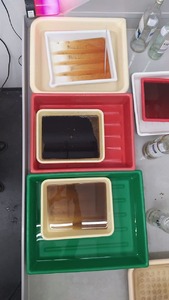
Name that can easily go onto 2 lines
Author that can easily go onto 2 lines as well
- Titel
- Photosymbiosen – On Co-Developing with Plant Accomplices
- Titel (en)
- Photosymbiosen – On Co-Developing with Plant Accomplices
- Untertitel
- Sustainable Photography
- Beschreibung (de)
- Wie können wir fotografische Verfahren entwickeln, die nicht auf einem Ausbeutungsverhältnis der Umwelt beruhen, sondern vielmehr mit nicht-menschlichen Akteuren in Kollaboration treten? Wenn auch ein solches Unterfangen aufgrund der anthropozentrischen Perspektive zu kurz kommen muss, so eröffnet jenes unmögliche Driften hin zum pflanzlicheren Denken ein Spannungsfeld der künstlerischen Auseinandersetzung. Vom Flanieren in den Wäldern, dem Sammeln von Kräutern bis hin zur Ambivalenz zwischen städtischem Raum, pflanzlicher Peripherie und Ruderaler Vegetation – all jene dynamischen Wechselverhältnisse eines geteilten Habitats stellen den gedanklichen Ausgangspunkt der Arbeiten von “Photosymbiosen – On Co-Developing with Plant Accomplices” dar. Neben dem Bemühen um einen Fotografischen Blick, der sich ins mutuale Beziehungsgeflecht jener Co-Existenzen einfügt, steht das Bildgebungsverfahren analoger, nachhaltiger Fotografie im Fokus der Recherche. Denn jene alte Technik, die in Zeiten digitaler Bilderflut zunehmend ein Comeback erfährt, stellt vor einige Herausforderungen:
So basiert jenes Verfahren der Bilderzeugung auf der Lichtempfindlichkeit von Silberhalogenidkristallen, die in einer Gelatineemulsion auf einem Filmträger (zur Herstellung des Negativs) und auf Papier (zur Herstellung des Fotos) aufgebracht sind. Um die Kristalle in metallisches Silber umzuwandeln und so ein (negatives) Bild auf Film zu erhalten, beziehungsweise es dann auf Papier zu verarbeiten und zu vergrößern (positives fotografisches Bild), ist es notwendig, verschiedene, hochgiftige chemische Lösungen zu verwenden. Diese Produkte sind nicht nur gesundheitsgefährdend für diejenigen, die mit ihnen umgehen, sondern stellen auch eine große Quelle für die Verschmutzung von Gewässern, Pipelines und ganz allgemein der Umwelt dar – und müssen daher in besonderer Weise entsorgt und behandelt werden. Darüber hinaus ist nicht nur die Giftigkeit dieser Bildentwicklungsmethode problematisch, sondern auch ihr Medium. Die auf Film und Papier aufgebrachte Gelatine ist tierischen Ursprungs – in der Regel eine Rindergelatine – und wird damit Teil der vielfältigen Probleme der Fleischindustrie. Letztlich macht die Industrialisierung der analogen Fotografie, von ihren chemischen Komponenten bis hin zur Entwicklung der Fotos in Labors, ihre Anwender abhängig von vorgefertigten, in der Regel teuren Produkten.
Getragen von dem Wunsch, neue experimentelle Formen der Kreation zu erforschen und die Umweltbelastung durch jene fotografische Technik zu reflektieren, wurden so verschiedene alternative Verfahren zur Reduktion von Chemikalieneinsatz entwickelt. Dabei gaben verschiedene internationale Initiativen aus dem Bereich der nachhaltigen Fotografie Inspirationen zur Herstellung eigener Schwarz-Weiß-Entwickler, die auf regionalen und saisonalen Pflanzen der städtischen Umgebung Karlsruhes basieren (Kräuter, Blätter, Blumen, Baumrinde, Moos, Gemüse, etc.). Die ausgestellten Werke geben Einblicke in die experimentelle Forschung, eine ergänzende Website gibt weitere Informationen zu Dokumentationen wie auch Herstellungsverfahren und Recherchen.
- Wie können wir fotografische Verfahren entwickeln, die nicht auf einem Ausbeutungsverhältnis der Umwelt beruhen, sondern vielmehr mit nicht-menschlichen Akteuren in Kollaboration treten? Wenn auch ein solches Unterfangen aufgrund der anthropozentrischen Perspektive zu kurz kommen muss, so eröffnet jenes unmögliche Driften hin zum pflanzlicheren Denken ein Spannungsfeld der künstlerischen Auseinandersetzung. Vom Flanieren in den Wäldern, dem Sammeln von Kräutern bis hin zur Ambivalenz zwischen städtischem Raum, pflanzlicher Peripherie und Ruderaler Vegetation – all jene dynamischen Wechselverhältnisse eines geteilten Habitats stellen den gedanklichen Ausgangspunkt der Arbeiten von “Photosymbiosen – On Co-Developing with Plant Accomplices” dar. Neben dem Bemühen um einen Fotografischen Blick, der sich ins mutuale Beziehungsgeflecht jener Co-Existenzen einfügt, steht das Bildgebungsverfahren analoger, nachhaltiger Fotografie im Fokus der Recherche. Denn jene alte Technik, die in Zeiten digitaler Bilderflut zunehmend ein Comeback erfährt, stellt vor einige Herausforderungen:
- Beschreibung (en)
- How can we develop photographic processes that are not based on a relationship of exploitation of the environment, but rather enter into collaboration with non-human actors? Even if such an endeavour must fall short due to the anthropocentric perspective, that impossible drift towards more plant-based thinking opens up a field of tension for artistic exploration. From strolling in the woods, collecting herbs to the ambivalence between urban space, plant periphery and ruderal vegetation – all those dynamic interrelationships of a shared habitat represent the intellectual starting point of the works of "Photosymbioses – On Co-Developing with Plant Accomplices". In addition to the effort to create a photographic gaze that fits into the mutual network of relationships of these co-existences, the research focuses on the imaging process of analogue, sustainable photography. This old technique, which is increasingly making a comeback in times of a flood of digital images, poses a number of challenges:
For example, this method of image creation is based on the light sensitivity of silver halide crystals, which are deposited in a gelatine emulsion on a film carrier (to produce the negative) and on paper (to produce the photograph). In order to convert the crystals into metallic silver and thus obtain a (negative) image on film, or then process and enlarge it on paper (positive photographic image), it is necessary to use various highly toxic chemical solutions. These products are not only hazardous to the health of those who handle them, but are also a major source of pollution of water, pipelines and the environment in general - and must therefore be disposed of and treated in a special way. Furthermore, it is not only the toxicity of this image development method that is problematic, but also its medium. The gelatine applied to film and paper is of animal origin - usually a bovine gelatine - and thus becomes part of the manifold problems of the meat industry. Ultimately, the industrialisation of analogue photography, from its chemical components to the development of the photos in laboratories, makes its users dependent on prefabricated, usually expensive products.
Driven by the desire to explore new experimental forms of creation and to reflect on the environmental impact of that photographic technique, various alternative methods for reducing chemical use were thus developed. In the process, various international initiatives from the field of sustainable photography provided inspiration for the production of own black-and-white developers based on regional and seasonal plants from Karlsruhe's urban environment (herbs, leaves, flowers, tree bark, moss, vegetables, etc.). The exhibited works provide insights into the experimental research, a complementary website gives further information on documentation as well as production processes and research.
- How can we develop photographic processes that are not based on a relationship of exploitation of the environment, but rather enter into collaboration with non-human actors? Even if such an endeavour must fall short due to the anthropocentric perspective, that impossible drift towards more plant-based thinking opens up a field of tension for artistic exploration. From strolling in the woods, collecting herbs to the ambivalence between urban space, plant periphery and ruderal vegetation – all those dynamic interrelationships of a shared habitat represent the intellectual starting point of the works of "Photosymbioses – On Co-Developing with Plant Accomplices". In addition to the effort to create a photographic gaze that fits into the mutual network of relationships of these co-existences, the research focuses on the imaging process of analogue, sustainable photography. This old technique, which is increasingly making a comeback in times of a flood of digital images, poses a number of challenges:
- Typ des Projekts/Werks
- Schlagworte
- Datierung
- Sommersemester 2021
- Mitwirkende
- Material
- Ort: Institution
- Stadt
- Land
- Internetlinks
- Titel
- Photosymbiosen – On Co-Developing with Plant Accomplices
- Untertitel
- Sustainable Photography
- Semester
- Importiert am
- 30.10.2023
- Übergeordnete Sets
- 1
- Set enthält
- 0 33