Sets
439 Inhalte
- Seite 1 von 37
Ausstellung
Name that can easily go onto 2 lines
Author that can easily go onto 2 lines as well
- Titel
- Ausstellung
- Autor/in
- Datierung
- 02.07.2025
- Titel
- Ausstellung
- Studiengang
- Typ der Abschlussarbeit
- Importiert am
- 22.07.2025
- Übergeordnete Sets
- 1
- Set enthält
- 0 5
(Ausschnitt) Strangers In The Night
Name that can easily go onto 2 lines
Author that can easily go onto 2 lines as well
- Titel
- (Ausschnitt) Strangers In The Night
- Autor/in
- Beschreibung (de)
- (Auschnitt)
Titel: Strangers In The Night
Regie: Isabel Winter, Alexander Thelen
Jahr: 2026
Länge: 60 Minuten
Genre: Dokumentarfilm
Sprache: Deutsch
Produktionsland: Deutschland
Ausschnittlänge: 02.51
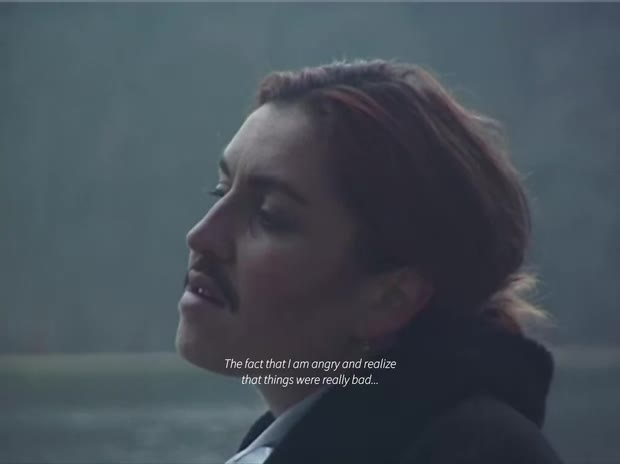
„Strangers In The Night“ begleitet Alex und Isabel, zwei Menschen Ende zwanzig, auf ihrer Reise zu ihren Vätern, deren Beziehungen von Abwesenheit und Distanz geprägt sind. Zwischen der Eifel und München kehren sie an vertraute Orte zurück und filmen sich gegenseitig, ihre Väter und deren Lebensräume mit MiniDV-Kameras. Dabei wird die Kamera zugleich zu einem heilenden Werkzeug und einem Instrument der Macht, während sie versuchen, offene Fragen zu beantworten.
- (Auschnitt)
- Beschreibung (en)
- (Excerpt)
Title: Strangers In The Night
Directors: Isabel Winter, Alexander Thelen
Year: 2026
Duration: 60 minutes
Genre: Documentary film
Language: German
Country of Production: Germany
Excerpt Length: 02.51
“Strangers In The Night” follows Alex and Isabel, two people in their late twenties, on a journey to reconnect with their fathers, whose relationships have been shaped by absence and distance. Traveling between the Eifel region and Munich, they revisit familiar places and film each other, their fathers, and associated locations using MiniDV cameras. The camera becomes both a healing tool and an instrument of power as they seek answers to unresolved questions.
- (Excerpt)
- Kategorie
- Typ des Projekts/Werks
- Schlagworte
- Datierung
- 2026
- Sprache
- Untertitel (Film)
- Dauer
- 02.51
- Land
- Titel
- (Ausschnitt) Strangers In The Night
- Importiert am
- 25.04.2026
- Übergeordnete Sets
- 1
- Set enthält
- 0 1
(Ausschnitt) Das Wasser ist silberhell und durchsichtig und möchte unberührt sein
Name that can easily go onto 2 lines
Author that can easily go onto 2 lines as well
- Titel
- (Ausschnitt) Das Wasser ist silberhell und durchsichtig und möchte unberührt sein
- Titel (en)
- (Excerpt) Das Wasser ist silberhell und durchsichtig und möchte unberührt sein
- Autor/in
- Beschreibung (de)
- (Ausschnitt)
Titel: Das Wasser ist silberhell und durchsichtig und möchte unberührt sein
Regie: Alexander Thelen
Jahr: 2026
Länge: 74 Minuten
Genre: Langspielfilm, Experimentalfilm
Sprache: Deutsch
Produktionsland: Deutschland
Ausschnittlänge: 02.55
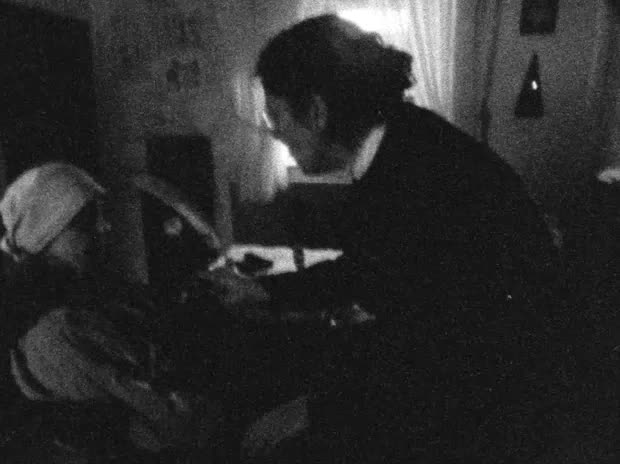
Um 1900 reist die frisch promovierte Ärztin Nerea Flores in ein Dorf, um mit einer frühen Filmkamera Patientenfälle für ein medizinstudentisches Publikum zu dokumentieren. Der Film besteht ausschließlich aus dem entstehenden Rohmaterial, inklusive Kameraarbeit und Inszenierung. Ethik bleibt im Graubereich, während sich ihre Praxis zunehmend radikalisiert. Die Distanz zwischen Filmender und Gefilmten löst sich auf, bis die Patient*innen schließlich in metaphysische Räume fliehen.
More information:
https://madek.hfg-karlsruhe.de/sets/thelen_das-was…
- (Ausschnitt)
- Beschreibung (en)
- (Excerpt)
Title: Das Wasser ist silberhell und durchsichtig und möchte unberührt sein
Director: Alexander Thelen
Year: 2026
Duration: 74 minutes
Genre: Feature film, Experimental film
Language: Deutsch
Country of Production: Deutschland
Excerpt Length: 02.55
Around 1900, Nerea Flores, a newly graduated doctor, travels from the city to a rural village to document patient cases using an early film camera for medical students. The entire film is composed of the raw material produced during this process. Ethical boundaries blur as she avoids defining her methods on camera. As pressure grows, her practice becomes increasingly intrusive, causing patients to withdraw and eventually escape into metaphysical spaces shaped by nature.
More information:
https://madek.hfg-karlsruhe.de/sets/thelen_das-was…
- (Excerpt)
- Kategorie
- Typ des Projekts/Werks
- Schlagworte
- Datierung
- 2026
- Sprache
- Untertitel (Film)
- Dauer
- 02.55
- Land
- Internetlinks
- More information:
https://madek.hfg-karlsruhe.de/sets/thelen_das-was…
- More information:
- Titel
- (Ausschnitt) Das Wasser ist silberhell und durchsichtig und möchte unberührt sein
- Studiengang
- Importiert am
- 25.04.2026
- Übergeordnete Sets
- 1
- Set enthält
- 0 1
(Ausschnitt) Captured
Name that can easily go onto 2 lines
Author that can easily go onto 2 lines as well
- Titel
- (Ausschnitt) Captured
- Titel (en)
- (Excerpt) Captured
- Autor/in
- Beschreibung (de)
- (Ausschnitt)
Titel: Captured
Genre: Musical
Regie: Knut Kuhles
Jahr: tba
Länge: 17.00
Sprache: Englisch
Produktionsland: Deutschland
Ausschnittlänge: 01.15
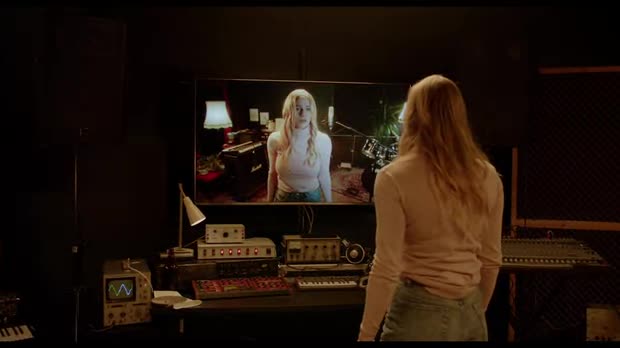
Ein düsterer, mystischer Musical-Kurzfilm über Daisy, eine junge Künstlerin auf der Suche nach Perfektion. Isoliert in einem Tonstudio analysiert sie Aufnahmen ihrer Proben und beginnt, mit ihrem Alter Ego auf dem Bildschirm zu kommunizieren. Eine bedrohliche Dynamik entsteht, während sie sich selbst rücksichtslos antreibt. Leidenschaft wird zur Obsession, bis sie die Kontrolle verliert. Als das Studio in Flammen aufgeht, tritt ihr Alter Ego aus den Trümmern hervor und verselbstständigt sich.
- (Ausschnitt)
- Beschreibung (en)
- (Excerpt)
Title: Captured
Genre: Musical
Director: Knut Kuhles
Year: TBA
Duration: 17 minutes
Language: English
Country of Production: Germany
Excerpt Length: 01.15
A dark, mystical musical short film about Daisy, a young artist striving for perfection. Isolated in a recording studio, she reviews rehearsal footage and begins communicating with her alter ego on screen. A sinister dynamic unfolds as she pushes herself beyond all limits, becoming her own ruthless coach. Passion turns into obsession, and she loses control. As the studio burns, her alter ego emerges from the ruins, taking on a life of its own.
- (Excerpt)
- Kategorie
- Typ des Projekts/Werks
- Schlagworte
- Datierung
- tba
- Sprache
- Dauer
- 01.15
- Land
- Titel
- (Ausschnitt) Captured
- Importiert am
- 25.04.2026
- Übergeordnete Sets
- 1
- Set enthält
- 0 1
Audiodateien
- Titel
- Audiodateien
- Autor/in
- Titel
- Audiodateien
- Semester
- Studiengang
- Typ der Abschlussarbeit
- Importiert am
- 21.08.2023
- Übergeordnete Sets
- 1
- Set enthält
- 0 2
A staged performance at a place no longer quiet
Name that can easily go onto 2 lines
Author that can easily go onto 2 lines as well
- Titel
- A staged performance at a place no longer quiet
- Autor/in
- Beschreibung (de)
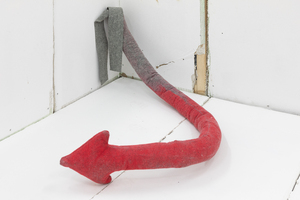
- In "a staged performance at a place no longer quiet" werden fünf klischeehafte Figuren durch Animation zum Leben erweckt und durch Requisiten in der physischen Welt mit Körpern ausgestattet. Anstatt eine Handlung zu entwickeln, bleiben sie in ihren Monologen stecken und reflektieren über ihre zugewiesenen Rollen. Die Figuren warten auf den Moment, in dem die Geschichte beginnen soll. Da das Stück jedoch nie beginnt und die klassische Struktur einer Aufführung auseinanderfällt, können die Figuren nicht in einen Dialog miteinander treten, sondern nur für sich selbst sprechen. Jeder verkörpert individuell seine Rolle und die vielen Geschichten, die mit ihm erzählt wurden. In den Rissen zwischen den Fragmenten, aus denen sie bestehen, geben alle fünf Figuren einen Einblick, wie wir Geschichten konstruieren und Zeichnungen zum Leben erwecken.
- Beschreibung (en)
- In "a staged performance at a place no longer quiet", five cliché characters are brought to life through animation and given bodies through props in the physical world. Instead of developing a plot, they remain stuck in their monologues and reflect on their assigned roles. The characters wait for the moment of a story to begin. However, as the play never begins and the classical structure of a performance falls apart, the characters cannot enter into a dialogue with each other, but only speak for themselves. Each one embodies their role individually and the many stories that have been told with them. In the cracks between the fragments of which they are made, all five characters provide an insight into how we construct stories and bring drawings to life.
- Kategorie
- Typ des Projekts/Werks
- Schlagworte
- Datierung
- 06.12.2023
- Titel
- A staged performance at a place no longer quiet
- Projektleiter/in
- Semester
- Studiengang
- Typ der Abschlussarbeit
- Importiert am
- 15.02.2024
- Übergeordnete Sets
- 3
- Set enthält
- 3 2
As beginning is to end
Name that can easily go onto 2 lines
Author that can easily go onto 2 lines as well
- Titel
- As beginning is to end
- Autor/in
- Beschreibung (de)
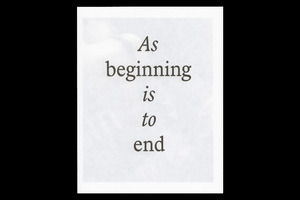
- „As beginning is to end“ beschäftigt sich mit Fotografie, Architektur, Zeitlichkeit und der Neuordnung von vorhandenem Bildmaterial. Das Projekt verbindet eine Publikation mit einer räumlichen Installation. Dafür wurden gescannte Fotografien aus bestehenden Fotobüchern zu einer offenen, filmischen Sequenz neu angeordnet. Die Fotografien werden als Fragmente eines fortlaufenden Geschehens verstanden, dessen Narrativ wiederkehrenden Motiven, Atmosphären und Blickrichtungen folgt.
Die gefundenen Fotografien zeigen ausschließlich Fragmente von privaten Innenräumen und Figuren, die sich durch diese bewegen. Die Innenräume werden dabei zu Spuren von Identitäten, Erinnerungen und Geschichten und eröffnen den intimen Blick in geschlossene Wände.
In der Publikation bestimmen die im Vollformat gedruckten Fotografien und darauf folgende weiße Doppelseiten den Rhythmus des Betrachtens. Die leeren Seiten schaffen kurze Pausen und schlagen Brücken zu dem Unwissenden. Außerdem ist der Publikation ein Text beigefügt, der den Gang durch die Fotografien leitet.
Der selbe Rhythmus wird in den Ausstellungsraum übersetzt. Die ausgewählten Fotografien wurden hier dabei stark vergrößert und immer wieder durch Leerstellen pausiert. Bei der Wahl des Ausstellungsraums war es wichtig, einen Ort zu finden, der durch seine architektonische Beschaffenheit bereits fragmentarisch Spuren und Geschichten in sich trägt. Jedes Element der Architektur ist ein Bestandteil der Übersetzung der fotografischen Szenen und lassen die Betrachtenden in diese räumlich eintreten.
- „As beginning is to end“ beschäftigt sich mit Fotografie, Architektur, Zeitlichkeit und der Neuordnung von vorhandenem Bildmaterial. Das Projekt verbindet eine Publikation mit einer räumlichen Installation. Dafür wurden gescannte Fotografien aus bestehenden Fotobüchern zu einer offenen, filmischen Sequenz neu angeordnet. Die Fotografien werden als Fragmente eines fortlaufenden Geschehens verstanden, dessen Narrativ wiederkehrenden Motiven, Atmosphären und Blickrichtungen folgt.
- Beschreibung (en)
- “As beginning is to end” explores photography, architecture, temporality, and the rearrangement of existing visual material. The project combines a publication with a spatial installation. Scanned photographs from existing photo books were rearranged to form an open, cinematic sequence.
The found photographs depict fragments of private interiors and figures moving through them. The interiors become traces of identities, memories, and stories, offering an intimate glimpse behind closed walls.
In the publication, the printed images and the following white double-page spreads determine the rhythm of viewing. The blank pages create brief pauses and build bridges to the unknown. Additionally, the publication includes a text that guides the viewer through the photographs.
The same rhythm is translated into the exhibition space. The selected photographs are greatly enlarged and repeatedly paused with blank spaces. When selecting the exhibition space, it was important to find a place whose architectural character already contains fragmentary traces and stories. Each architectural element plays a role in interpreting the photographic scenes and allows viewers to enter them spatially.
- “As beginning is to end” explores photography, architecture, temporality, and the rearrangement of existing visual material. The project combines a publication with a spatial installation. Scanned photographs from existing photo books were rearranged to form an open, cinematic sequence.
- Kategorie
- Schlagworte
- Abmessungen
- Publikation: 225mm x 290mm. Reproduktionen in der Ausstellung: ca. 3,5m x 2,5m und ca. 1,5m x 1m
- Dauer
- Dauer der Ausstellung: 3 Tage
- Titel
- As beginning is to end
- Projektleiter/in
- Semester
- Studiengang
- Typ der Abschlussarbeit
- Importiert am
- 21.07.2026
- Übergeordnete Sets
- 2
- Set enthält
- 0 2
Artists’ Television in the 80s: A Critique of Mass Media
- Titel
- Artists’ Television in the 80s: A Critique of Mass Media
- Titel (en)
- Artists’ Television in the 80s: A Critique of Mass Media
- Autor/in
- Beschreibung (de)
- Der Vortrag von Kathy Rae Huffman taucht tief in die faszinierende Geschichte des experimentellen Kabelfernsehens der 1980er Jahre ein. Im Zentrum stehen dabei die Produktionen von Künstler:innen am Long Beach Museum of Art (LBMA) – einen Hotspot für Medienkunst, der seiner Zeit weit voraus war. Huffman gewährt einen seltenen Einblick in das umfangreiche Videoarchiv des Museums, das heute vom renommierten Getty Research Institute in Los Angeles verwaltet wird. Über 5000 Videobänder – viele davon kaum jemals öffentlich gezeigt – dokumentieren eine Ära künstlerischer Freiheit und technologischer Innovation.
Als damalige Chefkuratorin des LBMA und Produzentin der visionären Kabelfernsehserie »Shared Realities« (1983–84) war Huffman selbst maßgeblich an der Gestaltung dieses außergewöhnlichen Kapitels der Medienkunst beteiligt. Ihr Vortrag bringt Archivschätze ans Licht und öffnet ein Fenster in eine kreative Pionierzeit, die noch heute nachhallt.
- Der Vortrag von Kathy Rae Huffman taucht tief in die faszinierende Geschichte des experimentellen Kabelfernsehens der 1980er Jahre ein. Im Zentrum stehen dabei die Produktionen von Künstler:innen am Long Beach Museum of Art (LBMA) – einen Hotspot für Medienkunst, der seiner Zeit weit voraus war. Huffman gewährt einen seltenen Einblick in das umfangreiche Videoarchiv des Museums, das heute vom renommierten Getty Research Institute in Los Angeles verwaltet wird. Über 5000 Videobänder – viele davon kaum jemals öffentlich gezeigt – dokumentieren eine Ära künstlerischer Freiheit und technologischer Innovation.
- Beschreibung (en)
- Kathy Rae Huffman's talk delves into the fascinating history of experimental cable television in the 1980s. At its center are the groundbreaking productions by artists at the Long Beach Museum of Art (LBMA)—a hub for media art that was well ahead of its time. Huffman offers a rare glimpse into the museum’s extensive video archive, now housed at the renowned Getty Research Institute in Los Angeles. Over 5,000 video tapes – many of which have rarely been shown publicly – document an era of artistic freedom and technological innovation.
As chief curator of LBMA from 1979 to 1984 and executive producer of the visionary cable TV series »Shared Realities« (1983–84), Huffman played a key role in shaping this extraordinary chapter in media art history. Her lecture brings archival treasures to light and opens a window into a pioneering creative era that continues to resonate today.
- Kathy Rae Huffman's talk delves into the fascinating history of experimental cable television in the 1980s. At its center are the groundbreaking productions by artists at the Long Beach Museum of Art (LBMA)—a hub for media art that was well ahead of its time. Huffman offers a rare glimpse into the museum’s extensive video archive, now housed at the renowned Getty Research Institute in Los Angeles. Over 5,000 video tapes – many of which have rarely been shown publicly – document an era of artistic freedom and technological innovation.
- Typ des Projekts/Werks
- Mitwirkende
- Ort: Institution
- Titel
- Artists’ Television in the 80s: A Critique of Mass Media
- Importiert am
- 13.05.2025
- Übergeordnete Sets
- 1
- Set enthält
- 0 0
Archive Talks V
Name that can easily go onto 2 lines
Author that can easily go onto 2 lines as well
- Titel
- Archive Talks V
- Titel (en)
- Archive Talks V
- Untertitel des Projekts/Werks (en)
- Moments of Urgency & Euphory
- Autor/in
- Beschreibung (de)
- Archive werden nicht immer mit staatlichen Mitteln und institutioneller Politik aufgebaut. Sie können auch aus Bewegungen oder aus der Initiative von Einzelpersonen hervorgehen. Der fragile und oftmals nomadische Zustand dieser Archive wirft viele Fragen auf, die in Momenten der Dringlichkeit und des Überschwangs behandelt werden müssen. Können ein autonomer Akt der Archivierung oder die Übernahme der Archive als Gemeingut eine Antwort auf diesen Moment sein?
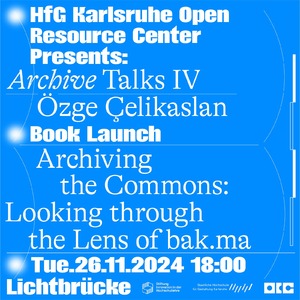
An diesem Abend haben wir Dr. Özge Çelikaslan mit ihrem neu erschienenen Buch „Archiving the Commons: Looking Through the Lens of bak.ma“ (dpr-barcelona, 2024) zu Gast, die ihre gleichnamige Dissertation an der HfG Karlsruhe begonnen und an der HBK Braunschweig abgeschlossen hat. Im Mittelpunkt des Vortrags steht ihre intensive Feldforschung zu bak.ma, einem webbasierten nomadischen Videoarchiv, das in der Türkei nach den berühmten Gezi-Protesten von 2013 initiiert wurde.
„Geschichten von Archiven sind immer Geschichten von Phantomen, vom Tod, vom Verschwinden oder von der Auslöschung von etwas, von der Bewahrung dessen, was übrig bleibt, und seinem möglichen Wiederauftauchen – von den einen gefürchtet, von den anderen ersehnt“, schreibt Thomas Keenan in seinem Vorwort zu diesem Buch.
Özge Çelikaslans visuelle und wissenschaftliche Arbeit konzentriert sich auf die Zusammenstellung von Gegenmedien-Narrativen sozialer Kämpfe, die Erforschung übersehener Bewegtbild-Artefakte und die Kartierung historischer und archivarischer Abwesenheiten durch verwaiste Bilder. Sie schloss ihre Promotion in Medienwissenschaften an der Kunsthochschule Braunschweig ab, wo sie umfangreiche Forschungen zu Archiven als Gemeingut durchführte, die in ihrer 2024 erschienenen Publikation Archiving the Commons: Looking through the Lens of bak.ma von dpr-barcelona.
Im Laufe der Jahre hat sie Testimonial-Videos, Dokumentar- und Experimentalfilme produziert, die auf verschiedenen Plattformen und Veranstaltungen gezeigt wurden, darunter die 3. Canakkale Biennale, die Transmediale 2016, die 14. und 17. Istanbul Biennale, die Seager Gallery und nGbK. Sie ist Mitbegründerin des digitalen Medienarchivs für soziale Bewegungen bak.ma und bleibt ein aktives Mitglied. Derzeit lehrt sie an der Fakultät für Gestaltung der Hochschule Mannheim und ist wissenschaftliche Mitarbeiterin am Zentrum für Kunst, Design und Sozialforschung. Außerdem ist sie Stipendiatin des Digitalstipendiums der Akademie Schloss Solitude (2024-2026), das gemeinsam mit dem Bakma Collective vergeben wird.
- Archive werden nicht immer mit staatlichen Mitteln und institutioneller Politik aufgebaut. Sie können auch aus Bewegungen oder aus der Initiative von Einzelpersonen hervorgehen. Der fragile und oftmals nomadische Zustand dieser Archive wirft viele Fragen auf, die in Momenten der Dringlichkeit und des Überschwangs behandelt werden müssen. Können ein autonomer Akt der Archivierung oder die Übernahme der Archive als Gemeingut eine Antwort auf diesen Moment sein?
- Beschreibung (en)
- Archives are not always established with state funding and institutional policy. They can also emerge from movements or from the initiative of individuals. The fragile and often nomadic state of these archives raises many questions that need to be addressed in moments of urgency and euphory. Can an autonomous act of archiving or the adoption of the archives as commons be an answer to this moment?
On this evening we have Dr. Özge Çelikaslan as our guest with her newly published book "Archiving the Commons: Looking Through the Lens of bak.ma" (dpr-barcelona, 2024), who began her dissertation of the same title at the HfG Karlsruhe and completed it at the HBK Braunschweig. The lecture will focus on her intensive field research on bak.ma, a web-based nomadic video archive that was initiated in Turkey after the famous Gezi protests of 2013.
“Stories of archives are always stories of phantoms, of the death or disappearances or erasure of something, the preservation of what remains, and its possible reappearance—feared by some, desired by others,” writes Thomas Keenan in his foreword to the book.
Özge Çelikaslan’s visual and scholarly work focuses on assembling counter-media narratives of social struggles, exploring overlooked moving image artifacts and mapping historical and archival absences through orphan images. She completed her PhD in media studies at the Braunschweig University of Art, where she conducted extensive research on archives as commons, resulting in her 2024 publication Archiving the Commons: Looking through the Lens of bak.ma by dpr-barcelona.
Over the years, she has produced testimonial videos, documentaries, and experimental films, showcased across various platforms and events including the 3rd Canakkale Biennial, Transmediale 2016, 14th and 17th Istanbul Biennials, Seager Gallery, and nGbK. Co-founder of the bak.ma digital media archive of social movements, she remains an active member. Currently, she teaches at the Hochschule Mannheim Faculty of Design and serves as a research fellow at the Center for Arts, Design and Social Research. She is also a recipient of the digital fellowship at Akademie Schloss Solitude (2024–2026), awarded together with the Bakma Collective.
- Archives are not always established with state funding and institutional policy. They can also emerge from movements or from the initiative of individuals. The fragile and often nomadic state of these archives raises many questions that need to be addressed in moments of urgency and euphory. Can an autonomous act of archiving or the adoption of the archives as commons be an answer to this moment?
- Kategorie
- Typ des Projekts/Werks
- Schlagworte
- Datierung
- 26.11.2024
- Mitwirkende
- Ort: Institution
- Bemerkungen
- Die Serie Archive Talks wird vom Open Research Center (ORC) der HfG Karlsruhe organisiert und von der Stiftung Innovation in der Hochschullehre gefördert.
- Die Serie Archive Talks wird vom Open Research Center (ORC) der HfG Karlsruhe organisiert und von der Stiftung Innovation in der Hochschullehre gefördert.
- Titel
- Archive Talks V
- Importiert am
- 22.11.2024
- Übergeordnete Sets
- 1
- Set enthält
- 0 4
Archive Talks
Name that can easily go onto 2 lines
Author that can easily go onto 2 lines as well
- Titel
- Archive Talks
- Titel (en)
- Archive Talks
- Autor/in
- Beschreibung (de)
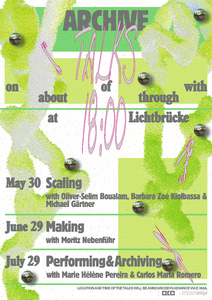
- Die Reihe Archive Talks widmet sich der Diskussion und Erarbeitung eines gemeinsamen Verständnisses von, über, mit und durch Archive(n) aus einer transdisziplinären Perspektive. Als Open Resource Center möchten wir zur Entwicklung von künstlerischen Forschungsmethoden in Bezug auf archivarische Studien und Praktiken an der HfG beitragen. Parallel zur Arbeit der studentischen Hilfskräfte, die bereits begonnen haben, die Diplom- und Projektsammlungen ihrer jeweiligen Disziplinen unter der Koordination des ORC zu digitalisieren und zu katalogisieren, wird jede Folge der Serie auf einen bestimmten Aspekt der Archivarbeit fokussieren.
ARCHIVE TALKS I: DIE HERAUSFORDERUNG SCHIERER MENGE
Oliver-Selim Boualam, Barbara Zoe Kiolbassa und Michael Gärtner
Der ORC eröffnet die Serie Archive Talks mit einem Beitrag von Oliver-Selim Boualam, Barbara Zoe Kiolbassa und Michael Gärtner, die gemeinsam an der Dokumentation der documenta fifteen gearbeitet haben, einem der größten Kunstereignisse der Welt, das ein 100-tägiges Programm von Kunstereignissen und Installationen bietet, die an vielen verschiedenen Orten in der Stadt stattfinden und verschieden Live- und zeitbasierte Formate beinhalten. Die Frage ist einfach, aber komplex: Wie geht man mit einer solchen Größenordnung um? Barbara, Michael und Oliver geben Einblicke in ihre Arbeitsmethoden und Erfahrungen und diskutieren verschiedene Strategien der Dokumentation eines extrem vielfältigen und umfangreichen Kunstprogramms.
ARCHIVE TALKS II: Machen: Strategien der Selbstarchivierung
Moritz Nebenführ
29.06.
18:00
Die vom HfG Open Resource Center präsentierte transdisziplinäre Gesprächsreihe Archive Talks widmet sich der Diskussion über die Herausforderungen der Archivforschung und -praxis. Wir setzen die Reihe am 29. Juni fort mit Moritz Nebenführ als Gast, der über Strategien künstlerischer Selbstarchivierung sprechen wird.
Ausgehend von seiner Magisterarbeit und mehrjährigen Forschung sowie Ausstellungsarbeit zu dem belgischen Künstler und Kunstlehrer Jef Geys (1934–2018) spricht HfG Alumnus Moritz Nebenführ über dessen Strategien der Selbstarchivierung. Entlang des Begriffs der
‚Information‘ in seiner diskursiven Prägung durch die Konzeptkunst werden diese Strategien anhand von ausgewählten Ausgaben des Kempens Informatieblad perspektiviert. Die Zeitung veröffentlichte der Künstler ab 1971 als Alternative zu konventionellen Katalogformaten im Selbstverlag.
ARCHIVE TALKS III: Performen & Archivieren
Marie Helen Perreira & Carlos Maria Romero alias Atabey
22.07.2023
15:00
Main Stage
Die Dokumentation und Archivierung von Aufführungspraktiken ist eine Herausforderung, da das Wesen dieser Disziplinen auf einer besonderen Zeitlichkeit und der Einzigartigkeit der Erfahrung beruht. Die Dokumentation und Archivierung von Aufführungen stehen im Konflikt mit dem Wesen dieser Praxis selbst. Das Geschehen der Performance und ihre unwiederholbare Natur stehen im Widerspruch zur fixen Identität archivierter Aufzeichnungen oder Dokumente.
Im Mittelpunkt des Gesprächs steht die ambivalente Beziehung zwischen Performance und ihrer Dokumentation und Archivierung. Das transitorische Ereignis der Performance widersetzt sich seiner dokumentarischen Identifizierung und wird dennoch von dem Versprechen des Archivs angezogen, die Erinnerung an das Transitorische zu bewahren und in die Zukunft zu transportieren.
Der dritte Teil von Archive Talks widmet sich im Rahmen der HfG-Sommerausstellung “Rundgang 2023” der Reflexion des Status und der Natur von Archiven mit Hinblick auf Performance-Praktiken. Marie Helen Perreira & Carlos Maria Romero alias Atabey kommen aus einem engagierten und situierten Umfeld, in dem Archivierungsprozesse mit komplexen Zerbrechlichkeiten konfrontiert sind. Zusammen werden sie ihren Umgang mit archivarischen Herausforderungen in Bezug auf Performance-Praktiken vorstellen.
ARCHIVE TALKS IV: A Grin Without Marker
Filipa César
02.11.2023
18:00
Lichtbrücke
Zum Antritt ihrer Professur für Zeitbasierte Medien und Performance in der Fachgruppe Medienkunst an der HfG ist Filipa César zu Gast bei Archive Talks IV. César hat sich in ihrer künstlerischen Forschung und Praxis mehr als zehn Jahre lang mit den postkolonialen Filmarchiven in Guinea-Bissau beschäftigt.
Luta ca caba inda ist ein kreolischer Ausdruck und bedeutet "Der Kampf ist noch nicht vorbei". Dies ist auch der Titel eines unvollendeten Films im Filmarchiv von Guinea, der die Fertigstellung des Films, des Kampfes und schließlich auch ihres Projekts wie mit einem Fluch belegt. Sie eigneten sich den Titel und seinen Fluch für eine Reihe von Vorführungen und diskursiven Veranstaltungen an, die dazu dienten, die Inhalte des fragmentarischen Korpus zu kanalisieren und die darin enthaltenen Konflikte aufzuspüren. Mit "sie" sind hier die guineischen Filmemacher und das Publikum gemeint, die von der ersten Katalogisierung des Materials in Bissau über die Digitalisierung in Berlin bis hin zur Teilnahme an zahlreichen Vorführungen und Diskussionen an Dutzenden von Orten in den letzten vier Jahren eine Allianz bildeten. Luta ca caba inda hat sich als eine irrelevant-respektlose Kraft gezeigt, die sagt: Ich bin nicht von gestern.
César und die guineischen Filmemacher*innen wollen die Bilder der Bevölkerung zurückgeben, der sie gehören und an die sie gerichtet sind, und zwar in einem bescheidenen Prozess der Wiederherstellung der Bilder und ihrer Archivierung. Anstelle von kultureller Aneignung oder Vermarktung geht es ihnen um die Wiederbelebung der Archive, um den Aufbau eine Kine-Verwandtschaft, wie sie der guineische Revolutionär Amílcar Cabral im Sinne hatte, als er die Filme in Auftrag gab. Archive Talks lädt die HfG-Community ein, Filipa César willkommen zu heißen und darüber zu diskutieren, wie wir von der Vergangenheit lernen und verlernen können.
ARCHIVE TALKS V: Momente der Dringlichkeit und des Überschwangs
Özge Çelikaslan
26.11.2024
18:00
Lichtbrücke
Archive werden nicht immer mit staatlichen Mitteln und institutioneller Politik aufgebaut. Sie können auch aus Bewegungen oder aus der Initiative von Einzelpersonen hervorgehen. Der fragile und oftmals nomadische Zustand dieser Archive wirft viele Fragen auf, die in Momenten der Dringlichkeit und des Überschwangs behandelt werden müssen. Können ein autonomer Akt der Archivierung oder die Übernahme der Archive als Gemeingut eine Antwort auf diesen Moment sein?
An diesem Abend haben wir Dr. Özge Çelikaslan mit ihrem neu erschienenen Buch „Archiving the Commons: Looking Through the Lens of bak.ma“ (dpr-barcelona, 2024) zu Gast, die ihre gleichnamige Dissertation an der HfG Karlsruhe begonnen und an der HBK Braunschweig abgeschlossen hat. Im Mittelpunkt des Vortrags steht ihre intensive Feldforschung zu bak.ma, einem webbasierten nomadischen Videoarchiv, das in der Türkei nach den berühmten Gezi-Protesten von 2013 initiiert wurde.
„Geschichten von Archiven sind immer Geschichten von Phantomen, vom Tod, vom Verschwinden oder von der Auslöschung von etwas, von der Bewahrung dessen, was übrig bleibt, und seinem möglichen Wiederauftauchen – von den einen gefürchtet, von den anderen ersehnt“, schreibt Thomas Keenan in seinem Vorwort zu diesem Buch.
ARCHIVE TALKS VI: E-flux Index: Archiving the Present and Indexing the Arts
George MacBeth
12.02.2025 ab 17:30 Uhr
Lichtbrücke
Seit Ende der 1990er Jahre bestimmt das Internet zunehmend unseren Alltag und verändert unsere Kommunikation, die ohne Internet kaum noch zu denken ist. Der Eintritt von e-flux in die Kunstwelt geht auf diesen Moment des „coming online“ in den späten 1990er Jahren zurück, zunächst als Plattform für die Verbreitung von Pressemitteilungen einer kuratierten Liste von Institutionen, Museen und Galerien, später als eigener Verlag - mit e-flux Journal (gegründet 2004) und e-flux Books.
Die kuratorischen und publizistischen Aktivitäten von e-flux.com haben sich seither in unzählige Richtungen verzweigt, vermitteln Diskussionen sowohl on- als auch offline und helfen, kritische Trends in Kunst und Theorie zu verfolgen und sogar zu etablieren. Inzwischen gibt es sechs regelmäßig erscheinende Publikationsreihen: e-flux journal, e-flux Architecture, e-flux Notes, e-flux Film Notes, e-flux Criticism und e-flux Education.
Beim digitalen Publizieren in diesem Umfang stellt sich die Frage, wie mit einer solchen Masse an Informationen umzugehen ist. Wie kann man die Publikationen strukturieren und dabei Parallelen zwischen den aktuellen Diskussionen in den Bereichen Kunstkritik, Architektur und Design sowie Philosophie aufzeigen?
e-flux Index ist ein Versuch, diese Frage zu beantworten. Beim Index handelt sich um eine neue vierteljährlich erscheinende Printpublikation mit dem Auftrag, die chaotischen Ströme der gegenwärtigen Diskurse zu entwirren. In jeder Ausgabe werden in Auftrag gegebene Essays, Rezensionen und Artikel aus den fünf verschiedenen e-flux-Rubriken unter neuen Fragestellungen kombiniert. Die gedruckte Ausgabe des Index erscheint nun in ihrer fünften Ausgabe und ist in ausgewählten Kunst- und Designbuchhandlungen sowie in Museen in Kanada, Ostasien, Europa, Nordamerika und dem Vereinigten Königreich erhältlich.
In dieser Veranstaltung wird der Herausgeber des e-flux Index, George MacBeth (HfG), die redaktionelle und archivarische Logik hinter diesem neuen Publikationsprojekt darstellen und aufzeigen, wie es sich in einen breiteren Kontext archivarischer Aktivitäten im Kunstbereich einfügt.
- Die Reihe Archive Talks widmet sich der Diskussion und Erarbeitung eines gemeinsamen Verständnisses von, über, mit und durch Archive(n) aus einer transdisziplinären Perspektive. Als Open Resource Center möchten wir zur Entwicklung von künstlerischen Forschungsmethoden in Bezug auf archivarische Studien und Praktiken an der HfG beitragen. Parallel zur Arbeit der studentischen Hilfskräfte, die bereits begonnen haben, die Diplom- und Projektsammlungen ihrer jeweiligen Disziplinen unter der Koordination des ORC zu digitalisieren und zu katalogisieren, wird jede Folge der Serie auf einen bestimmten Aspekt der Archivarbeit fokussieren.
- Beschreibung (en)
- Archive Talks is a series dedicated to discussing, unlearning and envisioning common understanding on, about, with and through archives from a transdisciplinary perspective. As Open Resource Center we aim to contribute to the development of artistic research methodologies in relation to archival studies and practices at HfG. Running parallel to the work of the student assistants who already started to digitize and catalog the diploma and project collections of their corresponding departments under ORC coordination, every session will focus on a particular aspect of archival work.
ARCHIVE TALKS I: THE CHALLENGE OF SCALE
Oliver-Selim Boualam, Barbara Zoé Kiolbassa and Michael Gärtner
ORC kicks off Archive Talks with Oliver-Selim Boualam, Barbara Zoé Kiolbassa and Michael Gärtner who worked together on the documentation of documenta fifteen, one of the biggest art events of the world, offering a 100-day art events and installations program taking place in many different locations throughout the city and including many live and time-based formats. The question is simple but complex: how to deal with such a scale? Barbara, Michael and Oliver will give insight into their working methods and experiences and discuss various strategies for documenting such an extremely diverse and extensive art program.
ARCHIVE TALKS II: Making: Strategies of Self-Archiving
Moritz Nebenführ
Presented by the HfG Open Resource Center, the Archive Talks series is dedicated to discussing, unlearning and envisioning common understanding on, about, with and through archives from a transdisciplinary perspective. We continue the series on June 29 with guest Moritz Nebenführ, who will talk about artistic strategies of self-archiving.
Drawing on his master thesis and several years of research and curatorial work on the Belgian artist and art educator Jef Geys (1934-2018), HfG alumnus Moritz Nebenführ will discuss Geys' strategies of self-archiving and present close readings of selected issues of the Kempens Informatieblad, a newspaper the artist self-published beginning in 1971 as an alternative to conventional catalogue formats.
ARCHIVE TALKS III: Performing & Archiving
Marie Helen Perreira & Carlos Maria Romero aka Atabey
Documenting and archiving performance practices is a challenge since the essence of these disciplines is based on a particular temporality and the uniqueness of the experience itself. Documenting and archiving performance enters in conflict with the very nature of this practice. The happening of the performance and its unrepeatable nature oppose the fixed identity of the archival record or document.
The conversation will focus on the ambivalent relationship between performance and its documentation and archiving. The transitory event of performance resists its documentary identification and yet is attracted by the archive's promise to preserve the memory of the transitory and transport it into the future.
In its third edition on the occasion of HfG’s summer exhibition “Rundgang 2023”, Archive Talks is dedicated to reflecting the state and nature of archives with regard to performance practices. Coming from engaged and situated backgrounds, where archiving occurs in complex fragilities, Marie Helen Perreira & Carlos Maria Romero aka Atabey will present their approach to dealing with archival challenges around performance practices.
ARCHIVE TALKS IV: A Grin Without Marker
Filipa César
Welcoming her professorship of Time Based Media and Performance at HfG’s Media Art department, Archive Talks IV hosts Filipa César, focusing on her decade long artistic research and practice on the post-colonial film archives at Guinea-Bissau.
Luta ca caba inda is a Creole expression which means “The struggle is not over yet”. It is also the title of an unfinished film in a Guinean film archive, thus cursing the accomplishment of the film, of the struggle for decolonisation, and eventually of their project, too. They appropriated the title and its curse for a series of screenings and dialogues aiming at channelling the contents of the fragmentary corpus and welcoming its conflicts. “They” here means the Guinean filmmakers and the crowd that built an alliance from the first cataloguing of the materials in Bissau, through the digitisation in Berlin, up to the participation in multiple screenings and discussions in dozens of locations during the past four years. Luta ca caba inda has shown itself as an irrelevant irreverent force that claims: I am not from yesterday.
In a humble process of restitution of the images and their archiving, César and the Guinean filmmakers aim to give the images back to their people. Instead of cultural appropriation or commodification through the art market, they are dedicated to the revitalization of the archives in order to build cine-kinship, as Guinean revolutionary Amílcar Cabral had in prospect when he commissioned these films. Archive Talks invites the HfG community to welcome Filipa Cesar and to discuss together how to learn and unlearn from the past.
ARCHIVE TALKS V: Moments of Urgency and Euphory
Özge Çelikaslan
Archives are not always established with state funding and institutional policy. They can also emerge from movements or from the initiative of individuals. The fragile and often nomadic state of these archives raises many questions that need to be addressed in moments of urgency and euphory. Can an autonomous act of archiving or the adoption of the archives as commons be an answer to this moment?
On this evening we have Dr. Özge Çelikaslan as our guest with her newly published book "Archiving the Commons: Looking Through the Lens of bak.ma" (dpr-barcelona, 2024), who began her dissertation of the same title at the HfG Karlsruhe and completed it at the HBK Braunschweig. The lecture will focus on her intensive field research on bak.ma, a web-based nomadic video archive that was initiated in Turkey after the famous Gezi protests of 2013.
“Stories of archives are always stories of phantoms, of the death or disappearances or erasure of something, the preservation of what remains, and its possible reappearance—feared by some, desired by others,” writes Thomas Keenan in his foreword to the book.
ARCHIVE TALKS VI: E-flux Index: Archiving the Present and Indexing the Arts
George MacBeth
Since the late 1990s, the Internet has increasingly dominated our everyday lives and restructured how we communicate with one another. Today it’s almost impossible to think without it. The entrance of e-flux to the art world also dates back to this moment of “coming online” in the late 1990s, first as a platform for distributing press releases from a curated list of institutions, museums, and galleries, and later as a publisher in its own right—through the e-flux Journal (established in 2004) and e-flux Books.
The curatorial and publishing activities of e-flux.com have since branched out in innumerable directions, mediating discussions both on- and offline and helping to track and even establish critical trends in art and theory. It now has 6 regular commissioned publishing strands: e-flux journal, e-flux Architecture, e-flux Notes, e-flux Film Notes, e-flux Criticism, and e-flux Education.
One question raised by digital publishing at this sheer volume is how to deal with such a mass of information? How to structure it and help draw out parallels across current discussants in art criticism, architecture and design, and philosophy?
The e-flux Index is one attempt at answering these questions. It is a new quarterly print publication that sets itself the task of untangling the mess of the contemporary. Now in its fifth issue, Each issue of the Index recombines commissioned essays, reviews, and articles drawn from the five separate e-flux sections to draw out new strains of inquiry. The printed edition of the Index is available in select art and design bookstores, as well as museums, throughout Canada, East Asia, Europe, North America, and the United Kingdom.
In this event the editor of the e-flux Index, George MacBeth (HfG), will share the editorial and archival logic behind this new publishing venture, and how it fits into a broader constellation of archival activities in the arts.
- Archive Talks is a series dedicated to discussing, unlearning and envisioning common understanding on, about, with and through archives from a transdisciplinary perspective. As Open Resource Center we aim to contribute to the development of artistic research methodologies in relation to archival studies and practices at HfG. Running parallel to the work of the student assistants who already started to digitize and catalog the diploma and project collections of their corresponding departments under ORC coordination, every session will focus on a particular aspect of archival work.
- Ort: Institution
- Titel
- Archive Talks
- Importiert am
- 17.04.2024
- Übergeordnete Sets
- 1
- Set enthält
- 1 1
Aqua Logistik
Name that can easily go onto 2 lines
Author that can easily go onto 2 lines as well
- Titel
- Aqua Logistik
- Titel (en)
- Aqua logistics
- Autor/in
- Beschreibung (de)
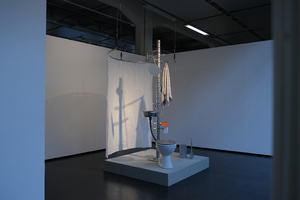
- Aqua Logistik ist ein Konzept für ein alternatives Badezimmer. Im Mittelpunkt des Entwurfs steht eine Säule, die gleichzeitig als Wasserverteilungssystem dient. Durch das Einsetzen von Komponenten in die perforierte Säule können die Nutzer das Bad nach ihren Bedürfnissen gestalten. Durch die Vereinfachung und Minimierung des Wassermanagements fördert das System einen direkteren Umgang mit der wertvollen Ressource Wasser.
Der modulare Aufbau ermutigt zu unterschiedlichen Reinigungsroutinen und lädt dazu ein, die Gewohnheiten im Bad zu überdenken - und fördert so einen intelligenteren Umgang mit Wasser im privaten Bereich. Die Grundlage für dieses Konzept bildet eine selbst durchgeführte Untersuchung und Umfrage, die in einer Publikation mit dem Titel veröffentlicht wurde: „May I ask you some Questions about your Bathroom usage“.
- Aqua Logistik ist ein Konzept für ein alternatives Badezimmer. Im Mittelpunkt des Entwurfs steht eine Säule, die gleichzeitig als Wasserverteilungssystem dient. Durch das Einsetzen von Komponenten in die perforierte Säule können die Nutzer das Bad nach ihren Bedürfnissen gestalten. Durch die Vereinfachung und Minimierung des Wassermanagements fördert das System einen direkteren Umgang mit der wertvollen Ressource Wasser.
- Beschreibung (en)
- Aqua Logistics is a concept for an alternative bathroom. The design centers around a column that also serves as the water distribution system. By inserting components into the perforated column, users can customize the bathroom according to their needs. By simplifying and minimizing water management, the system fosters a more direct relationship with the valuable resource of water.
The modular setup encourages diverse cleaning routines and invites a rethinking of bathroom habits—ultimately promoting more intelligent water usage in private spaces. The base for this concepts relies on a self conducted research and survey, published in a book called: “May I ask you some Questions about your Bathroom usage“.
- Aqua Logistics is a concept for an alternative bathroom. The design centers around a column that also serves as the water distribution system. By inserting components into the perforated column, users can customize the bathroom according to their needs. By simplifying and minimizing water management, the system fosters a more direct relationship with the valuable resource of water.
- Kategorie
- Typ des Projekts/Werks
- Schlagworte
- Datierung
- 30.04.2025
- Mitwirkende
- Dank an
- Johannes Bauer
- Patricia Capalija
- Athina Chrisofakis
- Lukas Clark
- Lukas Dechau
- Fabian Düss
- Rustam Faradzev
- Hannes Holstein
- Chris Kabel
- Tobias Keilbach
- Alexander Knoppik
- Mikail Kolbasar
- Julian Kuf
- Stefan Legner
- Anouk Merceron
- Tim Miler
- Lea Möscheid
- Francesco Perale
- Jana Renger
- Sebastian Schäfer
- Sebastian Schilbach
- Susanne Schmitt
- Marlon Schüch
- Wieki Somers
- Yannik Thamm
- Thomas Traxler
- Leonard Wille
- Levi Zimmermann
- Material
- Abmessungen
- Breite: 150cm, Länge: 150cm, Höhe 220 cm
- Ort: Institution
- Ort
- Lichtbrücke
- Stadt
- Land
- Titel
- Aqua Logistik
- Projektleiter/in
- Semester
- Studiengang
- Typ der Abschlussarbeit
- Importiert am
- 16.06.2025
- Übergeordnete Sets
- 1
- Set enthält
- 0 16
approx. 3km, as the crow flies, from the Schauinsland Peak.
Name that can easily go onto 2 lines
Author that can easily go onto 2 lines as well
- Titel
- approx. 3km, as the crow flies, from the Schauinsland Peak.
- Autor/in
- Beschreibung (de)
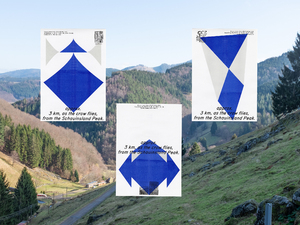
- "approx., 3km, as the crow flies, from the Schauinsland Peak." ist ein Zitat aus der Wegbeschreibung zum Zentralen Bergungsort der Bundesrepublik Deutschland (ZBO) aus dem Internationalen Register der Kulturgüter unter besonderem Schutz der UNESCO. Die Wegbeschreibung führt zum Barbarastollen, einem ehemaligen Erzbergbaustollen im Hintertal, nahe der Gemeinde Oberried im Schwarzwald.
Die Ausstellung versammelt Material in verschiedenen Formen, die den Barbarastollen und damit verbundene Aspekte erforschen. Anhand von Artefakten, die bei mehreren Besuchen im und um den Stollen herum gefunden wurden – Fotos, Geschichten, Zeitungsartikeln, E-Mails, Archivdokumenten, Ton- und Videoaufnahmen –, untersucht die Ausstellung, wie das Archiv im Stollen funktioniert und warum es noch existiert.
Themen wie Sicherheit, atomare Bedrohung, Hierarchien in der Archivauswahl, Langzeitbotschaften, Atomsemiotik, Friedensbewegung in Süddeutschland in den 80er Jahren werden verhandelt. Durch die Zusammenführung verschiedener Perspektiven auf die Idee eines zentralen Bergungsortes wurde ein Raum geschaffen, der die Besucher dazu anregt, sich kritisch mit den angesprochenen Themen auseinanderzusetzen.
- "approx., 3km, as the crow flies, from the Schauinsland Peak." ist ein Zitat aus der Wegbeschreibung zum Zentralen Bergungsort der Bundesrepublik Deutschland (ZBO) aus dem Internationalen Register der Kulturgüter unter besonderem Schutz der UNESCO. Die Wegbeschreibung führt zum Barbarastollen, einem ehemaligen Erzbergbaustollen im Hintertal, nahe der Gemeinde Oberried im Schwarzwald.
- Beschreibung (en)
- "approx., 3km, as the crow flies, from the Schauinsland Peak." is a quote from the route description to the Central Salvation Site of the Federal Republic of Germany (ZBO) from the UNESCO International Register of Cultural Property under Special Protection. The route description leads to Barbarastollen, a former ore mining tunnel in Hintertal, near the municipality of Oberried in the Black Forest.
The exhibition is gathering material of different forms researching the site of the Barbarastollen. Through several site visits inside and around the mine, photographs, stories, newspaper articles, e-mails, archival documents, sound recordings and videos investigate on how the archive works and why it still exists touching on topics of safety, nuclear threat, hierarchies in archive selections, long-time messages, atom semiotics, the peace- movement in south Germany in the 80s.
Through bringing together different perspectives on the idea of the central Salvation Site a room was created to encourage visitors to critically from their own idea on the topics addressed.
- "approx., 3km, as the crow flies, from the Schauinsland Peak." is a quote from the route description to the Central Salvation Site of the Federal Republic of Germany (ZBO) from the UNESCO International Register of Cultural Property under Special Protection. The route description leads to Barbarastollen, a former ore mining tunnel in Hintertal, near the municipality of Oberried in the Black Forest.
- Kategorie
- Typ des Projekts/Werks
- Schlagworte
- Datierung
- 05.07.2024
- Mitwirkende
- Sprache
- Material
- Ort: Institution
- Ort
- Großes Studio
- Stadt
- Land
- Titel
- approx. 3km, as the crow flies, from the Schauinsland Peak.
- Projektleiter/in
- Semester
- Studiengang
- Typ der Abschlussarbeit
- Importiert am
- 04.11.2024
- Übergeordnete Sets
- 3
- Set enthält
- 0 19