"Staatliche Hochschule für Gestaltung (HfG) Karlsruhe"
| Begriff | Staatliche Hochschule für Gestaltung (HfG) Karlsruhe |
| Metakey | Ort: Institution (creative_work:location_institution) |
| Typ | Keyword |
| Vokabular | Werk |
636 Inhalte
- Seite 1 von 53
Die Erfahrung des digitalen Spiels
Name that can easily go onto 2 lines
Author that can easily go onto 2 lines as well
- Titel
- Die Erfahrung des digitalen Spiels
- Untertitel
- Eine Philosophie des algrotithmischen Mediums
- Autor/in
- Beschreibung (de)
- „Jede Generation hat ein eigenen Zugang zu der ästhetischen Erfahrung, und für die des 21. Jahrhunderts stellt das Computerspiel ein zentrales Initiationsmedium hierzu dar. Es scheint sich im allgemeinen Bewusstsein mehr und mehr die Überzeugung durchzusetzen, dass Computerspiele als Leitmedium des 21. Jahrhunderts die Rolle des Films und des Kinos als Leitmedien des 20. Jahrhunderts übernehmen. Nicht nur sind historisch betrachtet Videospiele als Vorläufer der Medienkunst zu verstehen, sie stellen auch als zeitgenössische Phänomen zentrale Errungenschaften der Medienkunst in Form eines Massenmedium dar.”
„Das Internet hat uns gelehrt, dass wir in Systemen leben, in welchen wir arbeiten und lernen. Spiele basieren auf Systemen und in einem Spiel sich zu bewegen bedeutet, sich im System zu bewegen. In einer Zeit, in der das komplexe Funktionieren von ineinander greifenden Systemen nicht mehr durch eindimensionale Denkleistung begriffen werden kann, bieten die medialen Künste ein Denk- und Handlungsmodell an, dass nicht nur von Repräsentationen und direkten Bezügen geleitet wird, sondern ein größere Sensibilität gegenüber komplexeren Parametern und Variabilitäten anbietet.”
- „Jede Generation hat ein eigenen Zugang zu der ästhetischen Erfahrung, und für die des 21. Jahrhunderts stellt das Computerspiel ein zentrales Initiationsmedium hierzu dar. Es scheint sich im allgemeinen Bewusstsein mehr und mehr die Überzeugung durchzusetzen, dass Computerspiele als Leitmedium des 21. Jahrhunderts die Rolle des Films und des Kinos als Leitmedien des 20. Jahrhunderts übernehmen. Nicht nur sind historisch betrachtet Videospiele als Vorläufer der Medienkunst zu verstehen, sie stellen auch als zeitgenössische Phänomen zentrale Errungenschaften der Medienkunst in Form eines Massenmedium dar.”
- Beschreibung (en)
- "Every generation has its own approach to the aesthetic experience and for those of the 21st century, the computer game represents a central initiation medium for this. There seems to be a growing conviction in the general consciousness that computer games, as the leading medium of the 21st century, are taking over the role of film and cinema as the leading media of the 20th century. Not only can video games be seen historically as precursors of media art, they also represent central achievements of media art in the form of a mass medium as a contemporary phenomenon.
"The Internet has taught us that we live in systems in which we work and learn. Games are based on systems and to move in a game means to move in the system. At a time when the complex functioning of interlocking systems can no longer be understood through one-dimensional thinking, the media arts offer a model of thought and action that is not only guided by representations and direct references, but offers a greater sensitivity to more complex parameters and variabilities."
- "Every generation has its own approach to the aesthetic experience and for those of the 21st century, the computer game represents a central initiation medium for this. There seems to be a growing conviction in the general consciousness that computer games, as the leading medium of the 21st century, are taking over the role of film and cinema as the leading media of the 20th century. Not only can video games be seen historically as precursors of media art, they also represent central achievements of media art in the form of a mass medium as a contemporary phenomenon.
- Kategorie
- Schlagworte
- Datierung
- 06.07.2010
- Sprache
- Ort: Institution
- Titel
- Die Erfahrung des digitalen Spiels
- Untertitel
- Eine Philosophie des algrotithmischen Mediums
- Urheberrechtshinweis
- Adam Rafinksi
- Rechtsschutz/Lizenz
- Freigabe Nutzung HfG
- Medienersteller/in
- Medien-Beschreibung
- geschwärzte Version / censored Version
- Projektleiter/in
- Studiengang
- Typ der Abschlussarbeit
- Archiv-Signatur
- HfG HS 2010 07
- Externes Archiv
- Importiert am
- 19.02.2025
- Übergeordnete Sets
- 1
Design Paper
Name that can easily go onto 2 lines
Author that can easily go onto 2 lines as well
- Titel
- Design Paper
- Titel (en)
- About Fighting the Fear (of the World)
- Autor/in
- Beschreibung (de)
- "Über das Bekämpfen der Angst (vor der Welt)" ist eine spekulative Videoarbeit, die ein Spektrum von Phänomenen rund um Karten, Angst, Krieg, Reisen und den Körper abdeckt, wobei der Schwerpunkt auf der Praxis der Kartierung als Instrument zur Unterdrückung und Kontrolle von Land und Menschen liegt. Das Video versucht, einen Rahmen für das Thema zu schaffen, indem es viele verschiedene Geschichten zu einem Cluster zusammenführt, der vielleicht nicht repräsentativ ist, aber einige Teile des Themas beleuchtet. Ästhetisch und strukturell ist das Video von Rollenspielen, der Pre-Vis-Technik (die in Filmproduktionen verwendet wird) und Found Footage inspiriert. Das Szenario ist in einer fernen Zukunft angesiedelt, in der Klimawandel und Massenaussterben längst ihre Auswirkungen gezeigt haben und die Bestien, die vor der großen Kolonisierung über das Unbekannte wachten, zurückgekehrt sind. In der Rolle der Hauptfigur sucht der Zuschauer, angeleitet von einem Erzähler, nach Überresten der alten Welt, um zu verstehen, warum alles kartiert werden musste.
- Beschreibung (en)
- "About Fighting the Fear (of the World)" is a speculative video work that covers a spectrum of phenomena around maps, fear, war, traveling, and the body, with a focus on the practice of mapping as a tool to oppress and control land and people. The video attempts to frame the issue by bringing together many different stories to create a cluster that may not be representative but illuminates some parts of the issue. Aesthetically and structurally, the video is inspired by role-playing games, pre-vis technique (used in film productions), and found footage. The scenario is set in a distant future in which climate change and mass extinction have long since had an impact and beasts that used to watch over the unknown before the big colonization have returned. As the main character, the viewer searches for remnants of the old world, guided by a narrator, in order to understand why everything had to be mapped.
- Typ des Projekts/Werks
- Schlagworte
- Datierung
- 22.02.2024
- Mitwirkende
- Dank an
- Sprache
- Untertitel (Film)
- Material
- Technik/Verfahren/Formate
- MP4
- Abmessungen
- 2500 x 1080 px
- Dauer
- 26 min
- Ort: Institution
- Ort
- Werkschau und Diplominstallation in Raum 222, Video-Screening im Kino im Blauen Salon
- Stadt
- Land
- Titel
- Design Paper
- Urheberrechtshinweis
- Janosch Bela Kratz
- Freigabe Nutzung HfG
- Beziehung/Funktion
- Medien-Beschreibung
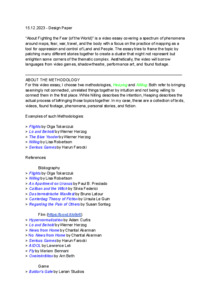
- Design Paper für die Organisation des Projekts.
- Medien-Beschreibung (en)
- Design paper for the organization of the project.
- Projektleiter/in
- Semester
- Studiengang
- Typ der Abschlussarbeit
- Importiert am
- 28.02.2024
- Übergeordnete Sets
- 1
Der Ohwie (darkstar)
Name that can easily go onto 2 lines
Author that can easily go onto 2 lines as well
- Titel
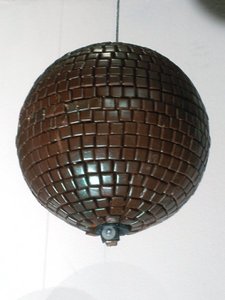
- Der Ohwie (darkstar)
- Autor/in
- Datierung
- WS 2004
- Ort: Institution
- Ort
- Hochschule für Gestaltung Karlsruhe
- Stadt
- Land
- Titel
- Der Ohwie (darkstar)
- Urheberrechtshinweis
- Jessica C. Kleffner & Steffen Oestreich
- Semester
- Importiert am
- 03.07.2018
- Übergeordnete Sets
- 1
Deckblatt Mythos Großstadt
Name that can easily go onto 2 lines
Author that can easily go onto 2 lines as well
- Titel
- Deckblatt Mythos Großstadt
- Autor/in
- Kategorie
- Schlagworte
- Datierung
- 14.07.2003
- Sprache
- Ort: Institution
- Titel
- Deckblatt Mythos Großstadt
- Urheberrechtshinweis
- © Daphne Noee
- Rechtsschutz/Lizenz
- Medienersteller/in
- Beziehung/Funktion
- Projektleiter/in
- Semester
- Studiengang
- Typ der Abschlussarbeit
- Archiv-Signatur
- HfG HS 2003 02
- Externes Archiv
- Importiert am
- 04.10.2024
- Übergeordnete Sets
- 1
Deckblatt Excreta Fluxorum - Theatrum Instumentorum
Name that can easily go onto 2 lines
Author that can easily go onto 2 lines as well
- Titel
- Deckblatt Excreta Fluxorum - Theatrum Instumentorum
- Autor/in
- Kategorie
- Datierung
- März 1999
- Sprache
- Ort: Institution
- Titel
- Deckblatt Excreta Fluxorum - Theatrum Instumentorum
- Urheberrechtshinweis
- Christoph Keller
- Rechtsschutz/Lizenz
- Medienersteller/in
- Beziehung/Funktion
- Projektleiter/in
- Semester
- Studiengang
- Typ der Abschlussarbeit
- Archiv-Signatur
- HfG HS 1999 01
- Externes Archiv
- Importiert am
- 04.10.2024
- Übergeordnete Sets
- 1
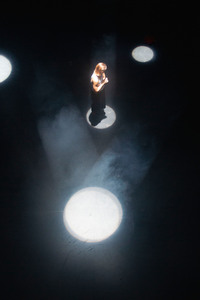
Das kalte Herz
Name that can easily go onto 2 lines
Author that can easily go onto 2 lines as well
- Titel
- Das kalte Herz
- Autor/in
- Kategorie
- Typ des Projekts/Werks
- Schlagworte
- Datierung
- 10.12.2019
- Ort: Institution
- Ort
- Großes Studio
- Stadt
- Land
- Titel
- Das kalte Herz
- Urheberrechtshinweis
- © Emily Ortlepp
- Rechtsschutz/Lizenz
- Freigabe Nutzung HfG
- Beziehung/Funktion
- Semester
- Studiengang
- Typ der Abschlussarbeit
- Importiert am
- 19.06.2024
- Übergeordnete Sets
- 1
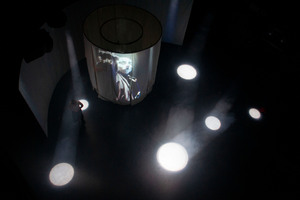
Das kalte Herz
Name that can easily go onto 2 lines
Author that can easily go onto 2 lines as well
- Titel
- Das kalte Herz
- Autor/in
- Kategorie
- Typ des Projekts/Werks
- Schlagworte
- Datierung
- 10.12.2019
- Ort: Institution
- Ort
- Großes Studio
- Stadt
- Land
- Titel
- Das kalte Herz
- Urheberrechtshinweis
- © Emily Ortlepp
- Rechtsschutz/Lizenz
- Freigabe Nutzung HfG
- Beziehung/Funktion
- Semester
- Studiengang
- Typ der Abschlussarbeit
- Importiert am
- 19.06.2024
- Übergeordnete Sets
- 1
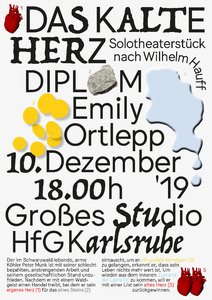
Das kalte Herz
Name that can easily go onto 2 lines
Author that can easily go onto 2 lines as well
- Titel
- Das kalte Herz
- Autor/in
- Kategorie
- Typ des Projekts/Werks
- Schlagworte
- Datierung
- 10.12.2019
- Ort: Institution
- Ort
- Großes Studio
- Stadt
- Land
- Titel
- Das kalte Herz
- Urheberrechtshinweis
- © Emily Ortlepp
- Rechtsschutz/Lizenz
- Freigabe Nutzung HfG
- Beziehung/Funktion
- Semester
- Studiengang
- Typ der Abschlussarbeit
- Importiert am
- 19.06.2024
- Übergeordnete Sets
- 1
Das kalte Herz
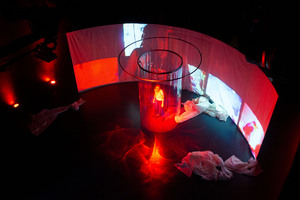
Name that can easily go onto 2 lines
Author that can easily go onto 2 lines as well
- Titel
- Das kalte Herz
- Autor/in
- Kategorie
- Typ des Projekts/Werks
- Schlagworte
- Datierung
- 10.12.2019
- Ort: Institution
- Ort
- Großes Studio
- Stadt
- Land
- Titel
- Das kalte Herz
- Urheberrechtshinweis
- © Emily Ortlepp
- Rechtsschutz/Lizenz
- Freigabe Nutzung HfG
- Beziehung/Funktion
- Semester
- Studiengang
- Typ der Abschlussarbeit
- Importiert am
- 19.06.2024
- Übergeordnete Sets
- 1
Das kalte Herz
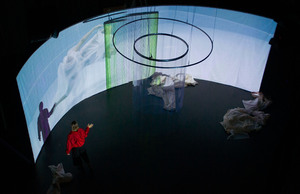
Name that can easily go onto 2 lines
Author that can easily go onto 2 lines as well
- Titel
- Das kalte Herz
- Autor/in
- Kategorie
- Typ des Projekts/Werks
- Schlagworte
- Datierung
- 10.12.2019
- Ort: Institution
- Ort
- Großes Studio
- Stadt
- Land
- Titel
- Das kalte Herz
- Urheberrechtshinweis
- © Emily Ortlepp
- Rechtsschutz/Lizenz
- Freigabe Nutzung HfG
- Beziehung/Funktion
- Semester
- Studiengang
- Typ der Abschlussarbeit
- Importiert am
- 19.06.2024
- Übergeordnete Sets
- 1
Critical Zones
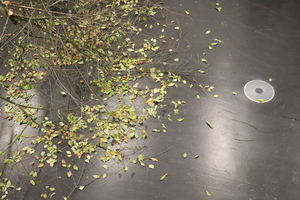
Name that can easily go onto 2 lines
Author that can easily go onto 2 lines as well
- Titel
- Critical Zones
- Titel (en)
- Critical Zones
- Autor/in
- Beschreibung (de)
- “Critical Zones”: Developing concepts and approaches for grasping the New Climatic Regime (Bruno Latour), that is the transformations in the relations of humans to their “terrestrial” conditions of existence. – The seminar series of Bruno Latour at HfG analyses these transformations as epistemic breaks and shifts of knowledge by drawing an analogy to the scientific revolution in the 17th century, where, after a crisis of former sound knowledge, new epistemic systems, representations and narrations in art, science, and religion had to be constructed and reintegrated into new dispositifs of knowledge. The project tackles an important aesthetic question, which overpasses simple forms of illustration of knowledge: How central is the imaginary capacity of the arts in constructing representations and narrations that are depictions and “generators” of new knowledge systems and therefore vital means of cultural change?
The exhibition at HfG in November will display some preliminary results of the projects developed by the seminar participants. It presents an opportunity to discuss – in a mode of work-in-progress – research questions, aesthetic approaches and epistemic experiments with colleagues and students of HfG and ZKM.
Opening: Nov 7, 19:00; duration: Nov 8, 10:00-19:00, Nov 9, 10:00-15:00
HfG, mittlere Lichtbrücke
- “Critical Zones”: Developing concepts and approaches for grasping the New Climatic Regime (Bruno Latour), that is the transformations in the relations of humans to their “terrestrial” conditions of existence. – The seminar series of Bruno Latour at HfG analyses these transformations as epistemic breaks and shifts of knowledge by drawing an analogy to the scientific revolution in the 17th century, where, after a crisis of former sound knowledge, new epistemic systems, representations and narrations in art, science, and religion had to be constructed and reintegrated into new dispositifs of knowledge. The project tackles an important aesthetic question, which overpasses simple forms of illustration of knowledge: How central is the imaginary capacity of the arts in constructing representations and narrations that are depictions and “generators” of new knowledge systems and therefore vital means of cultural change?
- Beschreibung (en)
- “Critical Zones”: Developing concepts and approaches for grasping the New Climatic Regime (Bruno Latour), that is the transformations in the relations of humans to their “terrestrial” conditions of existence. – The seminar series of Bruno Latour at HfG analyses these transformations as epistemic breaks and shifts of knowledge by drawing an analogy to the scientific revolution in the 17th century, where, after a crisis of former sound knowledge, new epistemic systems, representations and narrations in art, science, and religion had to be constructed and reintegrated into new dispositifs of knowledge. The project tackles an important aesthetic question, which overpasses simple forms of illustration of knowledge: How central is the imaginary capacity of the arts in constructing representations and narrations that are depictions and “generators” of new knowledge systems and therefore vital means of cultural change?
The exhibition at HfG in November will display some preliminary results of the projects developed by the seminar participants. It presents an opportunity to discuss – in a mode of work-in-progress – research questions, aesthetic approaches and epistemic experiments with colleagues and students of HfG and ZKM.
Opening: Nov 7, 19:00; duration: Nov 8, 10:00-19:00, Nov 9, 10:00-15:00
HfG, mittlere Lichtbrücke
- “Critical Zones”: Developing concepts and approaches for grasping the New Climatic Regime (Bruno Latour), that is the transformations in the relations of humans to their “terrestrial” conditions of existence. – The seminar series of Bruno Latour at HfG analyses these transformations as epistemic breaks and shifts of knowledge by drawing an analogy to the scientific revolution in the 17th century, where, after a crisis of former sound knowledge, new epistemic systems, representations and narrations in art, science, and religion had to be constructed and reintegrated into new dispositifs of knowledge. The project tackles an important aesthetic question, which overpasses simple forms of illustration of knowledge: How central is the imaginary capacity of the arts in constructing representations and narrations that are depictions and “generators” of new knowledge systems and therefore vital means of cultural change?
- Typ des Projekts/Werks
- Schlagworte
- Datierung
- 07.11.2018 - 09.11.2018
- Mitwirkende
- Ort: Institution
- Ort
- mittlere Lichtbrücke
- Stadt
- Land
- Beteiligte Institution(en)
- Titel
- Critical Zones
- Titel (en)
- Critical Zones
- Urheberrechtshinweis
- Hochschule für Gestaltung Karlsruhe
- Rechtsschutz/Lizenz
- Freigabe Nutzung HfG
- Projektleiter/in
- Semester
- Importiert am
- 10.01.2019
- Übergeordnete Sets
- 1
Critical Zones
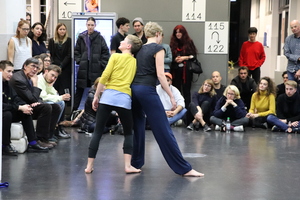
Name that can easily go onto 2 lines
Author that can easily go onto 2 lines as well
- Titel
- Critical Zones
- Titel (en)
- Critical Zones
- Autor/in
- Beschreibung (de)
- “Critical Zones”: Developing concepts and approaches for grasping the New Climatic Regime (Bruno Latour), that is the transformations in the relations of humans to their “terrestrial” conditions of existence. – The seminar series of Bruno Latour at HfG analyses these transformations as epistemic breaks and shifts of knowledge by drawing an analogy to the scientific revolution in the 17th century, where, after a crisis of former sound knowledge, new epistemic systems, representations and narrations in art, science, and religion had to be constructed and reintegrated into new dispositifs of knowledge. The project tackles an important aesthetic question, which overpasses simple forms of illustration of knowledge: How central is the imaginary capacity of the arts in constructing representations and narrations that are depictions and “generators” of new knowledge systems and therefore vital means of cultural change?
The exhibition at HfG in November will display some preliminary results of the projects developed by the seminar participants. It presents an opportunity to discuss – in a mode of work-in-progress – research questions, aesthetic approaches and epistemic experiments with colleagues and students of HfG and ZKM.
Opening: Nov 7, 19:00; duration: Nov 8, 10:00-19:00, Nov 9, 10:00-15:00
HfG, mittlere Lichtbrücke
- “Critical Zones”: Developing concepts and approaches for grasping the New Climatic Regime (Bruno Latour), that is the transformations in the relations of humans to their “terrestrial” conditions of existence. – The seminar series of Bruno Latour at HfG analyses these transformations as epistemic breaks and shifts of knowledge by drawing an analogy to the scientific revolution in the 17th century, where, after a crisis of former sound knowledge, new epistemic systems, representations and narrations in art, science, and religion had to be constructed and reintegrated into new dispositifs of knowledge. The project tackles an important aesthetic question, which overpasses simple forms of illustration of knowledge: How central is the imaginary capacity of the arts in constructing representations and narrations that are depictions and “generators” of new knowledge systems and therefore vital means of cultural change?
- Beschreibung (en)
- “Critical Zones”: Developing concepts and approaches for grasping the New Climatic Regime (Bruno Latour), that is the transformations in the relations of humans to their “terrestrial” conditions of existence. – The seminar series of Bruno Latour at HfG analyses these transformations as epistemic breaks and shifts of knowledge by drawing an analogy to the scientific revolution in the 17th century, where, after a crisis of former sound knowledge, new epistemic systems, representations and narrations in art, science, and religion had to be constructed and reintegrated into new dispositifs of knowledge. The project tackles an important aesthetic question, which overpasses simple forms of illustration of knowledge: How central is the imaginary capacity of the arts in constructing representations and narrations that are depictions and “generators” of new knowledge systems and therefore vital means of cultural change?
The exhibition at HfG in November will display some preliminary results of the projects developed by the seminar participants. It presents an opportunity to discuss – in a mode of work-in-progress – research questions, aesthetic approaches and epistemic experiments with colleagues and students of HfG and ZKM.
Opening: Nov 7, 19:00; duration: Nov 8, 10:00-19:00, Nov 9, 10:00-15:00
HfG, mittlere Lichtbrücke
- “Critical Zones”: Developing concepts and approaches for grasping the New Climatic Regime (Bruno Latour), that is the transformations in the relations of humans to their “terrestrial” conditions of existence. – The seminar series of Bruno Latour at HfG analyses these transformations as epistemic breaks and shifts of knowledge by drawing an analogy to the scientific revolution in the 17th century, where, after a crisis of former sound knowledge, new epistemic systems, representations and narrations in art, science, and religion had to be constructed and reintegrated into new dispositifs of knowledge. The project tackles an important aesthetic question, which overpasses simple forms of illustration of knowledge: How central is the imaginary capacity of the arts in constructing representations and narrations that are depictions and “generators” of new knowledge systems and therefore vital means of cultural change?
- Typ des Projekts/Werks
- Schlagworte
- Datierung
- 07.11.2018 - 09.11.2018
- Mitwirkende
- Ort: Institution
- Ort
- mittlere Lichtbrücke
- Stadt
- Land
- Beteiligte Institution(en)
- Titel
- Critical Zones
- Titel (en)
- Critical Zones
- Urheberrechtshinweis
- Hochschule für Gestaltung Karlsruhe
- Rechtsschutz/Lizenz
- Freigabe Nutzung HfG
- Projektleiter/in
- Semester
- Importiert am
- 10.01.2019
- Übergeordnete Sets
- 1