Sets
444 Inhalte
- Seite 1 von 37
Blast or Bless 2024/2025
Name that can easily go onto 2 lines
Author that can easily go onto 2 lines as well
- Titel
- Blast or Bless 2024/2025
- Titel (en)
- Blast or Bless 2024/2025
- Untertitel
- Eine Einführung in den Siebdruck
- Untertitel des Projekts/Werks (en)
- An introduction into screen printing
- Beschreibung (de)
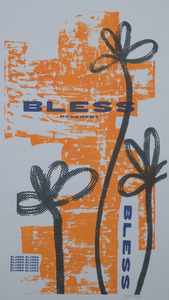
- Inspiriert vom Manifest des Vortizismus "Blast!" kreieren Studierende ein experimentelles, grafisches Poster als Teil des Siebdruck-Grundlagenkurses an der HfG. Während des viertägigen Kurses, der die praktischen und theoretischen Grundlagen der Druckvorstufe und des Siebdruckes an die Studierenden vermittelt, lernen Studierende über die historische und kunstgeschichtliche Entwicklung des Druckverfahrens und wie sie mit Ölkreide und Papierschablonen erste, experimentelle Siebe mit kleinem Budget herstellen können. Des Weiteren erfahren Studierende, wie sie ihre Motive und die Siebe vorbereiten, um sie fotografisch zu entwickeln, wie sie mit wasserbasierten Farben umgehen, die Drucktische einrichten, um die unterschiedlichen Ebenen ihres mehrfarbigen Posters zu registrieren und wie sie die Siebdruckrahmen im Anschluss entschichten.
- Beschreibung (en)
- Inspired by the "Blast!" Manifestos of Vorticism, students create an experimental, graphic poster as part of the screen printing foundation course at the HfG. During the four-day course, which teaches students the practical and theoretical basics of prepress and screen printing, students learn about the historical and art-historical development of the printing process and how they can use oil pastels and paper stencils to produce their first experimental screens on a small budget. Furthermore, students learn how to prepare their motifs and the screens in order to develop them photographically, how to deal with water-based inks, how to set up the printing tables to register the different levels of their multicoloured poster and how to decoat the screen printing frame.
- Kategorie
- Typ des Projekts/Werks
- Schlagworte
- Datierung
- 01.10.2024 - 01.08.2025
- Mitwirkende
- Titel
- Blast or Bless 2024/2025
- Untertitel
- Eine Einführung in den Siebdruck
- Projektleiter/in
- Semester
- Studiengang
- Importiert am
- 15.07.2025
- Übergeordnete Sets
- 1
- Set enthält
- 0 31
Biosensorium
Name that can easily go onto 2 lines
Author that can easily go onto 2 lines as well
- Titel
- Biosensorium
- Titel (en)
- Biosensorium
- Beschreibung (de)
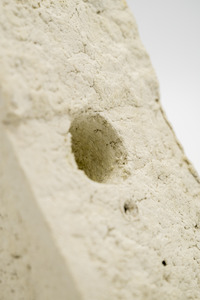
- Wie können wir einen organischen Erfahrungsraum herstellen, der uns auf sinnlicher Ebene berührt? Und was genau bedeutet es, mit nicht-menschlichen Akteuren in einen kollaborativen Gestaltungsprozess zu treten? Im „Bio-Sensorium“ kommen verschiedene lebendige Werkstoffe zu einem raumgreifenden Experiment zusammen. Gemeinsam mit Studierenden wurde so im Bio Design Lab für das Wissenschaftsfestival „Effekte“ (12.–20.06.2021) ein temporärer Pavillon aus
alternativen Baustoffen entwickelt, der ein mögliches Szenario auf materieller wie gestalterischer Ebene erlebbar werden lässt. Eine selbstgefertigte Struktur aus Papercrete (Spezialbeton aus Recyclingpapier) dient dabei auf dem HfG Open Campus als multifunktionales, wachsendes Display-System, in dem weitere biobasierte Materialexperimente ihren Platz finden. Ob Mycelium-Komposit (Baustoff aus Pilzgeflecht), Bioplastik oder Kombucha-Leder – die Samples erlauben mit ihren unterschiedlichen Formen, Haptiken und Gerüchen vielseitige Perspektiven auf biobasierte Werkstoffe im Design-Kontext und geben zugleich Anstoß zum Umdenken bisheriger Produktions-und Konsumprozesse.
Zudem ergänzte der Hands-On Workshop “Ein Haus aus Papier?” die analoge Inszenierung auf dem HfG Gelände im digitalen Raum. So wurden am Sonntag, den 13.06.2021 von 13.00–17.00 Uhr, Material-Hintergründe wie auch die Herstellungsmethode von Papercrete Schritt für Schritt in einem Streaming-Format vermittelt. Ein speziell gefertigtes Home-Kit-Paket mit weiteren Informationen und Materialien wurde den Teilnehmer geschickt, sodass ein gemeinsames Gestalten (über-)regional mit und trotz Abstand möglich war.
Ein Bühnentalk auf dem Kronenplatz (14.06.2021, 20.00 Uhr), bei dem die Macher und Studierenden Einblicke in die Hintergründe des Projekts gaben, vervollständigte das Programm.
Das Bio-Sensorium war im Anschluss an das Effekte Festival der Stadt Karlsruhe im Rahmen der deutsch-französischen Wanderausstellung „Frugalité Créative (03.07–07.08.2021) noch bis Anfang August als Außen-Exponat zu sehen.
- Wie können wir einen organischen Erfahrungsraum herstellen, der uns auf sinnlicher Ebene berührt? Und was genau bedeutet es, mit nicht-menschlichen Akteuren in einen kollaborativen Gestaltungsprozess zu treten? Im „Bio-Sensorium“ kommen verschiedene lebendige Werkstoffe zu einem raumgreifenden Experiment zusammen. Gemeinsam mit Studierenden wurde so im Bio Design Lab für das Wissenschaftsfestival „Effekte“ (12.–20.06.2021) ein temporärer Pavillon aus
- Beschreibung (en)
- How can we create an organic experiential space that touches us on a sensory level? And what exactly does it mean to enter into a collaborative design process with non-human actors? In the "Bio-Sensorium", various living materials come together in a space-filling experiment. Together with students, a temporary pavilion was developed in the Bio Design Lab for the "Effekte" science festival (June 12-20, 2021) using alternative building materials, which allows us to expierience a possible scenario on a material and design level. In this context, a self-made structure of Papercrete (special concrete made of recycled paper) serves as a multifunctional, growing display system on the HfG Open Campus, in which further bio-based material experiments find their place. Whether mycelium composite (building material made of mushroom mesh), bioplastics or kombucha leather - with their different shapes, haptics and smells, the samples allow versatile perspectives on bio-based materials in the design context and at the same time provide impulses for rethinking previous production and consumption processes.
In addition, the hands-on workshop "A house made of paper?" complemented the analog staging on the HfG grounds in the digital space. Thus, on Sunday, June 13, 2021 from 13:00-17:00, material backgrounds as well as the manufacturing method of Papercrete were taught step by step in a streaming format. A specially made Home-Kit with further information and materials was sent to the participants, so that a joint design (over-)regionally with and despite distance was possible.
A stage talk on the Kronenplatz (14.06.2021, 20.00), where the makers and students gave insights into the background of the project, completed the program.
The Bio-Sensorium was on display as an outdoor exhibit following the Effekte Festival of the City of Karlsruhe as part of the German-French traveling exhibition "Frugalité Créative (03.07-07.08.2021) until the beginning of August.
- How can we create an organic experiential space that touches us on a sensory level? And what exactly does it mean to enter into a collaborative design process with non-human actors? In the "Bio-Sensorium", various living materials come together in a space-filling experiment. Together with students, a temporary pavilion was developed in the Bio Design Lab for the "Effekte" science festival (June 12-20, 2021) using alternative building materials, which allows us to expierience a possible scenario on a material and design level. In this context, a self-made structure of Papercrete (special concrete made of recycled paper) serves as a multifunctional, growing display system on the HfG Open Campus, in which further bio-based material experiments find their place. Whether mycelium composite (building material made of mushroom mesh), bioplastics or kombucha leather - with their different shapes, haptics and smells, the samples allow versatile perspectives on bio-based materials in the design context and at the same time provide impulses for rethinking previous production and consumption processes.
- Typ des Projekts/Werks
- Schlagworte
- Mitwirkende
- Material
- Ort: Institution
- Ort
- HfG Open Campus
- Stadt
- Land
- Beteiligte Institution(en)
- Titel
- Biosensorium
- Projektleiter/in
- Semester
- Lehrveranstaltung
- Importiert am
- 26.10.2023
- Übergeordnete Sets
- 1
- Set enthält
- 0 43
Bio Design Lab
Name that can easily go onto 2 lines
Author that can easily go onto 2 lines as well
- Titel
- Bio Design Lab
- Titel
- Bio Design Lab
- Importiert am
- 10.03.2026
- Übergeordnete Sets
- 1
- Set enthält
- 0 9
Bio Design Lab
Name that can easily go onto 2 lines
Author that can easily go onto 2 lines as well
- Titel
- Bio Design Lab
- Beschreibung (de)
- Das Bio Design Lab ist ein hybrider und evolutiver Ort, der sowohl im digitalen als auch im physischen Raum existiert. Konzipiert als wachsende Plattform, die die Fachbereiche der Staatlichen Hochschule für Gestaltung miteinander verbindet, wird das Labor als Raum für Präsentation, Bildung und Wissensvermittlung genutzt.
Das Bio Design Lab konzentriert sich auf die lokale Region, ihre Ressourcen und Möglichkeiten und zielt aktiv darauf ab, die Produktionsweisen in Karlsruhe und Süddeutschland umzugestalten und neu zu überdenken. Zur Interaktion mit diesen Themen und Materialien, sowohl im digitalen als auch im physischen Raum, lädt das Labor lokale ExpertInnen und BesucherInnen gleichermaßen ein an gemeinsamen Projekten zu arbeiten.
Spuren dieser Aktivitäten komplementieren ein ständig wachsenden Netzwerk.Das Wissen über diese Ressourcen wird durch die Erstellung eines Know-how-Glossars und einer Materialbibliothek destilliert, durch virtuelle und physische Workshops vermittelt, sowie durch die Präsentationen herausragender Projekte, die sich mit nachhaltigen Materialien befassen, kommuniziert.
Das Labor fungiert als Inkubator und Modell für Zusammenarbeit und Produktion, das im Einklang mit dem aktuellen Wandel der Staatlichen Hochschule für Gestaltung Karlsruhe steht.
- Das Bio Design Lab ist ein hybrider und evolutiver Ort, der sowohl im digitalen als auch im physischen Raum existiert. Konzipiert als wachsende Plattform, die die Fachbereiche der Staatlichen Hochschule für Gestaltung miteinander verbindet, wird das Labor als Raum für Präsentation, Bildung und Wissensvermittlung genutzt.
- Beschreibung (en)
- The Bio Design Lab is a hybrid and evolutive environment that exists in both the digital and physical space. Conceived as a platform for connection and collaboration with local partners and using local resources, the Lab hosts the presentation, education and transmission of knowledge. As students and experts are invited to work on bio-design related projects, visitors can explore and interact with the Lab’s production and lines of inquiry.
Projects within the Lab focus on the local region, its materials and possibilities, and actively aim to reshuffle and rethink modes of production in Karlsruhe and the south of Germany. Topics under exploration include Algae, Soil, Plants, Body, and Agriculture. To interact with these themes and related materials, both within the digital and physical space, the Lab invites local experts and visitors alike.
Within the Bio Design Lab, regional resources are collected by connecting with local partners; they are then distilled through the making of a know-how glossary and a material library, aiming to develop local materials. The knowledge around these resources is disseminated through virtual workshops and multimedia presentations of outstanding projects dealing with sustainable materials. Ultimately, traces of these activities will remain in a constantly growing network, both in the digital platform and in physical displays of existing and future objects.
The Lab works as an incubator and a model for collaboration and production that is in line with the current transformation of the Karlsruhe University of the Arts and Design Karlsruhe. It was first presented to the public in the context of Critical Zones, an exhibition at ZKM | Center for Art and Media.
- The Bio Design Lab is a hybrid and evolutive environment that exists in both the digital and physical space. Conceived as a platform for connection and collaboration with local partners and using local resources, the Lab hosts the presentation, education and transmission of knowledge. As students and experts are invited to work on bio-design related projects, visitors can explore and interact with the Lab’s production and lines of inquiry.
- Schlagworte
- Ort: Institution
- Ort
- Bio Design Lab
- Stadt
- Land
- Internetlinks
- Titel
- Bio Design Lab
- Projektleiter/in
- Importiert am
- 23.10.2023
- Übergeordnete Sets
- 0
- Set enthält
- 5 2
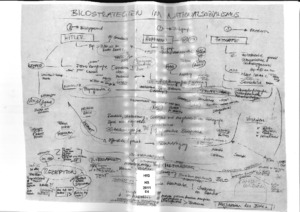
Bildstrategien: eine Betrachtung des von Heinrich Hoffmann herausgegebenen Bildbandes "Hitler wie ihn keiner kennt."
Name that can easily go onto 2 lines
Author that can easily go onto 2 lines as well
- Titel
- Bildstrategien: eine Betrachtung des von Heinrich Hoffmann herausgegebenen Bildbandes "Hitler wie ihn keiner kennt."
- Autor/in
- Beschreibung (de)
- „Rudolf Herz hat mit seiner Ausstellung im Fotomuseum im Münchner Stadtmuseum und der gleichnamigen Publikation „Hoffmann und Hitler – Fotografie als Medium des Führer-Mythos“ 1994 einen wichtigen Grundstein für die Forschung um Heinrich Hoffmann, Adolf Hitler und die fotografische Führerpropaganda gelegt. Herz führt in seiner Darlegung in gewisser Weise eine Genealogie des „Hitlerbildes“ aus, das durch die Fotografie Hoffmanns seinen Ausdruck fand: Beginnend mit frühen fotografischen Portraitstudien, die von Heinrich Hoffmann als Postkarten vertrieben wurden, eröffnet der Medienforscher Herz in seinem Buch ein Panorama, das nicht nur die Herausformung der Figur Hitler zeigt, sondern auch die darauf folgenden Bildgattungen, in denen Hitler als Mensch vermarktet wurde.”
„Dieser Band ist nicht der erste Versuch, Adolf Hitler als Bildkonstante in die Gesellschaft einzuführen. Allerdings ist es der erste erfolgreiche Bildband, der es schafft, nicht nur von Hitler zu erzählen, sondern ihn mittels geschickt arrangierter Bildfolge zugleich als Führer und als natürlichen Menschen erscheinen zu lassen. In welchem Zeitraum des Jahres 1932 genau der Bildband „Hitler wie ihn keiner kennt“ erschienen ist, kann mittels der heute noch vorliegenden Bände nicht mehr rekonstruiert werden. Es ist vor allem der Rückgriff auf den Kontext, der in der analytischen Betrachtung und Einordnung des Bandes helfen muss. Das Medium Fotografie wird hier ein zweites Mal wirksam, jedoch nicht immanent (narrativ), sondern aus historischer Perspektive: eine Perspektive, die an dieser Stelle trotz propagandistischer Bildkonzeption auch dokumentarisch Auskunft geben kann.”
- „Rudolf Herz hat mit seiner Ausstellung im Fotomuseum im Münchner Stadtmuseum und der gleichnamigen Publikation „Hoffmann und Hitler – Fotografie als Medium des Führer-Mythos“ 1994 einen wichtigen Grundstein für die Forschung um Heinrich Hoffmann, Adolf Hitler und die fotografische Führerpropaganda gelegt. Herz führt in seiner Darlegung in gewisser Weise eine Genealogie des „Hitlerbildes“ aus, das durch die Fotografie Hoffmanns seinen Ausdruck fand: Beginnend mit frühen fotografischen Portraitstudien, die von Heinrich Hoffmann als Postkarten vertrieben wurden, eröffnet der Medienforscher Herz in seinem Buch ein Panorama, das nicht nur die Herausformung der Figur Hitler zeigt, sondern auch die darauf folgenden Bildgattungen, in denen Hitler als Mensch vermarktet wurde.”
- Beschreibung (en)
- ‘With his exhibition at the Fotomuseum in Munich's Stadtmuseum and the publication of the same name ‘Hoffmann and Hitler - Photography as a Medium of the Führer Myth’ in 1994, Rudolf Herz laid an important foundation stone for research into Heinrich Hoffmann, Adolf Hitler and photographic Führer propaganda. In his account, Herz sets out a kind of genealogy of the ‘Hitler image’, which found its expression through Hoffmann's photography: Beginning with early photographic portrait studies that were distributed by Heinrich Hoffmann as postcards, media researcher Herz opens up a panorama in his book that shows not only the moulding of the figure of Hitler, but also the subsequent image genres in which Hitler was marketed as a human being.’
‘This volume is not the first attempt to introduce Adolf Hitler into society as an image constant. However, it is the first successful illustrated book that manages not only to tell the story of Hitler, but also to make him appear both as a leader and as a natural human being by means of a skilfully arranged sequence of images. It is no longer possible to reconstruct exactly when the illustrated book ‘Hitler wie ihn keiner kennt’ was published in 1932 using the volumes still available today. It is above all the recourse to the context that must help in the analytical consideration and categorisation of the volume. The medium of photography becomes effective a second time here, but not immanently (narratively), but from a historical perspective: a perspective that can also provide documentary information at this point, despite the propagandistic image concept.’
- ‘With his exhibition at the Fotomuseum in Munich's Stadtmuseum and the publication of the same name ‘Hoffmann and Hitler - Photography as a Medium of the Führer Myth’ in 1994, Rudolf Herz laid an important foundation stone for research into Heinrich Hoffmann, Adolf Hitler and photographic Führer propaganda. In his account, Herz sets out a kind of genealogy of the ‘Hitler image’, which found its expression through Hoffmann's photography: Beginning with early photographic portrait studies that were distributed by Heinrich Hoffmann as postcards, media researcher Herz opens up a panorama in his book that shows not only the moulding of the figure of Hitler, but also the subsequent image genres in which Hitler was marketed as a human being.’
- Kategorie
- Typ des Projekts/Werks
- Schlagworte
- Datierung
- 01.03.2011
- Sprache
- Ort: Institution
- Titel
- Bildstrategien: eine Betrachtung des von Heinrich Hoffmann herausgegebenen Bildbandes "Hitler wie ihn keiner kennt."
- Projektleiter/in
- Semester
- Studiengang
- Typ der Abschlussarbeit
- Archiv-Signatur
- HfG HS 2011 04
- Externes Archiv
- Importiert am
- 03.04.2025
- Übergeordnete Sets
- 2
- Set enthält
- 0 3
Bildkompost
Name that can easily go onto 2 lines
Author that can easily go onto 2 lines as well
- Titel
- Bildkompost
- Autor/in
- Beschreibung (de)
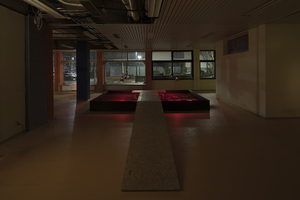
- Über einen Zeitraum von vier Wochen führte Ulf Beck in einer Versuchsanordnung Fotografien aus der Tagespresse einem Kompost mit Kompostwürmern zu. Ausgehend von der Untersuchung, welche Schlagzeilen es auf die erste Seite schaffen sowie deren fotografischer Darstellung, beschäftigte er sich mit dem Nachleben dieser Bilder. Dafür schnitt er jeden Tag die Abbildungen der Titelseite dreier großer Tageszeitungen aus und legte sie in einem Raster auf ein Becken mit Komposterde.
Das fotografische Bild wird als Teil des Medienorganismus durch die Verdauung der Würmer und verschiedener Mikroorganismen innerhalb von ca. 15 Tagen in den Erdorganismus überführt. Der Transformationsprozess ist am Ende nicht mehr sichtbar. Das Bild verliert seine Form und wird zu wertvollem Humus, welcher als Ansammlung von Millionen von Mikrobildern betrachtet werden kann.
- Über einen Zeitraum von vier Wochen führte Ulf Beck in einer Versuchsanordnung Fotografien aus der Tagespresse einem Kompost mit Kompostwürmern zu. Ausgehend von der Untersuchung, welche Schlagzeilen es auf die erste Seite schaffen sowie deren fotografischer Darstellung, beschäftigte er sich mit dem Nachleben dieser Bilder. Dafür schnitt er jeden Tag die Abbildungen der Titelseite dreier großer Tageszeitungen aus und legte sie in einem Raster auf ein Becken mit Komposterde.
- Beschreibung (en)
- Over a period of four weeks, Ulf Beck experimented with composting, using photographs from the daily press with compost worms. Based on the investigation of which headlines make it to the first page and their photographic representation, he deals with the afterlife of these images. For this, every day he cut out the illustrations of the front page of three large daily newspapers and put them in a grid on a basin with compost soil.
The photographic image is transferred as part of the media organism through the digestion of worms and various microorganisms into the earth organism, in around 15 days. The transformation process is no longer visible at the end. The image loses its form and becomes valuable humus, which can be regarded as an accumulation of millions of micro-images.
- Over a period of four weeks, Ulf Beck experimented with composting, using photographs from the daily press with compost worms. Based on the investigation of which headlines make it to the first page and their photographic representation, he deals with the afterlife of these images. For this, every day he cut out the illustrations of the front page of three large daily newspapers and put them in a grid on a basin with compost soil.
- Kategorie
- Typ des Projekts/Werks
- Schlagworte
- Datierung
- 07.12.2017 - 10.12.2017
- Material
- Abmessungen
- variable Maße
- Ort
- Markgrafenstraße 25, 76131 Karlsruhe
- Stadt
- Land
- Beteiligte Institution(en)
- Bemerkungen
- Die Arbeit war - in veränderter Form - am 27. & 28.01.2018 im Rahmen von Plat(t)form 2018, dem zwölften kuratierten internationalen Portfolio-Viewing für junge Künstler aus Europa, im renommierten Fotomuseum Winterthur (CH) zu sehen.
- Titel
- Bildkompost
- Projektleiter/in
- Semester
- Studiengang
- Typ der Abschlussarbeit
- Importiert am
- 05.03.2024
- Übergeordnete Sets
- 2
- Set enthält
- 0 11
Bilder der Ausstellung
Name that can easily go onto 2 lines
Author that can easily go onto 2 lines as well
- Titel
- Bilder der Ausstellung
- Titel (en)
- Exhibition views
- Autor/in
- Kategorie
- Titel
- Bilder der Ausstellung
- Projektleiter/in
- Semester
- Studiengang
- Typ der Abschlussarbeit
- Importiert am
- 09.07.2025
- Übergeordnete Sets
- 1
- Set enthält
- 0 18
Big Hat Big Problems
Name that can easily go onto 2 lines
Author that can easily go onto 2 lines as well
- Titel
- Big Hat Big Problems
- Titel (en)
- Big Hat Big Problems
- Untertitel
- A salonesque affair hosted by Filler Verlag
- Untertitel des Projekts/Werks (en)
- A salonesque affair hosted by Filler Verlag
- Autor/in
- Beschreibung (de)
- Filler Verlag ist eine unabhängige Plattform für das Buch und für den Diskurs, der aus ihm hervorgeht. „Verlegen“ wird dabei nicht als Akt der Verteilung, sondern als ein Akt des Teilens verstanden. Der Fokus liegt auf der kollektiven Entwicklung und dem Fördern von Diskurs. Mit diesem experimentellen Ansatz denkt Filler das Buch weiter: Wie kann es als Medium in einer zunehmend digitalen und schnelllebigen Welt relevant bleiben? Welche Rolle spielen unabhängige Verlage in einer Zeit, in der Massenproduktion und Standardisierung dominieren?
Aus diesen Fragen heraus entstand Big Hat Big Problems – eine Reihe von Zusammenkünften. Sowohl im physischen als auch im metaphorischen Sinne ist Big Hat Big Problems ein Ort der ständigen Verhandlung und des Austauschs, aber auch des Verweilens. In der Struktur gibt es Referenzen zu literarischen Salons. Lesungen, Gespräche, dicke Teppiche, gemütliche Sessel und gedimmtes Licht. Ein entscheidender Unterschied: Die Gästeliste ist nicht exklusiv.
Big Hat Big Problems ist eine Einladung, das Buch nicht wie üblich als ersten Schritt des Veröffentlichens zu begreifen, sondern als Mittel, um Öffentlichkeiten zu schaffen. An diesen Öffentlichkeiten bedient sich Filler, denn aus jedem Treffen sollen Nachträge der Beitragenden, aber auch Einfälle oder offene Fragen der Teilnehmenden hervorgehen und festgehalten werden. Diese sollen das anfängliche Skript und somit den Inhalt des Buches fortschreiben. Als Gegenthese zum traditionellen Austellungskatalog, der ein Projekt abschließt, wird der Katalog zu Big Hat Big Problems durch jede Veranstaltung erweitert. Er ist modular, jede Zusammenkunft ein Kapitel.
Das Programm ist nicht thematisch gegliedert, Schwerpunkt liegt auf ephemeren Aspekten. Die Fokussierung auf einen Abend – dass alles nur einmal zu hören oder zu sehen ist –
lenkt die Kuration. Den Großteil der Beiträge machen gelesene Texte aus, auch die Aufnahme eines Hörspiels wird nur einmal abgespielt. Die Straße vor dem Ausstellungsraum wird auch durch eine große Kreidezeichnung bespielt. Der Salon öffnet sich; veröffentlicht sich. Im Grunde ist das schon Kunst im öffentlichen Raum, am nächsten Tag aber wieder weg. Das Programm hat keinen Zeitplan, nur eine Reihenfolge und im Laufe des Abends kommt es zu zufälligen Begegnungen und ungeplanten Beziehungen zwischen den Texten. Und innerhalb des Publikums auch, dass à la Salon in den Pausen zwischen den Interventionen über das Erfahrene diskutiert. Big Hat Big Problems will zeigen, dass jede Bewegung und jedes Verstehen nur im Bezug auf andere und ihre Worte möglich ist – auch das Verstehen der eigenen Position, der eigenen Arbeitsweisen und ihrer Wirkung. Kunst, die uns oder etwas berührt, entsteht stets im Dialog mit den Ideen anderer.
Es bleibt Raum für Zweifel, für unvollendete Gedanken und ein Glas zwischendurch. Es gibt keine Botschaften zu entschlüsseln – nur die Einladung, Mehrdeutigkeiten zu akzeptieren.
Die Dokumentation ist absichtlich reduziert, um Performer*innen aber auch Besucher*innen einen freien Raum zu geben.
- Filler Verlag ist eine unabhängige Plattform für das Buch und für den Diskurs, der aus ihm hervorgeht. „Verlegen“ wird dabei nicht als Akt der Verteilung, sondern als ein Akt des Teilens verstanden. Der Fokus liegt auf der kollektiven Entwicklung und dem Fördern von Diskurs. Mit diesem experimentellen Ansatz denkt Filler das Buch weiter: Wie kann es als Medium in einer zunehmend digitalen und schnelllebigen Welt relevant bleiben? Welche Rolle spielen unabhängige Verlage in einer Zeit, in der Massenproduktion und Standardisierung dominieren?
- Beschreibung (en)
- Filler Verlag is an independent platform for the book and for the discourse that emerges from it. “Publishing” is not understood as an act of distribution, but as an act of sharing. The focus is on collective development and the promotion of discourse. With this experimental approach, Filler thinks the book further: How can it remain relevant as a medium in an increasingly digital and fast-moving world? What role do independent publishers play in an age dominated by mass production and standardization? these questions gave rise to Big Hat Big Problems - a series of gatherings. In both a physical and metaphorical sense, Big Hat Big Problems is a place of constant negotiation and exchange, but also of dwelling. There are references to literary salons in the structure. Readings, conversations, thick carpets, cozy armchairs and dimmed lights. One decisive difference: the guest list is not exclusive.Big Hat Big Problems is an invitation to see the book not as the first step towards publication, as is usually the case, but as a means of creating publics. Filler makes use of these publics, as each meeting is intended to produce and record additions from the contributors, as well as ideas or open questions from the participants. These are intended to continue the initial script and thus the content of the book. As an antithesis to the traditional exhibition catalog that concludes a project, the catalog for Big Hat Big Problems is expanded through each event. It is modular, each meeting is a chapter, the program is not thematically structured, the focus is on ephemeral aspects. The focus on the single evening - that everything can only be heard or seen once - guides the curation. The majority of the contributions consist of read texts, even the recording of a audio play is only played once. The street in front of the exhibition space is covered by a large chalk drawing. The salon opens up; publishes itself. Basically, this is already art in public space, but it's gone again the next day. The program has no schedule, only a sequence, and in the course of the evening there are chance encounters and unplanned relationships between the texts. And within the audience, too, that à la Salon discusses what they have experienced in the breaks between the performances. Big Hat Big Problems wants to show that every movement and every understanding is only possible in relation to others and their words - including the understanding of one's own position, one's own working methods and their effect. Art that touches us or something is always created in dialog with the ideas of others. There is room for doubt, for unfinished thoughts and a glass in between. There are no messages to decipher - only the invitation to accept ambiguity. The documentation is intentionally reduced to create an open space for both performers and visitors.
- Kategorie
- Typ des Projekts/Werks
- Schlagworte
- Datierung
- 3./15. Juli 2025, fortlaufend
- Mitwirkende
- Sprache
- Material
- Ort: Institution
- Stadt
- Land
- Titel
- Big Hat Big Problems
- Untertitel
- A salonesque affair hosted by Filler Verlag
- Projektleiter/in
- Semester
- Studiengang
- Importiert am
- 27.06.2025
- Übergeordnete Sets
- 0
- Set enthält
- 0 13
Between the 'No Longer' and the 'Not Yet'
Name that can easily go onto 2 lines
Author that can easily go onto 2 lines as well
- Titel
- Between the 'No Longer' and the 'Not Yet'
- Autor/in
- Beschreibung (de)
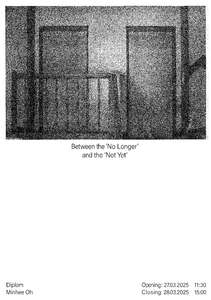
- Der Titel dieser Ausstellung, "Between the 'No Longer' and the 'Not Yet'", stammt aus den Schriften von Victor Turner über Liminalität. Turner beschreibt Liminalität als einen Übergangszustand – einen Moment, in dem man eine frühere Rolle oder einen früheren Status verlassen hat aber noch nicht vollständig in eine neue Position eingetreten ist. Es ist ein Zustand der Ungewissheit und Transformation. Vertraute Strukturen lösen sich auf und lassen einen in einer undefinierten und instabilen Lage zurück.
Dieses Konzept spiegelt meine Erfahrung als Ausländerin in Deutschland wider. Ich habe Korea verlassen, befinde mich aber noch immer in einem Schwebezustand, ohne mich vollständig angekommen zu fühlen. Um diesen Zustand des Dazwischen auszudrücken, habe ich Flure als visuelle Metapher verwendet. Beim leisen Umherwandern durch diese Flure, beim Fotografieren aus der Distanz, bin ich mir selbst begegnet.
Aus dem fotografischen Projekt entwickelte sich die Videoarbeit "The Act of Cleaning" (2025), die gemeinsam mit den Fotografien gezeigt wird. Inspiriert von Mary Douglas' Ideen zu Reinigungsritualen – bei denen das Säubern Ordnung in das Chaos bringt –, habe ich das Putzen zu meinem eigenen Ritual gemacht. Douglas argumentiert, dass Gesellschaften Ordnung schaffen, indem sie Dinge in klare Kategorien einteilen. Doch Wesen oder Konzepte, die sich diesen Kategorien entziehen – wie Migrant*innen, Hybride oder diejenigen in Übergangszuständen –, werden oft als störend empfunden. In diesem Kontext wurde das Reinigen zu einem Weg, mit der Spannung des Dazwischenseins umzugehen.
Mit bloßen Händen wischte ich jede Stufe der Treppen ab, durch die ich mich bewegte. Die Reibung zwischen Lappen und Boden, das Geräusch des ausgewrungenen Wassers und das Echo meiner Schritte füllten den Flur. Der Boden wurde vollkommen durchnässt – die Grenze zwischen Reinigen und Verschmutzen verschwamm. Diese repetitive, beinahe meditative Handlung veränderte meine Beziehung zu diesen Räumen. Das Putzen wurde mehr als eine praktische Geste – es wurde zu einem Akt, meine Präsenz zu behaupten und sie zugleich zu hinterfragen.
Wie kann ich hier existieren?
- Der Titel dieser Ausstellung, "Between the 'No Longer' and the 'Not Yet'", stammt aus den Schriften von Victor Turner über Liminalität. Turner beschreibt Liminalität als einen Übergangszustand – einen Moment, in dem man eine frühere Rolle oder einen früheren Status verlassen hat aber noch nicht vollständig in eine neue Position eingetreten ist. Es ist ein Zustand der Ungewissheit und Transformation. Vertraute Strukturen lösen sich auf und lassen einen in einer undefinierten und instabilen Lage zurück.
- Beschreibung (en)
- The title of this exhibition, "Between the 'No Longer' and the 'Not Yet'", comes from Victor Turner's writings on liminality. Turner describes liminality as a transitional state—when one has left behind a previous role or status but has not yet fully entered a new one. It is a state of ambiguity and transformation. Familiar structures dissolve, leaving one in an undefined and unstable position.
This concept reflects my experience as a foreigner in Germany. I left Korea, yet I find myself lingering in a liminal state, not fully settled. To convey this in-between state, I used hallways as a visual metaphor. Wandering through hallways quietly, photographing them from a distance, I came face to face with myself.
This photographic project developed into the video work, "The Act of Cleaning" (2025), which is presented alongside the photographs. Inspired by Mary Douglas's ideas on purification rituals—where cleaning imposes order on chaos—I chose cleaning as my own ritual. Douglas argues that societies create order by classifying things into clear categories. Yet, beings or concepts that defy these categories—such as migrants, hybrids, or those in transitional states—are often seen as unsettling. In this context, cleaning became a way to navigate the tension of existing in ambiguity.
Using my bare hands, I wiped down each step of the staircases I walked through. The friction between the rag and the floor, the sound of squeezing water, and the echo of my footsteps filled the hallway. The floor became completely soaked, blurring the boundary between cleaning and staining. This repetitive, almost meditative act transformed my relationship with these spaces. Cleaning became more than a practical gesture—it was a way to assert my presence while simultaneously questioning it.
In what ways can I exist here?
- The title of this exhibition, "Between the 'No Longer' and the 'Not Yet'", comes from Victor Turner's writings on liminality. Turner describes liminality as a transitional state—when one has left behind a previous role or status but has not yet fully entered a new one. It is a state of ambiguity and transformation. Familiar structures dissolve, leaving one in an undefined and unstable position.
- Kategorie
- Typ des Projekts/Werks
- Schlagworte
- Datierung
- 29.05.2025
- Mitwirkende
- Dank an
- Ort: Institution
- Ort
- Lichthof
- Stadt
- Land
- Titel
- Between the 'No Longer' and the 'Not Yet'
- Projektleiter/in
- Semester
- Studiengang
- Typ der Abschlussarbeit
- Importiert am
- 29.05.2025
- Übergeordnete Sets
- 2
- Set enthält
- 0 9
Berge versetzen
Name that can easily go onto 2 lines
Author that can easily go onto 2 lines as well
- Titel
- Berge versetzen
- Titel (en)
- Moving mountains
- Autor/in
- Beschreibung (de)
- Bei den ausgestellten Arbeiten handelt es sich ausschließlich um Arbeiten neueren Datums. Bis auf die Arbeit „Treptow“ aus dem Jahr 2002 sind alle Arbeiten in den letzten 10 Monaten entstanden.
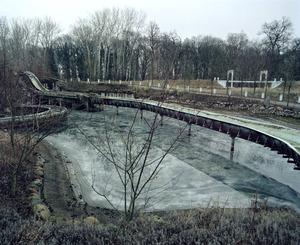
In meinen Arbeiten setze ich mich mit dem „Modellieren von Landschaft“ auseinander. Die Skulpturalität oder auch die Landschaftsmodellierung bilden den Mittelpunkt meiner Arbeiten. Die Form und deren illusionistisches Spiel treten dabei immer mehr in den Vordergrund. Ungewöhnliche Blickwinkel lassen den Standpunkt des Betrachters unklar und schaffen eine Unsicherheit über das Abgebildete. Durch eine bestimmte Art der Abbildung der Landschaftsskulpturen verlieren sie ihre ursprüngliche Bedeutung und zeigen oftmals die Absurdität der Handlungsweise des Menschen.
Alle Bilder sind in einem analogen Aufnahmeverfahren mit einer Großbildkamera entstanden. Nur unwesentliche digitale Eingriffe sind nötig, um dem abgebildeten Bildcharakter zu verleihen. Das bewusste Aufsuchen von ungewöhnlichen Orten und Blickwinkeln lässt oftmals die Vermutung einer digitalen Montage zu. „Berge versetzen“ ist eine Metapher sowohl für den plastischen als auch den skulpturalen Umgang mit Landschaft. Das Wegnehmen und Hinzufügen ganzer Berge oder Bergteile stehen stellvertretend für die Mächtigkeit des Eingriffs des Menschen in die Natur.
- Bei den ausgestellten Arbeiten handelt es sich ausschließlich um Arbeiten neueren Datums. Bis auf die Arbeit „Treptow“ aus dem Jahr 2002 sind alle Arbeiten in den letzten 10 Monaten entstanden.
- Beschreibung (en)
- The exhibited works are all recent. With the exception of the work “Treptow” from 2002, all the works were created in the last 10 months.
In my works I deal with the “modeling of landscape”. Sculpturality or landscape modeling is the focus of my work. The form and its illusionistic play increasingly come to the fore. Unusual perspectives leave the viewer's point of view unclear and create uncertainty about what is depicted. By depicting the landscape sculptures in a certain way, they lose their original meaning and often show the absurdity of human behavior.
All of the pictures were taken using analog photography with a large-format camera. Only insignificant digital interventions are necessary to lend the depicted image character. The deliberate search for unusual locations and angles often leads to the assumption of a digital montage. “Moving mountains” is a metaphor for both the plastic and sculptural treatment of landscape. The removal and addition of entire mountains or parts of mountains are representative of the power of human intervention in nature.
- The exhibited works are all recent. With the exception of the work “Treptow” from 2002, all the works were created in the last 10 months.
- Kategorie
- Schlagworte
- Technik/Verfahren/Formate
- Großbildkamera
- Internetlinks
- Titel
- Berge versetzen
- Projektleiter/in
- Semester
- Studiengang
- Typ der Abschlussarbeit
- Importiert am
- 08.11.2024
- Übergeordnete Sets
- 2
- Set enthält
- 0 6
Bad Readings
Name that can easily go onto 2 lines
Author that can easily go onto 2 lines as well
- Titel
- Bad Readings
- Autor/in
- Beschreibung (de)
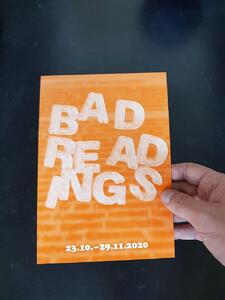
- "Bad Readings" zeigt Manifestationen affektiver und körperlicher Modi der Ausstellungserfahrung, die während eines im August 2020 von Diane Hillebrand einberufenen Workshops am Badischen Kunstverein entstanden. Abseits normierter und normalisierender Rezeptionsmuster näherte sich die "Bad Reading Group" der Ausstellung "If It’s For The People, It Needs To Be Beautiful, She Said" des Künstlers Jeremiah Day, die während der ersten Jahreshälfte im Kunstverein zu sehen war.
- Beschreibung (en)
- "Bad Readings" shows manifestations of affective and physical modes of exhibition experience that emerged during a workshop convened by Diane Hillebrand at Badischer Kunstverein in August 2020. Moving away from standardized and normalizing patterns of reception, the "Bad Reading Group" approached the exhibition "If It's For The People, It Needs To Be Beautiful, She Said" by artist Jeremiah Day, which was on view at the Kunstverein during the first half of the year.
- Kategorie
- Schlagworte
- Datierung
- 23.10.2020 - 29.11.2020
- Mitwirkende
- Ort: Institution
- Stadt
- Land
- Beteiligte Institution(en)
- Titel
- Bad Readings
- Semester
- Studiengang
- Typ der Abschlussarbeit
- Importiert am
- 19.06.2024
- Übergeordnete Sets
- 2
- Set enthält
- 0 15
Bacteria Battery
Name that can easily go onto 2 lines
Author that can easily go onto 2 lines as well
- Titel
- Bacteria Battery
- Titel (en)
- Bacteria Battery
- Beschreibung (de)
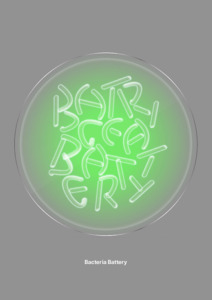
- Die Poesie grüner Energie – Auf der Suche nach regenerativer Stromerzeugung gehen wir für einen Tag eine spannende Verflechtung mit winzigen Mikro-Organismen ein. So zeigen uns die Bio Artists und Forscher Rasa Smite und Raitis Smits / RIXC in ihrem Hands-On Workshop, wie mit Hilfe von Elektroden und Schlamm sogenannte „Bakterien Batterien“ hergestellt werden können. Dabei bekommen wir nicht nur einen Einblick in die faszinierende Technologie Mikrobieller Brennstoffzellen, sondern auch in die unterschiedlichen Forschungsstände, die Studierende der HfG Karlsruhe hierzu in einem vorangegangenen, gleichnamigen Seminar während des letzten Semesters erarbeitet haben. Mit diesem theoretischen Input geht es anschließend an die eigene künstlerische useinandersetzung: In einer Schritt-für-Schritt-Anleitung stellen wir so mittels eines bereitgestellten DIY-KITS unsere eigenen Bakterien-Batterien her.
- Beschreibung (en)
- The poetics of green energy – In the search for regenerative power generation, we enter into an exciting entanglement with tiny micro-organisms for one day. In their hands-on workshop, bio-artists and researchers Rasa Smite and Raitis Smits / RIXC will show us how so-called "bacteria batteries" can be produced with the help of electrodes and mud. We will not only get an insight into the fascinating technology of microbial fuel cells, but also into the different research results that students of the HfG Karlsruhe have developed in a related previous seminar during the last semester. With this theoretical input, we will then get down to our own artistic exploration: in step-by-step instructions, we will make our own bacteria batteries using a provided DIY Kit.
- Typ des Projekts/Werks
- Schlagworte
- Datierung
- 29.01.2021
- Mitwirkende
- Material
- Ort: Institution
- Ort
- Bio Design Lab
- Stadt
- Land
- Internetlinks
- Titel
- Bacteria Battery
- Projektleiter/in
- Semester
- Importiert am
- 25.10.2023
- Übergeordnete Sets
- 1
- Set enthält
- 0 10