Sets
439 Inhalte
- Seite 1 von 37
Pedagogies of digital archives [Workshop on New Media Art Archiving]
![Bild: Pedagogies of digital archives [Workshop on New Media Art Archiving]](/media/1a9ef36b-b6b5-4f35-ad12-d17bb391e355.jpg "Pedagogies of digital archives [Workshop on New Media Art Archiving]")
Name that can easily go onto 2 lines
Author that can easily go onto 2 lines as well
- Titel
- Pedagogies of digital archives [Workshop on New Media Art Archiving]
- Titel
- Pedagogies of digital archives [Workshop on New Media Art Archiving]
- Importiert am
- 23.04.2025
- Übergeordnete Sets
- 0
- Set enthält
- 0 2
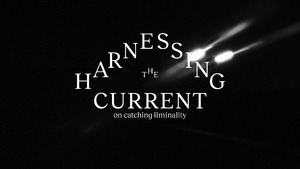
HARNESSING THE CURRENT - on Catching Liminality
Name that can easily go onto 2 lines
Author that can easily go onto 2 lines as well
- Titel
- HARNESSING THE CURRENT - on Catching Liminality
- Titel (en)
- HARNESSING THE CURRENT - on Catching Liminality
- Autor/in
- Beschreibung (en)
- "HARNESSING THE CURRENT – on Catching Liminality" is a short film about the absurd and motivational potential of being in and embracing the between. The short film features and is accompanied by a clay instrument. In the film, it serves as a metaphor for grasping and embracing a new perspective on life. The instrument also serves as a tool for meditation: The design only allows one note to be played, which makes the user focus more on consistent breath, rhythm and body feeling.
- Kategorie
- Typ des Projekts/Werks
- Schlagworte
- Sprache
- Material
- Dauer
- 10:22
- Titel
- HARNESSING THE CURRENT - on Catching Liminality
- Projektleiter/in
- Semester
- Studiengang
- Typ der Abschlussarbeit
- Importiert am
- 28.08.2024
- Übergeordnete Sets
- 0
- Set enthält
- 0 22
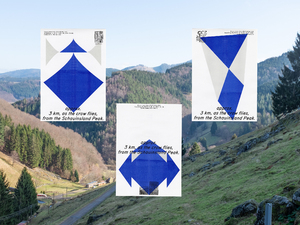
approx. 3km, as the crow flies, from the Schauinsland Peak.
Name that can easily go onto 2 lines
Author that can easily go onto 2 lines as well
- Titel
- approx. 3km, as the crow flies, from the Schauinsland Peak.
- Autor/in
- Beschreibung (de)
- "approx., 3km, as the crow flies, from the Schauinsland Peak." ist ein Zitat aus der Wegbeschreibung zum Zentralen Bergungsort der Bundesrepublik Deutschland (ZBO) aus dem Internationalen Register der Kulturgüter unter besonderem Schutz der UNESCO. Die Wegbeschreibung führt zum Barbarastollen, einem ehemaligen Erzbergbaustollen im Hintertal, nahe der Gemeinde Oberried im Schwarzwald.
Die Ausstellung versammelt Material in verschiedenen Formen, die den Barbarastollen und damit verbundene Aspekte erforschen. Anhand von Artefakten, die bei mehreren Besuchen im und um den Stollen herum gefunden wurden – Fotos, Geschichten, Zeitungsartikeln, E-Mails, Archivdokumenten, Ton- und Videoaufnahmen –, untersucht die Ausstellung, wie das Archiv im Stollen funktioniert und warum es noch existiert.
Themen wie Sicherheit, atomare Bedrohung, Hierarchien in der Archivauswahl, Langzeitbotschaften, Atomsemiotik, Friedensbewegung in Süddeutschland in den 80er Jahren werden verhandelt. Durch die Zusammenführung verschiedener Perspektiven auf die Idee eines zentralen Bergungsortes wurde ein Raum geschaffen, der die Besucher dazu anregt, sich kritisch mit den angesprochenen Themen auseinanderzusetzen.
- "approx., 3km, as the crow flies, from the Schauinsland Peak." ist ein Zitat aus der Wegbeschreibung zum Zentralen Bergungsort der Bundesrepublik Deutschland (ZBO) aus dem Internationalen Register der Kulturgüter unter besonderem Schutz der UNESCO. Die Wegbeschreibung führt zum Barbarastollen, einem ehemaligen Erzbergbaustollen im Hintertal, nahe der Gemeinde Oberried im Schwarzwald.
- Beschreibung (en)
- "approx., 3km, as the crow flies, from the Schauinsland Peak." is a quote from the route description to the Central Salvation Site of the Federal Republic of Germany (ZBO) from the UNESCO International Register of Cultural Property under Special Protection. The route description leads to Barbarastollen, a former ore mining tunnel in Hintertal, near the municipality of Oberried in the Black Forest.
The exhibition is gathering material of different forms researching the site of the Barbarastollen. Through several site visits inside and around the mine, photographs, stories, newspaper articles, e-mails, archival documents, sound recordings and videos investigate on how the archive works and why it still exists touching on topics of safety, nuclear threat, hierarchies in archive selections, long-time messages, atom semiotics, the peace- movement in south Germany in the 80s.
Through bringing together different perspectives on the idea of the central Salvation Site a room was created to encourage visitors to critically from their own idea on the topics addressed.
- "approx., 3km, as the crow flies, from the Schauinsland Peak." is a quote from the route description to the Central Salvation Site of the Federal Republic of Germany (ZBO) from the UNESCO International Register of Cultural Property under Special Protection. The route description leads to Barbarastollen, a former ore mining tunnel in Hintertal, near the municipality of Oberried in the Black Forest.
- Kategorie
- Typ des Projekts/Werks
- Schlagworte
- Datierung
- 05.07.2024
- Mitwirkende
- Sprache
- Material
- Ort: Institution
- Ort
- Großes Studio
- Stadt
- Land
- Titel
- approx. 3km, as the crow flies, from the Schauinsland Peak.
- Projektleiter/in
- Semester
- Studiengang
- Typ der Abschlussarbeit
- Importiert am
- 04.11.2024
- Übergeordnete Sets
- 3
- Set enthält
- 0 19
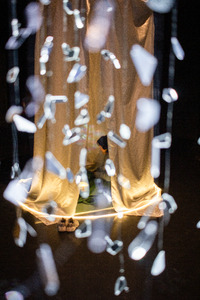
RE: Home
Name that can easily go onto 2 lines
Author that can easily go onto 2 lines as well
- Titel
- RE: Home
- Titel (en)
- RE: Home
- Autor/in
- Beschreibung (de)
- Wir alle verlassen irgendwann unser erstes Zuhause (das Zuhause unserer Kindheit), entweder freiwillig oder unfreiwillig. Dieser Abschied ist mehr als nur ein physischer Umzug; er markiert den Beginn einer Reise, auf der wir uns ein neues Zuhause schaffen und gleichzeitig die Sehnsucht nach dem Zuhause der Vergangenheit zurücklassen.
Aber Zuhause ist nicht nur der Ort, an dem wir geboren und aufgewachsen sind; es ist auch der Ort (oder Zustand), an dem wir unsere Identität formen, und der psychologische Raum, in dem wir unsere Erinnerungen und Emotionen speichern. Bevor wir weggehen, erinnern wir uns an Zuhause als einen physischen Ort, der uns vertraut und beruhigend ist, aber nachdem wir weggegangen sind, wird es allmählich weniger zu einem konkreten Bild und mehr zu einem fließenden, psychologischen Konzept. Es ist nicht nur ein Verlust, sondern ein Prozess des Findens und Schaffens eines neuen Zuhauses.
In der modernen Welt, in der sich so vieles so schnell verändert, erfinden wir uns ständig neu und das Zuhause ist kein festes Konzept, sondern wird durch die Orte, Erfahrungen und Beziehungen, die wir bewohnen, neu definiert. Heimat ist unser Ausgangspunkt und bleibt nicht unbedingt an einem Ort; vielmehr bewegen und verändern wir uns und entdecken und schaffen auf diesem Weg neue Formen von Heimat.
Was bedeutet also Zuhause für uns und wie schaffen wir es?
- Wir alle verlassen irgendwann unser erstes Zuhause (das Zuhause unserer Kindheit), entweder freiwillig oder unfreiwillig. Dieser Abschied ist mehr als nur ein physischer Umzug; er markiert den Beginn einer Reise, auf der wir uns ein neues Zuhause schaffen und gleichzeitig die Sehnsucht nach dem Zuhause der Vergangenheit zurücklassen.
- Beschreibung (en)
- We all leave our first home (our childhood home) at some point, either willingly or unwillingly. This departure is more than just a physical move; it marks the beginning of a journey where we create a new home, while at the same time leaving behind a sense of nostalgia for the home of our past.
But home isn't just the place where we were born and raised; it's also the place where we form our identity, and the psychological space where we store our memories and emotions. Before we leave, home is remembered as a physical place that is familiar and comforting, but after we leave, it gradually becomes less of a concrete image and more of a fluid, psychological concept. It's not just a loss, but a process of finding and creating a new home.
In the modern world, where so much is changing so quickly, we are constantly re-creating ourselves, and home is not a fixed concept, but is redefined by the places, experiences, and relationships we inhabit. Home functions as our base point, and it doesn't necessarily stay in one place; rather, we move and change, discovering and creating new forms of home along the way.
So, what does home mean to us, and how do we create it?
- We all leave our first home (our childhood home) at some point, either willingly or unwillingly. This departure is more than just a physical move; it marks the beginning of a journey where we create a new home, while at the same time leaving behind a sense of nostalgia for the home of our past.
- Kategorie
- Typ des Projekts/Werks
- Schlagworte
- Mitwirkende
- Material
- Technik/Verfahren/Formate
- Ausstellung
- Abmessungen
- Main : 1 m x 2 m x 2 m (H x B x D), Sub ø 180 cm, H: 2.5 m
- Dauer
- The imaginative narrations take about 10 minutes. / 12.03.2025 - 14.03.2025
- Ort: Institution
- Ort
- Großes Studio
- Stadt
- Land
- Titel
- RE: Home
- Projektleiter/in
- Semester
- Studiengang
- Typ der Abschlussarbeit
- Importiert am
- 10.02.2025
- Übergeordnete Sets
- 2
- Set enthält
- 0 16
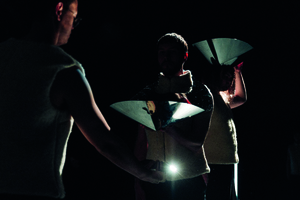
Reflecting Bodies
Name that can easily go onto 2 lines
Author that can easily go onto 2 lines as well
- Titel
- Reflecting Bodies
- Titel (en)
- Reflecting Bodies
- Untertitel
- A space where a physical phenomenon meets a personal fascination
- Untertitel des Projekts/Werks (en)
- A space where a physical phenomenon meets a personal fascination
- Autor/in
- Beschreibung (de)
- „Reflektierende Körper“ ist eine interaktive Installation, bei der das physikalische Phänomen der Lichtreflexionen auf eine persönliche Faszination für diese trifft. Im Fokus stehen Lichtreflexionen, die vom menschlichen Körper ausgehen und in Verbindung mit dessen Bewegungsabläufen entstehen.
Hauptbestandteil der Installation ist eine Serie von vier Metallobjekten, die wie Schmuckstücke am Körper getragen werden und mit Wasser gefüllt sind. Sie dienen als Reflexionsflächen und geben auf subtile Art und Weise die Präsenz der Menschen im Raum wieder, während sich dieser in eine lebendige und dynamische Lichtinstallation verwandelt.
Ursprung der Arbeit ist die Auseinandersetzung mit dem Thema "natürliches Licht" und dessen Bedeutung für den Menschen. Die allgemeine Faszination und evolutionsbedingte Abhängigkeit der Menschheit von der Sonne findet sich in nahezu allen Kulturen wieder und bildet die Inspirationsquelle für die Formensprache der Objekte und die Gestaltung des Raums.
- „Reflektierende Körper“ ist eine interaktive Installation, bei der das physikalische Phänomen der Lichtreflexionen auf eine persönliche Faszination für diese trifft. Im Fokus stehen Lichtreflexionen, die vom menschlichen Körper ausgehen und in Verbindung mit dessen Bewegungsabläufen entstehen.
- Beschreibung (en)
- "Reflecting Bodies" is an interactive installation in which the physical phenomenon of light reflections meets a personal fascination for them. The focus is on light reflections that originate from the human body and arise in connection with its movements.
The main component of the installation is a series of four metal objects worn like jewellery pieces on the body and filled with water. They serve as reflecting surfaces and subtly mirror the presence of people in space while it transforms into a vibrant and dynamic light installation.
The origin of the work lies in the study of natural light and its importance for human beings. The general fascination and evolutionary dependence of mankind on the sun can be found in almost all cultures and forms the source of inspiration for the design language of the objects and the space.
- "Reflecting Bodies" is an interactive installation in which the physical phenomenon of light reflections meets a personal fascination for them. The focus is on light reflections that originate from the human body and arise in connection with its movements.
- Kategorie
- Typ des Projekts/Werks
- Schlagworte
- Datierung
- 27.04.2023
- Mitwirkende
- Dank an
- Material
- Technik/Verfahren/Formate
- Metallverarbeitung
- Ort: Institution
- Ort
- Großes Studio
- Stadt
- Land
- Internetlinks
- Titel
- Reflecting Bodies
- Untertitel
- A space where a physical phenomenon meets a personal fascination
- Projektleiter/in
- Semester
- Studiengang
- Typ der Abschlussarbeit
- Importiert am
- 06.10.2024
- Übergeordnete Sets
- 2
- Set enthält
- 0 9
A man in the shape of...
Name that can easily go onto 2 lines
Author that can easily go onto 2 lines as well
- Titel
- A man in the shape of...
- Titel (en)
- A man in the shape of...
- Autor/in
- Beschreibung (de)
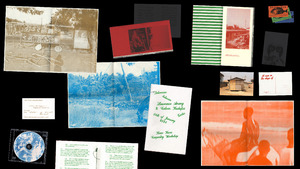
- „A man in the shape of...“ ist eine von Calvin Kudufia realisierte Ausstellung, die Februar 2024 im Rahmen seines Diploms stattfand. In der Ausstellung beschäftigt sich Kudufia mit der metaphorischen Praxis des Sammelns und Verdichtens: „gathering time and binding it“, wie es die dänische Dichterin Inger Christensen in ihrem Gedicht „Alphabet“ (1981) formuliert hat. Scheinbar unzusammenhängende ‚Dinge‘ werden im Gedicht zusammengetragen und durch die einfache Verwendung eines einzelnen Wortes, des "Existierens" in Zusammenhang gebracht und bedeutsam gemacht. Allein die Geste des Zusammentragen und Benennens verstärkt ihre symbolische Kraft.
Durch einen losen Kontaktpunkt in 2019 begann Kudufias Recherche an der Sepulkralkultur der fantasy coffins, einem traditionellen Kunsthandwerk der Ga-Ethnie in Ghana. Die individuell gestalteten Särge folgen einem mündlich überlieferten Bildindex und sind stellvertretende Gefäße für das ins Jenseits übertretende Leben. Die ‚fantasy coffins‘ verhüllen nicht nur den physischen Körper, ihre Hülle trägt konkrete Spuren der in ihnen gefassten Existenz.
Wie alle Gefäße schirmen die ‚fantasy coffins‘ ihren Inhalt vor den Blicken der Umgebung ab. Im selben Moment dienen sie als repräsentativer Körper des Verstorbenen. Die Suche nach dem richtig geformten Gefäß, sei es ein Weidenkorb für Früchte, ein Buch für Worte oder im Fall der ‚fantasy coffins‘ ein Fischernetz für Fischer, stellt die Suche nach Signifikanz des eigenen Lebens dar: eine treffende Metapher für die Odyssee des Lebens.
In seiner Arbeit „A man in the shape of...“ macht Kudufia sein väterliches Haus in Tema (Ghana) zum physischen Ausgangspunkt seiner Recherche. In Form einer trans-medialen Erzählung wird dessen Essenz eingefangen und greifbar gemacht. Poetische Artefakte und Beobachtungen aus dem Alltag in Ghana werden sorgfältig arrangiert und dienen als Verdinglichung von Zeit. Sie dienen als greifbare Säulen von Kudufias Zeit in Ghana.
„A man in the shape of...“ trägt der angeborenen Sehnsucht nach einer konkreten geografischen Verankerung Rechnung. Kudufia nutzt die gesamte Ausstellung als metaphorischen Fingerzeig auf einen Ort auf der Landkarte.
In Form einer Audioübertragung, einer speziellen Sitzposition auf der Nachbildung eines traditionellen Hockers, referentiellen Bautechniken und einer Dreikanal-Videoinstallation wird diese geografische Verankerung konkret vermittelt. Durch die Untersuchung der Rolle von Ritualen bei der Gestaltung unseres Zugehörigkeitsgefühls, inspiriert durch die philosophischen Überlegungen von Byung Chul Han, bietet die Ausstellung ein Fenster zu einer Kultur, die gleichzeitig vertraut und fremd ist.
Im Mittelpunkt der Ausstellung steht eine Videoinstallation, die in sieben Abschnitte unterteilt ist. Die Aufteilung bezieht sich auf die Tradition der „one-week observation“ und beschreibt jeweils eine Facette von Kudufias persönlicher Reise. Das Video wird begleitet von einem Musikstück der ghanaischen Theatermacherin Edufa T. Sutherland, das mit der Unterstützung des Cellisten Ben Grocock gespielt und aufgenommen wurde. Das Video lässt Kudufias Erinnerungen, Fiktionen und Realitäten verschwimmen und vermischt dabei die Identitäten von Kudufia mit denen seines Vaters und Großvaters und lässt so ein komplexes Netz aus Zugehörigkeiten entstehen.
Eine Publikation, die integraler Bestandteil der Ausstellung ist, bedient sich der Form eines Gefäßes. Eine bedruckte Archivbox sammelt Kudufias Spuren auf seiner Suche nach den ‚fantasy coffins‘ und wird durch eine Hand voll ephemeraler Druckprodukte und Publikationen zum Dokumentationsapparat. Im Mittelpunkt der Archivbox steht ein Interview, zwischen Kudufia und dem Sargmacher Lawrence Anang in dessen Werkstatt in Teshie. Die einzige textliche Spur, die eine klare Verbindung zur Geschichte der Särge herstellt.
Das hölzerne Fundament einer nachgebauten Hütte dient als Sammelpunkt der Ausstellung und ermöglicht die Verbindung zwischen Druckerzeugnissen, Audio, Artefakten und den Betrachtenden. Die Kombination aus gesammeltem haptischen Material und audiovisuellen Arbeiten setzt sich zu einer transmedialen Collage zusammen, in der Kudufia die Geschichte seiner Verwurzelung auf intime Weise erzählt.
- „A man in the shape of...“ ist eine von Calvin Kudufia realisierte Ausstellung, die Februar 2024 im Rahmen seines Diploms stattfand. In der Ausstellung beschäftigt sich Kudufia mit der metaphorischen Praxis des Sammelns und Verdichtens: „gathering time and binding it“, wie es die dänische Dichterin Inger Christensen in ihrem Gedicht „Alphabet“ (1981) formuliert hat. Scheinbar unzusammenhängende ‚Dinge‘ werden im Gedicht zusammengetragen und durch die einfache Verwendung eines einzelnen Wortes, des "Existierens" in Zusammenhang gebracht und bedeutsam gemacht. Allein die Geste des Zusammentragen und Benennens verstärkt ihre symbolische Kraft.
- Beschreibung (en)
- "A man in the shape of..." is an exhibition realised by Calvin Kudufia, which took place in February 2024 as part of his diploma. In the exhibition, Kudufia deals with the metaphorical practice of "gathering time and binding it", as formulated by the Danish poet Inger Christensen. Through a trans-medial narration, the exhibition aims to capture the essence of his father's home in Tema (Ghana) and to make it tangible by carefully compiling poetic artefacts from the observed everyday life in Ghana.
Kudufia's research began with the so-called fantasy coffins, a traditional handicraft practiced by the Ga people of Ghana. The individually designed coffins follow an oral figurative index and are emblematic vessels for life passing into the afterlife. Not only do they conceal the physical body, but their shell bears imprints of the existence that preceded death. To give an example, the vessel of a fisherman might take the form of a boat or fishing net.
Similar to all vessels, they shield their content from its surroundings, simultaneously serving as a representation of the deceased to the eyes of the outside world. The search for the right-shaped vessel, be it a wicker basket for fruit or a book for words, mirrors the journey to discover one's own significance, as displayed figuratively by the fantasy coffins - an apt metaphor for the odyssey of life.
"A man in the shape of..." takes into account the innate longing for a concrete geographical rooting and uses the entirety of the exhibition as a metaphorical finger pointing to a place on the map. This geographical pinning is conveyed in the form of an audio transmission, a special seating position on a replica of a traditional stool, referential construction techniques and a three-channel video installation. By examining the role of rituals in shaping our sense of belonging, inspired by the philosophical reflections of Byung Chul Han, the exhibition offers a window into a culture that is both familiar and foreign at the same time.
At the heart of the exhibition is a video installation divided into seven segments referring to the tradition of the one-week observation, each describing a facet of Kudufia's personal journey. The video installation is accompanied by a musical piece composed by Edufa T. Sutherland, played and recorded with the assistance of cellist Ben Grocock. It blurs the boundaries between memory, fiction, and reality, inviting the viewer to reflect on the complexity of cultural identity and belonging.
The publication, an integral part of the exhibition, also takes the form of a vessel. Borrowing the shape of a printed archive box it collects Kudufia's traces on his search for the fantasy coffins and is conveyed through his graphic expression. At its center is an interview he conducted with coffin maker Lawrence Anang in his workshop in Teshie, the sole textual trace of the coffins' history.
In order to bring all of the pieces together, a wooden fundament of a hut serves as the gathering point of the exhibition, enabling the connection between printed matter, audio, artefacts, and the viewers.
The collected haptic material combined with the audiovisual pieces results in a trans-medial collage in which Kudufia intimately tells the story of his rooting.
- "A man in the shape of..." is an exhibition realised by Calvin Kudufia, which took place in February 2024 as part of his diploma. In the exhibition, Kudufia deals with the metaphorical practice of "gathering time and binding it", as formulated by the Danish poet Inger Christensen. Through a trans-medial narration, the exhibition aims to capture the essence of his father's home in Tema (Ghana) and to make it tangible by carefully compiling poetic artefacts from the observed everyday life in Ghana.
- Kategorie
- Typ des Projekts/Werks
- Schlagworte
- Datierung
- 22.02.2024
- Dank an
- Sprache
- Material
- Ort: Institution
- Ort
- Lichthof 04
- Stadt
- Land
- Titel
- A man in the shape of...
- Projektleiter/in
- Semester
- Studiengang
- Typ der Abschlussarbeit
- Importiert am
- 31.05.2024
- Übergeordnete Sets
- 4
- Set enthält
- 0 21
25 Grad: Vernissage
Name that can easily go onto 2 lines
Author that can easily go onto 2 lines as well
- Titel
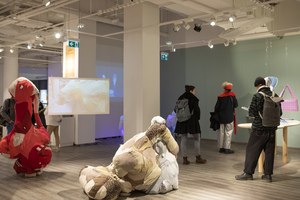
- 25 Grad: Vernissage
- Titel (en)
- 25 Grad: Opening
- Kategorie
- Datierung
- 13.02.2025
- Ort
- Postgalerie Karlsruhe / Kaiserstraße 217 / 76133 Karlsruhe
- Postgalerie Karlsruhe / Kaiserstraße 217 / 76133 Karlsruhe
- Titel
- 25 Grad: Vernissage
- Importiert am
- 24.02.2025
- Übergeordnete Sets
- 1
- Set enthält
- 0 13
block to blob - objects
Name that can easily go onto 2 lines
Author that can easily go onto 2 lines as well
- Titel
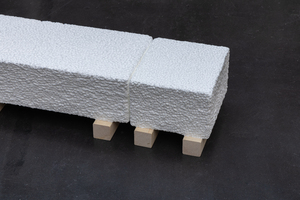
- block to blob - objects
- Titel (en)
- block to blob - objects
- Autor/in
- Kategorie
- Titel
- block to blob - objects
- Projektleiter/in
- Studiengang
- Typ der Abschlussarbeit
- Importiert am
- 19.11.2024
- Übergeordnete Sets
- 1
- Set enthält
- 0 4
block to blob - publication
Name that can easily go onto 2 lines
Author that can easily go onto 2 lines as well
- Titel
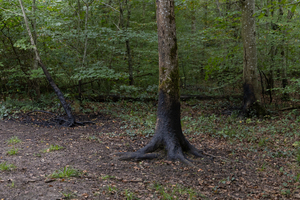
- block to blob - publication
- Titel (en)
- block to blob - publication
- Autor/in
- Kategorie
- Titel
- block to blob - publication
- Projektleiter/in
- Studiengang
- Typ der Abschlussarbeit
- Importiert am
- 19.11.2024
- Übergeordnete Sets
- 1
- Set enthält
- 0 2
block to blob - exhibition
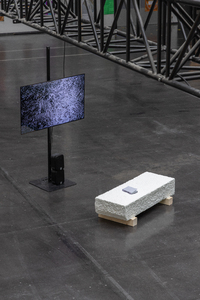
Name that can easily go onto 2 lines
Author that can easily go onto 2 lines as well
- Titel
- block to blob - exhibition
- Titel (en)
- block to blob - exhibition
- Autor/in
- Kategorie
- Titel
- block to blob - exhibition
- Projektleiter/in
- Studiengang
- Typ der Abschlussarbeit
- Importiert am
- 19.11.2024
- Übergeordnete Sets
- 1
- Set enthält
- 0 7
block to blob - videos
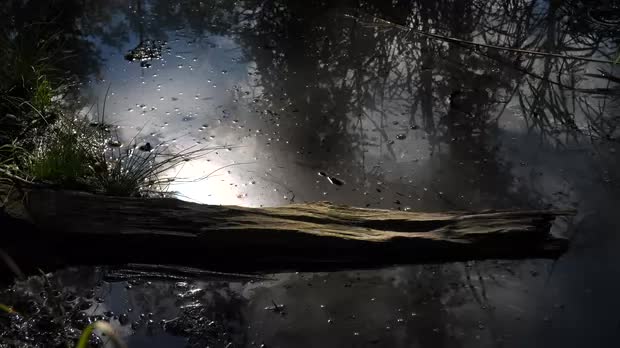
Name that can easily go onto 2 lines
Author that can easily go onto 2 lines as well
- Titel
- block to blob - videos
- Titel (en)
- block to blob - videos
- Autor/in
- Kategorie
- Typ des Projekts/Werks
- Titel
- block to blob - videos
- Projektleiter/in
- Studiengang
- Typ der Abschlussarbeit
- Importiert am
- 19.11.2024
- Übergeordnete Sets
- 1
- Set enthält
- 0 6