26 GRAD: Ausgestellte Projekte
26 GRAD: Ausgestellte Projekte
| Titel |
|
20 Inhalte
- Seite 1 von 2
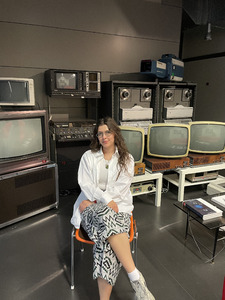
Writing the History Of the Future
Name that can easily go onto 2 lines
Author that can easily go onto 2 lines as well
- Titel
- Writing the History Of the Future
- Titel (en)
- Writing the History Of the Future
- Untertitel
- Das ZKM und die kulturelle Arbeit der Medienkunstkonservierung
- Untertitel des Projekts/Werks (en)
- ZKM and the Cultural Work of Media Art Conservation
- Autor/in
- Beschreibung (de)
- Obwohl die Medienkunst in der zeitgenössischen Kultur zunehmend an Bedeutung gewinnt, ist sie in institutionellen Sammlungen immer noch unterrepräsentiert. Die schnelle technologische Entwicklung von Hard- und Software sowie geplante Obsoleszenz stellen die Konservierung vor große Herausforderungen. Seit den 1960er Jahren hat sich die westliche Kunst von objektbasierten hin zu performativen und prozessorientierten Formen gewandelt. Dies wurde von einem Paradigmenwechsel in der Konservierungstheorie begleitet, in der Konzepte und Subjekt stärker gewichtet werden als Materialität und Objekt. Museen und der Kunstmarkt haben jedoch Schwierigkeiten, ihre Sammelpraktiken entsprechend anzupassen. In dieser Arbeit werden die Herausforderungen der Integration von Medienkunst in institutionelle Kontexte untersucht und der Bedarf an theoretischen und praktischen Anpassungen betont. Ziel ist es, Strategien zur nachhaltigen Einbindung technologisch vermittelter Kunstwerke in Sammlungen und das kulturelle Gedächtnis zu entwickeln. Im Fokus steht dabei das ZKM in Karlsruhe als führende Institution der Medienkunstkonservierung. Auf Basis interdisziplinärer Forschung und Interviews werden zentrale Themen wie Interaktivität, Variabilität, Authentizität, Zeitlichkeit und der Wandel des Kunstobjekts analysiert.
- Beschreibung (en)
- Media art, despite its growing prominence in contemporary culture, remains underrepresented in institutional collections. Rapid technological obsolescence—affecting both hardware and software—poses major challenges for preservation. Since the 1960s, Western art has shifted from object-based works toward performative and process-oriented practices, paralleled by changes in conservation theory that prioritize concepts and subject over object and materiality. However, museums and the art market have struggled to adapt their collecting practices to these developments. This thesis examines the challenges of integrating media art into institutional contexts, emphasizing the need for conceptual and theoretical shifts in both museum practices and art theory. It aims to describe the strategies for incorporating technologically mediated artworks into collections and cultural memory. The study focuses on the ZKM (Center for Art and Media) in Karlsruhe, a leading institution in media art preservation. Through analysis of its frameworks and interdisciplinary research including interviews, the thesis explores key themes like interactivity, variability, authenticity, temporality, and the evolving nature of the art object.
- Kategorie
- Schlagworte
- Dank an
- Sprache
- Abmessungen
- 272 Seiten (169 Textseiten)
- Titel
- Writing the History Of the Future
- Untertitel
- Das ZKM und die kulturelle Arbeit der Medienkunstkonservierung
- Projektleiter/in
- Semester
- Studiengang
- Typ der Abschlussarbeit
- Importiert am
- 25.03.2026
- Übergeordnete Sets
- 4
- Set enthält
- 0 5
(Un)Stopped Motion
Name that can easily go onto 2 lines
Author that can easily go onto 2 lines as well
- Titel
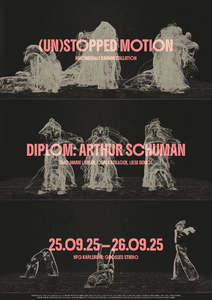
- (Un)Stopped Motion
- Titel (en)
- (Un)Stopped Motion
- Autor/in
- Beschreibung (de)
- In dieser interdisziplinären Arbeit wird der schleichende Prozess der Selbstkontrolle als Reaktion auf äußere Störungen untersucht. Ausgangspunkt ist die Angst, einen Fehler zu begehen, die nicht mit einem sichtbaren Eingriff beginnt, sondern sich langsam in das Bewegungsrepertoire des Körpers einschreibt, bis sie schließlich zum Stillstand führt.
Die Performance wird aus mehreren Perspektiven gefilmt. Diese Aufnahmen aus verschiedenen Blickachsen eines überwachenden Apparats, werden in der Installation projiziert.
- In dieser interdisziplinären Arbeit wird der schleichende Prozess der Selbstkontrolle als Reaktion auf äußere Störungen untersucht. Ausgangspunkt ist die Angst, einen Fehler zu begehen, die nicht mit einem sichtbaren Eingriff beginnt, sondern sich langsam in das Bewegungsrepertoire des Körpers einschreibt, bis sie schließlich zum Stillstand führt.
- Beschreibung (en)
- This interdisciplinary work examines the creeping process of self-control as a response to external disturbances. The starting point is the fear of making a mistake, which does not begin with a visible intervention, but slowly inscribes itself into the body's repertoire of movements until it finally leads to a standstill.
The performance is filmed from several perspectives. These recordings from different viewing angles of a surveillance device are projected in the installation.
- This interdisciplinary work examines the creeping process of self-control as a response to external disturbances. The starting point is the fear of making a mistake, which does not begin with a visible intervention, but slowly inscribes itself into the body's repertoire of movements until it finally leads to a standstill.
- Kategorie
- Typ des Projekts/Werks
- Schlagworte
- Datierung
- 24.09.2025 - 29.09.2025
- Mitwirkende
- Dank an
- Material
- Abmessungen
- 4x Screens 1,8x2,8 m
- Dauer
- 08:30
- Ort: Institution
- Ort
- Großes Studio, HfG Karlsruhe
Screen, HfG Karlsruhe
- Großes Studio, HfG Karlsruhe
- Stadt
- Land
- Titel
- (Un)Stopped Motion
- Projektleiter/in
- Semester
- Studiengang
- Typ der Abschlussarbeit
- Importiert am
- 21.10.2025
- Übergeordnete Sets
- 3
- Set enthält
- 2 4
The Violent Container
Name that can easily go onto 2 lines
Author that can easily go onto 2 lines as well
- Titel
- The Violent Container
- Titel (en)
- The Violent Container
- Untertitel
- Exhibition and handbook
- Untertitel des Projekts/Werks (en)
- Exhibition and handbook
- Autor/in
- Beschreibung (de)
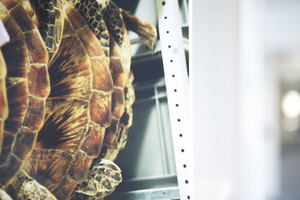
- „The Violent Container“ konzentriert sich auf das kulturelle Phänomen des Käfigs und das Einsperren als Praxis, um Objekte oder Körper einzuschließen, zu kategorisieren, einzuschränken und sich anzueignen – sowie als Mittel, um sie zu sammeln, zu schätzen, zu bewahren und zu schützen.
Das Projekt umfasst eine Ausstellung und eine Publikation, die die verschiedenen Eigenschaften und Funktionen der sich wandelnden Formen des Käfigs untersuchen und dabei erforschen, wie Käfige nicht nur die Verwaltung lebender oder toter Körper und Objekte ermöglichen, sondern auch die Art und Weise bestimmen, wie wir sie wahrnehmen.
- „The Violent Container“ konzentriert sich auf das kulturelle Phänomen des Käfigs und das Einsperren als Praxis, um Objekte oder Körper einzuschließen, zu kategorisieren, einzuschränken und sich anzueignen – sowie als Mittel, um sie zu sammeln, zu schätzen, zu bewahren und zu schützen.
- Beschreibung (en)
- "The Violent Container" focuses on the cultural phenomenon of the cage, and caging as a practice to contain, categorise, restrict, and appropriate objects or bodies – as well as a tool to collect, treasure, preserve, and protect them.
The project comprises an exhibition and a publication that examine the various properties and functions of the cage’s shifting forms, exploring how cages not only enable the administration of living or dead bodies and objects, but also govern the ways in which we perceive them.
- "The Violent Container" focuses on the cultural phenomenon of the cage, and caging as a practice to contain, categorise, restrict, and appropriate objects or bodies – as well as a tool to collect, treasure, preserve, and protect them.
- Kategorie
- Typ des Projekts/Werks
- Schlagworte
- Mitwirkende
- Ort
- Rheinstetten, Karlsruhe
- Titel
- The Violent Container
- Untertitel
- Exhibition and handbook
- Projektleiter/in
- Semester
- Studiengang
- Typ der Abschlussarbeit
- Importiert am
- 21.09.2025
- Übergeordnete Sets
- 4
- Set enthält
- 0 14
The Breath of Metal
Name that can easily go onto 2 lines
Author that can easily go onto 2 lines as well
- Titel
- The Breath of Metal
- Titel (en)
- The Breath of Metal
- Untertitel
- Baiyin - what the mine left behind
- Untertitel des Projekts/Werks (en)
- Baiyin - what the mine left behind
- Autor/in
- Beschreibung (de)
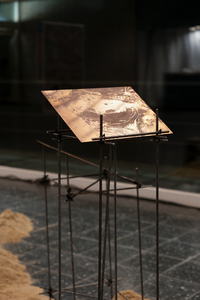
- Meine künstlerische Arbeit beschäftigt sich mit den Beziehungen zwischen Metall, Bergbau sowie familiären und urbanen Archiven. Metall fungiert dabei sowohl als Material als auch als Sprache: Es trägt Gewicht, Klang und Zeit in sich und bewahrt Spuren politischer, industrieller und arbeitsgeschichtlicher Prozesse.
Ich bin in Baiyin in der chinesischen Provinz Gansu aufgewachsen, einer durch den Bergbau entstandenen Industriestadt, auch bekannt als „Kupferstadt“. Mehrere Generationen meiner Familie waren im Bergbau, in der Verhüttung und in der Erzverarbeitung tätig. Diese biografischen Hintergründe erscheinen in meiner Arbeit nicht als Nostalgie, sondern als struktureller Rahmen, der mein Verständnis von Materialität, Körper und Stadt prägt. Die Mine ist für mich kein fixer Ort, sondern ein sich wandelndes System vom Erz zum Metall, von der Infrastruktur zur Stadt und schließlich zur Ruine.
Methodisch arbeite ich mit Fotografie, Archivmaterial, industriellen Überresten sowie mit Video, Klang und Installation. Fotografie verstehe ich dabei als Prozess der Extraktion und Transformation, der Materialien aus ihrem ursprünglichen Funktionszusammenhang löst und in einen Zustand suspendierter Evidenz überführt.
- Meine künstlerische Arbeit beschäftigt sich mit den Beziehungen zwischen Metall, Bergbau sowie familiären und urbanen Archiven. Metall fungiert dabei sowohl als Material als auch als Sprache: Es trägt Gewicht, Klang und Zeit in sich und bewahrt Spuren politischer, industrieller und arbeitsgeschichtlicher Prozesse.
- Beschreibung (en)
- My artistic work explores the relationships between metal, mining, and familial and urban archives. Metal functions both as a material and as a language: it carries weight, sound, and time, and preserves traces of political, industrial, and labor-related processes.
I grew up in Baiyin in Gansu Province, China, an industrial city shaped by mining, also known as the “Copper City.” Several generations of my family were involved in mining, smelting, and ore processing. These biographical backgrounds do not appear in my work as nostalgia, but rather as a structural framework that shapes my understanding of materiality, the body, and the city. For me, the mine is not a fixed place, but a constantly evolving system — from ore to metal, from infrastructure to the city, and ultimately to ruin.
Methodologically, I work with photography, archival materials, industrial remnants, as well as video, sound, and installation. I understand photography as a process of extraction and transformation, one that removes materials from their original functional context and transfers them into a state of suspended evidence.
- My artistic work explores the relationships between metal, mining, and familial and urban archives. Metal functions both as a material and as a language: it carries weight, sound, and time, and preserves traces of political, industrial, and labor-related processes.
- Kategorie
- Mitwirkende
- Material
- Technik/Verfahren/Formate
- Fotografie, Installation, Video
- Abmessungen
- 6 große Bilder je 900 x 1400 mm, 8 kleine Bilder je 210 x 297 mm, 4 Kupferpalette, 3 davon je 210 x 297 mm, 1 420 x 594 mm, 4 Ständer je 70 bis 100 cm hoch.
- Dauer
- Ein Video dauert 10 Minuten und 19 Sekunden.
- Titel
- The Breath of Metal
- Untertitel
- Baiyin - what the mine left behind
- Projektleiter/in
- Semester
- Studiengang
- Typ der Abschlussarbeit
- Importiert am
- 11.03.2026
- Übergeordnete Sets
- 3
- Set enthält
- 0 24
Sekret
Name that can easily go onto 2 lines
Author that can easily go onto 2 lines as well
- Titel
- Sekret
- Untertitel
- Eine Tränen-Bar Performance
- Autor/in
- Beschreibung (de)
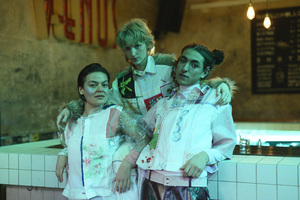
- In einer Bar, in der Innenstadt von Karlsruhe, trifft das Publikum auf ein tourendes Trio mit einer sonderbaren Geschichte: Es war einmal ein Nachtfalter, der lebte im Dschungel des brasilianischen Amazonas. Dieser Falter trug den Namen Gorgone macarea und hatte eine Angewohnheit, die für ein Lebewesen auf der Erde recht eigensinnig erschien. Gorgone macarea trank die Tränen schlafender Vögel. Für ihn: eine sichere Nahrungsquelle in unsicheren Zeiten. Da also Gorgone macareas Lebensraum sich immer mehr veränderte und auch die Vögel nach und nach wegzogen, machte der Falter sich auf, um andere Tränen zu suchen. Dabei kam ihm zu Ohren, dass der Mensch ganz besondere Tränen vergießt, wie kein anderes Lebewesen auf der Erde: Emotionale Tränen.
Und so entschloss sich der Nachtfalter, die Menschen einzuladen, um ihre Tränen mit ihm zu teilen.
Seither touren der Nachtfalter und seine zwei Kompliz*innen Sadgirl und Fluss von Bar zu Bar und lassen für einen Abend das Publikum Teil ihres Universums werden. Ein Universum – in dem Tränen die Hauptzutat des Abends sind und in jedem Cocktail serviert werden.
- In einer Bar, in der Innenstadt von Karlsruhe, trifft das Publikum auf ein tourendes Trio mit einer sonderbaren Geschichte: Es war einmal ein Nachtfalter, der lebte im Dschungel des brasilianischen Amazonas. Dieser Falter trug den Namen Gorgone macarea und hatte eine Angewohnheit, die für ein Lebewesen auf der Erde recht eigensinnig erschien. Gorgone macarea trank die Tränen schlafender Vögel. Für ihn: eine sichere Nahrungsquelle in unsicheren Zeiten. Da also Gorgone macareas Lebensraum sich immer mehr veränderte und auch die Vögel nach und nach wegzogen, machte der Falter sich auf, um andere Tränen zu suchen. Dabei kam ihm zu Ohren, dass der Mensch ganz besondere Tränen vergießt, wie kein anderes Lebewesen auf der Erde: Emotionale Tränen.
- Beschreibung (en)
- In a bar in downtown Karlsruhe, the audience encounters a touring trio with a peculiar story: Once upon a time, there was a moth living in the jungles of the Brazilian Amazon. This moth was called Gorgone macarea and had a habit that seemed rather unusual for a creature on Earth. Gorgone macarea drank the tears of sleeping birds. For the moth, it was a reliable source of nourishment in uncertain times. After all, even back then, the Amazon rainforest was considered a so-called tipping element, capable of disrupting the global climate balance. As Gorgone macarea’s habitat changed more and more, and the birds gradually disappeared, the moth set out in search of other tears. Along the way, it heard that humans shed a kind of tear unlike any other creature on Earth: emotional tears.
And so, the moth decided to invite humans to share their tears with it.
Since then, the moth and its two companions, Sadgirl and Fluss, have been touring from bar to bar, drawing the audience into their universe for one night. A universe where tears are the main ingredient of the evening—served in every cocktail.
- In a bar in downtown Karlsruhe, the audience encounters a touring trio with a peculiar story: Once upon a time, there was a moth living in the jungles of the Brazilian Amazon. This moth was called Gorgone macarea and had a habit that seemed rather unusual for a creature on Earth. Gorgone macarea drank the tears of sleeping birds. For the moth, it was a reliable source of nourishment in uncertain times. After all, even back then, the Amazon rainforest was considered a so-called tipping element, capable of disrupting the global climate balance. As Gorgone macarea’s habitat changed more and more, and the birds gradually disappeared, the moth set out in search of other tears. Along the way, it heard that humans shed a kind of tear unlike any other creature on Earth: emotional tears.
- Kategorie
- Typ des Projekts/Werks
- Schlagworte
- Datierung
- 20.12.2024
- Mitwirkende
- Dank an
- Dauer
- 40 Minuten
- Ort
- Venus Bar, Kaiserpassage
- Stadt
- Land
- Titel
- Sekret
- Untertitel
- Eine Tränen-Bar Performance
- Projektleiter/in
- Semester
- Studiengang
- Typ der Abschlussarbeit
- Importiert am
- 26.02.2025
- Übergeordnete Sets
- 3
- Set enthält
- 0 15
Plastic Fugue
Name that can easily go onto 2 lines
Author that can easily go onto 2 lines as well
- Titel
- Plastic Fugue
- Titel (en)
- Plastic Fugue
- Autor/in
- Beschreibung (de)
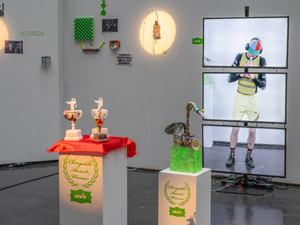
- Plastic Fugue ist eine interaktive Klanginstallation, die mit einer Kindheitserinnerung an die Konzertflöte beginnt, ein Instrument, das ich aufgrund finanzieller Schwierigkeiten nie erlernen konnte und das für mich zum Symbol des Klassismus wurde. Finanzielle Einschränkung ist nicht nur unangenehm, sondern lässt Kinder sich als ungeeignet empfinden, überhaupt etwas zu versuchen, und normalisiert dadurch Klassismus, selbst in der Kunst.
Es passierte mir erneut, als ich Malerei studierte. Die Materialien, Leinwand, Holz, Stoff, Papier, Farbe, Öl, ja sogar ein Bleistift, werden mit einer gewissen Aura vermarktet. Unsere Kunst ist längst zu sehr mit der neoliberalen Wirtschaft verstrickt, ironischerweise im Widerspruch zu ihrem eigentlichen Ziel, Freiheit. Die Qualität von Kunst über den Preis der Materialien zu definieren, ist eine Wiederholung alter Muster, so wie Blau und Grün einst als Zeichen des Reichtums galten und dem Adel vorbehalten waren.
Diese Struktur führte dazu, dass ich klassische Musik als die einzig wahre Musik betrachtete und die Leinwandmalerei, die im späten 15. Jahrhundert in Italien entstand, als den allein gültigen Standard in der bildenden Kunst. Jahrzehnte später erkannte ich, dass es jenseits dessen, was ich damals als Kunst verstand, auch Formen gab, die aus verschiedenen kulturellen Kontexten stammen und nicht als Teil dieses Standards wahrgenommen wurden. Dann versuchte ich, all diese ironischen Elemente in die verschiedenen Medien einzubringen, mit denen ich bisher gearbeitet hatte.
- Plastic Fugue ist eine interaktive Klanginstallation, die mit einer Kindheitserinnerung an die Konzertflöte beginnt, ein Instrument, das ich aufgrund finanzieller Schwierigkeiten nie erlernen konnte und das für mich zum Symbol des Klassismus wurde. Finanzielle Einschränkung ist nicht nur unangenehm, sondern lässt Kinder sich als ungeeignet empfinden, überhaupt etwas zu versuchen, und normalisiert dadurch Klassismus, selbst in der Kunst.
- Beschreibung (en)
- Plastic Fugue is an interactive sound installation project that begins with a childhood memory of the concert flute, which I couldn't learn due to financial hardship, and which came to symbolize classism to me. Being financially debilitated is not only a discomfort, but also makes children feel unqualified to even try, thereby normalizing this classism even in art.
It happened to me again when I studied painting. The materials are marketed with an aura, including canvas, wood, fabric, paper, paint, oil, and even a pencil. Our art already conspires too much with the neoliberal economy, ironically, against its supposed goal: liberty. Classifying the quality of art based on the price of materials is repetitive, much like how blue and green, once symbols of wealth, were valued and reserved for royalty in history.
This structure led me to view classical music as the only true form of music, and canvas painting, which originated in Italy in the late 15th century, as the sole standard in visual art. Decades later, I realized there was more art behind the things I once believed to be art alone. Then I attempted to gather all these ironical elements into diverse mediums I had experienced so far.
- Plastic Fugue is an interactive sound installation project that begins with a childhood memory of the concert flute, which I couldn't learn due to financial hardship, and which came to symbolize classism to me. Being financially debilitated is not only a discomfort, but also makes children feel unqualified to even try, thereby normalizing this classism even in art.
- Kategorie
- Typ des Projekts/Werks
- Schlagworte
- Datierung
- 09.07.2025 - 13.07.2025
- Mitwirkende
- Dank an
- Material
- Abmessungen
- Variable Maße
- Dauer
- Introducing air&dust: 9' 11" / Sax Recital: 16' 37"
- Ort: Institution
- Ort
- Lichthof
- Stadt
- Land
- Internetlinks
- Titel
- Plastic Fugue
- Projektleiter/in
- Semester
- Studiengang
- Typ der Abschlussarbeit
- Importiert am
- 29.06.2025
- Übergeordnete Sets
- 3
- Set enthält
- 4 1
Multiplizierte Objekte als Form von Selbstorganisation
Name that can easily go onto 2 lines
Author that can easily go onto 2 lines as well
- Titel
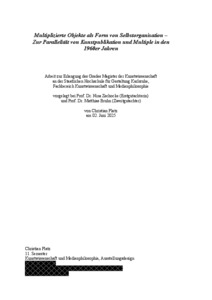
- Multiplizierte Objekte als Form von Selbstorganisation
- Titel (en)
- Multiplied objects as a form of self-organization
- Untertitel
- Zur Parallelität von Kunstpublikation und Multiple in den 1960er Jahren
- Untertitel des Projekts/Werks (en)
- On the Parallelism Between Art Publications and Multiples in the 1960s
- Autor/in
- Beschreibung (de)
- Kunstpublikationen und Multiples (Auflagenobjekte) der 1960er Jahren weisen strukturelle und konzeptuelle Parallelen auf, die in dieser Arbeit als Ausdruck selbstorganisierter künstlerischer Praxis zu verstehen sind. Ausgehend von einer kritischen Auseinandersetzung mit dem etablierten Kunstsystem entstanden in dieser Zeit alternative Formate der Produktion und Distribution, die auf Vervielfältigung, Partizipation und Autonomie basierten. Anhand exemplarischer Fallbeispiele, darunter die intermedialen Publikationsobjekte "dokumentation b", die "Edition Et", die Zeitschriften "spirale" und "rot" sowie die Multiples der Edition "MAT" und die Serienobjekte der "Gruppe X", wird gezeigt, wie sich die entsprechenden Werkformen als kuratorische, serielle und partizipative Medien positionieren lassen. Die Arbeit kontextualisiert diese Formate sowohl medienästhetisch als auch kulturpolitisch und versteht sie als materielle Strategien der Selbstorganisation. Sie argumentiert, dass Kunstpublikationen und Multiples nicht nur als Ausdruck einer alternativen Öffentlichkeit fungierten, sondern mit ihnen auch frühe Modelle einer dezentralen künstlerischen Infrastruktur entwickelt wurden. Diese Betrachtung ermöglicht eine genealogische Neubewertung des Multiples, indem sie sich vom etablierten, auf Marcel Duchamp fixierten Diskursrahmen löst und eine weiter gefasste Perspektive eröffnet.
- Kunstpublikationen und Multiples (Auflagenobjekte) der 1960er Jahren weisen strukturelle und konzeptuelle Parallelen auf, die in dieser Arbeit als Ausdruck selbstorganisierter künstlerischer Praxis zu verstehen sind. Ausgehend von einer kritischen Auseinandersetzung mit dem etablierten Kunstsystem entstanden in dieser Zeit alternative Formate der Produktion und Distribution, die auf Vervielfältigung, Partizipation und Autonomie basierten. Anhand exemplarischer Fallbeispiele, darunter die intermedialen Publikationsobjekte "dokumentation b", die "Edition Et", die Zeitschriften "spirale" und "rot" sowie die Multiples der Edition "MAT" und die Serienobjekte der "Gruppe X", wird gezeigt, wie sich die entsprechenden Werkformen als kuratorische, serielle und partizipative Medien positionieren lassen. Die Arbeit kontextualisiert diese Formate sowohl medienästhetisch als auch kulturpolitisch und versteht sie als materielle Strategien der Selbstorganisation. Sie argumentiert, dass Kunstpublikationen und Multiples nicht nur als Ausdruck einer alternativen Öffentlichkeit fungierten, sondern mit ihnen auch frühe Modelle einer dezentralen künstlerischen Infrastruktur entwickelt wurden. Diese Betrachtung ermöglicht eine genealogische Neubewertung des Multiples, indem sie sich vom etablierten, auf Marcel Duchamp fixierten Diskursrahmen löst und eine weiter gefasste Perspektive eröffnet.
- Beschreibung (en)
- Art publications and multiples from the 1960s share structural and conceptual parallels that can be understood in this work as expressions of self-organized artistic practice. Based on a critical examination of the established art system, alternative formats of production and distribution emerged during this period that were based on reproduction, participation, and autonomy. Using exemplary case studies, including the intermedia publication objects "dokumentation b", "Edition Et", the magazines "spirale" and "rot", the multiples of Edition "MAT", and the serial objects of "Gruppe X", this work shows how the corresponding forms of work can be positioned as curatorial, serial, and participatory media. The work contextualizes these formats both in terms of media aesthetics and cultural politics and understands them as material strategies of self-organization. It argues that art publications and multiples not only functioned as expressions of an alternative public sphere, but also served to develop early models of a decentralized artistic infrastructure. This perspective enables a genealogical reassessment of the multiple by breaking away from the established discourse framework centered on Marcel Duchamp and opening up a broader perspective.
- Kategorie
- Typ des Projekts/Werks
- Schlagworte
- Datierung
- 02.06.2025
- Dank an
- Sprache
- Abmessungen
- 116 Seiten (77 Textseiten)
- Titel
- Multiplizierte Objekte als Form von Selbstorganisation
- Untertitel
- Zur Parallelität von Kunstpublikation und Multiple in den 1960er Jahren
- Projektleiter/in
- Semester
- Studiengang
- Typ der Abschlussarbeit
- Importiert am
- 16.03.2026
- Übergeordnete Sets
- 4
- Set enthält
- 0 3
Midnight Zone
Name that can easily go onto 2 lines
Author that can easily go onto 2 lines as well
- Titel
- Midnight Zone
- Titel (en)
- Midnight Zone
- Autor/in
- Beschreibung (de)
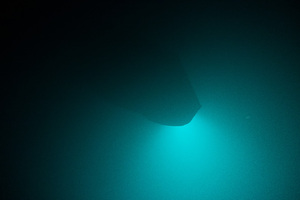
- Midnight Zone ist eine Performance über die Tiefsee, jenen Raum, in den kein Sonnenlicht mehr dringt. In dieser absolut dunklen und hohem Druck ausgesetzten Umgebung verschieben sich unsere Wahrnehmungen von Zeit, Körper und Orientierung.
In einem Raum, der das eigene Körpergefühl verschwimmen lässt, durchziehen Fischlaute, Maschinengeräusche und ferne Erdbeben die verschiedenen atmosphärischen Bedingungen des größten Lebensraums der Erde. Performerinnen bewegen sich wie fremde Wesen, zugleich Teil der Natur und Spiegel menschlicher Eingriffe. Mit jeder Bewegung beeinflussen die Besucher*innen das Netz aus Klang, Schatten und Choreografie und werden selbst Teil des Ökosystems, das sie beobachten.
Midnight Zone macht das fragile System der Tiefsee sinnlich erfahrbar: Dort, wo das Leben möglicherweise begann, wo Zeit anders fließt und Prozesse Jahrhunderte dauern können, ist der menschliche Einfluss zunehmend spürbar. Die Arbeit lässt Traum und Realität, Mensch und Natur, Oberfläche und Tiefe ineinander übergehen. Sie lädt dazu ein, lineare Zeitvorstellungen hinter sich zu lassen und alternative Rhythmen zu erspüren. Rhythmen, die im Einklang mit planetarischen Zyklen stehen und dem beschleunigten Takt des Anthropozäns etwas entgegensetzen.
- Midnight Zone ist eine Performance über die Tiefsee, jenen Raum, in den kein Sonnenlicht mehr dringt. In dieser absolut dunklen und hohem Druck ausgesetzten Umgebung verschieben sich unsere Wahrnehmungen von Zeit, Körper und Orientierung.
- Beschreibung (en)
- Midnight Zone is a performance about the deep sea, that realm into which no sunlight can penetrate. In this environment of absolute darkness and immense pressure, our perceptions of time, body, and orientation begin to shift.
In a space where one’s sense of the body starts to blur, fish sounds, mechanical noises, and distant earthquakes move through the atmospheric layers of the largest habitat on Earth. The performers move like unfamiliar beings, at once part of nature and a reflection of human impact. With every movement, the visitors influence the network of sound, shadow, and choreography, becoming part of the very ecosystem they are observing.
Midnight Zone makes the fragile system of the deep sea sensually perceptible: a place where life may have begun, where time flows differently and processes can take centuries, and where human presence is increasingly noticeable. The work allows dream and reality, human and nature, surface and depth to merge. It invites the audience to let go of linear notions of time and attune themselves to alternative rhythms, rhythms aligned with planetary cycles, offering a counterpoint to the accelerated tempo of the Anthropocene.
- Midnight Zone is a performance about the deep sea, that realm into which no sunlight can penetrate. In this environment of absolute darkness and immense pressure, our perceptions of time, body, and orientation begin to shift.
- Kategorie
- Typ des Projekts/Werks
- Schlagworte
- Datierung
- 30.10.25 und 31.10.25
- Mitwirkende
- Dank an
- Dauer
- 1 Stunde
- Ort: Institution
- Ort
- Großes Studio
- Stadt
- Land
- Beteiligte Institution(en)
- Titel
- Midnight Zone
- Projektleiter/in
- Semester
- Studiengang
- Typ der Abschlussarbeit
- Importiert am
- 03.12.2025
- Übergeordnete Sets
- 3
- Set enthält
- 0 13
Manchmal ist Schmerz ganz leise
Name that can easily go onto 2 lines
Author that can easily go onto 2 lines as well
- Titel
- Manchmal ist Schmerz ganz leise
- Titel (en)
- Sometimes pain is very quiet
- Autor/in
- Beschreibung (de)
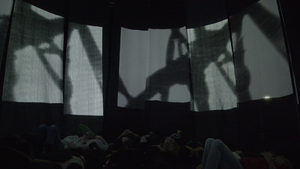
- „Manchmal ist Schmerz ganz leise“ ist eine immersive, autobiographische Hörstück-Installation, die den stillen und oft unsichtbaren Kampf mit einer schweren, namenlosen Krankheit in den Mittelpunkt stellt. Das Werk hinterfragt, was es bedeutet, in einer leistungsorientierten Gesellschaft plötzlich nicht mehr zu "funktionieren". Es geht den Ängsten, der Scham und dem tief empfundenen Gefühl des Versagens nach, das oft mit chronischer Krankheit einhergeht – Gefühle, die Betroffene selten teilen. Das Hörspiel verleiht einer Stimme Ausdruck, die für viele spricht und Einblicke in eine Realität gibt, die oft im Verborgenen bleibt.
- Beschreibung (en)
- ‘Sometimes pain is very quiet’ is an immersive, autobiographical audio play installation that focuses on the silent and often invisible battle with a serious, nameless illness. The work questions what it means to suddenly no longer ‘function’ in a performance-orientated society. It explores the fears, the shame and the deeply felt sense of failure that often accompanies chronic illness – feelings that are rarely shared by those affected. The radio play gives expression to a voice that speaks for many and provides insights into a reality that often remains hidden.
- Kategorie
- Typ des Projekts/Werks
- Schlagworte
- Datierung
- 30.10.2024
- Mitwirkende
- Dank an
- Finn Baygan
- Daniel Berwanger
- Pauline Cemeris
- Filipa Cesar
- Mark Patrick Damian
- Charlotte Eifler
- Flora Güldenpfennig
- Tobias Keilbach
- Eisenhart Keimeyer
- Alexander Knoppik
- Yael Kolb
- Isabelle Konrad
- Julian Kuf
- Barbara Kuon
- Josephine Leicht
- Laura Morcillo
- Ilja Morgenstern
- Sebastian Schäfer
- Sebastian Schönfeld
- Lorenz Schwarz
- Quirin Thalhammer
- Alexander Thelen
- Riemschneider Stiftung
- Zeitbild Lab
- Sprache
- Material
- Technik/Verfahren/Formate
- 4-Kanal-Audio/360° Projection Mapping
- Abmessungen
- Länge: 8m, Breite: 8m, Höhe: 6,50m
- Dauer
- 30min
- Ort: Institution
- Ort
- Großes Studio
- Stadt
- Land
- Titel
- Manchmal ist Schmerz ganz leise
- Projektleiter/in
- Semester
- Studiengang
- Typ der Abschlussarbeit
- Importiert am
- 17.04.2025
- Übergeordnete Sets
- 1
- Set enthält
- 1 5
LET ME SEE (c) THE SUN
Name that can easily go onto 2 lines
Author that can easily go onto 2 lines as well
- Titel
- LET ME SEE (c) THE SUN
- Autor/in
- Beschreibung (de)
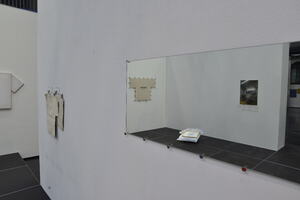
- Die Diplomarbeit „LET ME SEE (c) THE SUN“ setzt sich mit Sprache und Kommunikation auseinander, wobei das Medium Kleidung als Sprachrohr von Geschichten und als Bote von Identitäten analysiert werden soll.
Die ausgestellten Arbeiten greifen visuelle Elemente von Theaterkostümen, Bühnenrequisiten und Umkleidekabinen auf, um Besucher*innen einzuladen, sich selbst als Performer*innen von Sprache und Identität wahrzunehmen. Ein besonderer Schwerpunkt liegt dabei auf grafischen T-Shirts, da diese oft kulturelle Assoziationen oder oberflächliche Identitäten signalisieren (z. B. Bandshirts, Arbeitskleidung). Diese bekannte Struktur wird dekonstruiert und umgebaut, um Betrachter*innen die Bewohnbarkeit von Sprache zu verdeutlichen.
Die begleitende Performance beschäftigt sich mit der Mehrdeutigkeit von Sprache, die stets von persönlicher Interpretation abhängt. Wörter und Texte sind untrennbar mit ihrem Kontext sowie der Art und Weise verbunden, wie und wo sie erscheinen. In den Text-/Textil-Konstruktionen werden Wörter zu Requisiten, die Bedeutungen – sowohl offensichtlich als auch schwer fassbar – tragen und durch das Medium der Requisite von anderen „bewohnt“ werden können.
- Die Diplomarbeit „LET ME SEE (c) THE SUN“ setzt sich mit Sprache und Kommunikation auseinander, wobei das Medium Kleidung als Sprachrohr von Geschichten und als Bote von Identitäten analysiert werden soll.
- Beschreibung (en)
- The diploma project “LET ME SEE (c) THE SUN” deals with language and communication, analyzing the medium of clothing as a mouthpiece for stories and as a messenger of identities.
The exhibited works take up visual elements of theater costumes, stage props and dressing rooms to invite visitors to perceive themselves as performers of language and identity. A particular focus is placed on graphic T-shirts, as these often signal cultural associations or superficial identities (e.g. band shirts, work clothes). This familiar structure is deconstructed and rebuilt to show viewers the habitability of language.
The accompanying performance deals with the ambiguity of language, which always depends on personal interpretation. Words and texts are inextricably linked to their context and how and where they appear. In the text/textile constructions, words become props that carry meanings - both obvious and elusive - and can be “inhabited” by others through the medium of the prop.
- The diploma project “LET ME SEE (c) THE SUN” deals with language and communication, analyzing the medium of clothing as a mouthpiece for stories and as a messenger of identities.
- Kategorie
- Typ des Projekts/Werks
- Schlagworte
- Datierung
- 15.01.2025
- Mitwirkende
- Dank an
- Paul Bailey
- Jonathan Blaschke
- Céline Condorelli
- Amelie Enders
- Till Engelhardt
- Kira Fuchs
- Line-Gry Hørup
- Rafael Jörger
- Chiara Kern
- Simon Knebl
- Florian Knöbl
- Alexander Knoppik
- Barbara Kuon
- James Langdon
- Nina Overkott
- Leo Schick
- Henriette Schwabe (Jette Schwabe)
- Neele Seidel
- Isabel Seiffert
- Moritz Kamil Simon
- Charlotte Singer
- Niklas Weisenbach
- Maximilian Zschiesche
- Sprache
- Material
- Ort: Institution
- Ort
- Lichthof 3
- Stadt
- Land
- Titel
- LET ME SEE (c) THE SUN
- Projektleiter/in
- Semester
- Studiengang
- Typ der Abschlussarbeit
- Importiert am
- 11.02.2025
- Übergeordnete Sets
- 3
- Set enthält
- 0 11
It's okay now
Name that can easily go onto 2 lines
Author that can easily go onto 2 lines as well
- Titel
- It's okay now
- Titel (en)
- It's okay now
- Autor/in
- Beschreibung (de)
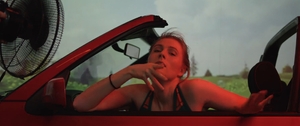
- "It’s okay now" ist ein autobiografisches Werk, das durch die Praxis des Erinnerns die Herkunft und Identität der beiden Protagonistinnen hinterfragt, analysiert und miteinander vergleicht. Das Erinnern dient dabei nicht nur als Mittel der Reflexion, sondern auch als eine Form des Träumens und Verarbeitens von Vergangenem. Fiktionale Szenen und Archivmaterial verweben sich zu einer Erzählung, die persönliche und kollektive Erinnerungen miteinander verschmelzen lässt.
- Beschreibung (en)
- "It’s okay now" is an autobiographical work that, through the practice of remembering, questions, analyzes, and compares the origins and identities of the two protagonists. In this process, remembering serves not only as a tool for reflection but also as a form of dreaming and processing the past. Fictional scenes and archival material intertwine to create a narrative that fuses personal and collective memories.
- Kategorie
- Typ des Projekts/Werks
- Schlagworte
- Datierung
- 01.10.2024 - 04.10.2024
- Mitwirkende
- Dank an
- Sprache
- Untertitel (Film)
- Material
- Technik/Verfahren/Formate
- 3-Kanal-Video-Audio Rauminstallation
- Abmessungen
- Breite: 10m; Tiefe: 10m; Höhe 4,5m
- Dauer
- 45 min
- Ort: Institution
- Ort
- Großes Studio
- Stadt
- Land
- Beteiligte Institution(en)
- Titel
- It's okay now
- Projektleiter/in
- Semester
- Studiengang
- Typ der Abschlussarbeit
- Archiv-Signatur
- its okay now
- Importiert am
- 10.10.2024
- Übergeordnete Sets
- 3
- Set enthält
- 0 11
Imaginary Gardens with Real Toads in Them
Name that can easily go onto 2 lines
Author that can easily go onto 2 lines as well
- Titel
- Imaginary Gardens with Real Toads in Them
- Titel (en)
- Imaginary Gardens with Real Toads in Them
- Autor/in
- Beschreibung (de)
- „Imaginary Gardens with Real Toads in Them“ ist eine bekannte Zeile aus dem Gedicht „Poetry“ der amerikanischen Dichterin Marianne Moore. Es beschreibt ihre Einstellung zu Poesie und Kunst. „Imaginary gardens“ symbolisieren den idealisierten, fantastischen Teil von Kunst und Literatur – eine Vorstellung oder Wunschvorstellung, die die Fantasie anregt. Auf der anderen Seite stehen „real toads“ für die realen, greifbaren, oft unromantischen oder nicht idealisierten Aspekte der Welt – Dinge, die konkret und wahr sind, aber vielleicht nicht so schön wie die imaginären Visionen.
In meiner Ausstellung nahm ich mit drei Objekten Bezug auf diese Vorstellung:
– Eine Bank, die den Besucher zum Sitzen und Verweilen, zum Innehalten und Beobachten einlädt. Sie steht für Besinnung und die Erkenntnis der eigenen Position im Garten.
– Eine Kräuterkiste, die für das alte Wissen der Natur steht. Sie symbolisieren die verborgenen Schätze und Geheimnisse, die entdeckt und genutzt werden können. Hier ist der Besucher eingeladen, sich selbst einen Tee zusammenzustellen und aufzubrühen.
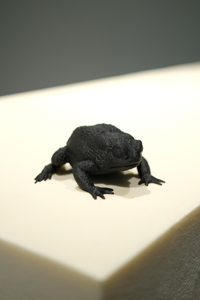
– Der Wächter des Gartens – die Kröte – und ihr Rückzugsort, der Brunnen, dienen als Quelle für alle Lebewesen. Der Brunnen steht für Tiefe und Erkenntnis, ein Ort, der durch Achtsamkeit zugänglich ist.
Begleitend zur Ausstellung lag am Eingang der Ausstellung ein kleines Leaflet für jeden Besucher mit einer von mir illustrierten Pflanze. Dazu habe ich eine kleine Geschichte zu meinem „Imaginary Garden“ abgedruckt, daneben ein Plan der Ausstellung mit Hinweisen zu den verschiedenen Objekten. Auf der Rückseite findet sich ein Impressum meiner ganzen Recherche.
- „Imaginary Gardens with Real Toads in Them“ ist eine bekannte Zeile aus dem Gedicht „Poetry“ der amerikanischen Dichterin Marianne Moore. Es beschreibt ihre Einstellung zu Poesie und Kunst. „Imaginary gardens“ symbolisieren den idealisierten, fantastischen Teil von Kunst und Literatur – eine Vorstellung oder Wunschvorstellung, die die Fantasie anregt. Auf der anderen Seite stehen „real toads“ für die realen, greifbaren, oft unromantischen oder nicht idealisierten Aspekte der Welt – Dinge, die konkret und wahr sind, aber vielleicht nicht so schön wie die imaginären Visionen.
- Beschreibung (en)
- „Imaginary Gardens with Real Toads in Them“ is a well-known line from the poem „Poetry“ by American poet Marianne Moore. It describes her attitude towards poetry and art.
„Imaginary gardens“ symbolises the idealised, fantastical part of art and literature – an idea or wishful thinking that stimulates the imagination. On the other hand, „real toads“ represents the real, tangible, often unromantic or non-idealised aspects of the world – things that are concrete and true, but perhaps not as beautiful as imaginary visions.
In my exhibition, I referenced this idea with three objects:
– A bench that invites visitors to sit and linger, to pause and observe. It stands for reflection and awareness of one's own position in the garden.
– A herb box, which represents the ancient knowledge of nature. They symbolise the hidden treasures and secrets that can be discovered and used. Here, visitors are invited to mix and brew their own tea.
– The guardian of the garden – the toad – and its retreat, the well, serve as a source for all living creatures. The well represents depth and insight, a place that can be accessed through mindfulness.
Accompanying the exhibition, a small leaflet was available for each visitor at the entrance, featuring a plant illustrated by me. I also printed a short story about my „Imaginary Garden“. Next to it was a map of the exhibition with information about the various objects. On the back is an imprint of my entire research.
- „Imaginary Gardens with Real Toads in Them“ is a well-known line from the poem „Poetry“ by American poet Marianne Moore. It describes her attitude towards poetry and art.
- Kategorie
- Typ des Projekts/Werks
- Schlagworte
- Datierung
- 22.01.2025 - 27.01.2025
- Dank an
- Sprache
- Material
- Abmessungen
- 5,8m x 8m
- Ort: Institution
- Ort
- Lichthof
- Stadt
- Land
- Titel
- Imaginary Gardens with Real Toads in Them
- Projektleiter/in
- Semester
- Studiengang
- Typ der Abschlussarbeit
- Importiert am
- 01.10.2025
- Übergeordnete Sets
- 3
- Set enthält
- 0 11