Die Methode Duchamp – Magritte
Benachbarte Sets (154)Alle Zusammenhänge anzeigen
Diese Sets wurden den gleichen Sets hinzugefügt wie das ausgewählte Set.
154 Inhalte
- Seite 1 von 13
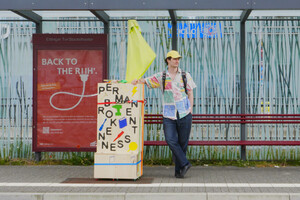
PERMANENT BROKENNESS
Name that can easily go onto 2 lines
Author that can easily go onto 2 lines as well
- Titel
- PERMANENT BROKENNESS
- Autor/in
- Beschreibung (de)
- PERMANENT BROKENNESS ist eine mobile (Infra-)Struktur, die das transformative Potential von öffentlichen Orten aufzeigt, indem sie die Reparatur von Haushalts- und Konsumgeräten verfügbar und sichtbar macht. Angelehnt an das Format des Reparatur-Cafés, werden Benutzer*innen dazu eingeladen eigenständig und gemeinsam Dinge zu reparieren. Hierbei steht nicht nur die Müllvermeidung und Ressourcenschonung im Vordergrund, sondern vor allem der selbstwirksame Zugang zur dinglichen Umwelt. Das Projekt basiert auf einer umfangreichen Recherche zur kulturellen Praxis des Reparierens und formuliert ein Gegennarrativ zu Hegemonien der Produktion, der Innovation und des unreflektierten Massenkonsums.
- Beschreibung (en)
- PERMANENT BROKENNESS is a mobile (infra-)structure that demonstrates the transformative potential of public spaces by making the repair of household and consumer appliances available and visible. Inspired by the repair café format, users are invited to repair things independently and together. The focus here is not only on avoiding waste and conserving resources, but above all on self-effective access to the material environment. The project is based on extensive research into the cultural practice of repairing and formulates a counter-narrative to hegemonies of production, innovation and unreflected mass consumption.
- Kategorie
- Schlagworte
- Datierung
- 26.06.2024
- Mitwirkende
- Dank an
- Titel
- PERMANENT BROKENNESS
- Projektleiter/in
- Semester
- Studiengang
- Typ der Abschlussarbeit
- Importiert am
- 01.11.2024
- Übergeordnete Sets
- 1
- Set enthält
- 0 6
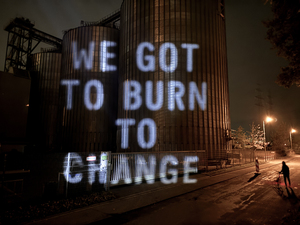
Letters of Dissent
Name that can easily go onto 2 lines
Author that can easily go onto 2 lines as well
- Titel
- Letters of Dissent
- Titel (en)
- Letters of Dissent
- Autor/in
- Beschreibung (de)
- Mein Diplomprojekt mit dem Titel „LETTERS OF DISSENT“ hatte zum Ziel, praktische und zugängliche Mittel des nächtlichen Protests zu erforschen. Dieses Projekt, das sich mit der Wechselbeziehung von Geschichtenerzählen und Punk-Einflüssen befasst, soll durch künstlerische Intervention ein Schlaglicht auf soziale und politische Themen werfen. Es handelt sich um selbst geschriebene Erzählungen, die in einer auf optimale Lesbarkeit ausgelegten Schriftart verfasst sind. Die Einfachheit der verwendeten Technik sorgt für Tragbarkeit und Zugänglichkeit. Das Engagement der Gemeinschaft ist integraler Bestandteil des Werks, das sowohl als Lasercut- als auch als 3D-Druckversion vorliegt und als Open-Source-Initiative zur Verfügung gestellt wird. Die Gesamtästhetik ist von auffallender Helligkeit geprägt und schafft eine visuell beeindruckende und deutlich wahrnehmbare Präsenz. Neben der Hauptdiplomarbeit ist es erforderlich, neuere Arbeiten in einer Ausstellung zu präsentieren, in der sorgfältig ausgewählte Projekte vorgestellt werden. In dem Bemühen, das Ausstellungsdesign auf das übergreifende Thema des Diplomprojekts abzustimmen, zielte der Designansatz darauf ab, wesentliche Prinzipien wie Zugänglichkeit, Abfallminimierung und eine ephemere Pop-up-Sensibilität zu verkörpern.
- Beschreibung (en)
- My diploma project titled "LETTERS OF DISSENT," aimed to explore practical and approachable means of protesting during the nighttime. Delving into the interrelation of storytelling and punk influence, this project seeks to cast a spotlight on social and political subjects through artistic intervention. It involves self-written narratives, utilising a font designed for optimal readability. The simplicity of the technique employed ensures portability and accessibility. Community engagement is integral, using both a lasercut and 3D-print version of the work, which is made available as an open-source initiative. The overall aesthetic is marked by striking brightness, creating a visually impactful and overtly noticeable presence. In addition to the primary diploma project, it is required to showcase recent works in an exhibition, featuring carefully chosen projects. In an effort to align the exhibition design with the overarching theme of the diploma project, the design approach aimed to encapsulate essential principles such as accessibility, waste minimisation, and an ephemeral, pop-up sensibility.
- Kategorie
- Schlagworte
- Datierung
- 03.11.2023
- Titel
- Letters of Dissent
- Projektleiter/in
- Semester
- Studiengang
- Typ der Abschlussarbeit
- Importiert am
- 30.10.2024
- Übergeordnete Sets
- 3
- Set enthält
- 1 11
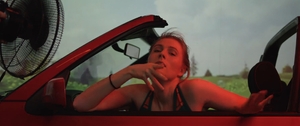
It's okay now
Name that can easily go onto 2 lines
Author that can easily go onto 2 lines as well
- Titel
- It's okay now
- Titel (en)
- It's okay now
- Autor/in
- Beschreibung (de)
- "It’s okay now" ist ein autobiografisches Werk, das durch die Praxis des Erinnerns die Herkunft und Identität der beiden Protagonistinnen hinterfragt, analysiert und miteinander vergleicht. Das Erinnern dient dabei nicht nur als Mittel der Reflexion, sondern auch als eine Form des Träumens und Verarbeitens von Vergangenem. Fiktionale Szenen und Archivmaterial verweben sich zu einer Erzählung, die persönliche und kollektive Erinnerungen miteinander verschmelzen lässt.
- Beschreibung (en)
- "It’s okay now" is an autobiographical work that, through the practice of remembering, questions, analyzes, and compares the origins and identities of the two protagonists. In this process, remembering serves not only as a tool for reflection but also as a form of dreaming and processing the past. Fictional scenes and archival material intertwine to create a narrative that fuses personal and collective memories.
- Kategorie
- Typ des Projekts/Werks
- Schlagworte
- Datierung
- 01.10.2024 - 04.10.2024
- Mitwirkende
- Dank an
- Sprache
- Untertitel (Film)
- Material
- Technik/Verfahren/Formate
- 3-Kanal-Video-Audio Rauminstallation
- Abmessungen
- Breite: 10m; Tiefe: 10m; Höhe 4,5m
- Dauer
- 45 min
- Ort: Institution
- Ort
- Großes Studio
- Stadt
- Land
- Beteiligte Institution(en)
- Titel
- It's okay now
- Projektleiter/in
- Semester
- Studiengang
- Typ der Abschlussarbeit
- Archiv-Signatur
- its okay now
- Importiert am
- 10.10.2024
- Übergeordnete Sets
- 3
- Set enthält
- 0 11
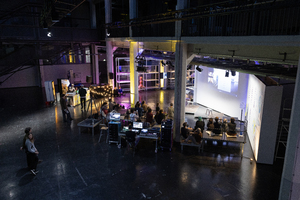
Living Library (2024-2026)
Name that can easily go onto 2 lines
Author that can easily go onto 2 lines as well
- Titel
- Living Library (2024-2026)
- Autor/in
- Beschreibung (de)
- Die Living Library ist ein transdisziplinäres Projekt, das am Bio Design Lab der Staatlichen Hochschule für Gestaltung Karlsruhe entwickelt wurde. Im Laufe von zwei Jahren förderte es praxisorientiertes Lernen mit Schwerpunkt auf lokal gewonnenen Rohstoffen aus einem Umkreis von 50 Kilometern um die Hochschule, experimentellem Arbeiten und regenerativen Produktionsweisen.
Das Projekt ist ein hybrides und sich ständig weiterentwickelndes Ökosystem. Es vereint ein physisches Archiv mit Materialproben, Werkzeugen, Prozessen und Workshop-Artefakten sowie ein digitales Archiv mit interaktiven Karten, Forschungsergebnissen und Materialdokumentationen. Geleitet von den Prinzipien der Kompostierbarkeit, Lokalität und Nachhaltigkeit folgt das Projekt den ökologischen Zyklen der Aussaat, des Wachstums, der Ernte und des Verfalls. Studierende, Forschende und lokale Praktiker:innen arbeiteten zusammen, um regionale Ressourcen zu lokalisieren, biobasierte Materialien zu ernten und zu verarbeiten sowie deren Lebenszyklen von der Entstehung bis zur Zersetzung zu untersuchen.
Eine Open-Access-Publikation die physische und digitale Living Library und vereint eine Reihe von Essays, die Themen wie die archivarischen Qualitäten der Erde oder die gartenähnliche Kultivierung digitaler Plattformen untersuchen. Diese Essays laden die Leser:innen dazu ein, zu überdenken, wie Wissen angebaut, geteilt und schließlich wieder in den Boden zurückgeführt werden kann, aus dem es entstanden ist.
- Die Living Library ist ein transdisziplinäres Projekt, das am Bio Design Lab der Staatlichen Hochschule für Gestaltung Karlsruhe entwickelt wurde. Im Laufe von zwei Jahren förderte es praxisorientiertes Lernen mit Schwerpunkt auf lokal gewonnenen Rohstoffen aus einem Umkreis von 50 Kilometern um die Hochschule, experimentellem Arbeiten und regenerativen Produktionsweisen.
- Beschreibung (en)
- The Living Library is a transdisciplinary project developed at the Bio Design Lab of the Karlsruhe University of Arts and Design. Over the course of two years, it fostered practice-based learning focused on locally sourced raw materials within a 50-kilometre radius around the academy, experimental making, and regenerative modes of production.
The project is a hybrid and continually evolving ecosystem. It brings together a physical archive showing material samples, tools, processes, and workshop artefacts, and a digital archive featuring interactive maps, research, and material documentation. Guided by the principles of compostability, locality, and sustainability, the project follows ecological rhythms of seeding, growing, harvesting, and decay. Students, researchers, and local practitioners collaborated to map regional resources, harvest and transform bio-based materials, and investigate their lifecycles from origin to decomposition.
An open access publication documents the physical and digital Living Library and brings together a series of essays that explore themes such as the archival qualities of soil or the garden-like cultivation of digital platforms. These essays invite readers to reconsider how knowledge can be grown, shared, and ultimately returned to the ground from which it emerged.
- The Living Library is a transdisciplinary project developed at the Bio Design Lab of the Karlsruhe University of Arts and Design. Over the course of two years, it fostered practice-based learning focused on locally sourced raw materials within a 50-kilometre radius around the academy, experimental making, and regenerative modes of production.
- Kategorie
- Typ des Projekts/Werks
- Datierung
- 31.03.2024 - 31.03.2026
- Mitwirkende
- Dank an
- Sprache
- Internetlinks
- Bemerkungen
- Funded by the Stiftung Innovation in der Hochschullehre
- Titel
- Living Library (2024-2026)
- Semester
- Importiert am
- 08.10.2024
- Übergeordnete Sets
- 1
- Set enthält
- 9 0
Reflecting Bodies
Name that can easily go onto 2 lines
Author that can easily go onto 2 lines as well
- Titel
- Reflecting Bodies
- Titel (en)
- Reflecting Bodies
- Untertitel
- A space where a physical phenomenon meets a personal fascination
- Untertitel des Projekts/Werks (en)
- A space where a physical phenomenon meets a personal fascination
- Autor/in
- Beschreibung (de)
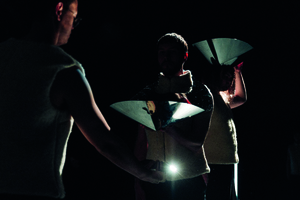
- „Reflektierende Körper“ ist eine interaktive Installation, bei der das physikalische Phänomen der Lichtreflexionen auf eine persönliche Faszination für diese trifft. Im Fokus stehen Lichtreflexionen, die vom menschlichen Körper ausgehen und in Verbindung mit dessen Bewegungsabläufen entstehen.
Hauptbestandteil der Installation ist eine Serie von vier Metallobjekten, die wie Schmuckstücke am Körper getragen werden und mit Wasser gefüllt sind. Sie dienen als Reflexionsflächen und geben auf subtile Art und Weise die Präsenz der Menschen im Raum wieder, während sich dieser in eine lebendige und dynamische Lichtinstallation verwandelt.
Ursprung der Arbeit ist die Auseinandersetzung mit dem Thema "natürliches Licht" und dessen Bedeutung für den Menschen. Die allgemeine Faszination und evolutionsbedingte Abhängigkeit der Menschheit von der Sonne findet sich in nahezu allen Kulturen wieder und bildet die Inspirationsquelle für die Formensprache der Objekte und die Gestaltung des Raums.
- „Reflektierende Körper“ ist eine interaktive Installation, bei der das physikalische Phänomen der Lichtreflexionen auf eine persönliche Faszination für diese trifft. Im Fokus stehen Lichtreflexionen, die vom menschlichen Körper ausgehen und in Verbindung mit dessen Bewegungsabläufen entstehen.
- Beschreibung (en)
- "Reflecting Bodies" is an interactive installation in which the physical phenomenon of light reflections meets a personal fascination for them. The focus is on light reflections that originate from the human body and arise in connection with its movements.
The main component of the installation is a series of four metal objects worn like jewellery pieces on the body and filled with water. They serve as reflecting surfaces and subtly mirror the presence of people in space while it transforms into a vibrant and dynamic light installation.
The origin of the work lies in the study of natural light and its importance for human beings. The general fascination and evolutionary dependence of mankind on the sun can be found in almost all cultures and forms the source of inspiration for the design language of the objects and the space.
- "Reflecting Bodies" is an interactive installation in which the physical phenomenon of light reflections meets a personal fascination for them. The focus is on light reflections that originate from the human body and arise in connection with its movements.
- Kategorie
- Typ des Projekts/Werks
- Schlagworte
- Datierung
- 27.04.2023
- Mitwirkende
- Dank an
- Material
- Technik/Verfahren/Formate
- Metallverarbeitung
- Ort: Institution
- Ort
- Großes Studio
- Stadt
- Land
- Internetlinks
- Titel
- Reflecting Bodies
- Untertitel
- A space where a physical phenomenon meets a personal fascination
- Projektleiter/in
- Semester
- Studiengang
- Typ der Abschlussarbeit
- Importiert am
- 06.10.2024
- Übergeordnete Sets
- 2
- Set enthält
- 0 9
Doch nochmal was mit Holz
Name that can easily go onto 2 lines
Author that can easily go onto 2 lines as well
- Titel
- Doch nochmal was mit Holz
- Autor/in
- Beschreibung (de)
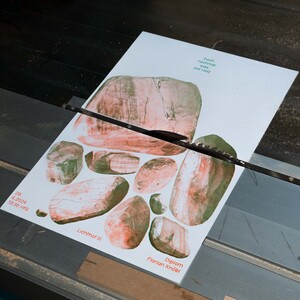
- In meinem Diplom „Doch nochmal was mit Holz“ werden ausschließlich Holzreste von abgestorbenen Bäumen und solchen, die industriell keine Verwendung bekommen können transformiert. Äste werden jetzt zu ziegelartigen Holzsteinen, andere Teile des Baumes zu Natursteinen oder Geröll.
Ergänzt wird diese Holzwelt durch übergroße Nägel aus hochgebranntem Ton, die geschmiedete Metallnägel, verrostet und neu, nachahmen.
- In meinem Diplom „Doch nochmal was mit Holz“ werden ausschließlich Holzreste von abgestorbenen Bäumen und solchen, die industriell keine Verwendung bekommen können transformiert. Äste werden jetzt zu ziegelartigen Holzsteinen, andere Teile des Baumes zu Natursteinen oder Geröll.
- Beschreibung (en)
- In my diploma “Doch nochmal was mit Holz”, only wood residues from dead trees and those that cannot be used industrially are transformed. Branches now become brick-like wooden stones, other parts of the tree become natural stones or boulders.
This world of wood is complemented by oversized nails made of high-fired clay that imitate forged metal nails, rusted and new.
- In my diploma “Doch nochmal was mit Holz”, only wood residues from dead trees and those that cannot be used industrially are transformed. Branches now become brick-like wooden stones, other parts of the tree become natural stones or boulders.
- Kategorie
- Schlagworte
- Dank an
- Material
- Ort: Institution
- Ort
- Lichthof 3
- Stadt
- Land
- Beteiligte Institution(en)
- Titel
- Doch nochmal was mit Holz
- Projektleiter/in
- Semester
- Studiengang
- Typ der Abschlussarbeit
- Importiert am
- 06.10.2024
- Übergeordnete Sets
- 3
- Set enthält
- 0 14
Etwas Aufnehmen
Name that can easily go onto 2 lines
Author that can easily go onto 2 lines as well
- Titel
- Etwas Aufnehmen
- Titel (en)
- Get in touch with
- Untertitel
- Eine Reading Performance in 4 Teilen
- Untertitel des Projekts/Werks (en)
- A reading performance in 4 chapters
- Autor/in
- Beschreibung (de)
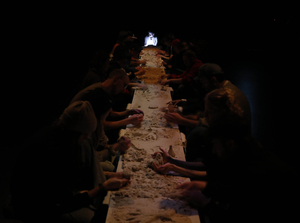
- "Etwas Aufnehmen" ist eine 30-minütige interaktive Reading Performance über den (Tast-) Sinn. Sie findet an einem 15 m langen Steintisch statt, 80 kg kinetischer Sand liegen auf ihm verteilt. Die Performance entstand in sechsmonatiger Recherche und im Austausch mit einer blinden Künstlerin, einem Tastforscher, einem Übersetzer von visuellen Lernmaterialien und einer Tierkommunikationsexpertin und erzählt außerdem von einer Kollaboration mit einem Hund (Betty). Welchen Stellenwert nimmt der Tastsinn in unserer Wahrnehmung ein, um Dinge wortwörtlich zu "begreifen"? Wie kommuniziere oder gestalte ich mit einem Tier, welches auf ganz andere Sinne zurückgreifen kann? "Etwas Aufnehmen" hinterfragt die eigene Wahrnehmung und beschreibt den Drang nach Verständigung. Die Reading Performance ist sowohl taktil, auditiv als auch visuell wahrnehmbar.
- Beschreibung (en)
- "Get in touch with" is a 30-minute interactive reading performance about the (tactile) sense. It takes place on a 15 metre long stone table with 80 kg of kinetic sand on top. The performance is the result of a six-month research and exchange with a blind artist, a tactile researcher, a translator of visual learning materials and an animal communication expert, and also tells of a collaboration with a dog (Betty). What role does the sense of touch play in our perception? How do I communicate or design with an animal that has access to completely different senses? "Etwas Aufnehmen" questions our own perception and describes the urge for understanding. The reading performance can be experienced tactilely, acoustically and visually.
- Kategorie
- Typ des Projekts/Werks
- Schlagworte
- Datierung
- Februar 2023
- Mitwirkende
- Dank an
- Sprache
- Untertitel (Film)
- Material
- Abmessungen
- Länge: 15m, Breite: 25cm, Höhe: 25cm
- Dauer
- 30min
- Ort: Institution
- Ort
- Großes Studio
- Stadt
- Land
- Internetlinks
- Titel
- Etwas Aufnehmen
- Untertitel
- Eine Reading Performance in 4 Teilen
- Projektleiter/in
- Semester
- Studiengang
- Typ der Abschlussarbeit
- Importiert am
- 05.10.2024
- Übergeordnete Sets
- 2
- Set enthält
- 0 16
I Cried A Smile
Name that can easily go onto 2 lines
Author that can easily go onto 2 lines as well
- Titel
- I Cried A Smile
- Autor/in
- Beschreibung (de)
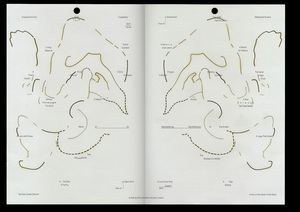
- Mit den Mitteln einer wissenschaftlichen Lecture erzählt „I Cried A Smile“ eine Geschichte über eine Person mit 2 Köpfen, Holz das zu Menschen wird, und die Erinnerung daran als Kind mit Neuropsychologie in Kontakt zu treten. Zwei übereinander hängende Projektionsflächen zeigen Zeichnungen, Animationen und gefundenes Bildmaterial während meine Stimme vom Band läuft und ich an einem Schreibtisch sitzend, mit dem Verfahren „Lip-Sync“ lautlos mitspreche. Das Publikum sitzt wie in einem anatomischen Theater in zwei Halbkreisen um mich herum.
- Beschreibung (en)
- Using the means of a scientific lecture, “I Cried A Smile” tells a story about a person with two heads, wood that becomes human, and the memory of coming into contact with neuropsychology as a child. Two projection screens hanging above me showcasing drawings, animations and found footage while my voice runs from the tape and I, sitting at a desk, speak along inaudibly using the “Lip-Sync” method. The audience sits around me like in an anatomical theater.
- Using the means of a scientific lecture, “I Cried A Smile” tells a story about a person with two heads, wood that becomes human, and the memory of coming into contact with neuropsychology as a child. Two projection screens hanging above me showcasing drawings, animations and found footage while my voice runs from the tape and I, sitting at a desk, speak along inaudibly using the “Lip-Sync” method. The audience sits around me like in an anatomical theater.
- Kategorie
- Typ des Projekts/Werks
- Schlagworte
- Mitwirkende
- Technik/Verfahren/Formate
- 2 Channel Video
- Dauer
- 8 Minuten
- Ort: Institution
- Stadt
- Land
- Titel
- I Cried A Smile
- Importiert am
- 30.09.2024
- Übergeordnete Sets
- 1
- Set enthält
- 0 5
Ghost Story
Name that can easily go onto 2 lines
Author that can easily go onto 2 lines as well
- Titel
- Ghost Story
- Autor/in
- Beschreibung (en)
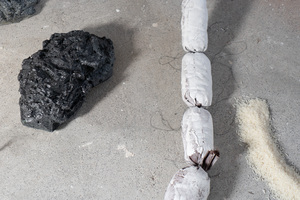
- The project was born in response to the passing of an unaccompanied homeless individual in 2018, a person without known family or friends. Her death was cataloged—reduced to data archived in newsrooms and on digital servers. Yet, if this data remains untouched, and her memory fades into obscurity, does her existence persist? She lingers and remains unseen—a paradoxical state of both presence and absence. Within the digital void, she exists as a spectral trace, haunting the silence, waiting to be rediscovered, forever closed in on herself.
Such is the nature of ghosts—the living create them. We resurrect the departed in our own ways, through rituals, texts, and the intangible recipes of memory. We read, we create, we consume, and through this, we invite the dead to inhabit us once more. This project is an assemblage of fragments—an exploration of the processes through which we become haunted by the past.
- The project was born in response to the passing of an unaccompanied homeless individual in 2018, a person without known family or friends. Her death was cataloged—reduced to data archived in newsrooms and on digital servers. Yet, if this data remains untouched, and her memory fades into obscurity, does her existence persist? She lingers and remains unseen—a paradoxical state of both presence and absence. Within the digital void, she exists as a spectral trace, haunting the silence, waiting to be rediscovered, forever closed in on herself.
- Kategorie
- Typ des Projekts/Werks
- Schlagworte
- Datierung
- 18.04.2024
- Dank an
- Sprache
- Material
- Ort
- Pförtnerhäuser, Alter Schlachthof
- Stadt
- Land
- Titel
- Ghost Story
- Projektleiter/in
- Semester
- Studiengang
- Typ der Abschlussarbeit
- Importiert am
- 25.09.2024
- Übergeordnete Sets
- 0
- Set enthält
- 0 9
“I see” “with my voice”
Name that can easily go onto 2 lines
Author that can easily go onto 2 lines as well
- Titel
- “I see” “with my voice”
- Autor/in
- Beschreibung (de)
- „I see“ „with my voice“ beschäftigt sich mit Themen wie Transformation, Gestaltwandel und Materialität durch ein Zusammenspiel von literarischen Fragmenten und entliehenen Stimmen. Das Ergebnis ist eine nicht-lineare, fluide Erzählung, die die flüchtige Natur von Visionen, Träumen und Metamorphosen einfängt.
- Beschreibung (en)
- “I see” “with my voice” engages with themes of transformation,
shapeshifting, and materiality through an interplay of literary
fragments and borrowed voices, resulting in a non-linear, fluid
narrative that encapsulates the ephemeral nature of visions,
dreams, and metamorphoses.
This project draws substantial inspiration from Alice Notley's
The Descent of Alette, a transformative odyssey that employs
rhythmic spoken language to explore continuous change.
Alongside Notley’s influence, the works of Hildegard von Bingen,
a 12th-century mystic, and the visionary narratives from the
biblical book of Ezekiel, serve as foundational texts that inform
the thematic and structural framework of this piece.
The text is presented as an audio recording, whispered as a 20 minute loop.
Visitors can listen to the piece when pressing their ear against the tents walls.
My objects are performers, maybe even imposters: frozen in a state of change or mimicry. My objects are performers, maybe even imposters: frozen in a state of change or mimicry.
They are skillfull imitators, but you can tell something is off.
Moving along this crack between the believable and the not quite right, I like to engage
with different realities and states of being. The artificial, almost real-life fakeness of their with different realities and states of being. The artificial, almost real-life fakeness of their
surfaces set the stage for my narrative of transformation, imitation and shapeshifting.
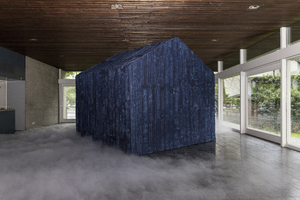
1. A wooden house crafted from smooth denim. Made by sanding the grain of wood
onto the denim fabric
2. Heavy fog covering the floor that could be perceived as dew, mixed with a light subtle
smoke of Incense burning.
The fragrance envokes sacred, holy feelings with its warm, resinous smell with peppery The fragrance envokes sacred, holy feelings with its warm, resinous smell with peppery
undertones.
3. 100 cherries made from a thick mixture of honey and almonds. The heavy sweetness
of the stoneless candy-imposter meant to linger in the visitors mouth as it is tasted. of the stoneless candy-imposter meant to linger in the visitors mouth as it is tasted.
A thin gelatine film – imitating the coolnes of cherry skin as it touches the lips A thin gelatine film – imitating the coolnes of cherry skin as it touches the lips
The installation is accompanied by a small reader containing the three part text to be taken The installation is accompanied by a small reader containing the three part text to be taken
home and serve as a keep sake or document of the fleeting spoken text.
The reader is bound with one simple staple. It does not have a beginning or end, but The reader is bound with one simple staple. It does not have a beginning or end, but
rather works like a gif. No cover or back. Just like wheels turning endlessly in a nonlinear rather works like a gif. No cover or back. Just like wheels turning endlessly in a nonlinear
storytelling.
- “I see” “with my voice” engages with themes of transformation,
- Kategorie
- Typ des Projekts/Werks
- Schlagworte
- Datierung
- 18.04.2024
- Sprache
- Ort: Institution
- Ort
- “I see” “with my voice” at ZKM Pavillon, Karlsruhe
- Stadt
- Land
- Titel
- “I see” “with my voice”
- Projektleiter/in
- Semester
- Studiengang
- Typ der Abschlussarbeit
- Importiert am
- 19.09.2024
- Übergeordnete Sets
- 0
- Set enthält
- 0 2
Scheune VII
Name that can easily go onto 2 lines
Author that can easily go onto 2 lines as well
- Titel
- Scheune VII
- Titel (en)
- Scheune VII
- Autor/in
- Beschreibung (de)
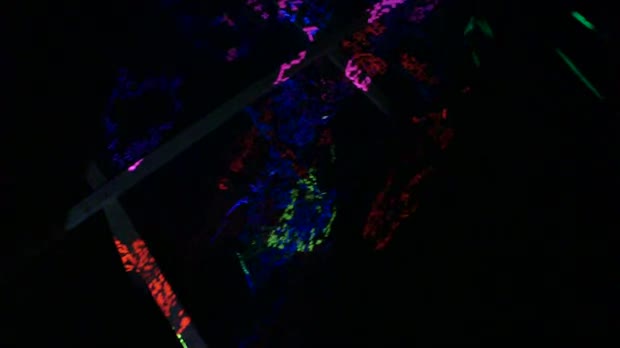
- Die Scheune VII ist ein mediales Happening im privaten Ambiente eines Weingartener Hinterhofes. Das Idyll des Dorfes trifft hier auf die Gedankenwelt des Medienkünstlers Jan Cordes, der hier Einblick in seine Werke gewährt. Er gestaltet den sonst verborgenen Raum einer alten Scheune durch Licht und Multimediale Installationen zu einer neuen Erfahrungswelt um.
- Beschreibung (en)
- Scheune VII is a media happening in the private ambience of a Weingarten backyard. Here, the idyll of the village meets the world of ideas of media artist Jan Cordes, who provides an insight into his works. He uses light and multimedia installations to transform the otherwise hidden space of an old barn into a new world of experience.
- Kategorie
- Schlagworte
- Datierung
- 26.06.2016 - 27.06.2016
- Mitwirkende
- Ort
- Körnerstraße 7
76356 Weingarten
- Körnerstraße 7
- Internetlinks
- Titel
- Scheune VII
- Semester
- Studiengang
- Typ der Abschlussarbeit
- Importiert am
- 30.08.2024
- Übergeordnete Sets
- 2
- Set enthält
- 9 2
G.O.T.T.A.L.I.S.T.E.N.
Name that can easily go onto 2 lines
Author that can easily go onto 2 lines as well
- Titel
- G.O.T.T.A.L.I.S.T.E.N.
- Autor/in
- Beschreibung (de)
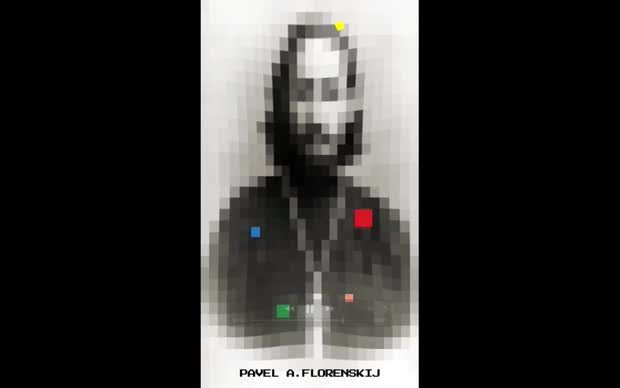
- "GOTTALISTEN", kurz für „Grab One Terrene Thought And Let It Slide To Eternal Nothingness”, beschäftigt sich mit der Zeit der Oktoberrevolution in Russland im Jahr 1917. Die Klebeband-Leinwände nehmen Bezug auf den Künstler Kasimir Malewitsch, der während dieser Epoche in Russland lebte. Zudem setzt Claus sich mit dem russischen Religionsphilosoph, Priester, Mathematiker und Kunstwissenschaftler Pavel Florenskij auseinander.
- Beschreibung (en)
- "GOTTALISTEN", short for "Grab One Terrene Thought And Let It Slide To Eternal Nothingness", deals with the time of the October Revolution in Russia in 1917. The tape canvases refer to the artist Kasimir Malewitsch, who lived in Russia during this era. Claus also deals with the Russian religious philosopher, priest, mathematician and art historian Pavel Florenskij.
- Kategorie
- Schlagworte
- Titel
- G.O.T.T.A.L.I.S.T.E.N.
- Projektleiter/in
- Semester
- Studiengang
- Typ der Abschlussarbeit
- Importiert am
- 08.08.2024
- Übergeordnete Sets
- 0
- Set enthält
- 1 27