Sets
444 Inhalte
- Seite 1 von 37
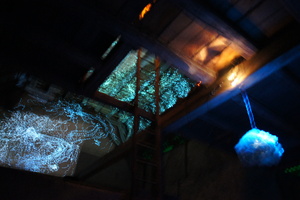
Blau
Name that can easily go onto 2 lines
Author that can easily go onto 2 lines as well
- Titel
- Blau
- Titel
- Blau
- Importiert am
- 13.11.2025
- Übergeordnete Sets
- 1
- Set enthält
- 0 7
block to blob
Name that can easily go onto 2 lines
Author that can easily go onto 2 lines as well
- Titel
- block to blob
- Titel (en)
- block to blob
- Untertitel
- tracing back materiality
- Untertitel des Projekts/Werks (en)
- tracing back materiality
- Autor/in
- Beschreibung (de)
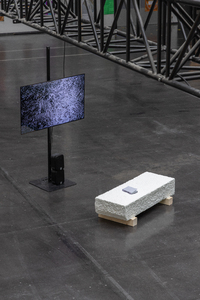
- Dieses Diplomprojekt dokumentiert den Materialstrom von synthetischen Kunststoffen durch einen rückwärtsgerichteten chronologischen Ansatz. Es kombiniert Feldforschung, visuelle Dokumentation und Materialexperimente, um die Reise von Kunststoffen von ihren Endprodukten zurück zu ihrem Ursprung im Erdöl nachzuvollziehen.
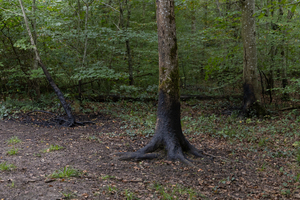
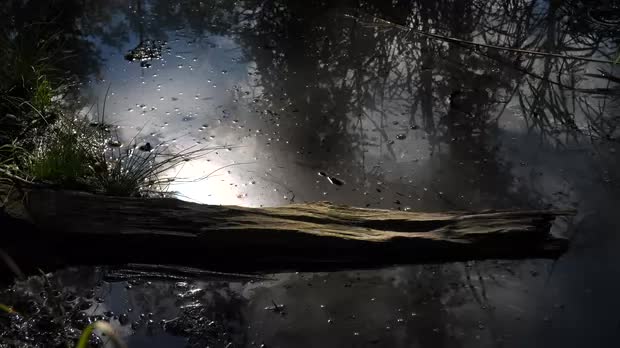
"Block to Blob" umfasst Besuche an verschiedenen Orten der Produktionskette, wie etwa Produktionsanlagen, Ölraffinerien, Pipelines und Förderstätten und endet in einem Waldökosystem, wo Rohöl auf natürliche Weise an die Erdoberfläche tritt. Diese Erfahrungen werden in einer Forschungspublikation zusammengestellt, die dieser rückwärtsgerichteten Erzählweise folgt.
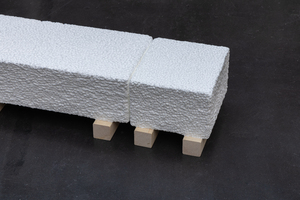
Eine Videoinstallation dokumentiert die besuchten Orte und liefert einen visuellen Kontext zu den industriellen Prozessen, der verborgenen Infrastruktur und der natürlichen Substanz im Wald. Zusätzlich verankert eine Reihe von Objekten, die aus mit Erdöl beschichtetem Holz und Polystyrol gefertigt sind, das Projekt in greifbaren Materialien.
- Dieses Diplomprojekt dokumentiert den Materialstrom von synthetischen Kunststoffen durch einen rückwärtsgerichteten chronologischen Ansatz. Es kombiniert Feldforschung, visuelle Dokumentation und Materialexperimente, um die Reise von Kunststoffen von ihren Endprodukten zurück zu ihrem Ursprung im Erdöl nachzuvollziehen.
- Beschreibung (en)
- This diploma project details the material stream of synthetic plastics through a reverse chronological approach. It combines field research, visual documentation, and material experimentation to retrace the journey of plastics from their final products back to their origins in petroleum.
‘block to blob’ includes visits to various sites in the production chain, such as manufacturing facilities, oil refineries, pipelines, and extraction sites, concluding in a forest ecosystem, where crude oil naturally seeps to the earth's surface. These experiences are compiled into a research publication that follows this reverse narrative.
A video installation documents the visited locations, providing visual context for the industrial processes, hidden infrastructure and the natural substance in the forest. Additionally, a series of objects made from petroleum-coated wood and polystyrene grounds the project in tangible materials.
- This diploma project details the material stream of synthetic plastics through a reverse chronological approach. It combines field research, visual documentation, and material experimentation to retrace the journey of plastics from their final products back to their origins in petroleum.
- Kategorie
- Typ des Projekts/Werks
- Schlagworte
- Datierung
- 2024
- Sprache
- Untertitel (Film)
- Material
- Technik/Verfahren/Formate
- Pine wood coated with petroleum, Wood soaked in gasoline and pressed/bonded with polystyrene
- Abmessungen
- L x B x H mm, Petroleum-coated wooden objects: Bench: 800 x 200 x 450, 2x T-Stool: 350 x 200 x 450, Stool (3-legged): 450 x 270 x 450, Stool (wide): 600 x 450 x 450, TV stand: - Polystyrene Objekts: Counter: 500 x 370 x 1100, 2x Bench1: 1000 x 570 x 400, Bench2: 1300 x 570 x 350, Stool: 500 x 370 x 570
- Dauer
- 1.: upstream 0 - oil seeping naturally to the surface - Alsace - 2:55min, 2.: upstream 1 - prospect drilling for oil reservoirs - Weingarten - 2:17min, 3.: upstream 2 - horse head pumps extracting oil - Landau - 3:50min, 4.: midstream - transalpine pipeline - Triest-Karlsruhe - 10:40min, 5.: downstream 1 - germany biggest oil refinery - Karlsruhe - 3:13min, 6.: downstream 2 - world biggest chemical plant - Ludwigshafen - 2:19min
- Ort: Institution
- Ort
- Lichthof 3
- Stadt
- Land
- Titel
- block to blob
- Untertitel
- tracing back materiality
- Projektleiter/in
- Semester
- Studiengang
- Typ der Abschlussarbeit
- Lehrveranstaltung
- Importiert am
- 03.11.2024
- Übergeordnete Sets
- 3
- Set enthält
- 4 1
block to blob - exhibition
Name that can easily go onto 2 lines
Author that can easily go onto 2 lines as well
- Titel
- block to blob - exhibition
- Titel (en)
- block to blob - exhibition
- Autor/in
- Kategorie
- Titel
- block to blob - exhibition
- Projektleiter/in
- Studiengang
- Typ der Abschlussarbeit
- Importiert am
- 19.11.2024
- Übergeordnete Sets
- 1
- Set enthält
- 0 7
block to blob - objects
Name that can easily go onto 2 lines
Author that can easily go onto 2 lines as well
- Titel
- block to blob - objects
- Titel (en)
- block to blob - objects
- Autor/in
- Kategorie
- Titel
- block to blob - objects
- Projektleiter/in
- Studiengang
- Typ der Abschlussarbeit
- Importiert am
- 19.11.2024
- Übergeordnete Sets
- 1
- Set enthält
- 0 4
block to blob - publication
Name that can easily go onto 2 lines
Author that can easily go onto 2 lines as well
- Titel
- block to blob - publication
- Titel (en)
- block to blob - publication
- Autor/in
- Kategorie
- Titel
- block to blob - publication
- Projektleiter/in
- Studiengang
- Typ der Abschlussarbeit
- Importiert am
- 19.11.2024
- Übergeordnete Sets
- 1
- Set enthält
- 0 2
block to blob - videos
Name that can easily go onto 2 lines
Author that can easily go onto 2 lines as well
- Titel
- block to blob - videos
- Titel (en)
- block to blob - videos
- Autor/in
- Kategorie
- Typ des Projekts/Werks
- Titel
- block to blob - videos
- Projektleiter/in
- Studiengang
- Typ der Abschlussarbeit
- Importiert am
- 19.11.2024
- Übergeordnete Sets
- 1
- Set enthält
- 0 6
BookBauFestival 2
Name that can easily go onto 2 lines
Author that can easily go onto 2 lines as well
- Titel
- BookBauFestival 2
- Titel (en)
- BookBauFestival 2
- Autor/in
- Beschreibung (de)
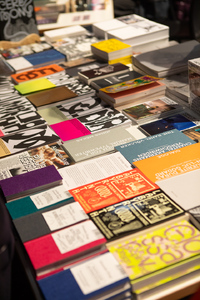
- Vom 31. Januar bis 2. Februar 2025 findet zum zweiten Mal das BookBauFestival an der Hochschule für Gestaltung Karlsruhe (HfG Karlsruhe) statt. Das Festival bringt Studierende unserer und anderer Hochschulen sowie Protagonisten der internationalen und nationalen Künstlerbuchszene zusammen, um ihr vielfältiges Angebot an Künstlerbüchern einem engagierten Publikum zu präsentieren.
Im Mittelpunkt des BookBauFestivals stehen die Themen Ökonomie, nachhaltige Produktion und die Ausstellung/Sammlung von Künstlerbüchern. Während der drei Tage sind Workshops für Kinder und Erwachsene sowie Vorträge von Protagonisten der Szene geplant, die für alle offen sind. Von der HfG beteiligen sich die Initiativen BookBoi*, KLAK, die Studentenzeitschrift Schwarm sowie die Zeitschriften UMBAU. Die gemeinsame Bibliothek von ZKM und HfG stellt eine Auswahl historischer Bücher aus.
Das BookBauFestival wurde interdisziplinär konzipiert, unter Beteiligung von Studierenden des Seminars „Künstlerbücher mit Fotografie“ unter der Leitung von Prof. Susanne Kriemann, der Lehrbeauftragten Hangyan Chen sowie Teilnehmern des Seminars „BookBauScenography“ unter der Leitung von Vera Gärtner.
Programm
Freitag
17:00 – 20:00 Eröffnung (Lichthof 3 & 4)
17:00 – 19:00 It’s time to grow up, Workshop: Bookboi*, bring your own book (Living Library Space)
18:00 – 19:00 The Famliy Album: Reading and Sharing, Literatursalon mit Monilola Olayemi Ilupeju, Moderation: Paolo Caffoni (Lichthof 4)
Samstag
12:00 – 19:00 Art BookFair (Lichthof 3 & 4)
12:00 –19:00 Kids BookBau-Stammtisch (unter der Lichtbrücke)
14:00 – 17:00 It’s time to grow up, Workshop: Bookboi*, bring your own book (Living Library Space)
12:00 – 15:00 The Family Album: Workshop, A Writing and Drawing mit Monilola Olayemi Ilupeju (Room 115)
12:00 – 12:30 Economy and sustainable production, Reading and Sharing: Mark Pezinger Books (Lichthof 4)
12:30 – 13:00 A book a day keeps publishers in play, Reading and Sharing: Spector Books (Lichthof 4)
13:00 – 13:30 Independent publishing: a footnote, Reading and Sharing: BackBoneBooks (Lichthof 4)
13:30 – 14:30 Students lead presentation, Reading and Sharing: ABK Stuttgart, Uni Siegen, HBK Braunschweig, HfG Offenbach, HfG Karlsruhe (Lichthof 4)
15:00 – 16:00 Bookstop Bookshop Buchhaus Round Table: einBuch.haus, ABA Air Berlin Bookstop Alexanderplatz, Limestone Books, Moderation: Susanne Kriemann (Lichthof 4)
Sonntag
12.00 – 18.00 Art BookFair (Lichthof 3 & 4)
12.00 – 18.00 BookBau-Stammtisch for kids (unter der Lichtbrücke)
14:00 – 17:00 It’s time to grow up, Workshop: Bookboi*, bring your own book (Living Library Space)
12.00 – 12.30 Selfpublishing — collective sharing session, Reading and Sharing: Katrin Kamrau (Lichthof 4)
12.30 – 13.00 Making, Meeting, Exchanging around art books in China, Reading and Sharing: abC China (Lichthof 4)
13.00 – 13.30 Reading and Sharing: Everyedition (Lichthof 4)
13.30 – 14.30 Reading and Sharing: Monroe Books (Lichthof 4)
14.00 - 14.30 Literarische Miniaturen, Reading and Sharing: KLAK (HfG Karlsruhe, Lichthof 4)
15:00 bis 16:00 Round Table: Publishing als artistic practice: Kenneth Ting-Yu Lin (Nomad Papaya Books), Yun Chen (51 Personae), Ronak Moshtaghi (Bazar Artbooks) and moderated by Céline Condorelli (HfG Karlsruhe)
18.00 Ende BookBauFestival
- Vom 31. Januar bis 2. Februar 2025 findet zum zweiten Mal das BookBauFestival an der Hochschule für Gestaltung Karlsruhe (HfG Karlsruhe) statt. Das Festival bringt Studierende unserer und anderer Hochschulen sowie Protagonisten der internationalen und nationalen Künstlerbuchszene zusammen, um ihr vielfältiges Angebot an Künstlerbüchern einem engagierten Publikum zu präsentieren.
- Beschreibung (en)
- The second edition of the BookBauFestival, hosted by the Karlsruhe University of Arts and Design (HfG Karlsruhe), will take place from January 31st to February 2nd, 2025. This festival will bring together students from our and other universities and protagonists from the international and national artists' book scene, to present their diverse range of artists' books to an engaged visitors.
The BookBauFestival will focus on the themes of economics, sustainable production, and the exhibition/collection of artists' books. During the three days, workshops for children and adults as well as talks by protagonists of the scene are planned and are open to all. From HfG, the initiatives BookBoi*, KLAK, the student publication Schwarm as well as the magazines UMBAU take part. The joint library of ZKM and HfG exhibits a selection of historical books.
The BookBauFestival was conceived in an interdisciplinary way, involving students from the seminar “artists’ books with photography” led by Prof. Susanne Kriemann, associate teacher Hangyan Chen as well as participants from the seminar “BookBauScenography” led by Vera Gärtner.
Program
Friday
17:00 – 20:00 Eröffnung (Lichthof 3 & 4)
17:00 – 19:00 It’s time to grow up, Workshop: Bookboi*, bring your own book (Living Library Space)
18:00 – 19:00 The Family Album: Reading and Sharing: Literatursalon with Monilola Olayemi Ilupeju, moderated by Paolo Caffoni, Lichthof 4
Samstag
12:00 – 19:00 BookFair (Lichthof 3 & 4)
12:00 –1 9:00 Kids BookBau-Stammtisch (Lichthof 3)
14:00 – 17:00 It’s time to grow up, Workshop: Bookboi*, bring your own book (Living Library Space)
12:00 – 15:00 The Family Album: Workshop: A Writing and Drawing with Monilola Olayemi Ilupeju (Room 115)
12:00 – 12:30 Economy and sustainable production, Reading and Sharing: Mark Pezinger Books (Lichthof 4)
12:30 – 13:00 A book a day keeps publishers in play, Reading and Sharing: Spector Books (Lichthof 4)
13:00 – 13:30 Independent publishing: a footnote, Reading and Sharing: BackBoneBooks (Lichthof 4)
13:30 – 14:30 Students lead presentation, Reading and Sharing: ABK Stuttgart, Uni Siegen, Uni Siegen, HBK Braunschweig, HfG Offenbach, HfG Karlsruhe (Lichthof 4)
15:00 – 16:00 Bookstop Bookshop Buchhaus, Round Table: einBuch.haus, ABA Air Berlin Bookstop Alexanderplatz, Limestone Books, HfG Karlsruhe (Lichthof 4)
Sonntag
12.00 – 18.00 BookFair (Lichthof 3, Lichthof 4)
12.00 – 18.00 BookBau-Stammtisch for kids (Lichthof 3)
14:00 – 17:00 It’s time to grow up, Workshop: Bookboi*, bring your own book (Living Library Space)
12.00 – 12.30 Selfpublishing — collective sharing session, Reading and Sharing: Katrin Kamrau (Lichthof 4)
12.30 – 13.00 Making, Meeting, Exchanging around art books in China, Reading and Sharing: abC China (Lichthof 4)
13.00 – 13.30 Reading and Sharing: Everyedition (Lichthof 4)
13.30 – 14.30 Reading and Sharing: Monroe Books (Lichthof 4)
14.00 - 14.30 Literarische Miniaturen, Reading and Sharing: KLAK (HfG Karlsruhe, Lichthof 4)
15:00 bis 16:00 Round Table: Publishing als artistic practice: Kenneth Ting-Yu Lin (Nomad Papaya Books), Yun Chen (51 Personae), Ronak Moshtaghi (Bazar Artbooks) and moderated by Céline Condorelli (HfG Karlsruhe)
18.00 End BookBauFestival
- The second edition of the BookBauFestival, hosted by the Karlsruhe University of Arts and Design (HfG Karlsruhe), will take place from January 31st to February 2nd, 2025. This festival will bring together students from our and other universities and protagonists from the international and national artists' book scene, to present their diverse range of artists' books to an engaged visitors.
- Kategorie
- Datierung
- 31.01.2025 - 02.02.2025
- Mitwirkende
- Ort: Institution
- Internetlinks
- Titel
- BookBauFestival 2
- Importiert am
- 24.02.2025
- Übergeordnete Sets
- 1
- Set enthält
- 0 35
Broschüren
Name that can easily go onto 2 lines
Author that can easily go onto 2 lines as well
- Titel
- Broschüren
- Autor/in
- Kategorie
- Typ des Projekts/Werks
- Titel
- Broschüren
- Importiert am
- 10.07.2024
- Übergeordnete Sets
- 0
- Set enthält
- 0 3
Brunnen Geschichten
Name that can easily go onto 2 lines
Author that can easily go onto 2 lines as well
- Titel
- Brunnen Geschichten
- Titel (en)
- Fountain Stories
- Autor/in
- Beschreibung (de)
- Die Foto-Installation wurde im Rahmen eines Seminars „A Photo Book in Two Parts“ im Bereich Kommunikationsdesign im Wintersemester 2023/2024 erarbeitet und von dem Grafik- und Fotodesignstudio „Europium“ betreut. Die Gastdozierenden Ghazaal Vojdani und Julia Andréone hat die Studierenden dazu angeleitet, Mikro-Ereignisse, die spezifisch in der Stadt Karlsruhe auftreten, zu entdecken. Diese Narrative werden in Verbindung mit gefundenen Fotografien erzählt.
Karlsruhe verfügt über bis zu 300 offizielle Brunnen. In den urbanen Räumen, in denen diese Brunnen installiert sind, wachsen unbemerkt Flechten in unterschiedlichen Farben und Formen. Während sich diese Flechten langsam ausbreiten, bilden sich gleichzeitig informelle Gemeinschaften von Menschen, die sich rund um diese Brunnen versammeln. Alle diese Begegnungen entstehen auf Grundlage der zirkulären Wasserquelle, die die Brunnen darstellen.
Die Geschichte wird anhand von Archivfotografien erzählt. Die Fotografien der Installation wurden bearbeitet und anschließend im RISO-Druckverfahren sowie durch Laserdruck reproduziert. Auf der Rückseite der Fotografien befinden sich Textfragmente, die sich mit den Themen Brunnen, Flechten, Gemeinschaften und Wasser auseinandersetzen. Diese Texte helfen den Betrachtern, eine Erzählung zu den abgebildeten Fotografien zu entwickeln.
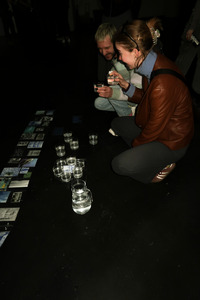
Die Fotografien befinden sich in Plastiktaschen, die einen fünf Meter langen Vorhang bilden. Dieser hängt an einem Stahlträger und fällt flach zu Boden. Der Vorhang symbolisiert das Narrativ des Wasserstrahls, entlang dessen sich die Mikro-Phänomene ereignen, wie die Bildung von Gemeinschaften rund um Brunnen und das Wachsen von Flechten auf Gestein. Am Fuße des Vorhangs befinden sich gefüllte Wassergläser und eine Karaffe, die zum Trinken einladen. Diese Elemente fördern neue Begegnungen und Gespräche zwischen den Betrachtern.
Die Installation wurde einmalig am 14. Februar 2024 zusammen mit den anderen Projekten des Seminars „A Photo Book in Two Parts“ im Lichthof Eins während des Präsentationstags des Fachbereichs Kommunikationsdesign ausgestellt.
- Die Foto-Installation wurde im Rahmen eines Seminars „A Photo Book in Two Parts“ im Bereich Kommunikationsdesign im Wintersemester 2023/2024 erarbeitet und von dem Grafik- und Fotodesignstudio „Europium“ betreut. Die Gastdozierenden Ghazaal Vojdani und Julia Andréone hat die Studierenden dazu angeleitet, Mikro-Ereignisse, die spezifisch in der Stadt Karlsruhe auftreten, zu entdecken. Diese Narrative werden in Verbindung mit gefundenen Fotografien erzählt.
- Beschreibung (en)
- The photo installation was developed as part of a seminar "A Photo Book in Two Parts" in communication design in the winter semester 2023/2024 and supervised by the graphic and photo design studio Europium. Guest lecturers Ghazaal Vojdani and Julia Andréone guided the students to discover micro-events that occur specifically in the city of Karlsruhe. These narratives are told in conjunction with found images.
Karlsruhe has up to 300 official fountains. In the urban spaces where these fountains are installed, lichens of different colors and shapes grow unnoticed. As these lichens slowly spread, informal communities of people gather around these fountains. All these encounters are based on the circular water source that the fountains represent.
The story is told through archival photographs. The photographs of the installation were edited and then reproduced using the RISO printing process and laser printing. On the back of the photographs are text fragments that deal with the themes of fountains, lichen, communities and water. These texts help the viewer to develop a narrative about the photographs depicted.
The photographs are in plastic bags that form a five-meter-long curtain. This hangs from a steel girder and falls flat to the floor. The curtain symbolizes the narrative of the water stream along which the micro-phenomena take place, such as the formation of communities around fountains and the growth of lichen on rock. At the foot of the curtain are filled glasses of water and a carafe that invite people to drink. These elements encourage new encounters and conversations between viewers.
The installation was only exhibited on February 14, 2024 during the Communication Design department's presentation day together with the other projects that were made in the seminar "A Photo Book in Two Parts" .
- The photo installation was developed as part of a seminar "A Photo Book in Two Parts" in communication design in the winter semester 2023/2024 and supervised by the graphic and photo design studio Europium. Guest lecturers Ghazaal Vojdani and Julia Andréone guided the students to discover micro-events that occur specifically in the city of Karlsruhe. These narratives are told in conjunction with found images.
- Kategorie
- Typ des Projekts/Werks
- Schlagworte
- Datierung
- 14.02.2024
- Sprache
- Material
- Abmessungen
- 5m x 2m x 3m
- Ort: Institution
- Ort
- Lichthof 1
- Stadt
- Land
- Beteiligte Institution(en)
- Titel
- Brunnen Geschichten
- Projektleiter/in
- Semester
- Studiengang
- Lehrveranstaltung
- Importiert am
- 04.02.2025
- Übergeordnete Sets
- 0
- Set enthält
- 0 6
Bunte Nacht der Digitalisierung 2024
Name that can easily go onto 2 lines
Author that can easily go onto 2 lines as well
- Titel
- Bunte Nacht der Digitalisierung 2024
- Titel (en)
- Colourful Night of Digitalization 2024
- Beschreibung (de)
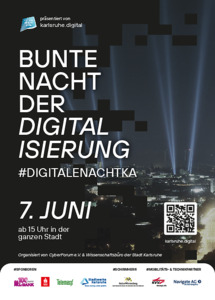
- Am 7. Juni findet die Bunte Nacht der Digitalisierung statt, ein Festival, das die Vielfalt der Perspektiven und Herausforderungen der Digitalisierung in Karlsruhe feiert. Diese Initiative öffnet den Karlsruher Bürgern die Türen von mehr als 60 Institutionen (Bibliotheken, Museen, Universitäten, Unternehmen, Bürgerinitiativen), um verschiedene Themen und Ansätze zur Digitalisierung zu zeigen und zu diskutieren.
- Beschreibung (en)
- On June 7th, the Colourful Night of Digitization, a festival to celebrate the diversity of perspectives and challenges on digitization that exists in Karlsruhe, will take place. This initiative opens the doors of more than 60 institutions (libraries, museums, universities, enterprises, civil initiatives) to the citizens of Karlsruhe to show and discuss diverse topics and approaches to digitality.
- Typ des Projekts/Werks
- Schlagworte
- Datierung
- 07.06.2024
- Mitwirkende
- Ort: Institution
- Ort
- Hochschule für Gestaltung: 112
Kronenplatz;
Werkstatt und Studio von Triangel
- Hochschule für Gestaltung: 112
- Stadt
- Land
- Beteiligte Institution(en)
- Internetlinks
- Titel
- Bunte Nacht der Digitalisierung 2024
- Importiert am
- 05.06.2024
- Übergeordnete Sets
- 1
- Set enthält
- 3 1
By Users for Users
Name that can easily go onto 2 lines
Author that can easily go onto 2 lines as well
- Titel
- By Users for Users
- Untertitel
- Memes als digitale Folklore
- Untertitel des Projekts/Werks (en)
- Memes as Digital Folklore
- Autor/in
- Beschreibung (de)
- Die vorliegende Abschlussarbeit „By Users for Users. Memes als digitale Folklore“ untersucht die kulturellen, technologischen und politischen Dimensionen von Internet-Memes als eine der zentralen Bildpraktiken der Gegenwart. Memes werden dabei nicht nur als humoristische Phänomene, sondern als Ausdruck einer globalen, partizipativen Bildkultur verstanden, die häufig auch als eine Form digitaler Folklore-Kultur beschrieben wird. Die Arbeit untersucht die Bedeutungsebenen dieser Begrifflichkeit und analysiert neben den technischen und ästhetischen Rahmenbedingungen von Memes ihre identitätsstiftende Funktion innerhalb digital vernetzter Gemeinschaften sowie ihre Verstrickungen mit plattformkapitalistischen Infrastrukturen. Ein besonderer Fokus liegt darauf, wie einzelne Memes, Communitys und Plattformen durch reaktionäre Akteur:innen angeeignet und instrumentalisiert werden.
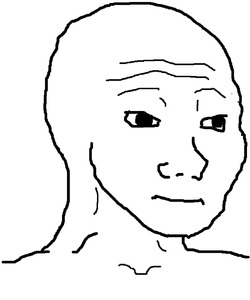
Als Fallbeispiel dient der Arbeit das sog. Wojak-Meme, eine dilettantisch erstellte Computergrafik eines melancholischen Gesichts. Wojak illustriert nicht nur die für Memes charakteristische Amateurästhetik, sondern auch, wie Memes als ‚visuelle Dialekte‘ bestimmter Communitys funktionieren und hierbei sowohl Gemeinschaft stiften als auch ausschließen können. Speziell das Wojak-Meme und seine Variationen werden durch die neurechte Alt-Right sowie durch die misogyne Incel-Community verwendet, um unter dem Deckmantel von Ironie und Humor Ideologien und Feindbilder zu erzeugen und zu verbreiten.
Genau wie der Philosoph Antonio Gramsci die Relevanz von Folklore für den frühen italienischen Faschismus beschrieb, trägt auch digitale Folklore maßgeblich zur Konstitution von Weltbildern bei und ist dabei oft wirkmächtiger als offizielle Normen und Gesetze. Was einst als eine ‚Demokratisierung der Bildproduktion‘ beschrieben wurde, ist längst zu einer Gefahr für die Demokratie geworden. Abschließend plädiert die Arbeit deshalb für eine kritische Folkloristik des Digitalen, die die Bildwelten der Partizipationskultur interdisziplinär zwischen Kunst- und Medienwissenschaften analysiert, um so deren Bildcharakter sowie die Dynamiken digitaler Infrastrukturen zu reflektieren.
- Die vorliegende Abschlussarbeit „By Users for Users. Memes als digitale Folklore“ untersucht die kulturellen, technologischen und politischen Dimensionen von Internet-Memes als eine der zentralen Bildpraktiken der Gegenwart. Memes werden dabei nicht nur als humoristische Phänomene, sondern als Ausdruck einer globalen, partizipativen Bildkultur verstanden, die häufig auch als eine Form digitaler Folklore-Kultur beschrieben wird. Die Arbeit untersucht die Bedeutungsebenen dieser Begrifflichkeit und analysiert neben den technischen und ästhetischen Rahmenbedingungen von Memes ihre identitätsstiftende Funktion innerhalb digital vernetzter Gemeinschaften sowie ihre Verstrickungen mit plattformkapitalistischen Infrastrukturen. Ein besonderer Fokus liegt darauf, wie einzelne Memes, Communitys und Plattformen durch reaktionäre Akteur:innen angeeignet und instrumentalisiert werden.
- Beschreibung (en)
- The M.A. thesis "By Users for Users. Memes as Digital Folklore" examines the cultural, technological and political dimensions of Internet memes as one of the central image practices of the present day. Memes are understood not only as a humorous phenomenon, but also as an expression of a global, participatory image culture, which is often described as a form of digital folklore culture. The text examines the layers of meaning of this terminology and, in addition to the technological and aesthetic conditions of memes, analyzes their identity-forming function within digitally networked communities as well as their entanglements with platform capitalist infrastructures. A particular focus is on how individual memes, communities and platforms are appropriated and instrumentalized by reactionary actors.
The so-called Wojak meme, an amateurishly created computer graphic of a melancholy face, serves as a case study. Wojak illustrates not only the amateur aesthetics characteristic of memes, but also the function of memes as ‘visual dialects’ of certain communities which simultaneously include and exclude individuals. In particular, the Wojak meme and its variations are used by the reactionary alt-right and the misogynistic incel community to create and disseminate ideologies and enemy images under the guise of irony and humor.
Just as philosopher Antonio Gramsci described the relevance of folklore for early Italian fascism, digital folklore also contributes significantly to the constitution of world views and, often proving more powerful than official laws and values. What was once described as a ‘democratization of image production’ has long since become a threat to democracy. In its conclusion, the thesis therefore advocates for a critical folkloristics of the digital that analyzes the visual worlds of participatory culture in an interdisciplinary way between art history and media studies in order to reflect on their visual character and the dynamics of digital infrastructures.
- The M.A. thesis "By Users for Users. Memes as Digital Folklore" examines the cultural, technological and political dimensions of Internet memes as one of the central image practices of the present day. Memes are understood not only as a humorous phenomenon, but also as an expression of a global, participatory image culture, which is often described as a form of digital folklore culture. The text examines the layers of meaning of this terminology and, in addition to the technological and aesthetic conditions of memes, analyzes their identity-forming function within digitally networked communities as well as their entanglements with platform capitalist infrastructures. A particular focus is on how individual memes, communities and platforms are appropriated and instrumentalized by reactionary actors.
- Kategorie
- Typ des Projekts/Werks
- Schlagworte
- Datierung
- 05.02.2025
- Dank an
- Sprache
- Abmessungen
- 144 Seiten (109 Textseiten)
- Titel
- By Users for Users
- Untertitel
- Memes als digitale Folklore
- Projektleiter/in
- Semester
- Studiengang
- Typ der Abschlussarbeit
- Importiert am
- 25.06.2025
- Übergeordnete Sets
- 3
- Set enthält
- 0 8
Catalogue
Name that can easily go onto 2 lines
Author that can easily go onto 2 lines as well
- Titel
- Catalogue
- Titel (en)
- Catalogue
- Autor/in
- Beschreibung (de)
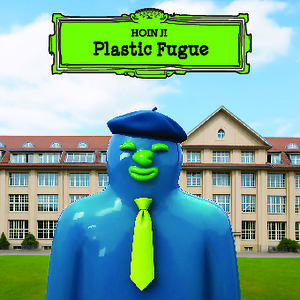
- Plastic Fugue als Diplomprojekt besteht aus vier Teilen:
0. Introducing ipcl, ein Einführungsvideo, das eine Produktpräsentation imitiert. CEO Framey von „Moberm“, einer fiktiven Firma, spricht darüber, wie Moberm aufgrund der Kindheitserinnerungen des CEOs beschloss, sein Geschäft auf Musikinstrumente auszuweiten. Das Video behauptet selbstbewusst die Multifunktionalität der air&dust-Instrumente, bleibt dabei jedoch letztlich inhaltsleer. Framey, die sprechende Figur, artikuliert indirekt die Erzählung der Person hinter dem Werk und stellt gleichzeitig eine von Stereotypen und Neoliberalismus durchzogene Kunststruktur nach.
1. Plastic Fugue, eine interaktive Klanginstallation, bestehend aus sechs Flöten (air 5-10, air Pp 1), die jeweils nur einen Ton erzeugen und über codierte Dirigierknöpfe ferngesteuert aktiviert werden. Die Reihenfolge der Töne ist jedes Mal zufällig. Die Fuge wird auf ihre Struktur reduziert und in ein Spiel mit Sequenz und Zeit überführt. Anstelle der idealisierten Ordnung stelle ich mir eine offenere Art der Klangmontage vor, eine Art demokratischer Kontrapunkt.
2. Sax Recital, ein Video, gespielt von Arno Arial mit der DIY-Saxophone-Serie, deren Mundstücke auf Open-Source-3D-Modellen basieren und handgefertigt aus PCL und PLA bestehen. Das Stück wurde aufgenommen, während Arial Kopfhörer trug, um klassische Musik zu hören, sowie lärmunterdrückende Ausrüstung darüber, um sowohl äußere als auch selbst erzeugte Klänge auszublenden. Das Video läuft im Ausstellungsraum in Dauerschleife und bildet gemeinsam mit Plastic Fugue eine gebrochene fugenhafte Gegenstimme.
3. Pp 1-8, air 1-4 und dust 1-2, frühe Instrumente und Polymer-Gemälde, bei denen ich keinen überzeugenden Grund fand, weiterhin traditionelle Materialien zu verwenden. Also entschied ich mich, sie stattdessen mit PCL und PLA zu schaffen.
Die oben genannten Arbeiten sind das Ergebnis eines Instrumentenbaus durch DIY-Praxis und Open-Source-Dateien aus dem Internet, indem die Illusion der klassistischen Form geschmolzen, vermischt und in biologisch abbaubare Polymere gegossen wurde, nicht nur mit der Hand, sondern auch mit dem 3D-Drucker. Eine besondere Qualifikation ist für die Herstellung nicht nötig. Die Bauanleitungen für diese DIY-Instrumente werden während der Ausstellung und auf der Website zur Verfügung gestellt.
Wenn das Publikum die Knöpfe drückt, spielt dieses neutrale Orchester eine fugenhafte Struktur, bei der sich alle paar Sekunden Klänge überlagern. Die Kontrolle über das Orchester liegt beim Publikum. Die Arbeit hinterfragt geerbte Hierarchien, sowohl durch Material als auch durch Methode.
Für Kinder, die früh gelernt haben, nichts zu verlangen, und für Erwachsene, die mit dieser Erinnerung aufgewachsen sind.
- Plastic Fugue als Diplomprojekt besteht aus vier Teilen:
- Beschreibung (en)
- Plastic Fugue as Diplom project features four parts.
0. Introducing air&dust, a (introduction) video that appropriates a product unveiling conference. CEO Framey from Moberm, a pseudo corporation, speaks about how Moberm decided to expand its business into musical instruments based on the CEO's childhood memory. It boldly claims air&dust’s multifunctionality in musical instruments but remains ultimately hollow.
Framey, the speaking character, serves as a device that indirectly voices the artist's narrative within the work, while also reenacting the structure of art polluted by stereotypes and neoliberalism. The character is made with the virtual youtuber avatar technique.
1. Plastic Fugue, an interactive sound installation which consists of six flutes (air 5-10, air Pp 1) with air pumps, each producing a single tone and activated remotely through coded conducting buttons. The order of play is random every time as the buttons signal remotely.
The fugue has long stood as a symbol of musical authority and elitism, a form that represents technical mastery and the traditional hierarchy of composition. In my work, I try to break apart that formal authority, stripping the fugue down to its bare structure and shifting it toward an exploration of sequence and time. Instead of upholding its idealized order, I imagine a more open, accessible way of assembling sound, a kind of democratic counterpoint. You could call it a process of unmaking the fugue, of abstracting it.
2. Sax Recital, a recital video piece played by Arno Arial featuring DIY-Saxophone series, which is a quite decent structure of mouthpiece built using open-source 3D models and handcrafted with PCL and PLA. Filmed while Arial was wearing earphones for listening to classical music and soundproof gear on top to block out both external and self-produced instrumental sound. This piece is loop-playing all the time in the exhibition, making broken fugal counterpoint together with Plastic Fugue.
3. Pp 1-9, air 1-4, and dust 1-2, early-made instruments and polymer paintings which I found no compelling reason to continue using traditional materials, and so I ended up creating them with PCL and PLA.
The above instruments and paintings are the result of instrument-making through DIY-ness and open-source files from the internet by melting, merging, and mixing the illusion of classism's shape into biodegradable polymers, not only with a hand, but also with a 3D printer. However, any sacred qualification to make is not needed. DIY instructions for these DIY instruments are distributed at the exhibition and website.
When audiences press the buttons, this neutral orchestra plays a Fugue-like style, which overlaps sounds every few seconds. Placing control of the orchestra in the hands of the audience, the work democratizes a position of authority and questions inherited hierarchies through both material and method.
- Plastic Fugue as Diplom project features four parts.
- Mitwirkende
- Titel
- Catalogue
- Projektleiter/in
- Semester
- Studiengang
- Typ der Abschlussarbeit
- Importiert am
- 12.07.2025
- Übergeordnete Sets
- 1
- Set enthält
- 0 1