Schaufenster Live

Schaufenster Live
| Titel |
|
| Titel (en) |
|
| Beschreibung |
|
126 Inhalte
- Seite 1 von 11
„Meine Zuständigkeit hört auf, da wo der Strom kommt“
Name that can easily go onto 2 lines
Author that can easily go onto 2 lines as well
- Titel
- „Meine Zuständigkeit hört auf, da wo der Strom kommt“
- Autor/in
- Beschreibung (de)
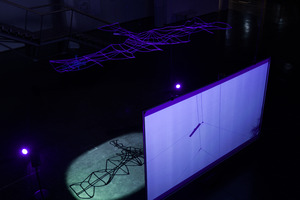
- „Meine Zuständigkeit hört auf, da wo der Strom kommt“ ist eine Installation über Straßenbahnoberleitungen. Sie setzt sich mit Infrastrukturen im öffentlichen Raum auseinander, die für uns im Alltag essenziell sind, die wir aber gelernt haben auszublenden. Sie soll diesen scheinbar banalen, anonymen Zweckbauten einen Wert verleihen und auf sie aufmerksam machen.
Oberleitungen sind in einer Stadt mit vielen Straßenbahnen, wie Karlsruhe, wenn man sich auf der Straße bewegt, immer da. Alles, was man im öffentlichen Raum sieht, sieht man durch das Netz der Oberleitungen. Sie sind allgegenwärtig und ein wichtiger Bestandteil der täglichen Fortbewegung, doch die meisten Leute blenden das im alltäglichen Leben aus. Und das ist kein Zufall: die Stadt schreibt vor, Oberleitungen so zu planen, dass sie möglichst unauffällig sind und in ihrer Umgebung untergehen. Es gibt keine Wertschätzung dafür, wie viel Technik und Material dahinter steckt, dass man sich mit der Straßenbahn durch die Stadt bewegen kann.
Auf diese Themen soll die Installation aufmerksam machen. Ich habe durch diese Arbeit einen intensiven Blick auf Oberleitungen bekommen und wollte diesen durch meine Installation teilen.
In der Installation „Meine Zuständigkeit hört auf, da wo der Strom kommt“ steht man, unter dem im Maßstab 1:26, aus blauen Seilen nachgebildeten, freischwebenden Muster, einer großen Kreuzung in Karlsruhe. Auf der Leinwand läuft ein Stop Motion Video, das alltägliche Momentaufnahmen und Blicke in Bewegung auf die Oberleitungen zeigt.
Aus drei verschiedenen Richtungen kommen Sounds. Einmal die Klänge der Bahnen, denen man auch auf einer Kreuzung zuhören könnte, und dann von rechts und links, zwei verschiedene Blickwinkel, von verschiedenen Personen auf das Thema Oberleitungen. Eins ist der technische Blick von einer Person, die mit Oberleitungen arbeitet, und der andere ist meiner, ein eher poetischer Blick den ich auf die bildliche Ebene der Oberleitungen gewonnen habe. Die eine Seite sagt, dass die Oberleitungen möglichst unauffällig sein sollen, um nicht aufzufallen, und die andere sagt, schaut nach oben, schaut was da alles hängt.
Die Installation soll den Blick der Leute, die sie anschauen, in Zukunft etwas öfter nach oben auf die Oberleitungen lenken
- „Meine Zuständigkeit hört auf, da wo der Strom kommt“ ist eine Installation über Straßenbahnoberleitungen. Sie setzt sich mit Infrastrukturen im öffentlichen Raum auseinander, die für uns im Alltag essenziell sind, die wir aber gelernt haben auszublenden. Sie soll diesen scheinbar banalen, anonymen Zweckbauten einen Wert verleihen und auf sie aufmerksam machen.
- Beschreibung (en)
- “Meine Zuständigkeit hört auf, da wo der Strom kommt” is an installation about tram overhead lines. It explores infrastructures in public spaces that are essential to our everyday lives but which we have learnt to ignore. It is intended to give these seemingly banal, anonymous functional structures a value and draw attention to them.
In a city with a lot of trams, like Karlsruhe, overhead lines are always present when you move along the street. Everything you see in public space is seen through the web of overhead lines. They are omnipresent and essential to everyday transport, however most people ignore them in their day to day lives. And this is no coincidence: the city requires overhead lines to be planned in such a way that they are as discreet as possible and blend into their surroundings. There is no appreciation of how much technology and material goes into getting a tram through the city.
The installation is intended to draw attention to this topic. This work and research has allowed me an immersive view of overhead lines, which I wanted to share and visualise through my installation.
In the installation “Meine Zuständigkeit hört auf, da wo der Strom kommt”, one stands and moves under the free-floating pattern of a large intersection in Karlsruhe, modelled on a scale of 1:26 using blue ropes. A stop motion video runs on the projection screen, showing everyday snapshots and views of the overhead lines in motion.
Sounds come from three different directions. Firstly, the sounds of the trains, which you could also listen to at a crossing, and then from the right and left, two different perspectives, from different people on the subject of overhead lines. One is the technical view of a person who works with overhead lines, and the other is mine, a more poetic view that I have gained of the visual level of the overhead lines. One side says that the overhead lines should be as subtle as possible in order not to attract attention, and the other says, look up, see what's hanging there.
With my installation I hope to draw people’s attention to the overhead lines that play such an important yet invisible role in our daily lives.
- “Meine Zuständigkeit hört auf, da wo der Strom kommt” is an installation about tram overhead lines. It explores infrastructures in public spaces that are essential to our everyday lives but which we have learnt to ignore. It is intended to give these seemingly banal, anonymous functional structures a value and draw attention to them.
- Kategorie
- Typ des Projekts/Werks
- Datierung
- 24.04.2025
- Ort
- Lichthof drei
- Titel
- „Meine Zuständigkeit hört auf, da wo der Strom kommt“
- Projektleiter/in
- Semester
- Studiengang
- Typ der Abschlussarbeit
- Importiert am
- 15.07.2025
- Übergeordnete Sets
- 1
- Set enthält
- 0 7
No Feeding
Name that can easily go onto 2 lines
Author that can easily go onto 2 lines as well
- Titel
- No Feeding
- Titel (en)
- No Feeding
- Autor/in
- Beschreibung (de)
- Tauben gehören zu den alltäglichsten Tieren unseres urbanen Lebens. In allen Städten Deutschlands sieht man sie täglich in Gassen, auf Plätzen, Dächern und Geländern. Während meiner Recherche stieß ich sogar im Stadtarchiv Karlsruhe auf zahlreiche taubenbezogene Bilder, Texte und Dokumente.
Obwohl sie wie wir in der Stadt leben, werden Tauben oft übersehen, verachtet oder gar misshandelt. Man nennt sie manchmal „fliegende Staubsauger“, weil sie Essensreste vom Boden aufpicken, oder „fliegende Ratten“, da sie als Krankheitsüberträger gelten.
Doch als ich begann, mich intensiver mit der Geschichte der Tauben zu beschäftigen, entdeckte ich eine ganz andere Seite: Früher waren sie verlässliche Boten in der Kommunikation. Auf Reisen und in kolonialen Unternehmungen nahm man Tauben mit, als Begleiter und Nachrichtenübermittler. Mit der Ausbreitung globaler Mobilität verbreiteten sich auch Tauben weltweit. Heute benötigen wir sie durch den Fortschritt der Technik nicht mehr und begegnen ihnen mit Ablehnung, wie die allgegenwärtigen Taubenabwehrspitzen an Gebäuden zeigen.
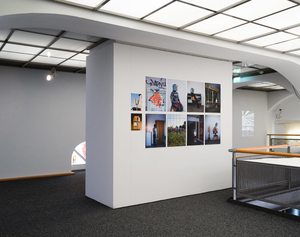
In meinen Fotografien verwende ich die Taube auf humorvolle und absurde Weise als Symbol, um ihre komplexe Beziehung zum Menschen zu thematisieren und zugleich meine eigene Identitätsfrage zu reflektieren. Mal trägt sie Anzug, mal wirkt sie einsam und verloren. Ist es ein Mensch mit Taubenmaske oder eine Taube, die versucht, ein Mensch zu sein?
- Tauben gehören zu den alltäglichsten Tieren unseres urbanen Lebens. In allen Städten Deutschlands sieht man sie täglich in Gassen, auf Plätzen, Dächern und Geländern. Während meiner Recherche stieß ich sogar im Stadtarchiv Karlsruhe auf zahlreiche taubenbezogene Bilder, Texte und Dokumente.
- Beschreibung (en)
- Pigeons are perhaps the most familiar animals in our everyday urban life. In every city across Germany, you can spot them in alleys, on rooftops, in squares, always present, always overlooked. During my research, I even found numerous images, texts, and records related to pigeons in the city archive of Karlsruhe.
Despite being fellow residents of our cities, pigeons are often ignored, despised, or mistreated. They’re sometimes called “flying vacuum cleaners” for picking up crumbs from the ground, or “flying rats” due to their association with disease.
But when I started to explore their history more deeply, I discovered another side of them: pigeons were once trusted messengers. People used them for communication, especially during travel or colonial expansion, and they became companions on long journeys. As globalization advanced, pigeons spread across the world. Today, we no longer rely on them, yet we go to great lengths to drive them away, visible in the anti-pigeon spikes found on buildings everywhere.
In my photographs, I use the pigeon’s form as a symbol in a playful and absurd way, capturing its complex identity through staged, theatrical compositions. At times it wears a suit; at others, it seems lonely or melancholic. Is it a person in a pigeon mask or a pigeon pretending to be human?
- Pigeons are perhaps the most familiar animals in our everyday urban life. In every city across Germany, you can spot them in alleys, on rooftops, in squares, always present, always overlooked. During my research, I even found numerous images, texts, and records related to pigeons in the city archive of Karlsruhe.
- Kategorie
- Typ des Projekts/Werks
- Schlagworte
- Mitwirkende
- Dank an
- Material
- Abmessungen
- 420 x 594 mm x 8, 210 x 297 mm x 2
- Ort
- Art Karlsruhe, Halle 3 / H3/S08
- Stadt
- Land
- Beteiligte Institution(en)
- Titel
- No Feeding
- Projektleiter/in
- Semester
- Studiengang
- Importiert am
- 24.01.2026
- Übergeordnete Sets
- 1
- Set enthält
- 0 13
Plastic Fugue
Name that can easily go onto 2 lines
Author that can easily go onto 2 lines as well
- Titel
- Plastic Fugue
- Titel (en)
- Plastic Fugue
- Autor/in
- Beschreibung (de)
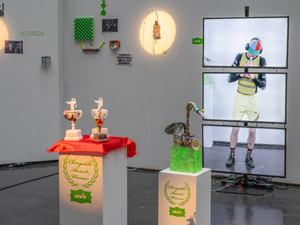
- Plastic Fugue ist eine interaktive Klanginstallation, die mit einer Kindheitserinnerung an die Konzertflöte beginnt, ein Instrument, das ich aufgrund finanzieller Schwierigkeiten nie erlernen konnte und das für mich zum Symbol des Klassismus wurde. Finanzielle Einschränkung ist nicht nur unangenehm, sondern lässt Kinder sich als ungeeignet empfinden, überhaupt etwas zu versuchen, und normalisiert dadurch Klassismus, selbst in der Kunst.
Es passierte mir erneut, als ich Malerei studierte. Die Materialien, Leinwand, Holz, Stoff, Papier, Farbe, Öl, ja sogar ein Bleistift, werden mit einer gewissen Aura vermarktet. Unsere Kunst ist längst zu sehr mit der neoliberalen Wirtschaft verstrickt, ironischerweise im Widerspruch zu ihrem eigentlichen Ziel, Freiheit. Die Qualität von Kunst über den Preis der Materialien zu definieren, ist eine Wiederholung alter Muster, so wie Blau und Grün einst als Zeichen des Reichtums galten und dem Adel vorbehalten waren.
Diese Struktur führte dazu, dass ich klassische Musik als die einzig wahre Musik betrachtete und die Leinwandmalerei, die im späten 15. Jahrhundert in Italien entstand, als den allein gültigen Standard in der bildenden Kunst. Jahrzehnte später erkannte ich, dass es jenseits dessen, was ich damals als Kunst verstand, auch Formen gab, die aus verschiedenen kulturellen Kontexten stammen und nicht als Teil dieses Standards wahrgenommen wurden. Dann versuchte ich, all diese ironischen Elemente in die verschiedenen Medien einzubringen, mit denen ich bisher gearbeitet hatte.
- Plastic Fugue ist eine interaktive Klanginstallation, die mit einer Kindheitserinnerung an die Konzertflöte beginnt, ein Instrument, das ich aufgrund finanzieller Schwierigkeiten nie erlernen konnte und das für mich zum Symbol des Klassismus wurde. Finanzielle Einschränkung ist nicht nur unangenehm, sondern lässt Kinder sich als ungeeignet empfinden, überhaupt etwas zu versuchen, und normalisiert dadurch Klassismus, selbst in der Kunst.
- Beschreibung (en)
- Plastic Fugue is an interactive sound installation project that begins with a childhood memory of the concert flute, which I couldn't learn due to financial hardship, and which came to symbolize classism to me. Being financially debilitated is not only a discomfort, but also makes children feel unqualified to even try, thereby normalizing this classism even in art.
It happened to me again when I studied painting. The materials are marketed with an aura, including canvas, wood, fabric, paper, paint, oil, and even a pencil. Our art already conspires too much with the neoliberal economy, ironically, against its supposed goal: liberty. Classifying the quality of art based on the price of materials is repetitive, much like how blue and green, once symbols of wealth, were valued and reserved for royalty in history.
This structure led me to view classical music as the only true form of music, and canvas painting, which originated in Italy in the late 15th century, as the sole standard in visual art. Decades later, I realized there was more art behind the things I once believed to be art alone. Then I attempted to gather all these ironical elements into diverse mediums I had experienced so far.
- Plastic Fugue is an interactive sound installation project that begins with a childhood memory of the concert flute, which I couldn't learn due to financial hardship, and which came to symbolize classism to me. Being financially debilitated is not only a discomfort, but also makes children feel unqualified to even try, thereby normalizing this classism even in art.
- Kategorie
- Typ des Projekts/Werks
- Schlagworte
- Datierung
- 09.07.2025 - 13.07.2025
- Mitwirkende
- Dank an
- Material
- Abmessungen
- Variable Maße
- Dauer
- Introducing air&dust: 9' 11" / Sax Recital: 16' 37"
- Ort: Institution
- Ort
- Lichthof
- Stadt
- Land
- Internetlinks
- Titel
- Plastic Fugue
- Projektleiter/in
- Semester
- Studiengang
- Typ der Abschlussarbeit
- Importiert am
- 29.06.2025
- Übergeordnete Sets
- 3
- Set enthält
- 4 1
Wave Talk
Name that can easily go onto 2 lines
Author that can easily go onto 2 lines as well
- Titel
- Wave Talk
- Autor/in
- Beschreibung (de)
- Die Arbeit "Wave Talk" umfasst eine interaktive Kunstinstallation mit drei Objekten, die sich mit der tiefen philosophischen Frage der Selbsterkenntnis und der wechselseitigen Beziehung zwischen Individuum und Umwelt beschäftigt. Hinterfragt wird die Idee der Identität und Realität: Wie nehmen wir uns selbst wahr und wie wird diese Wahrnehmung durch unsere Umgebung, Handlungen und Worte verändert? Alle Objekte arbeiten mit der Darstellung von Sound (Kymatik). Die Frequenzen setzen das Material in Bewegung und verändern den Ist-Zustand. Die Installation lädt so den Betrachter ein zum Staunen, Besinnen, Meditieren und Erkennen, dass das Selbst nicht statisch, sondern dynamisch ist – ständig im Wandel, geformt und verzerrt durch äußere Einflüsse. Diese Verzerrungen spiegeln wider, wie unser Selbstbild und unsere Realität durch soziale, emotionale und körperliche Resonanzen beeinflusst werden. "Wave Talk" vermittelt die Idee, dass unsere Interaktionen mit der Umwelt eine ständige, nicht verbale Kommunikation darstellen – eine Art stiller Dialog, der die Veränderlichkeit und Sensibilität unserer Wahrnehmung symbolisiert.
Die Objekte:
1. Spiegel: Selbstreflexion und Resonanz
Ein runder Spiegel, der durch einen Näherungssensor und einen Körperschallwandler sanft zu vibrieren beginnt, wenn der Betrachter sich nähert. Die feine Vibration symbolisiert die subtile Resonanz zwischen Mensch und Umgebung und die fragile, fließende Natur der Selbstwahrnehmung – das Selbstbild verändert sich ständig im Austausch mit der Umwelt.
2. Wasserschale: Stimme und Resonanz
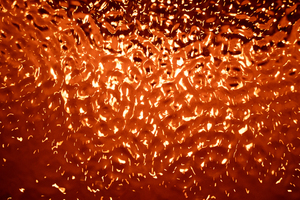
Ein kleineres Becken, dessen Wasser durch die Stimme des Betrachters in Schwingung gerät. Die Schwingungen stehen für die Kraft des inneren Ausdrucks, der sich im Außen manifestiert. Worte und Gedanken erzeugen Resonanzen, die sowohl die physische als auch die soziale Welt prägen – in jeder Schwingung offenbart sich die Tiefe des Moments.
3. Wasserbecken (120 cm Durchmesser): Berührung und Schwingung
Ein großes Becken, das auf Berührung reagiert und Wellen über die Wasseroberfläche schickt. Jede Berührung setzt Resonanzen frei, die sich ausbreiten und die Umgebung beeinflussen. Das Objekt verdeutlicht, dass selbst kleinste Handlungen Spuren in der Welt hinterlassen – ein stilles Gespräch zwischen uns und der Unendlichkeit.
- Die Arbeit "Wave Talk" umfasst eine interaktive Kunstinstallation mit drei Objekten, die sich mit der tiefen philosophischen Frage der Selbsterkenntnis und der wechselseitigen Beziehung zwischen Individuum und Umwelt beschäftigt. Hinterfragt wird die Idee der Identität und Realität: Wie nehmen wir uns selbst wahr und wie wird diese Wahrnehmung durch unsere Umgebung, Handlungen und Worte verändert? Alle Objekte arbeiten mit der Darstellung von Sound (Kymatik). Die Frequenzen setzen das Material in Bewegung und verändern den Ist-Zustand. Die Installation lädt so den Betrachter ein zum Staunen, Besinnen, Meditieren und Erkennen, dass das Selbst nicht statisch, sondern dynamisch ist – ständig im Wandel, geformt und verzerrt durch äußere Einflüsse. Diese Verzerrungen spiegeln wider, wie unser Selbstbild und unsere Realität durch soziale, emotionale und körperliche Resonanzen beeinflusst werden. "Wave Talk" vermittelt die Idee, dass unsere Interaktionen mit der Umwelt eine ständige, nicht verbale Kommunikation darstellen – eine Art stiller Dialog, der die Veränderlichkeit und Sensibilität unserer Wahrnehmung symbolisiert.
- Beschreibung (en)
- The work ‘Wave Talk’ comprises an interactive art installation with three objects that deals with the deep philosophical question of self-knowledge and the reciprocal relationship between the individual and the environment. It scrutinises the idea of identity and reality: how do we perceive ourselves, and how is this perception changed by our surroundings, actions, and words? All objects work with the representation of sound (cymatics). The frequencies set the material in motion and change the actual state. The installation thus invites the viewer to marvel, reflect, meditate, and recognise that the self is not static but dynamic—constantly changing, shaped, and distorted by external influences. These distortions reflect how our self-image and our reality are influenced by social, emotional, and physical resonances. ‘Wave Talk’ conveys the idea that our interactions with the environment are a constant, non-verbal communication—a kind of silent dialogue that symbolises the mutability and sensitivity of our perception.
The objects:
1. Mirror: Self-Reflection and Resonance
A round mirror that begins to vibrate gently when the viewer approaches, triggered by a proximity sensor and a tactile transducer. This subtle vibration symbolises the delicate resonance between human and environment, highlighting the fragile, fluid nature of self-perception—constantly shifting in interaction with the world.
2. Small Water Basin: Voice and Resonance
A smaller basin where the water is set in motion by the viewer's voice. The ripples represent the power of inner expression manifesting in the outer world. Words and thoughts create resonances that shape both the physical and social realms—in every vibration, the depth of the moment is revealed.
3. Large Water Basin (120 cm diameter): Touch and Vibration
A large basin that responds to touch by sending waves across the water’s surface. Every touch releases resonances that ripple outward, impacting the surroundings. This piece illustrates that even the smallest actions leave traces in the world—a silent conversation between us and infinity.
- The work ‘Wave Talk’ comprises an interactive art installation with three objects that deals with the deep philosophical question of self-knowledge and the reciprocal relationship between the individual and the environment. It scrutinises the idea of identity and reality: how do we perceive ourselves, and how is this perception changed by our surroundings, actions, and words? All objects work with the representation of sound (cymatics). The frequencies set the material in motion and change the actual state. The installation thus invites the viewer to marvel, reflect, meditate, and recognise that the self is not static but dynamic—constantly changing, shaped, and distorted by external influences. These distortions reflect how our self-image and our reality are influenced by social, emotional, and physical resonances. ‘Wave Talk’ conveys the idea that our interactions with the environment are a constant, non-verbal communication—a kind of silent dialogue that symbolises the mutability and sensitivity of our perception.
- Kategorie
- Typ des Projekts/Werks
- Schlagworte
- Datierung
- 24.10.2024
- Titel
- Wave Talk
- Projektleiter/in
- Semester
- Studiengang
- Typ der Abschlussarbeit
- Importiert am
- 03.11.2024
- Übergeordnete Sets
- 3
- Set enthält
- 0 34
Excreta Fluxorum - Theatrum Instrumentorum
Name that can easily go onto 2 lines
Author that can easily go onto 2 lines as well
- Titel
- Excreta Fluxorum - Theatrum Instrumentorum
- Untertitel
- George Maciunas und die Kultur der „curiositas”
- Autor/in
- Beschreibung (de)
- „Möglicherweise erscheinen die intermediären Kunstformen der 60er-jahre als zu komplex, ihre Manifestationen zu sehr als Teil einer noch lebenden Kunstgeschichte, vielleicht hindert auch die noch nicht abgeschlossene Bewältigung der postmodernen Wende in Philosophie, Kunst und Literatur an einer generalüberholten wissenschaftlichen Annäherung an diesen Themenbereich, der sich von der fließenden, aus Künstlerkommentaren über Kritiken in methodischen Darstellungen hervorgegangenen bisherigen Versuchen einer vorläufigen Einordnung des Phänomens Fluxus abzugrenzen hätte."
- Beschreibung (en)
- “It is possible that the intermediary art forms of the 1960s appear too complex, their manifestations too much a part of a still living art history; perhaps the fact that the postmodern turn in philosophy, art and literature has not yet been completed also prevents a generally overhauled academic approach to this subject area, which would have to distinguish itself from the fluid attempts at a provisional classification of the phenomenon of Fluxus that have emerged from artists' commentaries on critiques in methodical presentations.”
- Kategorie
- Typ des Projekts/Werks
- Schlagworte
- Datierung
- 04.03.1999
- Sprache
- Ort: Institution
- Stadt
- Land
- Titel
- Excreta Fluxorum - Theatrum Instrumentorum
- Untertitel
- George Maciunas und die Kultur der „curiositas”
- Projektleiter/in
- Semester
- Studiengang
- Typ der Abschlussarbeit
- Archiv-Signatur
- HfG HS 1999 01
- Externes Archiv
- Importiert am
- 11.01.2024
- Übergeordnete Sets
- 2
- Set enthält
- 0 3
Crotto Collection
Name that can easily go onto 2 lines
Author that can easily go onto 2 lines as well
- Titel
- Crotto Collection
- Untertitel des Projekts/Werks (en)
- Translation of sanitary ceramics
- Autor/in
- Beschreibung (de)
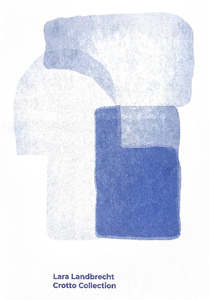
- Das Projekt „Crotto Collection“ untersucht den Raum des Badezimmers von der funktionalen Nasszelle bis zum häuslichen Refugium. Trotz ihrer Vielfalt teilen Baderäume ein zentrales, funktionales Element: die Sanitärkeramik.
Das Projekt beschäftigt sich mit den Gestaltungsmöglichkeiten durch die Übersetzung gebrannter Sanitärkeramik in ein neues Material. In Zusammenarbeit mit der Firma Geberit GmbH wird die Zusammensetzung des Materialentwurfs untersucht, auf ihre Eigenschaften geprüft und ein Gestaltungskonzept für Badezimmeraccessoires entwickelt. Basierend auf den Forschungsergebnissen wird ein Konzept entwickelt, das als Ansatz dient, keramische Abfälle innerhalb der Produktionskette einer Industrie weiter zu verwerten. Parallel zu verschiedenen Fliesenformen wird ein Zubehörset bestehend aus Spiegelhalter, Becher und Seifenschale entworfen. Darüber hinaus werden Vasen aus Toilettenformen entwickelt, als Symbol für die Ausweitung des Badezimmers in andere Wohnräume.
- Das Projekt „Crotto Collection“ untersucht den Raum des Badezimmers von der funktionalen Nasszelle bis zum häuslichen Refugium. Trotz ihrer Vielfalt teilen Baderäume ein zentrales, funktionales Element: die Sanitärkeramik.
- Beschreibung (en)
- The project “Crotto Collection” examines the bathroom space from the functional wet room to the domestic refuge. Despite their variety, bathrooms all serve a common purpose. The central component of any bathroom is the sanitary ceramics.
This fact gives rise to the project, which deals with the design possibilities of translating fired sanitary ceramics into a new material. In collaboration with Geberit GmbH, material properties and usability are being investigated. Based on the research results, a design concept is developed that serves as an approach to translate ceramic waste within the production chain of an industry. Parallel to different shapes of tiles, an accessory set consisting of a mirror holder, a tumbler and a soap dish is created. In addition, vases are designed from toilet forms, as a symbol of extending the bathroom space into other living spaces.
- The project “Crotto Collection” examines the bathroom space from the functional wet room to the domestic refuge. Despite their variety, bathrooms all serve a common purpose. The central component of any bathroom is the sanitary ceramics.
- Kategorie
- Typ des Projekts/Werks
- Schlagworte
- Datierung
- 24.04.2024
- Material
- Abmessungen
- Die Objekte sind als Set zu sehen: 1 Set beinhaltet drei Teile: Maße Set gesamt: 200mm x 200mm x 100mm. Es sind 5 Sets in jeweils einer Farbe – 5 Vasenobjekte: Maße 1 Vase: 150mm x 180mm x 300mm – Materialfliesen: 20 Stück à 40mm x 100mm x 5mm – Farbfliesen: 30 Stück à 100mm x 100mm x 8mm – Gipsformen: 8 Stück
- Ort: Institution
- Ort
- Lichthof 1
- Stadt
- Land
- Beteiligte Institution(en)
- Titel
- Crotto Collection
- Projektleiter/in
- Semester
- Studiengang
- Typ der Abschlussarbeit
- Archiv-Signatur
- Externes Archiv
- Importiert am
- 08.08.2024
- Übergeordnete Sets
- 3
- Set enthält
- 0 22
Dirty Computer
Name that can easily go onto 2 lines
Author that can easily go onto 2 lines as well
- Titel
- Dirty Computer
- Titel (en)
- Dirty Computer
- Autor/in
- Beschreibung (de)
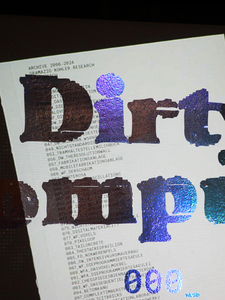
- Eine Dirty Publication, entstanden im Rahmen des Seminars Dirty Computer an der HfG Karlsruhe, basierend auf der gemeinsamen Seminarwoche am Institut für Technologie in der Architektur (ITA) der ETH Zürich, zusammen mit Studierenden der Fotografieklasse von Armin Linke an der Akademie der Bildenden Künste München sowie der Gramazio Kohler Research Gruppe.
- Kategorie
- Mitwirkende
- Ort: Institution
- Ort
- Exkursion und Auftakt : 21–26.10. in Zürich
- Stadt
- Bemerkungen
- Ein Projekt in Kollaboration mit Gramazio Kohler Research, ETH Zürich sowie der Professur für Fotografie, Armin Linke, Akademie der Bildenden Künste München.
- Titel
- Dirty Computer
- Projektleiter/in
- Semester
- Studiengang
- Importiert am
- 12.06.2025
- Übergeordnete Sets
- 1
- Set enthält
- 0 10
Das ist ein Kinderspiel, not an Apple, 也就⼋年
Name that can easily go onto 2 lines
Author that can easily go onto 2 lines as well
- Titel
- Das ist ein Kinderspiel, not an Apple, 也就⼋年
- Autor/in
- Beschreibung (de)
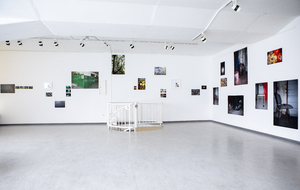
- Das ist ein Kinderspiel, not an Apple, 也就八年 ist meine erste Einzelausstellung, sowie mein Abschlussprojekt. Es ist eine tief persönliche Reflexion über meine Erfahrungen in Deutschland, die meinen künstlerischen Ansatz und mein konzeptionelles Denken maßgeblich geprägt haben. Mein Fokus auf sprachlichen Herausforderungen, kulturelle Kollisionen und die Gegenüberstellung verschiedener Welten ist in meiner Arbeit deutlich erkennbar.
Indem ich Fotografie als meine primäre Sprache nutze, konzentriere ich mich auf das alltägliche Leben, das in den Ecken der Städte verborgen ist – gesehen, aber vergessen, wie die Stuttgarter Straße in Karlsruhe. Dieses Thema wurde besonders deutlich, als ich nach der Pandemie in meine Heimatstadt zurückkehrte. Ich beobachte aufmerksam die marginalisierten Bereiche meiner Heimatstadt und die oft unsichtbaren Aspekte des täglichen Lebens meiner Familie. Diese sowohl ungewohnte als auch vertraute Perspektive vertieft sich in die Frage, wie das Leben in Deutschland meine Weltanschauung beeinflusst hat. Es betont die Komplexitäten, die aus Konflikten zwischen Sprachen und Kulturen entstehen.
Durch Fotografie, Video, Live-Performance und Publikation webe ich ein Netz aus Zeit, das Individuen, Ereignisse und Objekte aus parallelen Zeitlinien miteinander verknüpft. Jedes Fragment eingefrorener Zeit erzählt seine eigne Geschichte und präsentiert eine einzigartige Erzählung – sei es aus einer einheimischen Perspektive oder durch die Linse einer neuen Beobachtung, die durch eigne Erfahrungen in Deutschland geprägt ist.
Meine acht Jahre Leben in Deutschland scheinen in dieser acht Jahre alten Apfelkerzen eingefroren zu sein, sich entwickelnd und eine neue Form annehmend, während sie brennt und sich die Zeit ändert.
https://hangyanchen.de/
- Das ist ein Kinderspiel, not an Apple, 也就八年 ist meine erste Einzelausstellung, sowie mein Abschlussprojekt. Es ist eine tief persönliche Reflexion über meine Erfahrungen in Deutschland, die meinen künstlerischen Ansatz und mein konzeptionelles Denken maßgeblich geprägt haben. Mein Fokus auf sprachlichen Herausforderungen, kulturelle Kollisionen und die Gegenüberstellung verschiedener Welten ist in meiner Arbeit deutlich erkennbar.
- Beschreibung (en)
- My graduation project is a deeply personal reflection on my experiences living in Germany, which have significantly shaped my artistic approach and conceptual thinking. I focus on language challenges, cultural collisions, and the juxtaposition of different worlds, all of which are evident in my work.
Using photography as my primary language, I focus on the everyday life hidden in the corners of cities – seen but forgotten, such as Stuttgarter Street in Karlsruhe. This theme became particularly pronounced upon my return to my hometown after the pandemic. I keenly observe the marginalized areas of my hometown and the neglected aspects of my family's daily life. This both unfamiliar and familiar perspective delves into how living in Germany has impacted my worldview, emphasizing the complexities arising from conflicts between languages and cultures.
Through photography, video, live performance, and publication, I weave a web of time, intertwining individuals, events, and objects from parallel timelines. Each fragment of frozen time tells its own story, presenting a unique narrative – whether as a native perspective or through the lens of a new observation shaped by my experiences in Germany.
- My graduation project is a deeply personal reflection on my experiences living in Germany, which have significantly shaped my artistic approach and conceptual thinking. I focus on language challenges, cultural collisions, and the juxtaposition of different worlds, all of which are evident in my work.
- Kategorie
- Typ des Projekts/Werks
- Schlagworte
- Datierung
- 19.01.2024 - 25.01.2024
- Mitwirkende
- Ort
- GEDOK, Karlsruhe
- Stadt
- Land
- Titel
- Das ist ein Kinderspiel, not an Apple, 也就⼋年
- Urheberrechtshinweis
- ©Hangyan Chen
- Projektleiter/in
- Semester
- Studiengang
- Typ der Abschlussarbeit
- Importiert am
- 31.05.2024
- Übergeordnete Sets
- 4
- Set enthält
- 0 26
ChitoTinkering
Name that can easily go onto 2 lines
Author that can easily go onto 2 lines as well
- Titel
- ChitoTinkering
- Titel (en)
- ChitoTinkering
- Untertitel
- neue perspektiven für chitosan
- Untertitel des Projekts/Werks (en)
- new perspectives for chitosan
- Autor/in
- Beschreibung (de)
- Im Rahmen ihres Materialforschungsprojekts entwickelten Benjamin Kaltenbach, Lilith Stumpf, Felix Harr und Julia Ihls innovative Anwendungen für Chitosan – ein vielseitiges Biopolymer, das aus Chitin gewonnen wird. Chitin ist nach Cellulose das zweithäufigste natürliche Polymer und bildet die strukturelle Basis für die Schalen von Krebstieren, die Exoskelette von Insekten sowie Zellwände bestimmter Pilze.
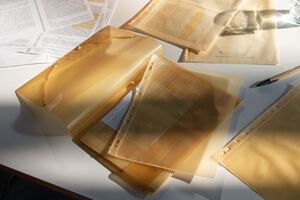
Inspiriert von der schützenden Funktion von Chitin in der Natur übertrugen die Designer*innen die Materialeigenschaften von Chitosan in einen alltagsnahen Kontext. Der Fokus lag dabei auf den Konzepten von Gehäusen und Hüllen – Anwendungen, die Schutz und Struktur vereinen. Das Ergebnis sind eine Reihe funktionaler Prototypen, darunter ein Lampenschirm, ein Stift, transparente Dokumentenhüllen sowie eine Dokumentenmappe, die aus dem Chitosan-Komposit gefertigt wurden.
Um die gestalterischen und technischen Möglichkeiten des Materials auszuloten, wurden unterschiedliche Bearbeitungstechniken erprobt: Das Chitosan-Material wurde genäht, genietet, gebügelt, gefaltet, selbstverklebt sowie mittels CNC-Laser graviert und geschnitten. Diese experimentelle Auseinandersetzung mit Verarbeitungstechniken hebt die gestalterische Vielseitigkeit von Chitosan hervor und zeigt sein Potenzial als nachhaltige Material Alternative auf.
Durch diese gestalterische und technische sowie konzeptuelle Auseinandersetzung eröffnen die Designer*innen neue Perspektiven für Chitosan und unterstreichen sein Potenzial als nachhaltige Material Alternative.
- Im Rahmen ihres Materialforschungsprojekts entwickelten Benjamin Kaltenbach, Lilith Stumpf, Felix Harr und Julia Ihls innovative Anwendungen für Chitosan – ein vielseitiges Biopolymer, das aus Chitin gewonnen wird. Chitin ist nach Cellulose das zweithäufigste natürliche Polymer und bildet die strukturelle Basis für die Schalen von Krebstieren, die Exoskelette von Insekten sowie Zellwände bestimmter Pilze.
- Beschreibung (en)
- As part of their material research project, Benjamin Kaltenbach, Lilith Stumpf, Felix Harr, and Julia Ihls developed innovative applications for chitosan – a versatile biopolymer derived from chitin. Chitin is the second most abundant natural polymer after cellulose and forms the structural basis of crustacean shells, insect exoskeletons, and the cell walls of certain fungi.
Inspired by chitin’s protective function in nature, the designers translated the material properties of chitosan into everyday applications. Their focus was on the concept of enclosures and casings – objects that combine protection and structure. The result is a series of functional prototypes, including a lampshade, a pen, transparent document sleeves, and a folder, all made from chitosan composite material.
To explore the material’s creative and technical potential, various processing techniques were tested: The chitosan material was sewn, riveted, ironed, folded, self-adhered, and engraved or cut using a CNC laser. This experimental approach highlights the versatility of chitosan and demonstrates its potential as a sustainable material alternative.
Through this design and technical exploration, the designers open up new perspectives for chitosan and emphasize its potential as an innovative, bio-based material.
- As part of their material research project, Benjamin Kaltenbach, Lilith Stumpf, Felix Harr, and Julia Ihls developed innovative applications for chitosan – a versatile biopolymer derived from chitin. Chitin is the second most abundant natural polymer after cellulose and forms the structural basis of crustacean shells, insect exoskeletons, and the cell walls of certain fungi.
- Kategorie
- Typ des Projekts/Werks
- Schlagworte
- Datierung
- Februar 2025
- Mitwirkende
- Dank an
- Material
- Ort: Institution
- Ort
- Unter dem Bio Design Lab
- Stadt
- Land
- Internetlinks
- Titel
- ChitoTinkering
- Untertitel
- neue perspektiven für chitosan
- Importiert am
- 17.07.2025
- Übergeordnete Sets
- 1
- Set enthält
- 0 9
Eine Neue Umwelt
Name that can easily go onto 2 lines
Author that can easily go onto 2 lines as well
- Titel
- Eine Neue Umwelt
- Titel (en)
- A New Environment
- Untertitel
- Heinrich Klotz über Architektur und Neue Medien
- Untertitel des Projekts/Werks (en)
- Heinrich Klotz on Architecture and New Media
- Autor/in
- Beschreibung (de)
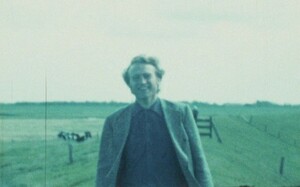
- Eine filmische Montage des Archivs von Kunsthistoriker Heinrich Klotz lässt Zusammenhänge erkennen zwischen Postmoderne, digitalen Medien und der Hoffnung auf eine neue Kunst.
Die alte Umwelt ist nicht mehr vorhanden, es klaffen Lücken, ganze Städte sind dem Boden gleich gemacht worden. Kann man eine lebenswerte Stadt wiederherstellen, ohne die Aggressionen des Krieges zu verdecken? Oder sind die Ruinen eine einmalige Chance, die Innenstädte von Grund auf neu zu gestalten? Ausgehend vom Wiederaufbau der deutschen Altstädte nach dem Zweiten Weltkrieg beschäftigte den Kunsthistoriker Heinrich Klotz die Rückgewinnung eines sinnlichen Erlebens in Architektur und Kunst. So sagte er den radikalen Forderungen einer alles erneuernden funktionalen Architektur den Kampf an, da sie nur noch gesichtslose Container baute. Die postmoderne Architektur verteidigte er wiederum gegen den Vorwurf des Kitsches. Und Computerspiele und virtuelle Realitäten erhob er zu Kunstwerken. 1984 gründete er das Deutsche Architekturmuseum in Frankfurt und 1989 das Zentrum für Kunst und Medien in Karlsruhe.
- Eine filmische Montage des Archivs von Kunsthistoriker Heinrich Klotz lässt Zusammenhänge erkennen zwischen Postmoderne, digitalen Medien und der Hoffnung auf eine neue Kunst.
- Beschreibung (en)
- A cinematic montage of the archive of art historian Heinrich Klotz reveals connections between postmodernism, digital media, and the hope for a new art.
The old environment is no longer there—gaps remain, entire cities have been leveled. Can a livable city be restored without covering up the aggressions of war? Or are the ruins a unique opportunity to redesign city centers from the ground up? Beginning with the post-World War II reconstruction of German historic towns, art historian Heinrich Klotz focused on reclaiming a sensual experience in architecture and art. He opposed the radical demands of an all-renewing functionalist architecture, which, in his view, only produced faceless containers. At the same time, he defended postmodern architecture against accusations of kitsch. He even elevated video games and virtual realities to the status of artworks. In 1984, he founded the German Architecture Museum in Frankfurt, followed by the Center for Art and Media in Karlsruhe in 1989.
- A cinematic montage of the archive of art historian Heinrich Klotz reveals connections between postmodernism, digital media, and the hope for a new art.
- Kategorie
- Typ des Projekts/Werks
- Schlagworte
- Datierung
- 2019
- Mitwirkende
- Sprache
- Untertitel (Film)
- Material
- Technik/Verfahren/Formate
- DCP, 2K, 3.0 in 5.1
- Abmessungen
- 4:3
- Dauer
- 01:19:05
- Land
- Beteiligte Institution(en)
- Bemerkungen
- Gefördert durch die Riemschneider Stiftung, die Gesellschaft zur Förderung der Kunst und Medientechnologie e.V. und das Zeitbild-Lab der HfG Karlsruhe.
Unterstützt durch den Südwestrundfunk, den Hessischen Rundfunk, dem Zentrum für Kunst und Medien Karlsruhe, Andec Filmtechnik und DCM - Digital Cinema Mastering.
Eine Studiolo Film Produktion
- Gefördert durch die Riemschneider Stiftung, die Gesellschaft zur Förderung der Kunst und Medientechnologie e.V. und das Zeitbild-Lab der HfG Karlsruhe.
- Titel
- Eine Neue Umwelt
- Untertitel
- Heinrich Klotz über Architektur und Neue Medien
- Projektleiter/in
- Semester
- Studiengang
- Typ der Abschlussarbeit
- Importiert am
- 03.03.2025
- Übergeordnete Sets
- 2
- Set enthält
- 0 7
Guter Dinge
Name that can easily go onto 2 lines
Author that can easily go onto 2 lines as well
- Titel
- Guter Dinge
- Autor/in
- Beschreibung (de)
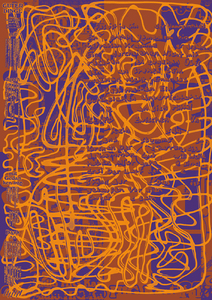
- "Guter Dinge" ist ein choreografischer Dialog zwischen drei Maschinendingen und einem Performer und verbindet Elemente aus Theaterstück, Installation und Tanz.
- Beschreibung (en)
- "Guter Dinge" is a choreographic dialogue between three machine-things and one performer, combining elements from theater play, installation and dance.
- Kategorie
- Typ des Projekts/Werks
- Schlagworte
- Mitwirkende
- Dank an
- Dauer
- ca. 40 Min.
- Ort: Institution
- Ort
- Großes Studio
- Stadt
- Land
- Internetlinks
- Trailer: https://vimeo.com/455579122
- Bemerkungen
- Aufbau und Organisatorisches:
Das Publikum kann sich frei im Raum bewegen (und dabei den Mindestabstand einhalten).
Für ATELIER No. 64 kann die ursprünglich etwa 40minütige Fassung auf etwa 15 Min gekürzt werden.
Gekürzte Fassung für PACT Zollverein: ca 15min (original ca. 40min)
- Aufbau und Organisatorisches:
- Titel
- Guter Dinge
- Projektleiter/in
- Semester
- Studiengang
- Typ der Abschlussarbeit
- Importiert am
- 24.06.2024
- Übergeordnete Sets
- 2
- Set enthält
- 0 7
Scheune VII
Name that can easily go onto 2 lines
Author that can easily go onto 2 lines as well
- Titel
- Scheune VII
- Titel (en)
- Scheune VII
- Autor/in
- Beschreibung (de)
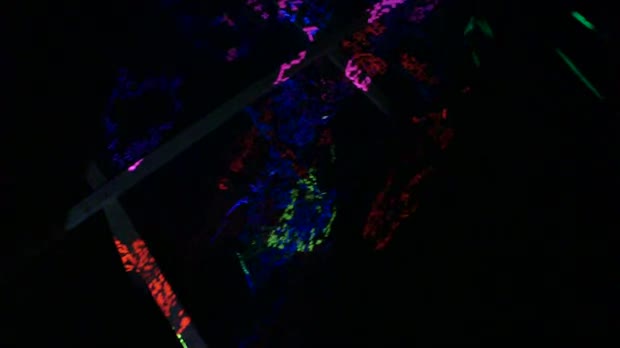
- Die Scheune VII ist ein mediales Happening im privaten Ambiente eines Weingartener Hinterhofes. Das Idyll des Dorfes trifft hier auf die Gedankenwelt des Medienkünstlers Jan Cordes, der hier Einblick in seine Werke gewährt. Er gestaltet den sonst verborgenen Raum einer alten Scheune durch Licht und Multimediale Installationen zu einer neuen Erfahrungswelt um.
- Beschreibung (en)
- Scheune VII is a media happening in the private ambience of a Weingarten backyard. Here, the idyll of the village meets the world of ideas of media artist Jan Cordes, who provides an insight into his works. He uses light and multimedia installations to transform the otherwise hidden space of an old barn into a new world of experience.
- Kategorie
- Schlagworte
- Datierung
- 26.06.2016 - 27.06.2016
- Mitwirkende
- Ort
- Körnerstraße 7
76356 Weingarten
- Körnerstraße 7
- Internetlinks
- Titel
- Scheune VII
- Semester
- Studiengang
- Typ der Abschlussarbeit
- Importiert am
- 30.08.2024
- Übergeordnete Sets
- 2
- Set enthält
- 9 2