MYCOSKENE
Benachbarte Sets (148)Alle Zusammenhänge anzeigen
Diese Sets wurden den gleichen Sets hinzugefügt wie das ausgewählte Set.
148 Inhalte
- Seite 1 von 13
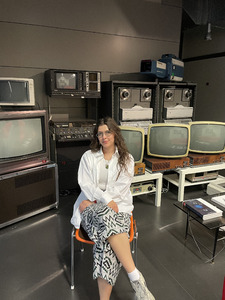
Writing the History Of the Future
Name that can easily go onto 2 lines
Author that can easily go onto 2 lines as well
- Titel
- Writing the History Of the Future
- Titel (en)
- Writing the History Of the Future
- Untertitel
- Das ZKM und die kulturelle Arbeit der Medienkunstkonservierung
- Untertitel des Projekts/Werks (en)
- ZKM and the Cultural Work of Media Art Conservation
- Autor/in
- Beschreibung (de)
- Obwohl die Medienkunst in der zeitgenössischen Kultur zunehmend an Bedeutung gewinnt, ist sie in institutionellen Sammlungen immer noch unterrepräsentiert. Die schnelle technologische Entwicklung von Hard- und Software sowie geplante Obsoleszenz stellen die Konservierung vor große Herausforderungen. Seit den 1960er Jahren hat sich die westliche Kunst von objektbasierten hin zu performativen und prozessorientierten Formen gewandelt. Dies wurde von einem Paradigmenwechsel in der Konservierungstheorie begleitet, in der Konzepte und Subjekt stärker gewichtet werden als Materialität und Objekt. Museen und der Kunstmarkt haben jedoch Schwierigkeiten, ihre Sammelpraktiken entsprechend anzupassen. In dieser Arbeit werden die Herausforderungen der Integration von Medienkunst in institutionelle Kontexte untersucht und der Bedarf an theoretischen und praktischen Anpassungen betont. Ziel ist es, Strategien zur nachhaltigen Einbindung technologisch vermittelter Kunstwerke in Sammlungen und das kulturelle Gedächtnis zu entwickeln. Im Fokus steht dabei das ZKM in Karlsruhe als führende Institution der Medienkunstkonservierung. Auf Basis interdisziplinärer Forschung und Interviews werden zentrale Themen wie Interaktivität, Variabilität, Authentizität, Zeitlichkeit und der Wandel des Kunstobjekts analysiert.
- Beschreibung (en)
- Media art, despite its growing prominence in contemporary culture, remains underrepresented in institutional collections. Rapid technological obsolescence—affecting both hardware and software—poses major challenges for preservation. Since the 1960s, Western art has shifted from object-based works toward performative and process-oriented practices, paralleled by changes in conservation theory that prioritize concepts and subject over object and materiality. However, museums and the art market have struggled to adapt their collecting practices to these developments. This thesis examines the challenges of integrating media art into institutional contexts, emphasizing the need for conceptual and theoretical shifts in both museum practices and art theory. It aims to describe the strategies for incorporating technologically mediated artworks into collections and cultural memory. The study focuses on the ZKM (Center for Art and Media) in Karlsruhe, a leading institution in media art preservation. Through analysis of its frameworks and interdisciplinary research including interviews, the thesis explores key themes like interactivity, variability, authenticity, temporality, and the evolving nature of the art object.
- Kategorie
- Schlagworte
- Dank an
- Sprache
- Abmessungen
- 272 Seiten (169 Textseiten)
- Titel
- Writing the History Of the Future
- Untertitel
- Das ZKM und die kulturelle Arbeit der Medienkunstkonservierung
- Projektleiter/in
- Semester
- Studiengang
- Typ der Abschlussarbeit
- Importiert am
- 25.03.2026
- Übergeordnete Sets
- 4
- Set enthält
- 0 5
MS Guilty Pleasure

Name that can easily go onto 2 lines
Author that can easily go onto 2 lines as well
- Titel
- MS Guilty Pleasure
- Titel (en)
- MS Guilty Pleasure
- Autor/in
- Beschreibung (de)
- Meine Abschlussarbeit beschäftigt sich mit dem Kreuzfahrtschiff als einer Form von Architektur, die zwei parallel voneinander laufende Wirklichkeiten konstituiert, mit eigenen Regeln, Bewegungen und sozialen Codes.
Das Schiff organisiert diese Trennung bis ins Detail. Wege, Blickrichtungen und Abläufe lenken den Körper beinahe intuitiv durch den Raum. Bestimmte Rollen erscheinen selbstverständlich: der entspannte Gast, die serviceorientierte Crew, der verborgene Bereich hinter den Kulissen, der den reibungslosen Ablauf überhaupt erst ermöglicht.
Die Installation greift die Gleichzeitigkeit über eine räumliche und akustische Situation auf.
Während im Hintergrund versucht wird, den Betrieb aufrechtzuerhalten, dringen in den öffentlichen Bereich nur Fragmente der Störung: Durchsagen, Gesprächsfetzen, Beschwerden und das Weiterlaufen eines Unterhaltungsprogramms.
Für einen kurzen Moment wird hörbar, was normalerweise hinter der Oberfläche des scheinbar mühelosen Urlaubs verschwindet. Doch Unterhaltung und Betrieb laufen auch dort nahezu ohne Unterbrechung weiter, wo Erschöpfung, Zeitdruck oder technische Störungen Teil des Systems sind.
Dabei ist die Kreuzfahrt nur ein Luxusgut unter vielen, das sich auf technische Infrastruktur, Versorgungssysteme, Reinigung und Wartung sowie Handwerker, Fachkräfte und Hilfsarbeiter aus aller Welt stützt.
Nicht die Welt eines permanent inszenierten Erlebens steht im Mittelpunkt, sondern das Sichtbarwerden einer Infrastruktur, die sonst hinter Oberfläche, Routine und Unterhaltung verschwindet.
- Meine Abschlussarbeit beschäftigt sich mit dem Kreuzfahrtschiff als einer Form von Architektur, die zwei parallel voneinander laufende Wirklichkeiten konstituiert, mit eigenen Regeln, Bewegungen und sozialen Codes.
- Beschreibung (en)
- My diploma explores the cruise ship as an architectural structure that produces two parallel realities, each governed by its own rules, movements, and social codes.
The ship organizes this separation down to the smallest detail. Pathways, sightlines, and routines guide bodies through space almost intuitively. Certain roles appear self-evident: the relaxed guest, the service-oriented crew member, and the hidden backstage areas that make the ship’s seamless operation possible in the first place.
The installation addresses this simultaneity through a spatial and acoustic setting.
While continuous efforts are made behind the scenes to keep operations running, only fragments of disruption reach the public areas: announcements, snippets of conversation, complaints, and the ongoing entertainment programme. For a brief moment, what normally disappears beneath the surface of the seemingly effortless holiday becomes audible. Yet entertainment and operations continue almost uninterrupted, even where exhaustion, time pressure, or technical failures are built into the system.
At the same time, the cruise industry is only one example of a luxury product that depends on extensive technical infrastructure, global supply chains, cleaning and maintenance services, as well as skilled and unskilled labour from around the world.
The focus is not the world of permanently staged experiences itself, but rather the visibility of an infrastructure that usually disappears behind surfaces, routines, and entertainment.
- My diploma explores the cruise ship as an architectural structure that produces two parallel realities, each governed by its own rules, movements, and social codes.
- Kategorie
- Schlagworte
- Material
- Technik/Verfahren/Formate
- Situatives Hörspiel
- Dauer
- 25 Minuten
- Ort: Institution
- Ort
- Waldstraße
- Titel
- MS Guilty Pleasure
- Projektleiter/in
- Semester
- Studiengang
- Typ der Abschlussarbeit
- Importiert am
- 20.06.2026
- Übergeordnete Sets
- 2
- Set enthält
- 0 18
As beginning is to end
Name that can easily go onto 2 lines
Author that can easily go onto 2 lines as well
- Titel
- As beginning is to end
- Autor/in
- Beschreibung (de)
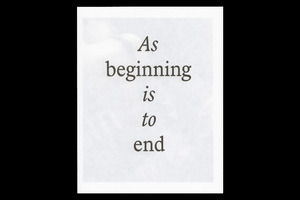
- „As beginning is to end“ beschäftigt sich mit Fotografie, Architektur, Zeitlichkeit und der Neuordnung von vorhandenem Bildmaterial. Das Projekt verbindet eine Publikation mit einer räumlichen Installation. Dafür wurden gescannte Fotografien aus bestehenden Fotobüchern zu einer offenen, filmischen Sequenz neu angeordnet. Die Fotografien werden als Fragmente eines fortlaufenden Geschehens verstanden, dessen Narrativ wiederkehrenden Motiven, Atmosphären und Blickrichtungen folgt.
Die gefundenen Fotografien zeigen ausschließlich Fragmente von privaten Innenräumen und Figuren, die sich durch diese bewegen. Die Innenräume werden dabei zu Spuren von Identitäten, Erinnerungen und Geschichten und eröffnen den intimen Blick in geschlossene Wände.
In der Publikation bestimmen die im Vollformat gedruckten Fotografien und darauf folgende weiße Doppelseiten den Rhythmus des Betrachtens. Die leeren Seiten schaffen kurze Pausen und schlagen Brücken zu dem Unwissenden. Außerdem ist der Publikation ein Text beigefügt, der den Gang durch die Fotografien leitet.
Der selbe Rhythmus wird in den Ausstellungsraum übersetzt. Die ausgewählten Fotografien wurden hier dabei stark vergrößert und immer wieder durch Leerstellen pausiert. Bei der Wahl des Ausstellungsraums war es wichtig, einen Ort zu finden, der durch seine architektonische Beschaffenheit bereits fragmentarisch Spuren und Geschichten in sich trägt. Jedes Element der Architektur ist ein Bestandteil der Übersetzung der fotografischen Szenen und lassen die Betrachtenden in diese räumlich eintreten.
- „As beginning is to end“ beschäftigt sich mit Fotografie, Architektur, Zeitlichkeit und der Neuordnung von vorhandenem Bildmaterial. Das Projekt verbindet eine Publikation mit einer räumlichen Installation. Dafür wurden gescannte Fotografien aus bestehenden Fotobüchern zu einer offenen, filmischen Sequenz neu angeordnet. Die Fotografien werden als Fragmente eines fortlaufenden Geschehens verstanden, dessen Narrativ wiederkehrenden Motiven, Atmosphären und Blickrichtungen folgt.
- Beschreibung (en)
- “As beginning is to end” explores photography, architecture, temporality, and the rearrangement of existing visual material. The project combines a publication with a spatial installation. Scanned photographs from existing photo books were rearranged to form an open, cinematic sequence.
The found photographs depict fragments of private interiors and figures moving through them. The interiors become traces of identities, memories, and stories, offering an intimate glimpse behind closed walls.
In the publication, the printed images and the following white double-page spreads determine the rhythm of viewing. The blank pages create brief pauses and build bridges to the unknown. Additionally, the publication includes a text that guides the viewer through the photographs.
The same rhythm is translated into the exhibition space. The selected photographs are greatly enlarged and repeatedly paused with blank spaces. When selecting the exhibition space, it was important to find a place whose architectural character already contains fragmentary traces and stories. Each architectural element plays a role in interpreting the photographic scenes and allows viewers to enter them spatially.
- “As beginning is to end” explores photography, architecture, temporality, and the rearrangement of existing visual material. The project combines a publication with a spatial installation. Scanned photographs from existing photo books were rearranged to form an open, cinematic sequence.
- Kategorie
- Schlagworte
- Abmessungen
- Publikation: 225mm x 290mm. Reproduktionen in der Ausstellung: ca. 3,5m x 2,5m und ca. 1,5m x 1m
- Dauer
- Dauer der Ausstellung: 3 Tage
- Titel
- As beginning is to end
- Projektleiter/in
- Semester
- Studiengang
- Typ der Abschlussarbeit
- Importiert am
- 21.07.2026
- Übergeordnete Sets
- 2
- Set enthält
- 0 2
wie (wir) erinnern
Name that can easily go onto 2 lines
Author that can easily go onto 2 lines as well
- Titel
- wie (wir) erinnern
- Titel (en)
- how (we) remember
- Autor/in
- Beschreibung (de)
- Ausgehend von einem ehemaligen Militärstützpunkt untersucht die Arbeit „how (we) remember“ die Prozesse, durch die Erinnerungen materielle Gestalt annehmen. Inwieweit verkörpern Artefakte, Denkmäler und andere Objekte Erinnerungen? Was sind die zentralen Bedingungen und Voraussetzungen einer Erinnerung? Welche Rolle spielen dabei Politik, „Zeitgeist“ und die Verantwortung jedes Einzelnen?
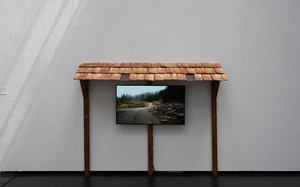
Die Ausstellung visualisiert und reflektiert meine persönliche Perspektive auf eine Erinnerung an die militärhistorische Vergangenheit der Hornisgrinde im nördlichen Schwarzwald. Dabei setzt sich die Installation materiell mit der Flüchtigkeit und Aura menschlicher Erinnerungsprozesse auseinander und untersucht die Sichtbarkeit der Vergangenheit im öffentlichen und privaten Raum.
- Ausgehend von einem ehemaligen Militärstützpunkt untersucht die Arbeit „how (we) remember“ die Prozesse, durch die Erinnerungen materielle Gestalt annehmen. Inwieweit verkörpern Artefakte, Denkmäler und andere Objekte Erinnerungen? Was sind die zentralen Bedingungen und Voraussetzungen einer Erinnerung? Welche Rolle spielen dabei Politik, „Zeitgeist“ und die Verantwortung jedes Einzelnen?
- Beschreibung (en)
- Taking a former military base as its starting point, the work “how (we) remember” explores the processes through which memories take material form. To what extent do artifacts, monuments, and other objects embody memories? What are the central conditions and requirements of a memory? What role do politics, “Zeitgeist” and each individual’s responsibility play in this?
The series of artworks visualizes and reflects my personal perspective on a memory of the Hornisgrinde’s military-historical past in the northern Black Forest. In doing so, the installation materially addresses the fleeting and auratic nature of human memory processes and examines the visibility of the past in public and private spaces.
- Taking a former military base as its starting point, the work “how (we) remember” explores the processes through which memories take material form. To what extent do artifacts, monuments, and other objects embody memories? What are the central conditions and requirements of a memory? What role do politics, “Zeitgeist” and each individual’s responsibility play in this?
- Kategorie
- Typ des Projekts/Werks
- Schlagworte
- Dank an
- Material
- Ort: Institution
- Beteiligte Institution(en)
- Titel
- wie (wir) erinnern
- Projektleiter/in
- Semester
- Studiengang
- Typ der Abschlussarbeit
- Importiert am
- 23.07.2026
- Übergeordnete Sets
- 2
- Set enthält
- 0 9