Sets
439 Inhalte
- Seite 1 von 37
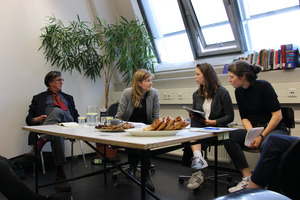
Margit Rosen & Bruno Latour: Atmospheres of Democracy
Name that can easily go onto 2 lines
Author that can easily go onto 2 lines as well
- Titel
- Margit Rosen & Bruno Latour: Atmospheres of Democracy
- Untertitel
- Sprechstunde N. 2
- Datierung
- 16.05.2018
- Ort
- Raum 313
- Titel
- Margit Rosen & Bruno Latour: Atmospheres of Democracy
- Untertitel
- Sprechstunde N. 2
- Importiert am
- 21.05.2018
- Übergeordnete Sets
- 1
- Set enthält
- 0 26
MARABU
Name that can easily go onto 2 lines
Author that can easily go onto 2 lines as well
- Titel
- MARABU
- Titel (en)
- MARABU
- Untertitel
- Ausstellung im Badischen Kunstverein
- Untertitel des Projekts/Werks (en)
- Exhibition at Badischer Kunstverein
- Autor/in
- Beschreibung (de)
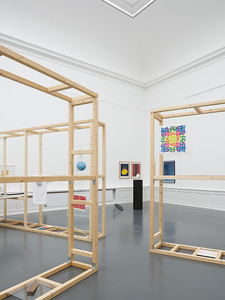
- Was bleibt von einem Jubiläum anlässlich 200 Jahre Badischer Kunstverein? Nach einer intensiven Recherche zu der Geschichte des Hauses und den Ausstellungen haben wir uns gefragt, was im vergangenen Jahr zur Sprache kam und was noch unbeantwortet blieb. Als Nachklang des Jubiläums möchten wir noch einmal auf eine Besonderheit der Kunstvereinsarbeit zurückkommen: Auf die Geschichte der Jahresgaben. Parallel zur Mitgliederausstellung war es nur möglich, einen kleinen Teil der noch vorhandenen Jahresgaben und Editionen zu präsentieren, dabei sind es gerade diese eher ephemeren und flexibleren Formate, die die unterschiedlichen Programmatiken des Kunstvereins auf signifikante Weise abbilden.
Entstanden ist eine Ausstellung fast aller noch vorhandenen Jahresgaben und Editionen aus den Jahren 1842 – 2017, von denen einige seit langer Zeit erstmals wieder öffentlich präsentiert werden. Unter den Arbeiten befinden sich einige in Vergessenheit geratene und vergriffene Editionen, die während der Recherchen für das 200-jährige Jubiläum wiederentdeckt oder von Mitgliedern für die Präsentation zur Verfügung gestellt wurden. Bemerkenswert sind zum Beispiel die aus dem Privatbesitz von Schloss Salem zur Verfügung gestellten Mappen mit Vereinsgaben aus den Jahren 1904 bis 1919, unter anderem die Grafik Marabu von Friedrich Barth. Die Ausstellung zeigt außerdem Werke aus dem frühen Kontext der Staatlichen Kunstakademie Karlsruhe, wie beispielsweise Arbeiten von Walter Conz und Hermann Kupferschmid. Außerdem zu sehen sind drei herausragende Drucke von Karl Hubbuch sowie Editionen von Otto Piene oder eine Arbeit von Wolf Vostell, der in der wegweisenden Gruppenausstellung Kunst und Politik (1970) vertreten war. Die Einordnung aller Arbeiten in die Ausstellungsgeschichte wird anhand von Plakaten, Katalogen und Schriftstücken visualisiert, zugleich soll das Prinzip der Jahresgaben und deren Genese kritisch untersucht werden.
Erstmalig beschäftigt sich ein Kunstverein mit diesem ihm eigenen Prinzip der Jahresgaben, die von ausgewählten Künstler*innen dem Verein zur Verfügung gestellt oder neu produziert werden, um sie anschließend an die Mitglieder zu verkaufen. Die Anfänge der Jahresgabenwerke sind dabei eng mit der Entstehungsgeschichte des Kunstmarktes verknüpft und einmal im Jahr wird der Kunstverein in den Kreislauf von Ankauf und Verkauf von Kunstwerken eingeschleust. In den letzten Jahren ist die Aufmerksamkeit der Presse für die Jahresgaben der Kunstvereine deutlich gestiegen, große Artikel in Die Zeit, der Süddeutschen Zeitung oder der Frankfurter Allgemeinen Zeitung präsentieren einen Querschnitt der angebotenen Werke aus den Institutionen. Ebenso widmen sich internationale Kunstzeitschriften einer regelmäßigen Berichterstattung über das alljährliche Jahresgabenangebot. Die Preise sind verlockend, denn oftmals sind die Arbeiten unter Galeriepreis zu erhalten und schon längst sind die Werke nicht mehr nur Mitgliedern zugänglich, sondern oftmals auch für Nichtmitglieder – zumeist gegen einen Aufpreis – käuflich zu erwerben.
Ein Team aus Kunsthistoriker*innen, Kunstwissenschaftler*innen, Szenograf*innen und Gestalter*innen hat sich mit Fragen der Präsentation und Kontextualisierung der Jahresgaben im Badischen Kunstverein auseinandergesetzt. Für die Präsentation ist eine mehrdimensionale Ausstellungsstruktur entstanden, die sich durch alle Räume des Kunstvereins zieht. Diese Struktur entwickelt sich aus dem sukzessiven Abtragen der Oberflächen und macht das zugrunde liegende Rohmaterial sichtbar, um dadurch neue architektonische und inhaltliche Zusammenhänge zu verdeutlichen. Die Vielzahl der Gattungen und Medien der Jahresgaben wuchs in den letzten zwei Jahrhunderten:
Von Sammelmappen über Losverfahren bis hin zu individuell erwerblichen Editionen und Unikaten, durchlief das Konzept eine ähnliche Entwicklung wie die Programmatik der Kunstvereine. Der Fokus liegt dabei besonders auf den historischen Werken, die durch die Ausstellung aus multiplen Perspektiven neu betrachtet und positioniert werden.
Nicht nur die Jahresgaben haben eine lange Tradition, auch die Salongespräche gehen auf die Gründung des Kunstvereins zu Beginn des 19. Jahrhunderts zurück. Diesen Salon möchten wir im Rahmen unserer Reihe MITTWOCHS IM KUNSTVEREIN wieder aufleben lassen. Jeden Mittwoch während der Ausstellungsdauer wird es einen kurzen Vortrag, eine Bildbetrachtung oder einen performativen Beitrag in Bezug auf die Ausstellung und das Konzept der Jahresgaben geben. Die genaueren Informationen zu den Veranstaltungen entnehmen Sie bitte in Kürze unserer Website, den Auslagen in der Ausstellung und über unsere Sozialen Netzwerke.
- Was bleibt von einem Jubiläum anlässlich 200 Jahre Badischer Kunstverein? Nach einer intensiven Recherche zu der Geschichte des Hauses und den Ausstellungen haben wir uns gefragt, was im vergangenen Jahr zur Sprache kam und was noch unbeantwortet blieb. Als Nachklang des Jubiläums möchten wir noch einmal auf eine Besonderheit der Kunstvereinsarbeit zurückkommen: Auf die Geschichte der Jahresgaben. Parallel zur Mitgliederausstellung war es nur möglich, einen kleinen Teil der noch vorhandenen Jahresgaben und Editionen zu präsentieren, dabei sind es gerade diese eher ephemeren und flexibleren Formate, die die unterschiedlichen Programmatiken des Kunstvereins auf signifikante Weise abbilden.
- Beschreibung (en)
- What remains of an anniversary celebrating 200 years of the Badischer Kunstverein? After intensive research into the history of the Kunstverein and its exhibitions, we asked ourselves what was discussed last year and what remained unanswered. As an echo of the anniversary, we would like to return to a special feature of the Kunstverein's work: The history of the annual gifts. Parallel to the members' exhibition, it was only possible to present a small number of the remaining annual editions and editions, although it is precisely these more ephemeral and flexible formats that significantly reflect the Kunstverein's various programs.
The result is an exhibition of almost all the remaining annual editions and editions from the years 1842 - 2017, some of which are being presented to the public for the first time in a long time.
The works include some forgotten and out-of-print editions that were rediscovered during the research for the 200th anniversary or made available by members for the presentation.Noteworthy, for example, are the portfolios of association gifts from the years 1904 to 1919 from the private collection of Salem Castle, including the graphic Marabu by Friedrich Barth.The exhibition also shows works from the early context of the Karlsruhe State Academy of Art, such as works by Walter Conz and Hermann Kupferschmid.Also on display are three outstanding prints by Karl Hubbuch as well as editions by Otto Piene and a work by Wolf Vostell, who was represented in the groundbreaking group exhibition Kunst und Politik (Art and Politics, 1970). Posters, catalogs and documents will be used to visualize how all the works fit into the exhibition history, while the principle of the Jahresgaben and their genesis will be critically examined.
This is the first time that an art association has engaged with this principle of annual gifts, which are made available to the association by selected artists or newly produced and then sold to the members.
The beginnings of the Jahresgabenwerke are closely linked to the history of the art market and once a year the Kunstverein is involved in the cycle of buying and selling artworks.In recent years, press attention for the Kunstvereine's annual gifts has increased significantly, with major articles in Die Zeit, the Süddeutsche Zeitung and the Frankfurter Allgemeine Zeitung presenting a cross-section of the works on offer from the institutions.International art magazines also regularly report on the annual offerings.The prices are tempting, as the works are often available for less than the gallery price and the works are no longer only accessible to members, but can often also be purchased by non-members - usually for an additional charge.
A team of art historians, art scholars, scenographers and designers has addressed questions of presentation and contextualization of the annual editions at the Badischer Kunstverein.
A multidimensional exhibition structure has been created for the presentation, which runs through all the rooms of the Kunstverein.
This structure develops from the successive removal of surfaces and makes the underlying raw material visible in order to illustrate new architectural and contextual connections.The variety of genres and media of the annual editions has grown over the last two centuries:
From collector's folders and lottery procedures to individually acquired editions and unique pieces, the concept underwent a similar development to the program of the Kunstvereine. The focus is particularly on the historical works, which are viewed and repositioned from multiple perspectives in the exhibition.
Not only do the annual exhibitions have a long tradition, the salon discussions also date back to the founding of the Kunstverein at the beginning of the 19th century.
We would like to revive this salon as part of our MITTWOCHS IM KUNSTVEREIN series.
Every Wednesday during the exhibition period, there will be a short lecture, a picture viewing or a performative contribution relating to the exhibition and the concept of the Jahresgaben.
More detailed information on the events will soon be available on our website, in the exhibition displays and via our social networks.
- What remains of an anniversary celebrating 200 years of the Badischer Kunstverein? After intensive research into the history of the Kunstverein and its exhibitions, we asked ourselves what was discussed last year and what remained unanswered. As an echo of the anniversary, we would like to return to a special feature of the Kunstverein's work: The history of the annual gifts. Parallel to the members' exhibition, it was only possible to present a small number of the remaining annual editions and editions, although it is precisely these more ephemeral and flexible formats that significantly reflect the Kunstverein's various programs.
- Typ des Projekts/Werks
- Schlagworte
- Datierung
- 08.02.2019 - 24.03.2019
- Mitwirkende
- Sprache
- Ort: Institution
- Stadt
- Land
- Beteiligte Institution(en)
- Internetlinks
- Bemerkungen
- Konzeption und Durchführung von Ausstellung und Veranstaltungen: Anja Casser, Hubert Distel, Lizzy Ellbrück, Tiffany Justine Erndwein, Yvonne Fomferra, Hanna Franke, Hanne König, Malte Pawelczyk, Christina Scheib, Lisa-Kathrin Welzel
Eröffnung: Donnerstag, 7. Februar 2019, 19 Uhr
Grafik Credits: Hammer
- Konzeption und Durchführung von Ausstellung und Veranstaltungen: Anja Casser, Hubert Distel, Lizzy Ellbrück, Tiffany Justine Erndwein, Yvonne Fomferra, Hanna Franke, Hanne König, Malte Pawelczyk, Christina Scheib, Lisa-Kathrin Welzel
- Titel
- MARABU
- Untertitel
- Ausstellung im Badischen Kunstverein
- Projektleiter/in
- Semester
- Importiert am
- 21.08.2023
- Übergeordnete Sets
- 0
- Set enthält
- 0 7
Manchmal ist Schmerz ganz leise
Name that can easily go onto 2 lines
Author that can easily go onto 2 lines as well
- Titel
- Manchmal ist Schmerz ganz leise
- Titel (en)
- Sometimes pain is very quiet
- Autor/in
- Beschreibung (de)
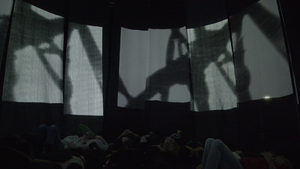
- „Manchmal ist Schmerz ganz leise“ ist eine immersive, autobiographische Hörstück-Installation, die den stillen und oft unsichtbaren Kampf mit einer schweren, namenlosen Krankheit in den Mittelpunkt stellt. Das Werk hinterfragt, was es bedeutet, in einer leistungsorientierten Gesellschaft plötzlich nicht mehr zu "funktionieren". Es geht den Ängsten, der Scham und dem tief empfundenen Gefühl des Versagens nach, das oft mit chronischer Krankheit einhergeht – Gefühle, die Betroffene selten teilen. Das Hörspiel verleiht einer Stimme Ausdruck, die für viele spricht und Einblicke in eine Realität gibt, die oft im Verborgenen bleibt.
- Beschreibung (en)
- ‘Sometimes pain is very quiet’ is an immersive, autobiographical audio play installation that focuses on the silent and often invisible battle with a serious, nameless illness. The work questions what it means to suddenly no longer ‘function’ in a performance-orientated society. It explores the fears, the shame and the deeply felt sense of failure that often accompanies chronic illness – feelings that are rarely shared by those affected. The radio play gives expression to a voice that speaks for many and provides insights into a reality that often remains hidden.
- Kategorie
- Typ des Projekts/Werks
- Schlagworte
- Datierung
- 30.10.2024
- Mitwirkende
- Dank an
- Finn Baygan
- Daniel Berwanger
- Pauline Cemeris
- Filipa Cesar
- Mark Patrick Damian
- Charlotte Eifler
- Flora Güldenpfennig
- Tobias Keilbach
- Eisenhart Keimeyer
- Alexander Knoppik
- Yael Kolb
- Isabelle Konrad
- Julian Kuf
- Barbara Kuon
- Josephine Leicht
- Laura Morcillo
- Ilja Morgenstern
- Sebastian Schäfer
- Sebastian Schönfeld
- Lorenz Schwarz
- Quirin Thalhammer
- Alexander Thelen
- Riemschneider Stiftung
- Zeitbild Lab
- Sprache
- Material
- Technik/Verfahren/Formate
- 4-Kanal-Audio/360° Projection Mapping
- Abmessungen
- Länge: 8m, Breite: 8m, Höhe: 6,50m
- Dauer
- 30min
- Ort: Institution
- Ort
- Großes Studio
- Stadt
- Land
- Titel
- Manchmal ist Schmerz ganz leise
- Projektleiter/in
- Semester
- Studiengang
- Typ der Abschlussarbeit
- Importiert am
- 17.04.2025
- Übergeordnete Sets
- 1
- Set enthält
- 1 5
Manchmal ist Schmerz ganz leise
Name that can easily go onto 2 lines
Author that can easily go onto 2 lines as well
- Titel
- Manchmal ist Schmerz ganz leise
- Titel (en)
- Sometimes pain is very quiet
- Untertitel
- Dokumentation der Installation
- Untertitel des Projekts/Werks (en)
- Documentation of the installation
- Autor/in
- Kategorie
- Typ des Projekts/Werks
- Schlagworte
- Datierung
- 30.10.2024
- Titel
- Manchmal ist Schmerz ganz leise
- Untertitel
- Dokumentation der Installation
- Projektleiter/in
- Semester
- Studiengang
- Typ der Abschlussarbeit
- Importiert am
- 17.04.2025
- Übergeordnete Sets
- 1
- Set enthält
- 0 13
Love over Taste II
Name that can easily go onto 2 lines
Author that can easily go onto 2 lines as well
- Titel
- Love over Taste II
- Untertitel
- Piggy's World
- Autor/in
- Beschreibung (de)
- Meine künstlerische Arbeit beschäftigt sich mit Tierschutz, Veganismus und der Frage, warum wir bestimmte Tiere lieben und andere essen. Es ist ein Thema, das mich sowohl auf persönlicher als auch auf künstlerischer Ebene tief bewegt. Vor rund vier Jahren habe ich mich dazu entschieden, mich vegetarisch zu ernähren – und bin bald darauf vegan geworden. Mein jüngeres Ich, das meine Mutter liebevoll „kleine Fleischfresserin“ nannte, hätte sich das kaum vorstellen können. Und doch war der Impuls schon früh da. Ich erinnere mich an meinen achten Geburtstag auf den Philippinen: Meine Familie bereitete ein Fest vor, das Schwein im Garten meiner Tante wurde ausgewählt, geschlachtet, aufgespießt. Erst beim Anblick des toten Körpers auf dem Buffet wurde mir klar, was passiert war – und dass es wegen mir geschah. Das mulmige Gefühl, das ich damals im Bauch hatte, begleitet mich bis heute.
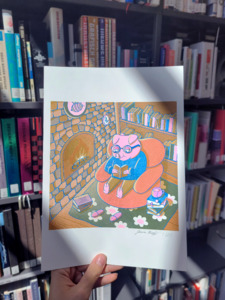
Inspiriert von Melanie Joys Buch Why We Love Dogs, Eat Pigs, and Wear Cows hinterfrage ich in meinem Projekt Love over Taste die gesellschaftlich akzeptierte Trennung zwischen „Nutztieren“ und „Haustieren“, zwischen Leben und Produkt. Im Mittelpunkt steht Piggy – ein liebevoll gestalteter, anthropomorpher Schweine-Charakter, der eine Stimme bekommt, wo Tiere in der Realität keine haben. Basierend auf Recherchen, Dokumentationen wie Dominion oder Mission Erde, erzählt Piggy seine Geschichte als Mastschwein – und findet zugleich in meinen Illustrationen eine Welt jenseits von Leid und Ausbeutung.
Piggy lebt in Szenen weiter, die eine Art Gegenrealität entwerfen: whimsical, freundlich, voller Leichtigkeit. In diesen Bildern ist Piggy allein oder mit seinen Tierfreund*innen zu sehen – in Momenten von Freiheit, Genuss, Selbstbestimmung. Durch die Vermenschlichung möchte ich Empathie wecken: Auch ein Schwein hat ein Recht auf ein leidfreies, selbstbestimmtes Leben.
Zum Projekt gehören neben den Illustrationen auch die Love over Taste Sticker, die Tiere zeigen, die häufig in der Massentierhaltung konsumiert werden – dargestellt mit einem liebevollen, persönlichen Blick.
Mit diesen kleinen, aber sprechenden Arbeiten möchte ich einen Raum öffnen für Gespräche über Mitgefühl, Carnismus und unsere alltäglichen Entscheidungen. Love over Taste ist eine Einladung, die Welt mit anderen Augen zu sehen – mit Piggy’s Augen.
- Meine künstlerische Arbeit beschäftigt sich mit Tierschutz, Veganismus und der Frage, warum wir bestimmte Tiere lieben und andere essen. Es ist ein Thema, das mich sowohl auf persönlicher als auch auf künstlerischer Ebene tief bewegt. Vor rund vier Jahren habe ich mich dazu entschieden, mich vegetarisch zu ernähren – und bin bald darauf vegan geworden. Mein jüngeres Ich, das meine Mutter liebevoll „kleine Fleischfresserin“ nannte, hätte sich das kaum vorstellen können. Und doch war der Impuls schon früh da. Ich erinnere mich an meinen achten Geburtstag auf den Philippinen: Meine Familie bereitete ein Fest vor, das Schwein im Garten meiner Tante wurde ausgewählt, geschlachtet, aufgespießt. Erst beim Anblick des toten Körpers auf dem Buffet wurde mir klar, was passiert war – und dass es wegen mir geschah. Das mulmige Gefühl, das ich damals im Bauch hatte, begleitet mich bis heute.
- Beschreibung (en)
- My artistic work deals with animal welfare, veganism and the question of why we love certain animals and eat others. It's a topic that moves me deeply on both a personal and artistic level. About four years ago, I decided to go vegetarian - and soon after became vegan. My younger self, whom my mother affectionately called ‘little carnivore’, could hardly have imagined it. And yet the impulse was there early on. I remember my eighth birthday in the Philippines: my family was preparing a feast, the pig in my aunt's garden was selected, slaughtered and speared. It was only when I saw the dead body on the buffet that I realised what had happened - and that it was because of me. The queasy feeling I had in my stomach back then is still with me today.
Inspired by Melanie Joy's book Why We Love Dogs, Eat Pigs, and Wear Cows, my project Love over Taste questions the socially accepted separation between ‘farm animals’ and ‘pets’, between life and product. At the centre is Piggy - a lovingly designed, anthropomorphic pig character who is given a voice where animals have none in reality. Based on research and documentaries such as Dominion or Mission Earth, Piggy tells his story as a fattening pig - and at the same time finds a world beyond suffering and exploitation in my illustrations.
Piggy lives on in scenes that create a kind of counter-reality: whimsical, friendly, full of lightness. In these images, Piggy can be seen alone or with her animal friends - in moments of freedom, pleasure and self-determination. By humanising them, I want to awaken empathy: A pig also has a right to a life free of suffering and self-determination.
In addition to the illustrations, the project also includes the Love over Taste stickers, which show animals that are often consumed in factory farming - depicted with a loving, personal view.
With these small but eloquent works, I want to open up a space for conversations about compassion, carnism and our everyday choices. Love over Taste is an invitation to see the world through different eyes - Piggy's eyes.
- My artistic work deals with animal welfare, veganism and the question of why we love certain animals and eat others. It's a topic that moves me deeply on both a personal and artistic level. About four years ago, I decided to go vegetarian - and soon after became vegan. My younger self, whom my mother affectionately called ‘little carnivore’, could hardly have imagined it. And yet the impulse was there early on. I remember my eighth birthday in the Philippines: my family was preparing a feast, the pig in my aunt's garden was selected, slaughtered and speared. It was only when I saw the dead body on the buffet that I realised what had happened - and that it was because of me. The queasy feeling I had in my stomach back then is still with me today.
- Kategorie
- Typ des Projekts/Werks
- Schlagworte
- Datierung
- 2024–ongoing
- Dank an
- Sprache
- Material
- Technik/Verfahren/Formate
- Risografie, Animation mit Hilfe von Cartoon Animator, Illustrationen in den Formaten A5 bis A3
- Abmessungen
- A5 bis A3
- Dauer
- ca. 12 Minuten Animation
- Ort: Institution
- Stadt
- Land
- Beteiligte Institution(en)
- Auftrag durch
- Tereza Ruller's Seminar All About Love
- Internetlinks
- Titel
- Love over Taste II
- Untertitel
- Piggy's World
- Projektleiter/in
- Semester
- Studiengang
- Lehrveranstaltung
- Archiv-Signatur
- Importiert am
- 06.07.2025
- Übergeordnete Sets
- 1
- Set enthält
- 0 18
Living Library (2024-2026)
Name that can easily go onto 2 lines
Author that can easily go onto 2 lines as well
- Titel
- Living Library (2024-2026)
- Autor/in
- Beschreibung (de)
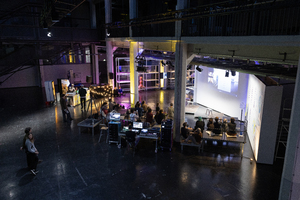
- Die Living Library ist ein transdisziplinäres Projekt, das am Bio Design Lab der Staatlichen Hochschule für Gestaltung Karlsruhe entwickelt wurde. Im Laufe von zwei Jahren förderte es praxisorientiertes Lernen mit Schwerpunkt auf lokal gewonnenen Rohstoffen aus einem Umkreis von 50 Kilometern um die Hochschule, experimentellem Arbeiten und regenerativen Produktionsweisen.
Das Projekt ist ein hybrides und sich ständig weiterentwickelndes Ökosystem. Es vereint ein physisches Archiv mit Materialproben, Werkzeugen, Prozessen und Workshop-Artefakten sowie ein digitales Archiv mit interaktiven Karten, Forschungsergebnissen und Materialdokumentationen. Geleitet von den Prinzipien der Kompostierbarkeit, Lokalität und Nachhaltigkeit folgt das Projekt den ökologischen Zyklen der Aussaat, des Wachstums, der Ernte und des Verfalls. Studierende, Forschende und lokale Praktiker:innen arbeiteten zusammen, um regionale Ressourcen zu lokalisieren, biobasierte Materialien zu ernten und zu verarbeiten sowie deren Lebenszyklen von der Entstehung bis zur Zersetzung zu untersuchen.
Eine Open-Access-Publikation die physische und digitale Living Library und vereint eine Reihe von Essays, die Themen wie die archivarischen Qualitäten der Erde oder die gartenähnliche Kultivierung digitaler Plattformen untersuchen. Diese Essays laden die Leser:innen dazu ein, zu überdenken, wie Wissen angebaut, geteilt und schließlich wieder in den Boden zurückgeführt werden kann, aus dem es entstanden ist.
- Die Living Library ist ein transdisziplinäres Projekt, das am Bio Design Lab der Staatlichen Hochschule für Gestaltung Karlsruhe entwickelt wurde. Im Laufe von zwei Jahren förderte es praxisorientiertes Lernen mit Schwerpunkt auf lokal gewonnenen Rohstoffen aus einem Umkreis von 50 Kilometern um die Hochschule, experimentellem Arbeiten und regenerativen Produktionsweisen.
- Beschreibung (en)
- The Living Library is a transdisciplinary project developed at the Bio Design Lab of the Karlsruhe University of Arts and Design. Over the course of two years, it fostered practice-based learning focused on locally sourced raw materials within a 50-kilometre radius around the academy, experimental making, and regenerative modes of production.
The project is a hybrid and continually evolving ecosystem. It brings together a physical archive showing material samples, tools, processes, and workshop artefacts, and a digital archive featuring interactive maps, research, and material documentation. Guided by the principles of compostability, locality, and sustainability, the project follows ecological rhythms of seeding, growing, harvesting, and decay. Students, researchers, and local practitioners collaborated to map regional resources, harvest and transform bio-based materials, and investigate their lifecycles from origin to decomposition.
An open access publication documents the physical and digital Living Library and brings together a series of essays that explore themes such as the archival qualities of soil or the garden-like cultivation of digital platforms. These essays invite readers to reconsider how knowledge can be grown, shared, and ultimately returned to the ground from which it emerged.
- The Living Library is a transdisciplinary project developed at the Bio Design Lab of the Karlsruhe University of Arts and Design. Over the course of two years, it fostered practice-based learning focused on locally sourced raw materials within a 50-kilometre radius around the academy, experimental making, and regenerative modes of production.
- Kategorie
- Typ des Projekts/Werks
- Datierung
- 31.03.2024 - 31.03.2026
- Mitwirkende
- Dank an
- Sprache
- Internetlinks
- Bemerkungen
- Funded by the Stiftung Innovation in der Hochschullehre
- Titel
- Living Library (2024-2026)
- Semester
- Importiert am
- 08.10.2024
- Übergeordnete Sets
- 1
- Set enthält
- 9 0
Literatursalon HfG - ZKM
Name that can easily go onto 2 lines
Author that can easily go onto 2 lines as well
- Titel
- Literatursalon HfG - ZKM
- Titel (en)
- Literatursalon HfG - ZKM
- Autor/in
- Typ des Projekts/Werks
- Schlagworte
- Datierung
- 26.10.2023
- Ort: Institution
- Ort
- Media Lounge, R. 112
- Stadt
- Land
- Beteiligte Institution(en)
- Titel
- Literatursalon HfG - ZKM
- Importiert am
- 28.11.2023
- Übergeordnete Sets
- 1
- Set enthält
- 1 0
Lila
Name that can easily go onto 2 lines
Author that can easily go onto 2 lines as well
- Titel
- Lila
- Titel
- Lila
- Importiert am
- 13.11.2025
- Übergeordnete Sets
- 1
- Set enthält
- 0 3
Like Sediment in a Slow Current
Name that can easily go onto 2 lines
Author that can easily go onto 2 lines as well
- Titel
- Like Sediment in a Slow Current
- Titel (en)
- Like Sediment in a Slow Current
- Untertitel
- Reconnecting to a paralyzed river
- Untertitel des Projekts/Werks (en)
- Reconnecting to a paralyzed river
- Autor/in
- Beschreibung (de)
- „Wir sind zunehmend wasserundurchlässig geworden: gedanklich abgeschottet von den subtilen und vielfältigen Beziehungen zu Flüssen, auch wenn diese weiterhin unsere Körper, Gedanken, Lieder und Geschichten durchströmen. Flüsse fließen durch die Menschen ebenso sicher wie durch Orte.“
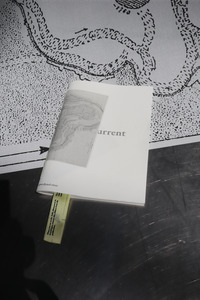
Dieses Zitat stammt aus Robert Macfarlanes Buch "Sind Flüsse Lebewesen?" und bildet den Einstieg in mein Diplomprojekt, „Like Sediment in a Slow Current“. Ausgehend von der Rheinbegradigung am Oberrhein untersuche ich die verzerrte Beziehung zwischen uns Menschen, Wasser und anderen Wasserkörpern. Das Projekt sammelt und kuratiert verschiedene Texte und Bilder aus Bereichen der Kunst, Biologie, Geologie und Philosophie und versucht, sich folgenden Fragen zu nähern:
Wie sind wir mit Flüssen verbunden? Wie sah der Rhein vor der Begradigung aus? Welche Folgen hat eine Begradigung für einen Fluss? Ist es möglich, einen Fluss als juristische Person anzusehen? Wie sind wir mit anderen Wasserkörpern verbunden? Was definiert einen Wasserkörper? Wie kann ich mich kritisch mit einem Ort und seiner Geschichte auseinandersetzen?
- „Wir sind zunehmend wasserundurchlässig geworden: gedanklich abgeschottet von den subtilen und vielfältigen Beziehungen zu Flüssen, auch wenn diese weiterhin unsere Körper, Gedanken, Lieder und Geschichten durchströmen. Flüsse fließen durch die Menschen ebenso sicher wie durch Orte.“
- Beschreibung (en)
- “We have become increasingly waterproofed: conceptually sealed against subtle and various relations with rivers, even as they continue to irrigate our bodies, thoughts, songs and stories. Rivers run through people as surely as they run through places.”
This quote from Robert Macfarlane’s book „Is a River Alive?“ serves as the point of entry to my diploma project, „Like Sediment in a Slow Current“. Taking the straightening of the Upper Rhine as my starting point, I explore the distorted relationship between us humans, water, and other bodies of water. The project collects and curates various texts and images from the fields of art, biology, geology, and philosophy and attempts to address questions like:
How are we connected to rivers? What did the Rhine look like before it was straightened? What are the consequences of straightening a river? Is it possible to view a river as a legal entity? How are we connected to other bodies of water? What defines a body of water? How can I critically engage with a place and its history?
- “We have become increasingly waterproofed: conceptually sealed against subtle and various relations with rivers, even as they continue to irrigate our bodies, thoughts, songs and stories. Rivers run through people as surely as they run through places.”
- Kategorie
- Typ des Projekts/Werks
- Schlagworte
- Datierung
- 24.06.2026
- Dank an
- Sprache
- Material
- Technik/Verfahren/Formate
- Digitaldruck, UV-Lack-Druck
- Abmessungen
- 175mm x 270mm
- Ort: Institution
- Ort
- Rhein
- Stadt
- Land
- Titel
- Like Sediment in a Slow Current
- Untertitel
- Reconnecting to a paralyzed river
- Projektleiter/in
- Semester
- Studiengang
- Typ der Abschlussarbeit
- Importiert am
- 20.07.2026
- Übergeordnete Sets
- 0
- Set enthält
- 0 10
Letters of Dissent
Name that can easily go onto 2 lines
Author that can easily go onto 2 lines as well
- Titel
- Letters of Dissent
- Titel (en)
- Letters of Dissent
- Autor/in
- Beschreibung (de)
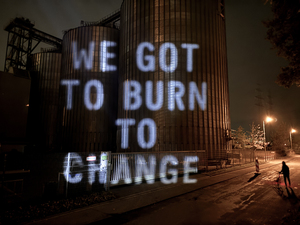
- Mein Diplomprojekt mit dem Titel „LETTERS OF DISSENT“ hatte zum Ziel, praktische und zugängliche Mittel des nächtlichen Protests zu erforschen. Dieses Projekt, das sich mit der Wechselbeziehung von Geschichtenerzählen und Punk-Einflüssen befasst, soll durch künstlerische Intervention ein Schlaglicht auf soziale und politische Themen werfen. Es handelt sich um selbst geschriebene Erzählungen, die in einer auf optimale Lesbarkeit ausgelegten Schriftart verfasst sind. Die Einfachheit der verwendeten Technik sorgt für Tragbarkeit und Zugänglichkeit. Das Engagement der Gemeinschaft ist integraler Bestandteil des Werks, das sowohl als Lasercut- als auch als 3D-Druckversion vorliegt und als Open-Source-Initiative zur Verfügung gestellt wird. Die Gesamtästhetik ist von auffallender Helligkeit geprägt und schafft eine visuell beeindruckende und deutlich wahrnehmbare Präsenz. Neben der Hauptdiplomarbeit ist es erforderlich, neuere Arbeiten in einer Ausstellung zu präsentieren, in der sorgfältig ausgewählte Projekte vorgestellt werden. In dem Bemühen, das Ausstellungsdesign auf das übergreifende Thema des Diplomprojekts abzustimmen, zielte der Designansatz darauf ab, wesentliche Prinzipien wie Zugänglichkeit, Abfallminimierung und eine ephemere Pop-up-Sensibilität zu verkörpern.
- Beschreibung (en)
- My diploma project titled "LETTERS OF DISSENT," aimed to explore practical and approachable means of protesting during the nighttime. Delving into the interrelation of storytelling and punk influence, this project seeks to cast a spotlight on social and political subjects through artistic intervention. It involves self-written narratives, utilising a font designed for optimal readability. The simplicity of the technique employed ensures portability and accessibility. Community engagement is integral, using both a lasercut and 3D-print version of the work, which is made available as an open-source initiative. The overall aesthetic is marked by striking brightness, creating a visually impactful and overtly noticeable presence. In addition to the primary diploma project, it is required to showcase recent works in an exhibition, featuring carefully chosen projects. In an effort to align the exhibition design with the overarching theme of the diploma project, the design approach aimed to encapsulate essential principles such as accessibility, waste minimisation, and an ephemeral, pop-up sensibility.
- Kategorie
- Schlagworte
- Datierung
- 03.11.2023
- Titel
- Letters of Dissent
- Projektleiter/in
- Semester
- Studiengang
- Typ der Abschlussarbeit
- Importiert am
- 30.10.2024
- Übergeordnete Sets
- 3
- Set enthält
- 1 11
LET ME SEE (c) THE SUN
Name that can easily go onto 2 lines
Author that can easily go onto 2 lines as well
- Titel
- LET ME SEE (c) THE SUN
- Autor/in
- Beschreibung (de)
- Die Diplomarbeit „LET ME SEE (c) THE SUN“ setzt sich mit Sprache und Kommunikation auseinander, wobei das Medium Kleidung als Sprachrohr von Geschichten und als Bote von Identitäten analysiert werden soll.
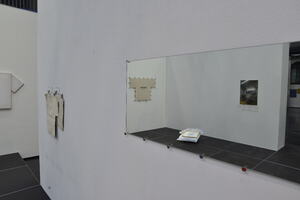
Die ausgestellten Arbeiten greifen visuelle Elemente von Theaterkostümen, Bühnenrequisiten und Umkleidekabinen auf, um Besucher*innen einzuladen, sich selbst als Performer*innen von Sprache und Identität wahrzunehmen. Ein besonderer Schwerpunkt liegt dabei auf grafischen T-Shirts, da diese oft kulturelle Assoziationen oder oberflächliche Identitäten signalisieren (z. B. Bandshirts, Arbeitskleidung). Diese bekannte Struktur wird dekonstruiert und umgebaut, um Betrachter*innen die Bewohnbarkeit von Sprache zu verdeutlichen.
Die begleitende Performance beschäftigt sich mit der Mehrdeutigkeit von Sprache, die stets von persönlicher Interpretation abhängt. Wörter und Texte sind untrennbar mit ihrem Kontext sowie der Art und Weise verbunden, wie und wo sie erscheinen. In den Text-/Textil-Konstruktionen werden Wörter zu Requisiten, die Bedeutungen – sowohl offensichtlich als auch schwer fassbar – tragen und durch das Medium der Requisite von anderen „bewohnt“ werden können.
- Die Diplomarbeit „LET ME SEE (c) THE SUN“ setzt sich mit Sprache und Kommunikation auseinander, wobei das Medium Kleidung als Sprachrohr von Geschichten und als Bote von Identitäten analysiert werden soll.
- Beschreibung (en)
- The diploma project “LET ME SEE (c) THE SUN” deals with language and communication, analyzing the medium of clothing as a mouthpiece for stories and as a messenger of identities.
The exhibited works take up visual elements of theater costumes, stage props and dressing rooms to invite visitors to perceive themselves as performers of language and identity. A particular focus is placed on graphic T-shirts, as these often signal cultural associations or superficial identities (e.g. band shirts, work clothes). This familiar structure is deconstructed and rebuilt to show viewers the habitability of language.
The accompanying performance deals with the ambiguity of language, which always depends on personal interpretation. Words and texts are inextricably linked to their context and how and where they appear. In the text/textile constructions, words become props that carry meanings - both obvious and elusive - and can be “inhabited” by others through the medium of the prop.
- The diploma project “LET ME SEE (c) THE SUN” deals with language and communication, analyzing the medium of clothing as a mouthpiece for stories and as a messenger of identities.
- Kategorie
- Typ des Projekts/Werks
- Schlagworte
- Datierung
- 15.01.2025
- Mitwirkende
- Dank an
- Paul Bailey
- Jonathan Blaschke
- Céline Condorelli
- Amelie Enders
- Till Engelhardt
- Kira Fuchs
- Line-Gry Hørup
- Rafael Jörger
- Chiara Kern
- Simon Knebl
- Florian Knöbl
- Alexander Knoppik
- Barbara Kuon
- James Langdon
- Nina Overkott
- Leo Schick
- Henriette Schwabe (Jette Schwabe)
- Neele Seidel
- Isabel Seiffert
- Moritz Kamil Simon
- Charlotte Singer
- Niklas Weisenbach
- Maximilian Zschiesche
- Sprache
- Material
- Ort: Institution
- Ort
- Lichthof 3
- Stadt
- Land
- Titel
- LET ME SEE (c) THE SUN
- Projektleiter/in
- Semester
- Studiengang
- Typ der Abschlussarbeit
- Importiert am
- 11.02.2025
- Übergeordnete Sets
- 3
- Set enthält
- 0 11
Lehrprogramm
Name that can easily go onto 2 lines
Author that can easily go onto 2 lines as well
- Titel
- Lehrprogramm
- Titel (en)
- Education programme
- Beschreibung (de)
- Das Lehrprogramm umfasste eine Reihe von zweitägigen Veranstaltungen, die jeweils eine Exkursion, ein Kolloquium und einen praktischen Workshop kombinierten. Diese Zusammenkünfte wurden zu Orten, an denen sich Wissen aus verschiedenen Bereichen kreuzte, Materialien mit den Orten und Gemeinschaften in Verbindung gebracht wurden, aus denen sie stammten, und Studierende mit Fachleuten zusammenkamen, die sowohl konzeptionelle Reflexion als auch praktische Experimente anleiten konnten. Durch die Zusammenführung lokaler und internationaler Stimmen förderte das Programm eine Kultur des gleichberechtigten Austauschs.
Am ersten Tag lag der Schwerpunkt auf der Erkundung. Die Teilnehmenden besuchten lokale Quellen für nachhaltige Materialien, beobachteten natürliche Kreisläufe und führten erste Experimente wie Faserextraktion, Verbundstoffbildung oder die Kultivierung von Biomaterialien durch. Die Kolloquien boten dann Raum, um Erkenntnisse aus den Exkursionen auszutauschen und sie in breitere Diskussionen über Biodesign und »Bioregioning«, neuen Materialismus oder »more than human« Narrative einzuordnen. Diese Sitzungen, die an der HfG Karlsruhe stattfanden und öffentlich online gestreamt wurden, öffneten den Austausch für ein breiteres Publikum und verknüpften Perspektiven von Studierenden, Praktizierenden und Forschenden miteinander.
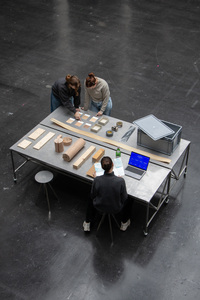
Am zweiten Tag verlagerte sich der Schwerpunkt auf das Machen. Unter Anleitung von eingeladenen Praktizierenden verarbeiteten die Studierenden die während der Exkursionen gesammelten Materialien und arbeiteten direkt damit. In dieser Phase standen der Aufbau von Wissen und Fähigkeiten im Vordergrund, wobei gezeigt wurde, wie theoretische Forschung und ökologische Reflexion in die Praxis umgesetzt werden können. Durch die Auseinandersetzung mit den Materialien durch Berühren, Experimentieren und Iteration entdeckten die Studierenden sowohl das Potenzial als auch die Grenzen der lokalen Ressourcen – Erkenntnisse, die in die eigene unabhängige Praxis einfließen können.
- Das Lehrprogramm umfasste eine Reihe von zweitägigen Veranstaltungen, die jeweils eine Exkursion, ein Kolloquium und einen praktischen Workshop kombinierten. Diese Zusammenkünfte wurden zu Orten, an denen sich Wissen aus verschiedenen Bereichen kreuzte, Materialien mit den Orten und Gemeinschaften in Verbindung gebracht wurden, aus denen sie stammten, und Studierende mit Fachleuten zusammenkamen, die sowohl konzeptionelle Reflexion als auch praktische Experimente anleiten konnten. Durch die Zusammenführung lokaler und internationaler Stimmen förderte das Programm eine Kultur des gleichberechtigten Austauschs.
- Beschreibung (en)
- The education programme unfolded through a series of two-day events, each combining a field trip, a colloquium, and a hands-on workshop. These gatherings became spaces where knowledge from different domains intersected, linking materials to the locations and communities from which they emerged, while connecting students with practitioners who could guide both conceptual reflection and practical experimentation. By bringing together local and international voices, the programme cultivated a culture of equal exchange.
The first day centred on exploration. Participants visited local sources of sustainable materials, observed natural cycles, and engaged in early experiments such as fibre extraction, composite formation, or cultivating biomaterials. The colloquia then provided space to share insights from the excursions, situating them within broader discussions on biodesign and bioregioning, new materialism, or more-than-human narratives. Hosted at the HfG Karlsruhe and publicly streamed online, these sessions opened the exchange to a wider audience while weaving together perspectives from students, makers, and researchers.
The second day shifted the focus to making. Guided by invited practitioners, students processed and worked directly with the materials collected during the field trips. This phase emphasised knowledge and skill-building, showing how theoretical research and ecological reflection could be translated into practice. By engaging with materials through touch, experimentation, and iteration, students discovered both the potential and the limitations of local resources, insights they can carry on into their own independent practice.
- The education programme unfolded through a series of two-day events, each combining a field trip, a colloquium, and a hands-on workshop. These gatherings became spaces where knowledge from different domains intersected, linking materials to the locations and communities from which they emerged, while connecting students with practitioners who could guide both conceptual reflection and practical experimentation. By bringing together local and international voices, the programme cultivated a culture of equal exchange.
- Titel
- Lehrprogramm
- Importiert am
- 10.03.2026
- Übergeordnete Sets
- 1
- Set enthält
- 8 0