Medieneinträge
4333 Inhalte
- Seite 1 von 362
Tide: Ausstellungsansicht
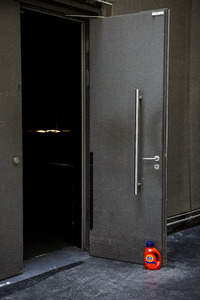
Name that can easily go onto 2 lines
Author that can easily go onto 2 lines as well
- Titel
- Tide: Ausstellungsansicht
- Autor/in
- Kategorie
- Schlagworte
- Datierung
- 01.07.2020 - 05.07.2020
- Titel
- Tide: Ausstellungsansicht
- Titel (en)
- Tide: exhibition view
- Urheberrechtshinweis
- © Christina Scheib
- Rechtsschutz/Lizenz
- Freigabe Nutzung HfG
- Medienersteller/in
- Beziehung/Funktion
- Projektleiter/in
- Semester
- Studiengang
- Typ der Abschlussarbeit
- Importiert am
- 14.06.2024
- Übergeordnete Sets
- 1
Tide: Ausstellungsansicht
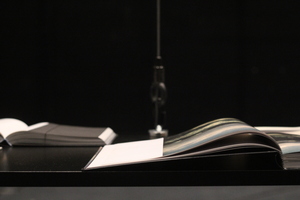
Name that can easily go onto 2 lines
Author that can easily go onto 2 lines as well
- Titel
- Tide: Ausstellungsansicht
- Autor/in
- Kategorie
- Schlagworte
- Datierung
- 01.07.2020 - 05.07.2020
- Titel
- Tide: Ausstellungsansicht
- Titel (en)
- Tide: exhibition view
- Urheberrechtshinweis
- © Christina Scheib
- Rechtsschutz/Lizenz
- Freigabe Nutzung HfG
- Medienersteller/in
- Beziehung/Funktion
- Projektleiter/in
- Semester
- Studiengang
- Typ der Abschlussarbeit
- Importiert am
- 14.06.2024
- Übergeordnete Sets
- 1
Tide: Ausstellungsansicht
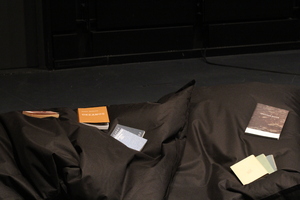
Name that can easily go onto 2 lines
Author that can easily go onto 2 lines as well
- Titel
- Tide: Ausstellungsansicht
- Autor/in
- Kategorie
- Schlagworte
- Datierung
- 01.07.2020 - 05.07.2020
- Titel
- Tide: Ausstellungsansicht
- Titel (en)
- Tide: exhibition view
- Urheberrechtshinweis
- © Christina Scheib
- Rechtsschutz/Lizenz
- Freigabe Nutzung HfG
- Medienersteller/in
- Beziehung/Funktion
- Projektleiter/in
- Semester
- Studiengang
- Typ der Abschlussarbeit
- Importiert am
- 14.06.2024
- Übergeordnete Sets
- 1
Tide: Ausstellungsansicht
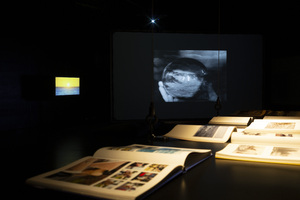
Name that can easily go onto 2 lines
Author that can easily go onto 2 lines as well
- Titel
- Tide: Ausstellungsansicht
- Autor/in
- Kategorie
- Schlagworte
- Datierung
- 01.07.2020 - 05.07.2020
- Titel
- Tide: Ausstellungsansicht
- Titel (en)
- Tide: exhibition view
- Urheberrechtshinweis
- © Christina Scheib
- Rechtsschutz/Lizenz
- Freigabe Nutzung HfG
- Medienersteller/in
- Beziehung/Funktion
- Projektleiter/in
- Semester
- Studiengang
- Typ der Abschlussarbeit
- Importiert am
- 14.06.2024
- Übergeordnete Sets
- 1
three stools (ghanian replica), mixed woods
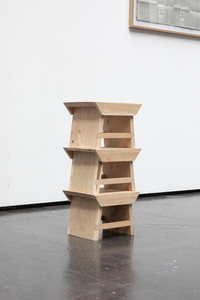
Name that can easily go onto 2 lines
Author that can easily go onto 2 lines as well
- Titel
- three stools (ghanian replica), mixed woods
- Kategorie
- Titel
- three stools (ghanian replica), mixed woods
- Urheberrechtshinweis
- © Calvin Kudufia
- Rechtsschutz/Lizenz
- Freigabe Nutzung HfG
- Beziehung/Funktion
- Projektleiter/in
- Semester
- Studiengang
- Typ der Abschlussarbeit
- Importiert am
- 31.05.2024
- Übergeordnete Sets
- 1
three stools (ghanian replica), mixed woods
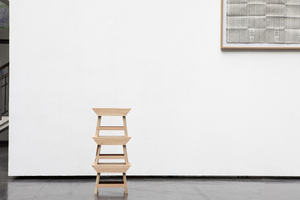
Name that can easily go onto 2 lines
Author that can easily go onto 2 lines as well
- Titel
- three stools (ghanian replica), mixed woods
- Kategorie
- Titel
- three stools (ghanian replica), mixed woods
- Urheberrechtshinweis
- © Calvin Kudufia
- Rechtsschutz/Lizenz
- Freigabe Nutzung HfG
- Beziehung/Funktion
- Projektleiter/in
- Semester
- Studiengang
- Typ der Abschlussarbeit
- Importiert am
- 31.05.2024
- Übergeordnete Sets
- 1
The Violent Container
Name that can easily go onto 2 lines
Author that can easily go onto 2 lines as well
- Titel
- The Violent Container
- Autor/in
- Titel
- The Violent Container
- Titel (en)
- The Violent Container
- Urheberrechtshinweis
- © Lena Breitmoser
- Rechtsschutz/Lizenz
- Medienersteller/in
- Beziehung/Funktion
- Projektleiter/in
- Semester
- Studiengang
- Typ der Abschlussarbeit
- Importiert am
- 21.09.2025
- Übergeordnete Sets
- 1
The Violent Container
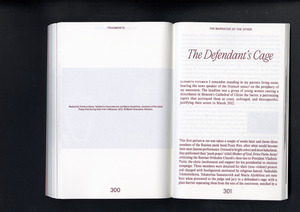
Name that can easily go onto 2 lines
Author that can easily go onto 2 lines as well
- Titel
- The Violent Container
- Autor/in
- Schlagworte
- Titel
- The Violent Container
- Titel (en)
- The Violent Container
- Urheberrechtshinweis
- © Lena Breitmoser
- Rechtsschutz/Lizenz
- Medienersteller/in
- Beziehung/Funktion
- Projektleiter/in
- Semester
- Studiengang
- Typ der Abschlussarbeit
- Importiert am
- 22.10.2025
- Übergeordnete Sets
- 1
The Violent Container
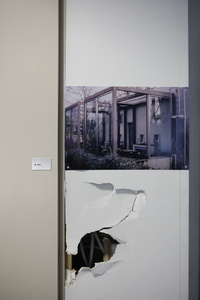
Name that can easily go onto 2 lines
Author that can easily go onto 2 lines as well
- Titel
- The Violent Container
- Autor/in
- Titel
- The Violent Container
- Titel (en)
- The Violent Container
- Urheberrechtshinweis
- © Lena Breitmoser
- Rechtsschutz/Lizenz
- Medienersteller/in
- Beziehung/Funktion
- Projektleiter/in
- Semester
- Studiengang
- Typ der Abschlussarbeit
- Importiert am
- 21.09.2025
- Übergeordnete Sets
- 1
The Violent Container
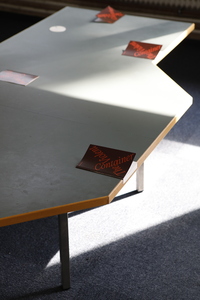
Name that can easily go onto 2 lines
Author that can easily go onto 2 lines as well
- Titel
- The Violent Container
- Autor/in
- Titel
- The Violent Container
- Titel (en)
- The Violent Container
- Urheberrechtshinweis
- © Lena Breitmoser
- Rechtsschutz/Lizenz
- Medienersteller/in
- Beziehung/Funktion
- Projektleiter/in
- Semester
- Studiengang
- Typ der Abschlussarbeit
- Importiert am
- 21.09.2025
- Übergeordnete Sets
- 1
The Violent Container
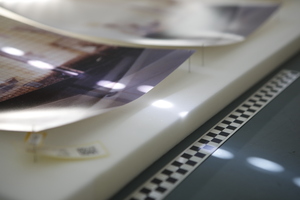
Name that can easily go onto 2 lines
Author that can easily go onto 2 lines as well
- Titel
- The Violent Container
- Autor/in
- Titel
- The Violent Container
- Titel (en)
- The Violent Container
- Urheberrechtshinweis
- © Lena Breitmoser
- Rechtsschutz/Lizenz
- Medienersteller/in
- Beziehung/Funktion
- Projektleiter/in
- Semester
- Studiengang
- Typ der Abschlussarbeit
- Importiert am
- 21.09.2025
- Übergeordnete Sets
- 1
The Violent Container
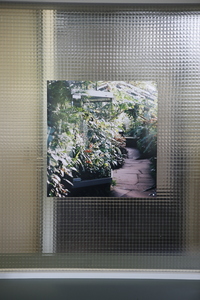
Name that can easily go onto 2 lines
Author that can easily go onto 2 lines as well
- Titel
- The Violent Container
- Autor/in
- Titel
- The Violent Container
- Titel (en)
- The Violent Container
- Urheberrechtshinweis
- © Lena Breitmoser
- Rechtsschutz/Lizenz
- Medienersteller/in
- Beziehung/Funktion
- Projektleiter/in
- Semester
- Studiengang
- Typ der Abschlussarbeit
- Importiert am
- 21.09.2025
- Übergeordnete Sets
- 1