"Druckerzeugnisse der HfG"
| Begriff | Druckerzeugnisse der HfG |
| Metakey | Freigabe Nutzung HfG (rights:usage_hfg) |
| Typ | Keyword |
| Vokabular | Rechte |
1854 Inhalte
- Seite 1 von 155
air
Name that can easily go onto 2 lines
Author that can easily go onto 2 lines as well
- Titel
- air
- Schlagworte
- Titel
- air
- Titel (en)
- air
- Urheberrechtshinweis
- © Hoin Ji
- Rechtsschutz/Lizenz
- Freigabe Nutzung HfG
- Medienersteller/in
- Medien-Beschreibung
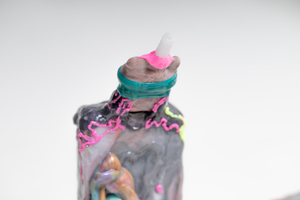
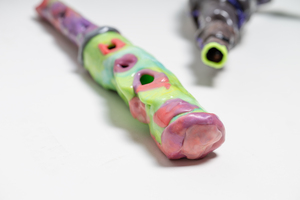
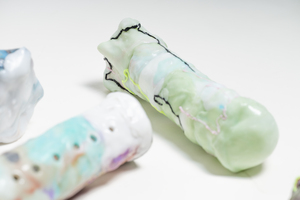
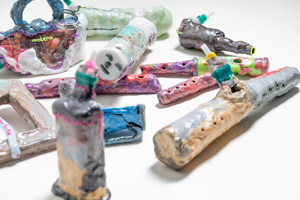
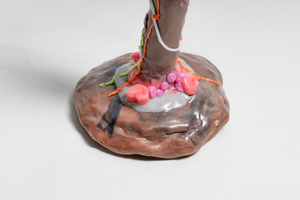
- Pp 1-8, air 1-4 und dust 1-2, frühe Instrumente und Polymer-Gemälde, bei denen ich keinen überzeugenden Grund fand, weiterhin traditionelle Materialien zu verwenden. Also entschied ich mich, sie stattdessen mit PCL und PLA zu schaffen.
Die oben genannten Arbeiten sind das Ergebnis eines Instrumentenbaus durch DIY-Praxis und Open-Source-Dateien aus dem Internet, indem die Illusion der klassistischen Form geschmolzen, vermischt und in biologisch abbaubare Polymere gegossen wurde, nicht nur mit der Hand, sondern auch mit dem 3D-Drucker. Eine besondere Qualifikation ist für die Herstellung nicht nötig. Die Bauanleitungen für diese DIY-Instrumente werden während der Ausstellung und auf der Website zur Verfügung gestellt.
- Pp 1-8, air 1-4 und dust 1-2, frühe Instrumente und Polymer-Gemälde, bei denen ich keinen überzeugenden Grund fand, weiterhin traditionelle Materialien zu verwenden. Also entschied ich mich, sie stattdessen mit PCL und PLA zu schaffen.
- Medien-Beschreibung (en)
- Pp 1-9, air 1-4, and dust 1-2, early-made instruments and polymer paintings which I found no compelling reason to continue using traditional materials, and so I ended up creating them with PCL and PLA.
The above instruments and paintings are the result of instrument-making through DIY-ness and open-source files from the internet by melting, merging, and mixing the illusion of classism's shape into biodegradable polymers, not only with a hand, but also with a 3D printer. However, any sacred qualification to make is not needed. DIY instructions for these DIY instruments are distributed at the exhibition and website.
- Pp 1-9, air 1-4, and dust 1-2, early-made instruments and polymer paintings which I found no compelling reason to continue using traditional materials, and so I ended up creating them with PCL and PLA.
- Projektleiter/in
- Semester
- Studiengang
- Typ der Abschlussarbeit
- Importiert am
- 14.07.2025
- Übergeordnete Sets
- 1
air
Name that can easily go onto 2 lines
Author that can easily go onto 2 lines as well
- Titel
- air
- Schlagworte
- Titel
- air
- Titel (en)
- air
- Urheberrechtshinweis
- © Hoin Ji
- Rechtsschutz/Lizenz
- Freigabe Nutzung HfG
- Medienersteller/in
- Medien-Beschreibung
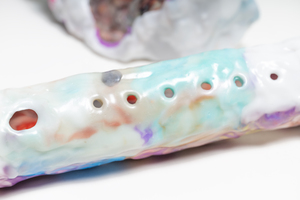
- Pp 1-8, air 1-4 und dust 1-2, frühe Instrumente und Polymer-Gemälde, bei denen ich keinen überzeugenden Grund fand, weiterhin traditionelle Materialien zu verwenden. Also entschied ich mich, sie stattdessen mit PCL und PLA zu schaffen.
Die oben genannten Arbeiten sind das Ergebnis eines Instrumentenbaus durch DIY-Praxis und Open-Source-Dateien aus dem Internet, indem die Illusion der klassistischen Form geschmolzen, vermischt und in biologisch abbaubare Polymere gegossen wurde, nicht nur mit der Hand, sondern auch mit dem 3D-Drucker. Eine besondere Qualifikation ist für die Herstellung nicht nötig. Die Bauanleitungen für diese DIY-Instrumente werden während der Ausstellung und auf der Website zur Verfügung gestellt.
- Pp 1-8, air 1-4 und dust 1-2, frühe Instrumente und Polymer-Gemälde, bei denen ich keinen überzeugenden Grund fand, weiterhin traditionelle Materialien zu verwenden. Also entschied ich mich, sie stattdessen mit PCL und PLA zu schaffen.
- Medien-Beschreibung (en)
- Pp 1-9, air 1-4, and dust 1-2, early-made instruments and polymer paintings which I found no compelling reason to continue using traditional materials, and so I ended up creating them with PCL and PLA.
The above instruments and paintings are the result of instrument-making through DIY-ness and open-source files from the internet by melting, merging, and mixing the illusion of classism's shape into biodegradable polymers, not only with a hand, but also with a 3D printer. However, any sacred qualification to make is not needed. DIY instructions for these DIY instruments are distributed at the exhibition and website.
- Pp 1-9, air 1-4, and dust 1-2, early-made instruments and polymer paintings which I found no compelling reason to continue using traditional materials, and so I ended up creating them with PCL and PLA.
- Projektleiter/in
- Semester
- Studiengang
- Typ der Abschlussarbeit
- Importiert am
- 14.07.2025
- Übergeordnete Sets
- 1
air
Name that can easily go onto 2 lines
Author that can easily go onto 2 lines as well
- Titel
- air
- Schlagworte
- Titel
- air
- Titel (en)
- air
- Urheberrechtshinweis
- © Hoin Ji
- Rechtsschutz/Lizenz
- Freigabe Nutzung HfG
- Medienersteller/in
- Medien-Beschreibung
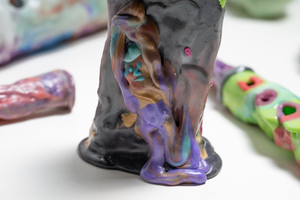
- Pp 1-8, air 1-4 und dust 1-2, frühe Instrumente und Polymer-Gemälde, bei denen ich keinen überzeugenden Grund fand, weiterhin traditionelle Materialien zu verwenden. Also entschied ich mich, sie stattdessen mit PCL und PLA zu schaffen.
Die oben genannten Arbeiten sind das Ergebnis eines Instrumentenbaus durch DIY-Praxis und Open-Source-Dateien aus dem Internet, indem die Illusion der klassistischen Form geschmolzen, vermischt und in biologisch abbaubare Polymere gegossen wurde, nicht nur mit der Hand, sondern auch mit dem 3D-Drucker. Eine besondere Qualifikation ist für die Herstellung nicht nötig. Die Bauanleitungen für diese DIY-Instrumente werden während der Ausstellung und auf der Website zur Verfügung gestellt.
- Pp 1-8, air 1-4 und dust 1-2, frühe Instrumente und Polymer-Gemälde, bei denen ich keinen überzeugenden Grund fand, weiterhin traditionelle Materialien zu verwenden. Also entschied ich mich, sie stattdessen mit PCL und PLA zu schaffen.
- Medien-Beschreibung (en)
- Pp 1-9, air 1-4, and dust 1-2, early-made instruments and polymer paintings which I found no compelling reason to continue using traditional materials, and so I ended up creating them with PCL and PLA.
The above instruments and paintings are the result of instrument-making through DIY-ness and open-source files from the internet by melting, merging, and mixing the illusion of classism's shape into biodegradable polymers, not only with a hand, but also with a 3D printer. However, any sacred qualification to make is not needed. DIY instructions for these DIY instruments are distributed at the exhibition and website.
- Pp 1-9, air 1-4, and dust 1-2, early-made instruments and polymer paintings which I found no compelling reason to continue using traditional materials, and so I ended up creating them with PCL and PLA.
- Projektleiter/in
- Semester
- Studiengang
- Typ der Abschlussarbeit
- Importiert am
- 14.07.2025
- Übergeordnete Sets
- 1
air
Name that can easily go onto 2 lines
Author that can easily go onto 2 lines as well
- Titel
- air
- Schlagworte
- Titel
- air
- Titel (en)
- air
- Urheberrechtshinweis
- © Hoin Ji
- Rechtsschutz/Lizenz
- Freigabe Nutzung HfG
- Medienersteller/in
- Medien-Beschreibung
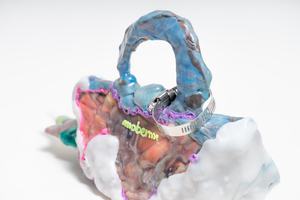
- Pp 1-8, air 1-4 und dust 1-2, frühe Instrumente und Polymer-Gemälde, bei denen ich keinen überzeugenden Grund fand, weiterhin traditionelle Materialien zu verwenden. Also entschied ich mich, sie stattdessen mit PCL und PLA zu schaffen.
Die oben genannten Arbeiten sind das Ergebnis eines Instrumentenbaus durch DIY-Praxis und Open-Source-Dateien aus dem Internet, indem die Illusion der klassistischen Form geschmolzen, vermischt und in biologisch abbaubare Polymere gegossen wurde, nicht nur mit der Hand, sondern auch mit dem 3D-Drucker. Eine besondere Qualifikation ist für die Herstellung nicht nötig. Die Bauanleitungen für diese DIY-Instrumente werden während der Ausstellung und auf der Website zur Verfügung gestellt.
- Pp 1-8, air 1-4 und dust 1-2, frühe Instrumente und Polymer-Gemälde, bei denen ich keinen überzeugenden Grund fand, weiterhin traditionelle Materialien zu verwenden. Also entschied ich mich, sie stattdessen mit PCL und PLA zu schaffen.
- Medien-Beschreibung (en)
- Pp 1-9, air 1-4, and dust 1-2, early-made instruments and polymer paintings which I found no compelling reason to continue using traditional materials, and so I ended up creating them with PCL and PLA.
The above instruments and paintings are the result of instrument-making through DIY-ness and open-source files from the internet by melting, merging, and mixing the illusion of classism's shape into biodegradable polymers, not only with a hand, but also with a 3D printer. However, any sacred qualification to make is not needed. DIY instructions for these DIY instruments are distributed at the exhibition and website.
- Pp 1-9, air 1-4, and dust 1-2, early-made instruments and polymer paintings which I found no compelling reason to continue using traditional materials, and so I ended up creating them with PCL and PLA.
- Projektleiter/in
- Semester
- Studiengang
- Typ der Abschlussarbeit
- Importiert am
- 14.07.2025
- Übergeordnete Sets
- 1
air
Name that can easily go onto 2 lines
Author that can easily go onto 2 lines as well
- Titel
- air
- Schlagworte
- Titel
- air
- Titel (en)
- air
- Urheberrechtshinweis
- © Hoin Ji
- Rechtsschutz/Lizenz
- Freigabe Nutzung HfG
- Medienersteller/in
- Medien-Beschreibung
- Pp 1-8, air 1-4 und dust 1-2, frühe Instrumente und Polymer-Gemälde, bei denen ich keinen überzeugenden Grund fand, weiterhin traditionelle Materialien zu verwenden. Also entschied ich mich, sie stattdessen mit PCL und PLA zu schaffen.
Die oben genannten Arbeiten sind das Ergebnis eines Instrumentenbaus durch DIY-Praxis und Open-Source-Dateien aus dem Internet, indem die Illusion der klassistischen Form geschmolzen, vermischt und in biologisch abbaubare Polymere gegossen wurde, nicht nur mit der Hand, sondern auch mit dem 3D-Drucker. Eine besondere Qualifikation ist für die Herstellung nicht nötig. Die Bauanleitungen für diese DIY-Instrumente werden während der Ausstellung und auf der Website zur Verfügung gestellt.
- Pp 1-8, air 1-4 und dust 1-2, frühe Instrumente und Polymer-Gemälde, bei denen ich keinen überzeugenden Grund fand, weiterhin traditionelle Materialien zu verwenden. Also entschied ich mich, sie stattdessen mit PCL und PLA zu schaffen.
- Medien-Beschreibung (en)
- Pp 1-9, air 1-4, and dust 1-2, early-made instruments and polymer paintings which I found no compelling reason to continue using traditional materials, and so I ended up creating them with PCL and PLA.
The above instruments and paintings are the result of instrument-making through DIY-ness and open-source files from the internet by melting, merging, and mixing the illusion of classism's shape into biodegradable polymers, not only with a hand, but also with a 3D printer. However, any sacred qualification to make is not needed. DIY instructions for these DIY instruments are distributed at the exhibition and website.
- Pp 1-9, air 1-4, and dust 1-2, early-made instruments and polymer paintings which I found no compelling reason to continue using traditional materials, and so I ended up creating them with PCL and PLA.
- Projektleiter/in
- Semester
- Studiengang
- Typ der Abschlussarbeit
- Importiert am
- 14.07.2025
- Übergeordnete Sets
- 1
air
Name that can easily go onto 2 lines
Author that can easily go onto 2 lines as well
- Titel
- air
- Schlagworte
- Titel
- air
- Titel (en)
- air
- Urheberrechtshinweis
- © Hoin Ji
- Rechtsschutz/Lizenz
- Freigabe Nutzung HfG
- Medienersteller/in
- Medien-Beschreibung
- Pp 1-8, air 1-4 und dust 1-2, frühe Instrumente und Polymer-Gemälde, bei denen ich keinen überzeugenden Grund fand, weiterhin traditionelle Materialien zu verwenden. Also entschied ich mich, sie stattdessen mit PCL und PLA zu schaffen.
Die oben genannten Arbeiten sind das Ergebnis eines Instrumentenbaus durch DIY-Praxis und Open-Source-Dateien aus dem Internet, indem die Illusion der klassistischen Form geschmolzen, vermischt und in biologisch abbaubare Polymere gegossen wurde, nicht nur mit der Hand, sondern auch mit dem 3D-Drucker. Eine besondere Qualifikation ist für die Herstellung nicht nötig. Die Bauanleitungen für diese DIY-Instrumente werden während der Ausstellung und auf der Website zur Verfügung gestellt.
- Pp 1-8, air 1-4 und dust 1-2, frühe Instrumente und Polymer-Gemälde, bei denen ich keinen überzeugenden Grund fand, weiterhin traditionelle Materialien zu verwenden. Also entschied ich mich, sie stattdessen mit PCL und PLA zu schaffen.
- Medien-Beschreibung (en)
- Pp 1-9, air 1-4, and dust 1-2, early-made instruments and polymer paintings which I found no compelling reason to continue using traditional materials, and so I ended up creating them with PCL and PLA.
The above instruments and paintings are the result of instrument-making through DIY-ness and open-source files from the internet by melting, merging, and mixing the illusion of classism's shape into biodegradable polymers, not only with a hand, but also with a 3D printer. However, any sacred qualification to make is not needed. DIY instructions for these DIY instruments are distributed at the exhibition and website.
- Pp 1-9, air 1-4, and dust 1-2, early-made instruments and polymer paintings which I found no compelling reason to continue using traditional materials, and so I ended up creating them with PCL and PLA.
- Projektleiter/in
- Semester
- Studiengang
- Typ der Abschlussarbeit
- Importiert am
- 14.07.2025
- Übergeordnete Sets
- 1
air
Name that can easily go onto 2 lines
Author that can easily go onto 2 lines as well
- Titel
- air
- Schlagworte
- Titel
- air
- Titel (en)
- air
- Urheberrechtshinweis
- © Hoin Ji
- Rechtsschutz/Lizenz
- Freigabe Nutzung HfG
- Medienersteller/in
- Medien-Beschreibung
- Pp 1-8, air 1-4 und dust 1-2, frühe Instrumente und Polymer-Gemälde, bei denen ich keinen überzeugenden Grund fand, weiterhin traditionelle Materialien zu verwenden. Also entschied ich mich, sie stattdessen mit PCL und PLA zu schaffen.
Die oben genannten Arbeiten sind das Ergebnis eines Instrumentenbaus durch DIY-Praxis und Open-Source-Dateien aus dem Internet, indem die Illusion der klassistischen Form geschmolzen, vermischt und in biologisch abbaubare Polymere gegossen wurde, nicht nur mit der Hand, sondern auch mit dem 3D-Drucker. Eine besondere Qualifikation ist für die Herstellung nicht nötig. Die Bauanleitungen für diese DIY-Instrumente werden während der Ausstellung und auf der Website zur Verfügung gestellt.
- Pp 1-8, air 1-4 und dust 1-2, frühe Instrumente und Polymer-Gemälde, bei denen ich keinen überzeugenden Grund fand, weiterhin traditionelle Materialien zu verwenden. Also entschied ich mich, sie stattdessen mit PCL und PLA zu schaffen.
- Medien-Beschreibung (en)
- Pp 1-9, air 1-4, and dust 1-2, early-made instruments and polymer paintings which I found no compelling reason to continue using traditional materials, and so I ended up creating them with PCL and PLA.
The above instruments and paintings are the result of instrument-making through DIY-ness and open-source files from the internet by melting, merging, and mixing the illusion of classism's shape into biodegradable polymers, not only with a hand, but also with a 3D printer. However, any sacred qualification to make is not needed. DIY instructions for these DIY instruments are distributed at the exhibition and website.
- Pp 1-9, air 1-4, and dust 1-2, early-made instruments and polymer paintings which I found no compelling reason to continue using traditional materials, and so I ended up creating them with PCL and PLA.
- Projektleiter/in
- Semester
- Studiengang
- Typ der Abschlussarbeit
- Importiert am
- 14.07.2025
- Übergeordnete Sets
- 1
air
Name that can easily go onto 2 lines
Author that can easily go onto 2 lines as well
- Titel
- air
- Schlagworte
- Titel
- air
- Titel (en)
- air
- Urheberrechtshinweis
- © Hoin Ji
- Rechtsschutz/Lizenz
- Freigabe Nutzung HfG
- Medienersteller/in
- Medien-Beschreibung
- Pp 1-8, air 1-4 und dust 1-2, frühe Instrumente und Polymer-Gemälde, bei denen ich keinen überzeugenden Grund fand, weiterhin traditionelle Materialien zu verwenden. Also entschied ich mich, sie stattdessen mit PCL und PLA zu schaffen.
Die oben genannten Arbeiten sind das Ergebnis eines Instrumentenbaus durch DIY-Praxis und Open-Source-Dateien aus dem Internet, indem die Illusion der klassistischen Form geschmolzen, vermischt und in biologisch abbaubare Polymere gegossen wurde, nicht nur mit der Hand, sondern auch mit dem 3D-Drucker. Eine besondere Qualifikation ist für die Herstellung nicht nötig. Die Bauanleitungen für diese DIY-Instrumente werden während der Ausstellung und auf der Website zur Verfügung gestellt.
- Pp 1-8, air 1-4 und dust 1-2, frühe Instrumente und Polymer-Gemälde, bei denen ich keinen überzeugenden Grund fand, weiterhin traditionelle Materialien zu verwenden. Also entschied ich mich, sie stattdessen mit PCL und PLA zu schaffen.
- Medien-Beschreibung (en)
- Pp 1-9, air 1-4, and dust 1-2, early-made instruments and polymer paintings which I found no compelling reason to continue using traditional materials, and so I ended up creating them with PCL and PLA.
The above instruments and paintings are the result of instrument-making through DIY-ness and open-source files from the internet by melting, merging, and mixing the illusion of classism's shape into biodegradable polymers, not only with a hand, but also with a 3D printer. However, any sacred qualification to make is not needed. DIY instructions for these DIY instruments are distributed at the exhibition and website.
- Pp 1-9, air 1-4, and dust 1-2, early-made instruments and polymer paintings which I found no compelling reason to continue using traditional materials, and so I ended up creating them with PCL and PLA.
- Projektleiter/in
- Semester
- Studiengang
- Typ der Abschlussarbeit
- Importiert am
- 14.07.2025
- Übergeordnete Sets
- 1
air
Name that can easily go onto 2 lines
Author that can easily go onto 2 lines as well
- Titel
- air
- Schlagworte
- Titel
- air
- Titel (en)
- air
- Urheberrechtshinweis
- © Hoin Ji
- Rechtsschutz/Lizenz
- Freigabe Nutzung HfG
- Medienersteller/in
- Medien-Beschreibung
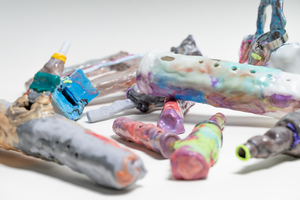
- Pp 1-8, air 1-4 und dust 1-2, frühe Instrumente und Polymer-Gemälde, bei denen ich keinen überzeugenden Grund fand, weiterhin traditionelle Materialien zu verwenden. Also entschied ich mich, sie stattdessen mit PCL und PLA zu schaffen.
Die oben genannten Arbeiten sind das Ergebnis eines Instrumentenbaus durch DIY-Praxis und Open-Source-Dateien aus dem Internet, indem die Illusion der klassistischen Form geschmolzen, vermischt und in biologisch abbaubare Polymere gegossen wurde, nicht nur mit der Hand, sondern auch mit dem 3D-Drucker. Eine besondere Qualifikation ist für die Herstellung nicht nötig. Die Bauanleitungen für diese DIY-Instrumente werden während der Ausstellung und auf der Website zur Verfügung gestellt.
- Pp 1-8, air 1-4 und dust 1-2, frühe Instrumente und Polymer-Gemälde, bei denen ich keinen überzeugenden Grund fand, weiterhin traditionelle Materialien zu verwenden. Also entschied ich mich, sie stattdessen mit PCL und PLA zu schaffen.
- Medien-Beschreibung (en)
- Pp 1-9, air 1-4, and dust 1-2, early-made instruments and polymer paintings which I found no compelling reason to continue using traditional materials, and so I ended up creating them with PCL and PLA.
The above instruments and paintings are the result of instrument-making through DIY-ness and open-source files from the internet by melting, merging, and mixing the illusion of classism's shape into biodegradable polymers, not only with a hand, but also with a 3D printer. However, any sacred qualification to make is not needed. DIY instructions for these DIY instruments are distributed at the exhibition and website.
- Pp 1-9, air 1-4, and dust 1-2, early-made instruments and polymer paintings which I found no compelling reason to continue using traditional materials, and so I ended up creating them with PCL and PLA.
- Projektleiter/in
- Semester
- Studiengang
- Typ der Abschlussarbeit
- Importiert am
- 14.07.2025
- Übergeordnete Sets
- 1
air
Name that can easily go onto 2 lines
Author that can easily go onto 2 lines as well
- Titel
- air
- Schlagworte
- Titel
- air
- Titel (en)
- air
- Urheberrechtshinweis
- © Hoin Ji
- Rechtsschutz/Lizenz
- Freigabe Nutzung HfG
- Medienersteller/in
- Medien-Beschreibung
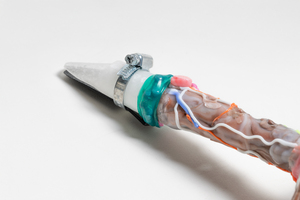
- Pp 1-8, air 1-4 und dust 1-2, frühe Instrumente und Polymer-Gemälde, bei denen ich keinen überzeugenden Grund fand, weiterhin traditionelle Materialien zu verwenden. Also entschied ich mich, sie stattdessen mit PCL und PLA zu schaffen.
Die oben genannten Arbeiten sind das Ergebnis eines Instrumentenbaus durch DIY-Praxis und Open-Source-Dateien aus dem Internet, indem die Illusion der klassistischen Form geschmolzen, vermischt und in biologisch abbaubare Polymere gegossen wurde, nicht nur mit der Hand, sondern auch mit dem 3D-Drucker. Eine besondere Qualifikation ist für die Herstellung nicht nötig. Die Bauanleitungen für diese DIY-Instrumente werden während der Ausstellung und auf der Website zur Verfügung gestellt.
- Pp 1-8, air 1-4 und dust 1-2, frühe Instrumente und Polymer-Gemälde, bei denen ich keinen überzeugenden Grund fand, weiterhin traditionelle Materialien zu verwenden. Also entschied ich mich, sie stattdessen mit PCL und PLA zu schaffen.
- Medien-Beschreibung (en)
- Pp 1-9, air 1-4, and dust 1-2, early-made instruments and polymer paintings which I found no compelling reason to continue using traditional materials, and so I ended up creating them with PCL and PLA.
The above instruments and paintings are the result of instrument-making through DIY-ness and open-source files from the internet by melting, merging, and mixing the illusion of classism's shape into biodegradable polymers, not only with a hand, but also with a 3D printer. However, any sacred qualification to make is not needed. DIY instructions for these DIY instruments are distributed at the exhibition and website.
- Pp 1-9, air 1-4, and dust 1-2, early-made instruments and polymer paintings which I found no compelling reason to continue using traditional materials, and so I ended up creating them with PCL and PLA.
- Projektleiter/in
- Semester
- Studiengang
- Typ der Abschlussarbeit
- Importiert am
- 14.07.2025
- Übergeordnete Sets
- 1
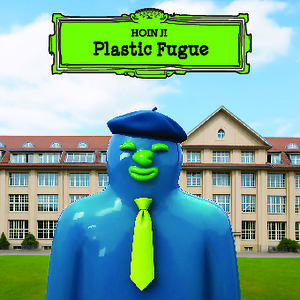
Plastic Fugue_Catalogue
Name that can easily go onto 2 lines
Author that can easily go onto 2 lines as well
- Titel
- Plastic Fugue_Catalogue
- Titel
- Plastic Fugue_Catalogue
- Titel (en)
- Plastic Fugue_Catalogue
- Urheberrechtshinweis
- © Hoin Ji
- Rechtsschutz/Lizenz
- Freigabe Nutzung HfG
- Medienersteller/in
- Beziehung/Funktion
- Projektleiter/in
- Semester
- Studiengang
- Typ der Abschlussarbeit
- Importiert am
- 12.07.2025
- Übergeordnete Sets
- 1
introducing air&dust (full)
Name that can easily go onto 2 lines
Author that can easily go onto 2 lines as well
- Titel
- introducing air&dust (full)
- Titel
- introducing air&dust (full)
- Titel (en)
- introducing air&dust (full)
- Urheberrechtshinweis
- © Hoin Ji
- Rechtsschutz/Lizenz
- Freigabe Nutzung HfG
- Medienersteller/in
- Beziehung/Funktion
- Medien-Beschreibung
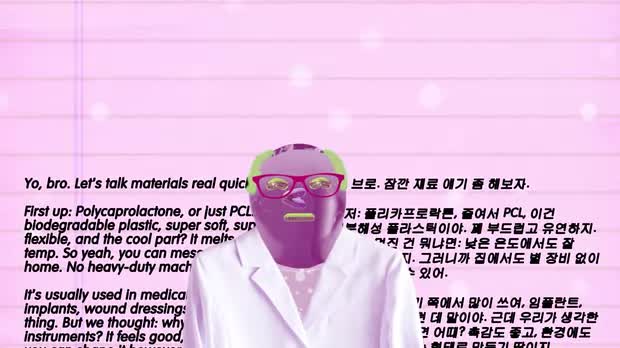
- Ein Einführungsvideo, das eine Produktpräsentation imitiert. CEO Framey von „Moberm“, einer fiktiven Firma, spricht darüber, wie Moberm aufgrund der Kindheitserinnerungen des CEOs beschloss, sein Geschäft auf Musikinstrumente auszuweiten. Das Video behauptet selbstbewusst die Multifunktionalität der air&dust-Instrumente, bleibt dabei jedoch letztlich inhaltsleer. Framey, die sprechende Figur, artikuliert indirekt die Erzählung der Person hinter dem Werk und stellt gleichzeitig eine von Stereotypen und Neoliberalismus durchzogene Kunststruktur nach.
- Ein Einführungsvideo, das eine Produktpräsentation imitiert. CEO Framey von „Moberm“, einer fiktiven Firma, spricht darüber, wie Moberm aufgrund der Kindheitserinnerungen des CEOs beschloss, sein Geschäft auf Musikinstrumente auszuweiten. Das Video behauptet selbstbewusst die Multifunktionalität der air&dust-Instrumente, bleibt dabei jedoch letztlich inhaltsleer. Framey, die sprechende Figur, artikuliert indirekt die Erzählung der Person hinter dem Werk und stellt gleichzeitig eine von Stereotypen und Neoliberalismus durchzogene Kunststruktur nach.
- Medien-Beschreibung (en)
- An introductory video that imitates a product presentation. CEO Framey of “Moberm,” a fictional company, talks about how Moberm decided to expand into musical instruments based on the CEO’s childhood memories. The video confidently claims the multifunctionality of the air&dust instruments, but ultimately remains contentless. Framey, the speaking figure, indirectly articulates the narrative of the person behind the work while simultaneously reenacting an art structure shaped by stereotypes and neoliberalism.
- An introductory video that imitates a product presentation. CEO Framey of “Moberm,” a fictional company, talks about how Moberm decided to expand into musical instruments based on the CEO’s childhood memories. The video confidently claims the multifunctionality of the air&dust instruments, but ultimately remains contentless. Framey, the speaking figure, indirectly articulates the narrative of the person behind the work while simultaneously reenacting an art structure shaped by stereotypes and neoliberalism.
- Projektleiter/in
- Semester
- Studiengang
- Typ der Abschlussarbeit
- Importiert am
- 12.07.2025
- Übergeordnete Sets
- 1