Sets
438 Inhalte
- Seite 1 von 37
Temporary Shapes
Name that can easily go onto 2 lines
Author that can easily go onto 2 lines as well
- Titel
- Temporary Shapes
- Titel (en)
- Temporary Shapes
- Autor/in
- Beschreibung (de)
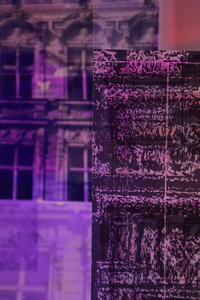
- Die durch einen räumlichen Audiowalk ergänzte Installation untersucht die Beziehung zwischen Menschen und Städten aus der Perspektive der Zeit. Sie erforscht, wie sich beide kontinuierlich verändern und wie sich die Zeitlinien von Individuen und Städten gelegentlich überschneiden, bevor sie sich wieder voneinander entfernen.
Die Ausstellung stellt zwei parallele Erzählungen gegenüber: die Veränderung einer Stadt und die persönlichen Geschichten von Menschen, die sich durch verschiedene Lebensphasen entfalten. Diese beiden Ebenen werden sowohl räumlich als auch klanglich erfahrbar.
Durch Interviews, persönliche Fotografien, Archivfotografien, Tonaufnahmen und transparente räumliche Schichten bewegt sich die Besucherin bzw. der Besucher gleichzeitig durch die Geschichte einer Stadt und den Lebensweg eines Menschen und erlebt dabei, wie Vergangenheit, Gegenwart und Zukunft kontinuierlich ineinander übergehen. Matthias Mansens Holzschnittserie Potsdamer Strasse erscheint als konkretes Beispiel für diese Beziehung: Sie bewahrt einen einzelnen Moment der Begegnung zwischen einem Künstler und einer sich ständig verändernden Stadt.
- Die durch einen räumlichen Audiowalk ergänzte Installation untersucht die Beziehung zwischen Menschen und Städten aus der Perspektive der Zeit. Sie erforscht, wie sich beide kontinuierlich verändern und wie sich die Zeitlinien von Individuen und Städten gelegentlich überschneiden, bevor sie sich wieder voneinander entfernen.
- Beschreibung (en)
- The installation, complemented by a spatial audio walk. Explores the relationship between people and cities from the perspective of time.
It examines how both are constantly changing, and how the timelines of individuals and cities occasionally intersect before moving apart again. The exhibition presents two parallel narratives: the transformation of a city and the personal stories of individuals unfolding through different stages of life. These two dimensions are experienced through both space and sound. Through interviews, personal photographs, archival photographs, sound, and transparent spatial layers, visitors move simultaneously through the history of a city and the trajectory of a human life, experiencing how past, present, and future continuously merge into one another.
Matthias Mansen’s Potsdamer Strasse woodcut series serves as a concrete example of this relationship, preserving a single moment of encounter between an artist and a constantly changing city.
- The installation, complemented by a spatial audio walk. Explores the relationship between people and cities from the perspective of time.
- Kategorie
- Typ des Projekts/Werks
- Schlagworte
- Datierung
- 02.05.2026 - 02.07.2026
- Mitwirkende
- Dank an
- Sprache
- Ort: Institution
- Stadt
- Land
- Beteiligte Institution(en)
- Titel
- Temporary Shapes
- Projektleiter/in
- Semester
- Studiengang
- Typ der Abschlussarbeit
- Importiert am
- 23.07.2026
- Übergeordnete Sets
- 0
- Set enthält
- 0 25
Zeitbild-Lab Schaufenster

Name that can easily go onto 2 lines
Author that can easily go onto 2 lines as well
- Titel
- Zeitbild-Lab Schaufenster
- Titel (en)
- Zeitbild-Lab Showcase
- Beschreibung (de)
- Das Zeitbild-Lab (ZBL) ist eine Förderplattform für künstlerische Filmprojekte an der Hochschule für Gestaltung Karlsruhe. Es unterstützt Studierende und Absolventinnen bei der Entwicklung, Produktion und Präsentation ihrer Arbeiten und begleitet Projekte von der Idee bis zur öffentlichen Aufführung. Das Schaufenster macht diese Förderung sichtbar: Es präsentiert Trailer und Informationen zu den vom Zeitbild-Lab unterstützten Filmen und bietet einen Überblick über die vielfältigen filmischen Positionen, die an der HfG Karlsruhe entstehen. Jedes Projekt wird mit einem Trailer, einer Kurzbeschreibung sowie Informationen zu den Filmemacherinnen vorgestellt. Die Plattform dient als digitales Archiv und als zentrale Anlaufstelle für Interessierte, Festivals und Kooperationspartner. Sie dokumentiert die kontinuierlich wachsende Sammlung geförderter Arbeiten und schafft einen einfachen Zugang zu den Projekten und ihren Autor*innen.
- Das Zeitbild-Lab (ZBL) ist eine Förderplattform für künstlerische Filmprojekte an der Hochschule für Gestaltung Karlsruhe. Es unterstützt Studierende und Absolventinnen bei der Entwicklung, Produktion und Präsentation ihrer Arbeiten und begleitet Projekte von der Idee bis zur öffentlichen Aufführung. Das Schaufenster macht diese Förderung sichtbar: Es präsentiert Trailer und Informationen zu den vom Zeitbild-Lab unterstützten Filmen und bietet einen Überblick über die vielfältigen filmischen Positionen, die an der HfG Karlsruhe entstehen. Jedes Projekt wird mit einem Trailer, einer Kurzbeschreibung sowie Informationen zu den Filmemacherinnen vorgestellt. Die Plattform dient als digitales Archiv und als zentrale Anlaufstelle für Interessierte, Festivals und Kooperationspartner. Sie dokumentiert die kontinuierlich wachsende Sammlung geförderter Arbeiten und schafft einen einfachen Zugang zu den Projekten und ihren Autor*innen.
- Beschreibung (en)
- Zeitbild-Lab (ZBL) is a funding platform for artistic film projects at the Karlsruhe University of Arts and Design (HfG Karlsruhe). It supports students and alumni throughout the development, production, and presentation of their work, accompanying projects from the initial idea to their public release. The Showcase makes this work accessible by presenting trailers and information on films supported by Zeitbild-Lab, offering an overview of the diverse filmmaking practices emerging at HfG Karlsruhe. Each project is featured with a trailer, a short description, and information about its filmmakers. Serving as both a digital archive and a central point of access, the platform provides visitors, festivals, and collaborators with an overview of the growing collection of funded projects while highlighting the people and ideas behind them.
- Zeitbild-Lab (ZBL) is a funding platform for artistic film projects at the Karlsruhe University of Arts and Design (HfG Karlsruhe). It supports students and alumni throughout the development, production, and presentation of their work, accompanying projects from the initial idea to their public release. The Showcase makes this work accessible by presenting trailers and information on films supported by Zeitbild-Lab, offering an overview of the diverse filmmaking practices emerging at HfG Karlsruhe. Each project is featured with a trailer, a short description, and information about its filmmakers. Serving as both a digital archive and a central point of access, the platform provides visitors, festivals, and collaborators with an overview of the growing collection of funded projects while highlighting the people and ideas behind them.
- Kategorie
- Typ des Projekts/Werks
- Schlagworte
- Titel
- Zeitbild-Lab Schaufenster
- Importiert am
- 20.04.2026
- Übergeordnete Sets
- 0
- Set enthält
- 17 1
(Trailer) ONKEL THUẬN
Name that can easily go onto 2 lines
Author that can easily go onto 2 lines as well
- Titel
- (Trailer) ONKEL THUẬN
- Titel (en)
- (Trailer) ONKEL THUẬN
- Autor/in
- Beschreibung (de)
- (Trailer)
Titel: ONKEL THUẬN
Regie: Minh Anh Nguyễn
Jahr: 2026
Länge: 60 Minuten
Genre: Dokumentarfilm
Sprache: Deutsch, Vietnamesisch
Produktionsland: Deutschland
Trailerlänge: 01.50
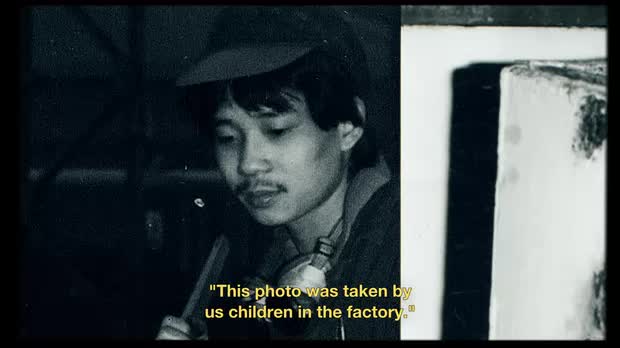
Thuận und Thúy, ehemalige vietnamesische Vertragsarbeiter*innen der DDR, betreiben seit über 20 Jahren ein Restaurant in Nordrhein-Westfalen. Nach der Arbeit verbindet sich Thuận per Livestream mit der Welt, während Thúy Familie und Geschäft zusammenhält. Ihre in Deutschland geborenen Töchter suchen nach einem eigenen Zugang zur Familiengeschichte. Alte Fotos aus Wohnheimen und Fabriken tauchen auf und zeigen, wie aus einem befristeten Aufenthalt ein Lebensmittelpunkt wurde.
- (Trailer)
- Beschreibung (en)
- (Trailer)
Title: UNCLE THUẬN
Director: Minh Anh Nguyễn
Year: 2026
Duration: 60 minutes
Genre: Documentary film
Language: German, Vietnamese
Country of Production: Germany
Trailer Length: 01.50
Thuận and Thúy, former Vietnamese contract workers in the GDR, have run a restaurant in North Rhine-Westphalia for over 20 years. After work, Thuận connects with the world through livestreaming, while Thúy holds together family and business. Their daughters, born in Germany, search for their own link to family history. Old photos from dormitories and factories surface, revealing how a temporary stay became a lifelong home shaped by work, routine, and the decision to remain.
- (Trailer)
- Kategorie
- Typ des Projekts/Werks
- Schlagworte
- Datierung
- 2026
- Sprache
- Dauer
- 01.50
- Land
- Titel
- (Trailer) ONKEL THUẬN
- Studiengang
- Importiert am
- 24.04.2026
- Übergeordnete Sets
- 1
- Set enthält
- 0 1
(Trailer) Sekret
Name that can easily go onto 2 lines
Author that can easily go onto 2 lines as well
- Titel
- (Trailer) Sekret
- Titel (en)
- (Trailer) Sekret
- Autor/in
- Beschreibung (de)
- (Trailer)
Titel: Sekret
Regie: Wiebke Mueller
Jahr: 2024
Dauer: 20.12.2024 & 21.12.2024
Genre: Performance
Sprache: Deutsch
Produktionsland: Deutschland
Trailerlänge: 03.06
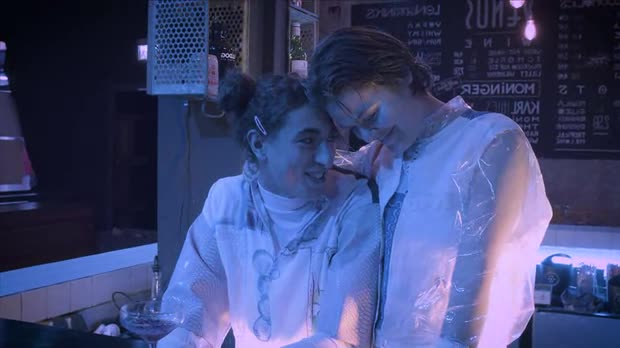
„Sekret“ ist eine Performance in einer Bar, in der ein geheimnisvolles Trio das Publikum in ein Universum der Tränen einlädt. Inspiriert von einem Nachtfalter, der sich von Tränen ernährt, wird emotionales Weinen als menschliches Phänomen erforscht. Durch Erzählungen, Musik und gemeinsame Rituale entsteht eine intime Auseinandersetzung mit Emotion, Verletzlichkeit und den gesellschaftlichen Bedeutungen von Tränen in der Gegenwart.
More information:
https://madek.hfg-karlsruhe.de/sets/mueller_sekret
- (Trailer)
- Beschreibung (en)
- (Trailer)
Title: Sekret
Director: Wiebke Mueller
Year: 2024
Duration: 20.12.2024 & 21.12.2024
Genre: Performance
Language: German
Country of Production: Germany
Trailer Length: 03.06
“Sekret” is a performative experience set in a bar, where a mysterious trio invites the audience into a universe shaped by tears. Inspired by a moth that once fed on the tears of birds, the performers explore emotional tears as a unique human phenomenon. Through storytelling, music, and shared rituals, the audience becomes part of an intimate reflection on emotion, vulnerability, and the social meanings of crying in contemporary culture.
More information:
https://madek.hfg-karlsruhe.de/sets/mueller_sekret
- (Trailer)
- Kategorie
- Typ des Projekts/Werks
- Schlagworte
- Datierung
- 2024
- Sprache
- Dauer
- 03.06
- Land
- Internetlinks
-
More information:
https://madek.hfg-karlsruhe.de/sets/mueller_sekret
-
- Titel
- (Trailer) Sekret
- Studiengang
- Importiert am
- 24.04.2026
- Übergeordnete Sets
- 1
- Set enthält
- 0 1
(Trailer) Risiko Realität
Name that can easily go onto 2 lines
Author that can easily go onto 2 lines as well
- Titel
- (Trailer) Risiko Realität
- Titel (en)
- (Trailer) Risiko Realität
- Autor/in
- Beschreibung (de)
- (Trailer)
Titel: Risiko Realität
Regie: Rebekka Scheib
Jahr: 2023
Länge: (nicht angegeben)
Genre: Kurzfilm
Sprache: Deutsch
Produktionsland: Deutschland
Trailerlänge: 02.15
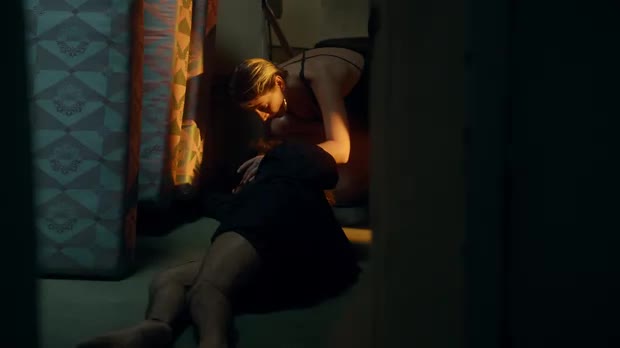
Die etwa 30-jährige Leni lebt zurückgezogen und isoliert. Um ihrer Einsamkeit zu entkommen, hackt sie sich in die Computer ihrer Nachbarn und beobachtet heimlich deren Leben. Dabei wird sie Zeugin eines eskalierenden Konflikts zwischen zwei Parteien. Gefangen zwischen Neugier, Machtgefühl und moralischen Zweifeln steht sie vor der Entscheidung, ob sie weiter zusieht oder eingreift und sich den Konsequenzen ihres Handelns stellt.
- (Trailer)
- Beschreibung (en)
- (Trailer)
Title: Risk Reality
Director: Rebekka Scheib
Year: 2023
Duration: (not specified)
Genre: Short film
Language: German
Country of Production: Germany
Trailer Length: 02.15
Leni, a woman in her thirties, lives a withdrawn and lonely life. To escape her isolation, she hacks into her neighbors’ computers and secretly observes their lives. From a distance, she witnesses an escalating conflict between two parties. Torn between curiosity, a sense of power, and moral doubt, she must decide whether to remain a passive observer or intervene, confronting the ethical consequences of her actions.
- (Trailer)
- Kategorie
- Typ des Projekts/Werks
- Schlagworte
- Datierung
- 2023
- Sprache
- Untertitel (Film)
- Dauer
- 02.15
- Land
- Titel
- (Trailer) Risiko Realität
- Studiengang
- Importiert am
- 24.04.2026
- Übergeordnete Sets
- 1
- Set enthält
- 0 1
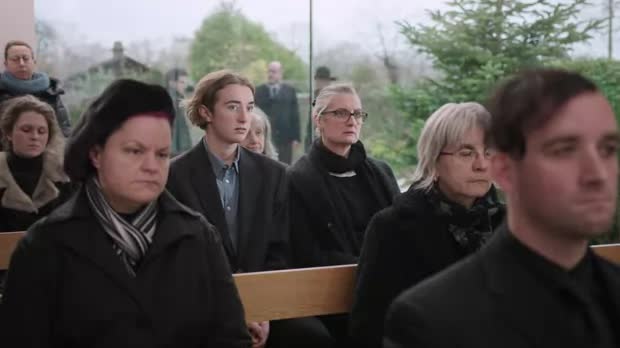
(Trailer) Zu früh schon traurig
Name that can easily go onto 2 lines
Author that can easily go onto 2 lines as well
- Titel
- (Trailer) Zu früh schon traurig
- Titel (en)
- (Trailer) Zu früh schon traurig
- Beschreibung (de)
- (Trailer)
Titel: zu früh, schon traurig
Regie: Till Gombert
Jahr: 2022
Länge: 21 Minuten
Genre: Kurzfilm
Sprache: Deutsch
Produktionsland: Deutschland
Trailerlänge: 04.02
Ein junger Erwachsener begleitet seine Mutter in deren Heimatstadt zur Beerdigung eines entfernten Verwandten. Ein Missverständnis während der Trauerfeier legt komplexe familiäre Verflechtungen offen und zeigt zugleich die Unsicherheit im Umgang mit Tod und Abschied. Der Film inszeniert mit minutiöser Genauigkeit eine missglückte Beerdigung und verzichtet dabei auf gesellschaftliche oder religiöse Wertung. Im Mittelpunkt stehen menschliche Fehlbarkeit und die stille Kraft des Gemeinsamen.
- (Trailer)
- Beschreibung (en)
- (Trailer)
Title: zu früh, schon traurig
Director: Till Gombert
Year: 2022
Duration: 21 minutes
Genre: Short film
Language: German
Country of Production: Germany
Trailer Length: 04.02
A young adult accompanies his mother back to her hometown for the funeral of a distant relative. A mix-up during the ceremony reveals complex family relations and a shared discomfort with death and passing. The film observes a failed funeral with careful precision, focusing on human fallibility while also highlighting the quiet, empathetic strength that can emerge within collective experiences of grief and togetherness.
- (Trailer)
- Kategorie
- Typ des Projekts/Werks
- Schlagworte
- Datierung
- 2022
- Sprache
- Untertitel (Film)
- Dauer
- 04.02
- Land
- Titel
- (Trailer) Zu früh schon traurig
- Studiengang
- Importiert am
- 24.04.2026
- Übergeordnete Sets
- 1
- Set enthält
- 0 1
(Trailer) Unterrotenstein
Name that can easily go onto 2 lines
Author that can easily go onto 2 lines as well
- Titel
- (Trailer) Unterrotenstein
- Titel (en)
- (Trailer) Unterrotenstein
- Autor/in
- Beschreibung (de)
- (Trailer)
Titel: Unterrotenstein
Regie: Sophia Schiller
Jahr: 2022
Länge: 25 Minuten
Genre: Kurzfilm
Sprache: Deutsch (Untertitel: Englisch)
Produktionsland: Deutschland
Trailerlänge: 01.12
Die neunjährige Moni erlebt auf dem Aussiedlerhof ihrer Familie den schmerzhaften Prozess des Erwachsenwerdens. Während eines Wochenendes trifft sich dort der Freundeskreis der Eltern, und die Kinder entwickeln eine eigene, teils brutale Gruppendynamik. Monis Anziehung zur Freundin ihrer älteren Schwester und ihre Zweifel an der Vaterschaft bilden ein emotionales Grundrauschen für ein Wochenende, das sich wie eine Ewigkeit anfühlt und den Verlust kindlicher Unschuld markiert.
- (Trailer)
- Beschreibung (en)
- (Trailer)
Title: Unterrotenstein
Director: Sophia Schiller
Year: 2022
Duration: 25 minutes
Genre: Short film
Language: German (English subtitles)
Country of Production: Germany
Trailer Length: 01.12
Nine-year-old Moni experiences the painful process of growing up during a weekend gathering at her family’s rural homestead, which becomes a meeting point for her parents’ friends. The children form an intense, sometimes harsh dynamic of their own. Moni’s attraction to her older sister’s friend and her growing doubts about her father’s identity create an emotional undercurrent in a weekend that feels stretched beyond time, marking the loss of childhood innocence.
- (Trailer)
- Kategorie
- Typ des Projekts/Werks
- Schlagworte
- Datierung
- 2022
- Sprache
- Dauer
- 01.12
- Land
- Titel
- (Trailer) Unterrotenstein
- Studiengang
- Importiert am
- 24.04.2026
- Übergeordnete Sets
- 1
- Set enthält
- 0 1
(Trailer) Birdhouse - Under Construction

Name that can easily go onto 2 lines
Author that can easily go onto 2 lines as well
- Titel
- (Trailer) Birdhouse - Under Construction
- Titel (en)
- (Trailer) Birdhouse - Under Construction
- Autor/in
- Beschreibung (de)
- (Trailer)
Titel: Birdhouse
Regie: Pauline Cemeris, Sebastian Schönfeld
Jahr: 2026
Länge: 120 Minuten
Genre: Dokumentarfilm
Sprache: Deutsch
Produktionsland: Deutschland
Trailerlänge: 04:00
„Birdhouse“ begleitet über fünf Jahre hinweg sechs junge Rapper aus Achern und Karlsruhe auf ihrem Weg ins Erwachsenenleben. Aus einem gemeinsamen Traum von Musik und Zukunft entwickelt sich eine Geschichte über wachsende Distanz, unterschiedliche Lebenswege und zerbrechende Freundschaften. Der Film zeigt, wie sich individuelle Realitäten und gesellschaftliche Herausforderungen auf Identität, Männlichkeitsbilder und künstlerische Selbstbehauptung auswirken.
- (Trailer)
- Beschreibung (en)
- (Trailer)
Title: Birdhouse
Directors: Pauline Cemeris, Sebastian Schönfeld
Year: 2026
Duration: 120 minutes
Genre: Documentary film
Language: German
Country of Production: Germany
Trailer Length: 04:00
“Birdhouse” follows six young rappers from Achern and Karlsruhe over several years as they navigate the transition from youth into adulthood. What begins as a shared artistic vision within a close-knit crew gradually shifts as personal ambitions, relationships, and life circumstances diverge. The film traces their evolving identities, friendships, and struggles, offering an intimate portrait of a generation confronting change, responsibility, and self-definition.
- (Trailer)
- Kategorie
- Typ des Projekts/Werks
- Schlagworte
- Datierung
- 2026
- Sprache
- Untertitel (Film)
- Dauer
- 04:00
- Land
- Titel
- (Trailer) Birdhouse - Under Construction
- Studiengang
- Importiert am
- 24.04.2026
- Übergeordnete Sets
- 1
- Set enthält
- 0 1
(Trailer) Ernte
Name that can easily go onto 2 lines
Author that can easily go onto 2 lines as well
- Titel
- (Trailer) Ernte
- Titel (en)
- (Trailer) Ernte
- Autor/in
- Beschreibung (de)
- (Trailer)
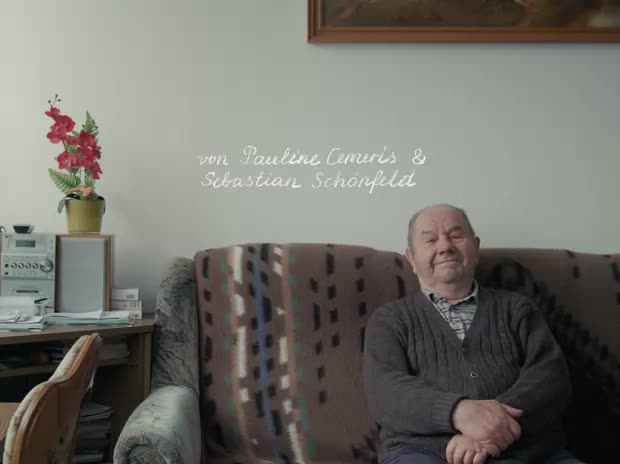
Titel: Ernte / урожай
Regie: Pauline Cemeris, Sebastian Schönfeld
Jahr: 2024
Länge: 26.09 Minuten
Genre: Dokumentarisches Porträt
Sprache: Russisch, Deutsch
Produktionsland: Deutschland
Trailerlänge: 01.03
„Ernte“ ist ein dokumentarisches Porträt von Alexander Gross, geboren 1934 in der deutschen Wolgarepublik in Russland. In Form einer Oral History erzählt er von einem Leben zwischen der sibirischen Steppe, Novosibirsk und der Ausreise nach Deutschland in den 1990er Jahren. Der Film beobachtet seinen Alltag und die Gartenarbeit mit seiner Frau. Archivmaterial zeigt familiäre Geschichte, geprägt von Hunger, politischen Umbrüchen und wiederholten Vertreibungen.
More information:
https://madek.hfg-karlsruhe.de/sets/c2afd3f4-7344-…
- (Trailer)
- Beschreibung (en)
- (Trailer)
Title: Ernte / урожай
Director: Pauline Cemeris, Sebastian Schönfeld
Year: 2024
Duration: 26.09 minutes
Genre: Documentary portrait
Language: Russian, German
Country of Production: Germany
Trailer Length: 01.03
“Harvest” is a documentary portrait of Alexander Gross, born in 1934 in the German Volga Republic in Russia. Through oral history, he reflects on a life marked by displacement—from Siberia and Novosibirsk to Germany in the 1990s. The film observes his everyday routines with his wife, focusing on their garden and self-sufficiency. Archival family material reveals experiences of hunger, political change, and forced relocation, shaping his view of life and family.
More information:
https://madek.hfg-karlsruhe.de/sets/c2afd3f4-7344-…
- (Trailer)
- Kategorie
- Typ des Projekts/Werks
- Schlagworte
- Datierung
- 2024
- Sprache
- Untertitel (Film)
- Dauer
- 01.03
- Land
- Internetlinks
- More information:
https://madek.hfg-karlsruhe.de/sets/c2afd3f4-7344-…
- More information:
- Titel
- (Trailer) Ernte
- Studiengang
- Importiert am
- 25.04.2026
- Übergeordnete Sets
- 1
- Set enthält
- 0 1
(Ausschnitt) Das Wasser ist silberhell und durchsichtig und möchte unberührt sein
Name that can easily go onto 2 lines
Author that can easily go onto 2 lines as well
- Titel
- (Ausschnitt) Das Wasser ist silberhell und durchsichtig und möchte unberührt sein
- Titel (en)
- (Excerpt) Das Wasser ist silberhell und durchsichtig und möchte unberührt sein
- Autor/in
- Beschreibung (de)
- (Ausschnitt)
Titel: Das Wasser ist silberhell und durchsichtig und möchte unberührt sein
Regie: Alexander Thelen
Jahr: 2026
Länge: 74 Minuten
Genre: Langspielfilm, Experimentalfilm
Sprache: Deutsch
Produktionsland: Deutschland
Ausschnittlänge: 02.55
Um 1900 reist die frisch promovierte Ärztin Nerea Flores in ein Dorf, um mit einer frühen Filmkamera Patientenfälle für ein medizinstudentisches Publikum zu dokumentieren. Der Film besteht ausschließlich aus dem entstehenden Rohmaterial, inklusive Kameraarbeit und Inszenierung. Ethik bleibt im Graubereich, während sich ihre Praxis zunehmend radikalisiert. Die Distanz zwischen Filmender und Gefilmten löst sich auf, bis die Patient*innen schließlich in metaphysische Räume fliehen.
More information:
https://madek.hfg-karlsruhe.de/sets/thelen_das-was…
- (Ausschnitt)
- Beschreibung (en)
- (Excerpt)
Title: Das Wasser ist silberhell und durchsichtig und möchte unberührt sein
Director: Alexander Thelen
Year: 2026
Duration: 74 minutes
Genre: Feature film, Experimental film
Language: Deutsch
Country of Production: Deutschland
Excerpt Length: 02.55
Around 1900, Nerea Flores, a newly graduated doctor, travels from the city to a rural village to document patient cases using an early film camera for medical students. The entire film is composed of the raw material produced during this process. Ethical boundaries blur as she avoids defining her methods on camera. As pressure grows, her practice becomes increasingly intrusive, causing patients to withdraw and eventually escape into metaphysical spaces shaped by nature.
More information:
https://madek.hfg-karlsruhe.de/sets/thelen_das-was…
- (Excerpt)
- Kategorie
- Typ des Projekts/Werks
- Schlagworte
- Datierung
- 2026
- Sprache
- Untertitel (Film)
- Dauer
- 02.55
- Land
- Internetlinks
- More information:
https://madek.hfg-karlsruhe.de/sets/thelen_das-was…
- More information:
- Titel
- (Ausschnitt) Das Wasser ist silberhell und durchsichtig und möchte unberührt sein
- Studiengang
- Importiert am
- 25.04.2026
- Übergeordnete Sets
- 1
- Set enthält
- 0 1
(Trailer) TO CUT A LONG STORY SHORT
Name that can easily go onto 2 lines
Author that can easily go onto 2 lines as well
- Titel
- (Trailer) TO CUT A LONG STORY SHORT
- Titel (en)
- (Trailer) TO CUT A LONG STORY SHORT
- Beschreibung (de)
- (Trailer)
Titel: TO CUT A LONG STORY SHORT
Regie: Minh Anh Nguyễn
Jahr: 2021
Länge: 71 Minuten
Genre: Tragikomödie
Sprache: Deutsch
Produktionsland: Deutschland
Trailerlänge: 01.35
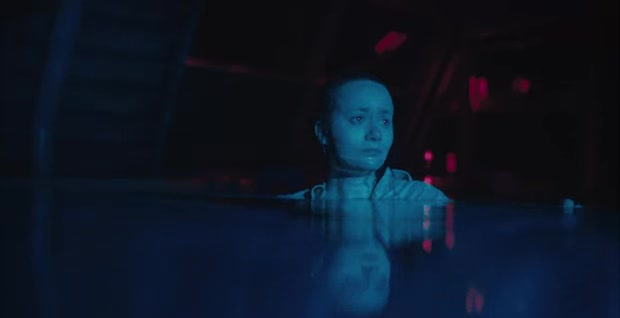
Eine surreale Tragikomödie, in der sich verschiedene Begegnungen wie lose Fragmente verschobener Geschichten entfalten. Eine zurückhaltende Brünette trifft auf einen charismatischen Macho, ein Fisch hat Angst vor dem Meer, Liebende sprechen auf der Tanzfläche wie aus einem Mund, und Fremde bringen fragile Beziehungen ins Wanken. Während ein Nachtportier heimlich tanzt und eine Kellnerin anbetet, geraten alle Figuren in immer neue, unerwartete Richtungen.
More information:
https://madek.hfg-karlsruhe.de/sets/26fdaf7d-2bae-…
- (Trailer)
- Beschreibung (en)
- (Trailer)
Title: TO CUT A LONG STORY SHORT
Director: Minh Anh Nguyễn
Year: 2021
Duration: 71 minutes
Genre: Tragicomedy
Language: German
Country of Production: Germany
Trailer Length: 01.35
A surreal tragicomedy in which a series of encounters unfold like fragments of shifting stories. A reserved brunette meets a charismatic macho, a fish fears the sea, lovers speak in unison on a dance floor, and strangers disrupt fragile connections. A night porter dances secretly in a hotel restroom while longing for a waitress he observes from afar. As different figures cross paths, reality bends and everyone is carried into unexpected directions.
More information:
https://madek.hfg-karlsruhe.de/sets/26fdaf7d-2bae-…
- (Trailer)
- Kategorie
- Typ des Projekts/Werks
- Schlagworte
- Datierung
- 2021
- Sprache
- Untertitel (Film)
- Dauer
- 01.35
- Land
- Internetlinks
- More information:
https://madek.hfg-karlsruhe.de/sets/26fdaf7d-2bae-…
- More information:
- Titel
- (Trailer) TO CUT A LONG STORY SHORT
- Importiert am
- 25.04.2026
- Übergeordnete Sets
- 1
- Set enthält
- 0 1
(Trailer) SO MUCH WATER, SO CLOSE TO HOME
Name that can easily go onto 2 lines
Author that can easily go onto 2 lines as well
- Titel
- (Trailer) SO MUCH WATER, SO CLOSE TO HOME
- Titel (en)
- (Trailer) SO MUCH WATER, SO CLOSE TO HOME
- Autor/in
- Beschreibung (de)
- (Trailer)
Titel: SO MUCH WATER, SO CLOSE TO HOME
Regie: Minh Anh Nguyễn
Jahr: 2026
Länge: 45 Minuten
Genre: Essayfilm
Sprache: Deutsch, Vietnamesisch
Produktionsland: Deutschland
Trailerlänge: 02.15
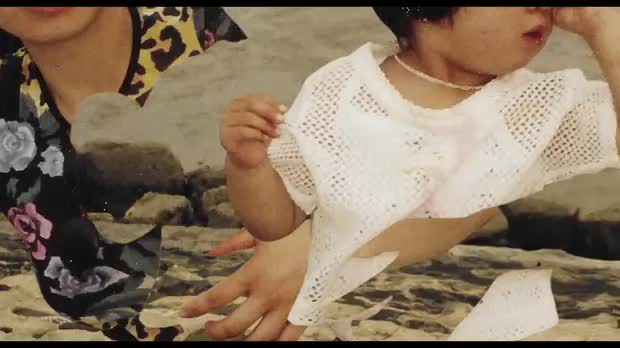
In diesem Essayfilm setzt sich Minh Anh Nguyễn mit ihrem in der Kindheit erlebten sexuellen Missbrauch auseinander. Durch intime Reflexionen, Gespräche mit ihrer Mutter sowie eine Verbindung aus Fiktion, Archivmaterial und Dokumentation versucht sie, dem Unsagbaren eine Sprache zu geben. Der Film wird zu einer fragilen Suche nach Ausdruck, Identität und Verarbeitung und zeigt, wie filmische Praxis helfen kann, sich dem Trauma der Vergangenheit zu stellen und das Selbst zurückzugewinnen.
More information:
https://madek.hfg-karlsruhe.de/sets/nguyen_so-much…
- (Trailer)
- Beschreibung (en)
- (Trailer)
Title: SO MUCH WATER, SO CLOSE TO HOME
Director: Minh Anh Nguyễn
Year: 2026
Duration: 45 minutes
Genre: Essay film
Language: German, Vietnamese
Country of Production: Germany
Trailer Length: 02.15
In this essay film, the filmmaker Minh Anh Nguyễn confronts her childhood experience of sexual abuse. Through intimate reflection, conversations with her mother, and a blend of fiction, archive, and documentary material, she attempts to give form to what has long remained unspoken. The film becomes a fragile search for language, identity, and healing, exploring how cinematic practice can help reclaim a sense of self while facing the trauma of the past.
More information:
https://madek.hfg-karlsruhe.de/sets/nguyen_so-much…
- (Trailer)
- Kategorie
- Typ des Projekts/Werks
- Schlagworte
- Datierung
- 2026
- Sprache
- Untertitel (Film)
- Dauer
- 02.15
- Land
- Titel
- (Trailer) SO MUCH WATER, SO CLOSE TO HOME
- Importiert am
- 25.04.2026
- Übergeordnete Sets
- 1
- Set enthält
- 0 1