Umpolen Kollektiv
Benachbarte Sets (14)Alle Zusammenhänge anzeigen
Diese Sets wurden den gleichen Sets hinzugefügt wie das ausgewählte Set.
14 Inhalte
- Seite 1 von 2
The Violent Container
Name that can easily go onto 2 lines
Author that can easily go onto 2 lines as well
- Titel
- The Violent Container
- Titel (en)
- The Violent Container
- Untertitel
- Exhibition and handbook
- Untertitel des Projekts/Werks (en)
- Exhibition and handbook
- Autor/in
- Beschreibung (de)
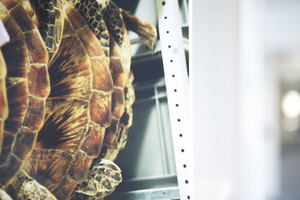
- „The Violent Container“ konzentriert sich auf das kulturelle Phänomen des Käfigs und das Einsperren als Praxis, um Objekte oder Körper einzuschließen, zu kategorisieren, einzuschränken und sich anzueignen – sowie als Mittel, um sie zu sammeln, zu schätzen, zu bewahren und zu schützen.
Das Projekt umfasst eine Ausstellung und eine Publikation, die die verschiedenen Eigenschaften und Funktionen der sich wandelnden Formen des Käfigs untersuchen und dabei erforschen, wie Käfige nicht nur die Verwaltung lebender oder toter Körper und Objekte ermöglichen, sondern auch die Art und Weise bestimmen, wie wir sie wahrnehmen.
- „The Violent Container“ konzentriert sich auf das kulturelle Phänomen des Käfigs und das Einsperren als Praxis, um Objekte oder Körper einzuschließen, zu kategorisieren, einzuschränken und sich anzueignen – sowie als Mittel, um sie zu sammeln, zu schätzen, zu bewahren und zu schützen.
- Beschreibung (en)
- "The Violent Container" focuses on the cultural phenomenon of the cage, and caging as a practice to contain, categorise, restrict, and appropriate objects or bodies – as well as a tool to collect, treasure, preserve, and protect them.
The project comprises an exhibition and a publication that examine the various properties and functions of the cage’s shifting forms, exploring how cages not only enable the administration of living or dead bodies and objects, but also govern the ways in which we perceive them.
- "The Violent Container" focuses on the cultural phenomenon of the cage, and caging as a practice to contain, categorise, restrict, and appropriate objects or bodies – as well as a tool to collect, treasure, preserve, and protect them.
- Kategorie
- Typ des Projekts/Werks
- Schlagworte
- Mitwirkende
- Ort
- Rheinstetten, Karlsruhe
- Titel
- The Violent Container
- Untertitel
- Exhibition and handbook
- Projektleiter/in
- Semester
- Studiengang
- Typ der Abschlussarbeit
- Importiert am
- 21.09.2025
- Übergeordnete Sets
- 4
- Set enthält
- 0 14
Writing the History Of the Future
Name that can easily go onto 2 lines
Author that can easily go onto 2 lines as well
- Titel
- Writing the History Of the Future
- Titel (en)
- Writing the History Of the Future
- Untertitel
- Das ZKM und die kulturelle Arbeit der Medienkunstkonservierung
- Untertitel des Projekts/Werks (en)
- ZKM and the Cultural Work of Media Art Conservation
- Autor/in
- Beschreibung (de)
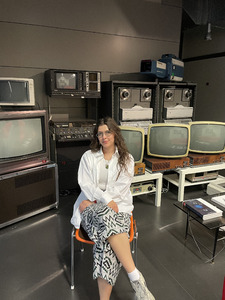
- Obwohl die Medienkunst in der zeitgenössischen Kultur zunehmend an Bedeutung gewinnt, ist sie in institutionellen Sammlungen immer noch unterrepräsentiert. Die schnelle technologische Entwicklung von Hard- und Software sowie geplante Obsoleszenz stellen die Konservierung vor große Herausforderungen. Seit den 1960er Jahren hat sich die westliche Kunst von objektbasierten hin zu performativen und prozessorientierten Formen gewandelt. Dies wurde von einem Paradigmenwechsel in der Konservierungstheorie begleitet, in der Konzepte und Subjekt stärker gewichtet werden als Materialität und Objekt. Museen und der Kunstmarkt haben jedoch Schwierigkeiten, ihre Sammelpraktiken entsprechend anzupassen. In dieser Arbeit werden die Herausforderungen der Integration von Medienkunst in institutionelle Kontexte untersucht und der Bedarf an theoretischen und praktischen Anpassungen betont. Ziel ist es, Strategien zur nachhaltigen Einbindung technologisch vermittelter Kunstwerke in Sammlungen und das kulturelle Gedächtnis zu entwickeln. Im Fokus steht dabei das ZKM in Karlsruhe als führende Institution der Medienkunstkonservierung. Auf Basis interdisziplinärer Forschung und Interviews werden zentrale Themen wie Interaktivität, Variabilität, Authentizität, Zeitlichkeit und der Wandel des Kunstobjekts analysiert.
- Beschreibung (en)
- Media art, despite its growing prominence in contemporary culture, remains underrepresented in institutional collections. Rapid technological obsolescence—affecting both hardware and software—poses major challenges for preservation. Since the 1960s, Western art has shifted from object-based works toward performative and process-oriented practices, paralleled by changes in conservation theory that prioritize concepts and subject over object and materiality. However, museums and the art market have struggled to adapt their collecting practices to these developments. This thesis examines the challenges of integrating media art into institutional contexts, emphasizing the need for conceptual and theoretical shifts in both museum practices and art theory. It aims to describe the strategies for incorporating technologically mediated artworks into collections and cultural memory. The study focuses on the ZKM (Center for Art and Media) in Karlsruhe, a leading institution in media art preservation. Through analysis of its frameworks and interdisciplinary research including interviews, the thesis explores key themes like interactivity, variability, authenticity, temporality, and the evolving nature of the art object.
- Kategorie
- Schlagworte
- Dank an
- Sprache
- Abmessungen
- 272 Seiten (169 Textseiten)
- Titel
- Writing the History Of the Future
- Untertitel
- Das ZKM und die kulturelle Arbeit der Medienkunstkonservierung
- Projektleiter/in
- Semester
- Studiengang
- Typ der Abschlussarbeit
- Importiert am
- 25.03.2026
- Übergeordnete Sets
- 4
- Set enthält
- 0 5