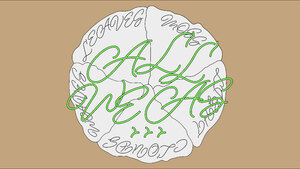
| Titel | - Graduiertenausstellung 2022: All we as
|
| Beschreibung | - "HfG GRADUATES 21/22 - All we as"
02.-19.06.22
|
| Beschreibung (en) | - "HfG GRADUATES 21/22 - All we as"
02.-19.06.22
|
| Ausführliche Beschreibung | - Vernissage am 02.06. um 18 Uhr
In der Ausstellung „HfG GRADUATES 21/22 – All we as“ präsentiert die HfG Karlsruhe Abschlussarbeiten der Jahre 2021 und 2022
Vernissage: Donnerstag, 2. Juni 2022, 18 Uhr, im Lichthof der HfG Karlsruhe
Vom 02. bis 19. Juni 2022 werden in den Lichthöfen der HfG unter dem Titel „HFG GRADUATES 21/22 – All we as“ Diplome, Magister- und Promotionsarbeiten, darunter Filme, Installationen, Performances, Dokumaterial und Rekonstruktionen ausgestellt. Sie sind Qualifikationsarbeiten zur Erlangung eines akademischen Grades – doch für was stehen diese Arbeiten noch? Als Ergebnisse meist umfangreicher Kollaborationsprozesse sind sie Zeugen des gemeinsamen Spielens und Ausprobierens. HfG Graduates fokussiert diese Verbindungen und Überschneidungen, auf der Suche nach dem, was wir nur gemeinsam denken, umsetzen und ausstellen können.
Als temporäre Allianzen eröffnen unterschiedliche Formen des Zusammenschlusses Räume für gegenseitiges Lernen, Unterstützung und Kritik. Diese Variationen finden Ausdruck im Titel All we as. All we as leaves ist eine Zeile aus “Plainwater” (1995) der Lyrikerin Anne Carson. Wir erweitern sie zu All we as light, All we as clouds, All we as moss, All we as waves, machen sie zu den Titeln für die thematischen Felder der Ausstellung:
Vom zyklischen Verlauf des Sonnenlichts, das Kommen und Gehen von Liebe, über idiosynkratische Praktiken des Archivierens, hin zu Orten und Situationen, die nur noch in der Erinnerung bestehen und einer Rekonstruktion bedürfen – der Themencluster All we as leaves beschäftigt sich mit Verlust, Nostalgie und die Melancholie des wieder auflebenden Vergangenen.
Mit bestehenden und zu entwerfenden sozialen Räumen und damit auch Gemeinschaften setzen sich Abschlussarbeiten aus dem Cluster All we as waves auseinander: Utopische Designs, die auf architektonischer Ebene eine neue Antwort auf die Frage “Wer ist der Mensch?” formulieren: Das Ringen um Orte der Versammlung, die Sichtbarkeit von Frauen im Stadtbild Karlsruhes oder die Hyper(un)sichtbarkeit normierter Körper werden hier verhandelt.
Daran lässt sich gut All we as moss anschließen. Diese Gruppe beschäftigt sich mit dringenden ökologischen Fragen, die Auswirkungen auf unser menschliches Selbstverständnis haben (müssen). In diesem Sinne laden die Arbeiten auf unterschiedliche Weise dazu ein, ein neues Verhältnis zu den uns umgebenden menschlichen und nicht-menschlichen Entitäten zu entwickeln und uns von ihnen überraschen und affizieren zu lassen. Transformative Prozesse aus einer technologischen Perspektive zu untersuchen eint die Werke in All we as clouds. Medien wie TikTok, YouTube oder die Kassette werden nicht nur bezüglich ihrer Rollen in unterschiedlichen Konflikten beobachtet, sondern auch in ihrer Funktion, Bild und Sprache vom Körper abzulösen. Letzteres wird auch zum Gegenstand performativen Experimentierens - was passiert mit Kommunikation, wenn wir versuchen, Nähe auf Distanz zu halten? Künstliche Intelligenzen lernen, reproduzieren und manipulieren Bildsprachen und Wahrnehmung. Was heißt dann Kreativität und wie wird sich Arbeit daran anpassen?
Das vierte Cluster All we as light stellt Fragen nach dem Zeigen der Dinge: Wie und in welchen Kontexten wird etwas gezeigt? Wer entscheidet über das, was gezeigt wird? Und wie wirkt sich das auf die Wahrnehmung aus? Zeigen kann witzig sein, Wahrnehmungsbedingungen verändern und Geschichten erzählen. Zeigen ist aber auch, und das wird ebenso deutlich, nie neutral und wird häufig zum ideologischen Instrument gemacht.
Auch das Begleitprogramm der Ausstellung ist in enger Zusammenarbeit mit Alumni entstanden und umfasst Führungen mit dem Kurator:innenteam, Workshops u.a. mit Severin Geißler und Mäks Rößmöller, Special Screenings der Filmdiplome mit Die Texte und Bilder können kostenfrei im Zusammenhang mit dieser Pressemitteilung verwendet werden. anschließenden Gesprächen, Performances u.a. von Mustafa Büyükcoskun, Lukas Fütterer und Zhou Pei, Lesekreise von Carmen Westermaier, eine Lesung von Carina Obrecht, sowie Panel Discussions mit unseren Gästen, wie z.B. dem Computergrafiker Vincent Schüßler.
|
| Ausführliche Beschreibung (en) | - Vernissage on 02.06. at 6 pm
From June 2 to 19, 2022, diplomas, master's and doctoral theses, including films, installations, performances, documentary material and reconstructions, will be exhibited in the atriums of the HfG under the title "HFG GRADUATES 21/22 - All we as". They are qualification works for obtaining an academic degree - but what else do these works stand for? As the results of mostly extensive collaborative processes, they are witnesses to shared play and trial and error. HfG Graduates focuses on these connections and intersections, in search of what we can only think, realize, and exhibit together.
As temporary alliances, different forms of association open up spaces for mutual learning, support, and critique. These variations find expression in the title All we as. All we as leaves is a line from "Plainwater" (1995) by poet Anne Carson. We expand it to All we as light, All we as clouds, All we as moss, All we as waves, making them the titles for the thematic fields of the exhibition:
From the cyclical course of sunlight, the coming and going of love, to idiosyncratic practices of archiving, to places and situations that exist only in memory and require reconstruction - the thematic cluster All we as leaves deals with loss, nostalgia, and the melancholy of the resurgent past.
Final projects from the cluster All we as waves deal with existing and to-be-designed social spaces and thus communities: utopian designs that formulate a new answer to the question "Who is man?" on an architectural level: The struggle for places of assembly, the visibility of women in Karlsruhe's cityscape, or the hyper(in)visibility of normed bodies are negotiated here.
All we as moss can easily be connected to this. This group deals with urgent ecological questions that (must) have an impact on our human self-understanding. In this sense, the works invite us in different ways to develop a new relationship to the human and non-human entities surrounding us and to let them surprise and affect us.
Exploring transformative processes from a technological perspective unites the works in All we as clouds. Media such as TikTok, YouTube, or the cassette are not only observed in terms of their roles in various conflicts, but also in their function of detaching image and language from the body. The latter also becomes the subject of performative experimentation - what happens to communication when we try to keep proximity at a distance? Artificial intelligences learn, reproduce and manipulate visual languages and perception. What does creativity mean then, and how will work adapt to it?
The fourth cluster, All we as light, asks questions about showing things: How and in what contexts is something shown? Who decides what is shown? And how does this affect perception? Showing can be funny, change conditions of perception and tell stories. But showing is also, and this becomes equally clear, never neutral and is often turned into an ideological instrument.
The program accompanying the exhibition was also developed in close collaboration with alumni and includes guided tours with the curatorial team, workshops with Severin Geißler and Mäks Rößmöller, among others, special screenings of the film diplomas with subsequent discussions, performances by Mustafa Büy. by Mustafa Büyükcoskun, Lukas Fütterer and Zhou Pei, reading circles by Carmen Westermaier, a reading by Carina Obrecht, and panel discussions with our guests, such as the computer graphic artist Vincent Schüßler.
|