'all the good girls go to hell' – Zur Widerständigkeit in der Figur der Hexe
Benachbarte Sets (20)Alle Zusammenhänge anzeigen
Diese Sets wurden den gleichen Sets hinzugefügt wie das ausgewählte Set.
20 Inhalte
- Seite 1 von 2
Eine Neue Umwelt
Name that can easily go onto 2 lines
Author that can easily go onto 2 lines as well
- Titel
- Eine Neue Umwelt
- Titel (en)
- A New Environment
- Untertitel
- Heinrich Klotz über Architektur und Neue Medien
- Untertitel des Projekts/Werks (en)
- Heinrich Klotz on Architecture and New Media
- Autor/in
- Beschreibung (de)
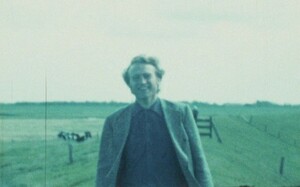
- Eine filmische Montage des Archivs von Kunsthistoriker Heinrich Klotz lässt Zusammenhänge erkennen zwischen Postmoderne, digitalen Medien und der Hoffnung auf eine neue Kunst.
Die alte Umwelt ist nicht mehr vorhanden, es klaffen Lücken, ganze Städte sind dem Boden gleich gemacht worden. Kann man eine lebenswerte Stadt wiederherstellen, ohne die Aggressionen des Krieges zu verdecken? Oder sind die Ruinen eine einmalige Chance, die Innenstädte von Grund auf neu zu gestalten? Ausgehend vom Wiederaufbau der deutschen Altstädte nach dem Zweiten Weltkrieg beschäftigte den Kunsthistoriker Heinrich Klotz die Rückgewinnung eines sinnlichen Erlebens in Architektur und Kunst. So sagte er den radikalen Forderungen einer alles erneuernden funktionalen Architektur den Kampf an, da sie nur noch gesichtslose Container baute. Die postmoderne Architektur verteidigte er wiederum gegen den Vorwurf des Kitsches. Und Computerspiele und virtuelle Realitäten erhob er zu Kunstwerken. 1984 gründete er das Deutsche Architekturmuseum in Frankfurt und 1989 das Zentrum für Kunst und Medien in Karlsruhe.
- Eine filmische Montage des Archivs von Kunsthistoriker Heinrich Klotz lässt Zusammenhänge erkennen zwischen Postmoderne, digitalen Medien und der Hoffnung auf eine neue Kunst.
- Beschreibung (en)
- A cinematic montage of the archive of art historian Heinrich Klotz reveals connections between postmodernism, digital media, and the hope for a new art.
The old environment is no longer there—gaps remain, entire cities have been leveled. Can a livable city be restored without covering up the aggressions of war? Or are the ruins a unique opportunity to redesign city centers from the ground up? Beginning with the post-World War II reconstruction of German historic towns, art historian Heinrich Klotz focused on reclaiming a sensual experience in architecture and art. He opposed the radical demands of an all-renewing functionalist architecture, which, in his view, only produced faceless containers. At the same time, he defended postmodern architecture against accusations of kitsch. He even elevated video games and virtual realities to the status of artworks. In 1984, he founded the German Architecture Museum in Frankfurt, followed by the Center for Art and Media in Karlsruhe in 1989.
- A cinematic montage of the archive of art historian Heinrich Klotz reveals connections between postmodernism, digital media, and the hope for a new art.
- Kategorie
- Typ des Projekts/Werks
- Schlagworte
- Datierung
- 2019
- Mitwirkende
- Sprache
- Untertitel (Film)
- Material
- Technik/Verfahren/Formate
- DCP, 2K, 3.0 in 5.1
- Abmessungen
- 4:3
- Dauer
- 01:19:05
- Land
- Beteiligte Institution(en)
- Bemerkungen
- Gefördert durch die Riemschneider Stiftung, die Gesellschaft zur Förderung der Kunst und Medientechnologie e.V. und das Zeitbild-Lab der HfG Karlsruhe.
Unterstützt durch den Südwestrundfunk, den Hessischen Rundfunk, dem Zentrum für Kunst und Medien Karlsruhe, Andec Filmtechnik und DCM - Digital Cinema Mastering.
Eine Studiolo Film Produktion
- Gefördert durch die Riemschneider Stiftung, die Gesellschaft zur Förderung der Kunst und Medientechnologie e.V. und das Zeitbild-Lab der HfG Karlsruhe.
- Titel
- Eine Neue Umwelt
- Untertitel
- Heinrich Klotz über Architektur und Neue Medien
- Projektleiter/in
- Semester
- Studiengang
- Typ der Abschlussarbeit
- Importiert am
- 03.03.2025
- Übergeordnete Sets
- 2
- Set enthält
- 0 7
Manchmal ist Schmerz ganz leise
Name that can easily go onto 2 lines
Author that can easily go onto 2 lines as well
- Titel
- Manchmal ist Schmerz ganz leise
- Titel (en)
- Sometimes pain is very quiet
- Autor/in
- Beschreibung (de)
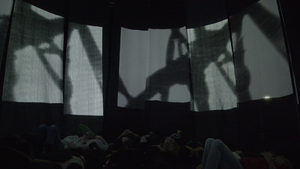
- „Manchmal ist Schmerz ganz leise“ ist eine immersive, autobiographische Hörstück-Installation, die den stillen und oft unsichtbaren Kampf mit einer schweren, namenlosen Krankheit in den Mittelpunkt stellt. Das Werk hinterfragt, was es bedeutet, in einer leistungsorientierten Gesellschaft plötzlich nicht mehr zu "funktionieren". Es geht den Ängsten, der Scham und dem tief empfundenen Gefühl des Versagens nach, das oft mit chronischer Krankheit einhergeht – Gefühle, die Betroffene selten teilen. Das Hörspiel verleiht einer Stimme Ausdruck, die für viele spricht und Einblicke in eine Realität gibt, die oft im Verborgenen bleibt.
- Beschreibung (en)
- ‘Sometimes pain is very quiet’ is an immersive, autobiographical audio play installation that focuses on the silent and often invisible battle with a serious, nameless illness. The work questions what it means to suddenly no longer ‘function’ in a performance-orientated society. It explores the fears, the shame and the deeply felt sense of failure that often accompanies chronic illness – feelings that are rarely shared by those affected. The radio play gives expression to a voice that speaks for many and provides insights into a reality that often remains hidden.
- Kategorie
- Typ des Projekts/Werks
- Schlagworte
- Datierung
- 30.10.2024
- Mitwirkende
- Dank an
- Finn Baygan
- Daniel Berwanger
- Pauline Cemeris
- Filipa Cesar
- Mark Patrick Damian
- Charlotte Eifler
- Flora Güldenpfennig
- Tobias Keilbach
- Eisenhart Keimeyer
- Alexander Knoppik
- Yael Kolb
- Isabelle Konrad
- Julian Kuf
- Barbara Kuon
- Josephine Leicht
- Laura Morcillo
- Ilja Morgenstern
- Sebastian Schäfer
- Sebastian Schönfeld
- Lorenz Schwarz
- Quirin Thalhammer
- Alexander Thelen
- Riemschneider Stiftung
- Zeitbild Lab
- Sprache
- Material
- Technik/Verfahren/Formate
- 4-Kanal-Audio/360° Projection Mapping
- Abmessungen
- Länge: 8m, Breite: 8m, Höhe: 6,50m
- Dauer
- 30min
- Ort: Institution
- Ort
- Großes Studio
- Stadt
- Land
- Titel
- Manchmal ist Schmerz ganz leise
- Projektleiter/in
- Semester
- Studiengang
- Typ der Abschlussarbeit
- Importiert am
- 17.04.2025
- Übergeordnete Sets
- 1
- Set enthält
- 1 5
Das Wasser ist silberhell und durchsichtig und möchte unberührt sein
Name that can easily go onto 2 lines
Author that can easily go onto 2 lines as well
- Titel
- Das Wasser ist silberhell und durchsichtig und möchte unberührt sein
- Titel (en)
- The Water is Silver-Bright and Transparent and Wishes to Remain Untouched
- Autor/in
- Beschreibung (de)
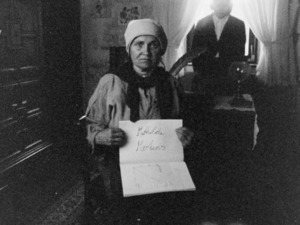
- Eine ländliche Region, ca. 1900. Die Landärztin Nerea Flores reist aus der Stadt in ein Dorf, um mit einer frühen Form einer Filmkamera Patientenfälle für ein medizinstudentisches Publikum zu dokumentieren. Der komplette Film erzählt sich ausschließlich aus dem Rohmaterial, das dabei entsteht – mitsamt Kameraein- und -ausschalten, Positionieren der Akteur*innen, Signalgebung etc.
Sie richtet eine improvisierte Praxis in einem leerstehenden Bauernhaus ein und probiert verschiedene, von schwer überwindbarer Distanz geprägte Therapiemethoden an den Personen aus – stets unter Anwesenheit der Kamera. Die Aufnahmepraxis irritiert die Patient*innen. Ein zur Kontrolle herbeigerufener Arztkollege bemängelt die Aufnahmen und befeuert eine radikalere Praxis beim Filmen, bei der ethische Fragen noch weiter in den Hintergrund treten sollen. Nerea fühlt sich in die Ecke gedrängt und innerlich zerrissen.
Schritt für Schritt löst sich unter Druck die Distanz zwischen Filmender und Gefilmtem auf. Flores bringt die Kamera schließlich auch mit in die Häuser der zu Behandelnden. Mit der Zeit empfinden die Patientinnen ihr Eingreifen als unangenehm und zu eindringlich und fliehen – um den Aufnahmeprozessen zu entgehen – ins Metaphysische. Nerea begegnet den zu Behandelnden nun in der Gestalt eines Waldstücks oder auch eines Baches. Da somit keine klassischen Therapieaufnahmen mehr möglich sind, wird das Projekt vorzeitig beendet.
- Eine ländliche Region, ca. 1900. Die Landärztin Nerea Flores reist aus der Stadt in ein Dorf, um mit einer frühen Form einer Filmkamera Patientenfälle für ein medizinstudentisches Publikum zu dokumentieren. Der komplette Film erzählt sich ausschließlich aus dem Rohmaterial, das dabei entsteht – mitsamt Kameraein- und -ausschalten, Positionieren der Akteur*innen, Signalgebung etc.
- Beschreibung (en)
- A rural region, around 1900. Country doctor Nerea Flores travels from the city to a village to document patient cases for a medical student audience using an early form of a film camera. The entire film is told exclusively through the raw material produced in the process – including switching the camera on and off, positioning the actors, giving cues, etc.
She sets up an improvised practice in an abandoned farmhouse and tries out various therapy methods shaped by a difficult-to-overcome emotional distance – always in the presence of the camera. The filming practice unsettles the patients. A doctor colleague, sent in for supervision, criticizes the recordings and pushes for a more radical filming approach in which ethical concerns are further sidelined. Nerea feels cornered and conflicted.
Step by step, under pressure, the distance between the filmer and the filmed dissolves. Flores eventually brings the camera into the homes of her patients. Over time, the patients perceive her interventions as too intrusive and uncomfortable and flee – in order to escape the filming process – into the metaphysical. Nerea now encounters those to be treated in the form of a patch of forest or even a stream. As a result, no further traditional therapy recordings can be made, and the project is prematurely ended.
- A rural region, around 1900. Country doctor Nerea Flores travels from the city to a village to document patient cases for a medical student audience using an early form of a film camera. The entire film is told exclusively through the raw material produced in the process – including switching the camera on and off, positioning the actors, giving cues, etc.
- Kategorie
- Typ des Projekts/Werks
- Schlagworte
- Datierung
- 2026
- Mitwirkende
- Dank an
- Sprache
- Untertitel (Film)
- Material
- Technik/Verfahren/Formate
- 4:3
- Dauer
- 72:29 min
- Land
- Titel
- Das Wasser ist silberhell und durchsichtig und möchte unberührt sein
- Projektleiter/in
- Semester
- Studiengang
- Typ der Abschlussarbeit
- Importiert am
- 30.05.2025
- Übergeordnete Sets
- 2
- Set enthält
- 0 10
sampling for relations in the light of a satellite
Name that can easily go onto 2 lines
Author that can easily go onto 2 lines as well
- Titel
- sampling for relations in the light of a satellite
- Titel (en)
- sampling for relations in the light of a satellite
- Autor/in
- Beschreibung (de)
- In dem Format einer sampling session wird eine akustische Struktur erprobt, die das Reisen zum Mond beschwört und sich mit Raumwahrnehmungen, Imagination und kollektiven Vorstellungen auseinandersetzt. Anders als in dieser Performance ist für das menschliche Ohr eine wesentliche Präsenz im Weltraum das Geräuschlose.
- Beschreibung (en)
- In the format of a sampling session, an acoustic structure is tested that conjures a journey to the Moon, engaging with perceptions of space, imagination and collective ideas.
- Kategorie
- Typ des Projekts/Werks
- Schlagworte
- Datierung
- 04.02.2025
- Mitwirkende
- Dank an
- Anja Casser
- Filipa Cesar
- Jaya Demmer
- Hubert Distel
- Till Engelhardt
- Yvonne Fomferra
- Hanna Franke
- Heidi Herzig
- Tobias Keilbach
- Eisenhart Keimeyer
- Susanne Kriemann
- Rebekka Ladewig
- Isabel Motz
- Leonie Mühlen
- Elisabeth Potemkin
- Josefine Scheu
- Lorenz Schwarz
- Leia Morgana Walz
- Niklas Weisenbach
- Maximilian Zschiesche
- Badischer Kunstverein
- Sprache
- Material
- Ort: Institution
- Stadt
- Land
- Beteiligte Institution(en)
- Titel
- sampling for relations in the light of a satellite
- Projektleiter/in
- Semester
- Studiengang
- Typ der Abschlussarbeit
- Importiert am
- 01.10.2025
- Übergeordnete Sets
- 0
- Set enthält
- 0 5
Abschlussarbeit
Name that can easily go onto 2 lines
Author that can easily go onto 2 lines as well
- Titel
- Abschlussarbeit
- Titel (en)
- Luv What You Luv
- Untertitel
- Otaku and Community
- Autor/in
- Beschreibung (de)
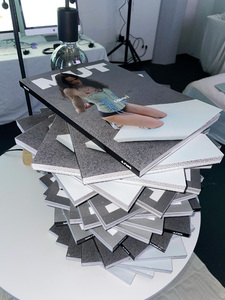
- Der Begriff Otaku bezeichnet eine Person, die eine tiefe, spezialisierte und anhaltende Begeisterung für ein bestimmtes Thema besitzt, die sich häufig durch umfangreiches Wissen, emotionale Bindung und aktive Beschäftigung damit auszeichnet.
In der heutigen Gesellschaft wird es zunehmend schwieriger, unsere reine Begeisterung mit anderen zu teilen. Menschen neigen dazu, soziale Gruppen auf der Grundlage kultureller Geschmäcker zu bilden, und dieses Phänomen hat sich im Zeitalter von Web 2.0 durch Mechanismen wie Filterblasen weiter verstärkt.
Durch das Projekt „Luv What You Luv“ möchte ich zeigen, was ich liebe, und gleichzeitig hören, was andere lieben. Das Projekt besteht hauptsächlich aus einem Magazin, das zwei Ausgaben in einem Band vereint. Die erste Ausgabe, [Girls], zeigt, was ich persönlich liebe. Die zweite Ausgabe, [Otaku], untersucht die Otaku-Fankultur genauer und enthält drei Interviews sowie sechs Gastbeiträge, die hervorheben, wofür andere Menschen eine besondere Leidenschaft haben.
Darüber hinaus umfasst das Projekt einen Fragebogen, der untersucht, was Leser:innen und Besucher:innen der Ausstellung lieben, sowie ein Otaku Presentation Video, in dem Teilnehmende ihre eigenen Leidenschaften und Interessen vorstellen.
Durch dieses Magazin und die dazugehörigen Inhalte hoffe ich, dass Menschen die Freude daran erleben können, das zu teilen, was sie lieben, und durch diese gemeinsamen Ausdrucksformen von Begeisterung lose soziale Verbindungen entstehen.
- Der Begriff Otaku bezeichnet eine Person, die eine tiefe, spezialisierte und anhaltende Begeisterung für ein bestimmtes Thema besitzt, die sich häufig durch umfangreiches Wissen, emotionale Bindung und aktive Beschäftigung damit auszeichnet.
- Beschreibung (en)
- The term otaku refers to a person who has deep, specialized, and sustained enthusiasm for a particular subject, often characterized by extensive knowledge, emotional attachment, and active engagement.
In contemporary society, it is becoming increasingly difficult to share our pure enthusiasm with others. People tend to form social groups based on cultural taste, and this phenomenon has intensified in the Web 2.0 era through mechanisms such as filter bubbles.
Through the “Luv What You Luv” project, I aim to present what I love while also listening to what others love. The project mainly consists of a magazine composed of two issues in a single book. The first issue, [Girls], presents what I personally love. The second issue, [Otaku], explores otaku fandom culture in depth, featuring three interviews and six contributed essays that highlight what others are passionately devoted to.
In addition, the project includes a questionnaire that explores what readers and exhibition visitors love, as well as an Otaku Presentation Video, in which participants present their own passions and interests.
Through this magazine and its accompanying contents, I hope that people can experience the joy of sharing what they love and form weak social bonds through these shared expressions of enthusiasm.
- The term otaku refers to a person who has deep, specialized, and sustained enthusiasm for a particular subject, often characterized by extensive knowledge, emotional attachment, and active engagement.
- Kategorie
- Typ des Projekts/Werks
- Schlagworte
- Datierung
- 11.02.2026
- Mitwirkende
- Dank an
- Sprache
- Untertitel (Film)
- Material
- Abmessungen
- 210*297 mm
- Dauer
- 40:49
- Ort: Institution
- Ort
- Seminar room 202
- Stadt
- Land
- Bemerkungen
- KD(Kommunikationsdesign) Diplomarbeit, 9th Semester, with guide of Tereza Ruller and Paul Bailey
- Titel
- Abschlussarbeit
- Untertitel
- Otaku and Community
- Projektleiter/in
- Semester
- Studiengang
- Typ der Abschlussarbeit
- Importiert am
- 05.03.2026
- Übergeordnete Sets
- 0
- Set enthält
- 0 18
Now or Nowhere
- Titel
- Now or Nowhere
- Autor/in
- Beschreibung (de)
- Now or Nowhere ist ein Projekt, das die Frage stellt, ob Technologie aus einer Notwendigkeit heraus entsteht – oder ob ihre Notwendigkeit erst erkannt wird, nachdem sie bereits erschienen ist. Neue Geräte versprechen stets Effizienz, Verbesserung und nahtlose Konnektivität und behaupten, unser Leben leichter zu machen. Automatisierung lindert Müdigkeit, Konnektivität beseitigt Trennung, und Updates gleichen Unvollkommenheit aus. Doch was genau machen wir in diesem Prozess eigentlich bequemer – und was geben wir dabei stillschweigend aus der Hand?
Das Projekt schlägt drei virtuelle Geräte vor, die repetitive und scheinbar unbedeutende körperliche Handlungen stellvertretend für den Nutzer ausführen. AutoPresence ist ein Gerät, das aufgezeichnete Mausbewegungen wiedergibt und selbst in Abwesenheit des Nutzers kontinuierlich Spuren von Arbeit produziert. Ruhe wird nicht erkannt, und der Cursor hält niemals an. The Sixth Finger ist ein am Finger getragenes Wearable, das das Wischen auf dem Smartphone automatisiert und die vertraute Bewegung des Daumens durch einen zweiten Daumen ersetzt. Die Hand hält das Gerät weiterhin fest, doch die Handlung wird an die Maschine delegiert. Artificial Sweat Gland for Mobile Devices überträgt die Funktion der menschlichen Schweißdrüsen auf ein Kühlsystem für das Gerät und synchronisiert so die Temperatur von Körper und Gerät. Das Telefon verlässt die Hand nie.
Diese Geräte werden so präsentiert, als stünden sie kurz vor der Markteinführung. In Anlehnung an Produktpräsentationen und Werbeformate rahmt das Projekt alltägliche Gesten als Funktionen, die optimiert werden können. Werden die Besucherinnen im Ausstellungsraum zu potenziellen Konsumentinnen dieser Geräte – oder erkennen sie, dass sie bereits Konsument*innen sind?
- Now or Nowhere ist ein Projekt, das die Frage stellt, ob Technologie aus einer Notwendigkeit heraus entsteht – oder ob ihre Notwendigkeit erst erkannt wird, nachdem sie bereits erschienen ist. Neue Geräte versprechen stets Effizienz, Verbesserung und nahtlose Konnektivität und behaupten, unser Leben leichter zu machen. Automatisierung lindert Müdigkeit, Konnektivität beseitigt Trennung, und Updates gleichen Unvollkommenheit aus. Doch was genau machen wir in diesem Prozess eigentlich bequemer – und was geben wir dabei stillschweigend aus der Hand?
- Beschreibung (en)
- Now or Nowhere is a project that asks whether technology emerges from necessity or whether its necessity is only recognized after it has appeared. New devices always promise efficiency, improvement, and seamless connectivity, claiming to make our lives lighter. Automation relieves fatigue, connectivity eliminates disconnection, and updates compensate for imperfection. So, in this process, what are we making more convenient, and what are we quietly handing over?
The project proposes three virtual devices that perform repetitive and minor physical actions on behalf of the user. AutoPresence is a device that replays recorded mouse movements, continuously producing traces of labor even in the user's absence. Rest is not detected, and the cursor never stops. The Sixth Finger is a finger-worn wearable that automates smartphone swiping, replacing the most familiar thumb movements with a second thumb. The hand still grips, but the action is delegated to the machine. Artificial Sweat Gland for Mobile Devices converts the hand's sweat gland function into a device cooling system, synchronizing the body's and device's temperatures. The phone never leaves the hand.
These devices are arranged as if they are ready for launch. Borrowing the format of product displays and promotional presentation, the project reframes everyday gestures as features to be optimized. In the exhibition space, do audiences become potential consumers in front of these devices, or do they become aware that they are already consumers?
- Now or Nowhere is a project that asks whether technology emerges from necessity or whether its necessity is only recognized after it has appeared. New devices always promise efficiency, improvement, and seamless connectivity, claiming to make our lives lighter. Automation relieves fatigue, connectivity eliminates disconnection, and updates compensate for imperfection. So, in this process, what are we making more convenient, and what are we quietly handing over?
- Kategorie
- Typ des Projekts/Werks
- Schlagworte
- Datierung
- November 2025 - 2026
- Mitwirkende
- Dank an
- Ort: Institution
- Stadt
- Land
- Titel
- Now or Nowhere
- Importiert am
- 09.03.2026
- Übergeordnete Sets
- 0
- Set enthält
- 0 0
Like Sediment in a Slow Current
Name that can easily go onto 2 lines
Author that can easily go onto 2 lines as well
- Titel
- Like Sediment in a Slow Current
- Titel (en)
- Like Sediment in a Slow Current
- Untertitel
- Reconnecting to a paralyzed river
- Untertitel des Projekts/Werks (en)
- Reconnecting to a paralyzed river
- Autor/in
- Beschreibung (de)
- „Wir sind zunehmend wasserundurchlässig geworden: gedanklich abgeschottet von den subtilen und vielfältigen Beziehungen zu Flüssen, auch wenn diese weiterhin unsere Körper, Gedanken, Lieder und Geschichten durchströmen. Flüsse fließen durch die Menschen ebenso sicher wie durch Orte.“
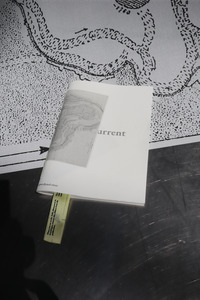
Dieses Zitat stammt aus Robert Macfarlanes Buch "Sind Flüsse Lebewesen?" und bildet den Einstieg in mein Diplomprojekt, „Like Sediment in a Slow Current“. Ausgehend von der Rheinbegradigung am Oberrhein untersuche ich die verzerrte Beziehung zwischen uns Menschen, Wasser und anderen Wasserkörpern. Das Projekt sammelt und kuratiert verschiedene Texte und Bilder aus Bereichen der Kunst, Biologie, Geologie und Philosophie und versucht, sich folgenden Fragen zu nähern:
Wie sind wir mit Flüssen verbunden? Wie sah der Rhein vor der Begradigung aus? Welche Folgen hat eine Begradigung für einen Fluss? Ist es möglich, einen Fluss als juristische Person anzusehen? Wie sind wir mit anderen Wasserkörpern verbunden? Was definiert einen Wasserkörper? Wie kann ich mich kritisch mit einem Ort und seiner Geschichte auseinandersetzen?
- „Wir sind zunehmend wasserundurchlässig geworden: gedanklich abgeschottet von den subtilen und vielfältigen Beziehungen zu Flüssen, auch wenn diese weiterhin unsere Körper, Gedanken, Lieder und Geschichten durchströmen. Flüsse fließen durch die Menschen ebenso sicher wie durch Orte.“
- Beschreibung (en)
- “We have become increasingly waterproofed: conceptually sealed against subtle and various relations with rivers, even as they continue to irrigate our bodies, thoughts, songs and stories. Rivers run through people as surely as they run through places.”
This quote from Robert Macfarlane’s book „Is a River Alive?“ serves as the point of entry to my diploma project, „Like Sediment in a Slow Current“. Taking the straightening of the Upper Rhine as my starting point, I explore the distorted relationship between us humans, water, and other bodies of water. The project collects and curates various texts and images from the fields of art, biology, geology, and philosophy and attempts to address questions like:
How are we connected to rivers? What did the Rhine look like before it was straightened? What are the consequences of straightening a river? Is it possible to view a river as a legal entity? How are we connected to other bodies of water? What defines a body of water? How can I critically engage with a place and its history?
- “We have become increasingly waterproofed: conceptually sealed against subtle and various relations with rivers, even as they continue to irrigate our bodies, thoughts, songs and stories. Rivers run through people as surely as they run through places.”
- Kategorie
- Typ des Projekts/Werks
- Schlagworte
- Datierung
- 24.06.2026
- Dank an
- Sprache
- Material
- Technik/Verfahren/Formate
- Digitaldruck, UV-Lack-Druck
- Abmessungen
- 175mm x 270mm
- Ort: Institution
- Ort
- Rhein
- Stadt
- Land
- Titel
- Like Sediment in a Slow Current
- Untertitel
- Reconnecting to a paralyzed river
- Projektleiter/in
- Semester
- Studiengang
- Typ der Abschlussarbeit
- Importiert am
- 20.07.2026
- Übergeordnete Sets
- 0
- Set enthält
- 0 10
Temporary Shapes
Name that can easily go onto 2 lines
Author that can easily go onto 2 lines as well
- Titel
- Temporary Shapes
- Titel (en)
- Temporary Shapes
- Autor/in
- Beschreibung (de)
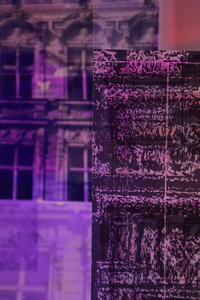
- Die durch einen räumlichen Audiowalk ergänzte Installation untersucht die Beziehung zwischen Menschen und Städten aus der Perspektive der Zeit. Sie erforscht, wie sich beide kontinuierlich verändern und wie sich die Zeitlinien von Individuen und Städten gelegentlich überschneiden, bevor sie sich wieder voneinander entfernen.
Die Ausstellung stellt zwei parallele Erzählungen gegenüber: die Veränderung einer Stadt und die persönlichen Geschichten von Menschen, die sich durch verschiedene Lebensphasen entfalten. Diese beiden Ebenen werden sowohl räumlich als auch klanglich erfahrbar.
Durch Interviews, persönliche Fotografien, Archivfotografien, Tonaufnahmen und transparente räumliche Schichten bewegt sich die Besucherin bzw. der Besucher gleichzeitig durch die Geschichte einer Stadt und den Lebensweg eines Menschen und erlebt dabei, wie Vergangenheit, Gegenwart und Zukunft kontinuierlich ineinander übergehen. Matthias Mansens Holzschnittserie Potsdamer Strasse erscheint als konkretes Beispiel für diese Beziehung: Sie bewahrt einen einzelnen Moment der Begegnung zwischen einem Künstler und einer sich ständig verändernden Stadt.
- Die durch einen räumlichen Audiowalk ergänzte Installation untersucht die Beziehung zwischen Menschen und Städten aus der Perspektive der Zeit. Sie erforscht, wie sich beide kontinuierlich verändern und wie sich die Zeitlinien von Individuen und Städten gelegentlich überschneiden, bevor sie sich wieder voneinander entfernen.
- Beschreibung (en)
- The installation, complemented by a spatial audio walk. Explores the relationship between people and cities from the perspective of time.
It examines how both are constantly changing, and how the timelines of individuals and cities occasionally intersect before moving apart again. The exhibition presents two parallel narratives: the transformation of a city and the personal stories of individuals unfolding through different stages of life. These two dimensions are experienced through both space and sound. Through interviews, personal photographs, archival photographs, sound, and transparent spatial layers, visitors move simultaneously through the history of a city and the trajectory of a human life, experiencing how past, present, and future continuously merge into one another.
Matthias Mansen’s Potsdamer Strasse woodcut series serves as a concrete example of this relationship, preserving a single moment of encounter between an artist and a constantly changing city.
- The installation, complemented by a spatial audio walk. Explores the relationship between people and cities from the perspective of time.
- Kategorie
- Typ des Projekts/Werks
- Schlagworte
- Datierung
- 02.05.2026 - 02.07.2026
- Mitwirkende
- Dank an
- Sprache
- Ort: Institution
- Stadt
- Land
- Beteiligte Institution(en)
- Titel
- Temporary Shapes
- Projektleiter/in
- Semester
- Studiengang
- Typ der Abschlussarbeit
- Importiert am
- 23.07.2026
- Übergeordnete Sets
- 0
- Set enthält
- 0 25