Diana McCarty
| Name | Diana McCarty |
7 Inhalte
- Seite 1 von 1
Eine Irrfahrt
Name that can easily go onto 2 lines
Author that can easily go onto 2 lines as well
- Titel
- Eine Irrfahrt
- Autor/in
- Beschreibung (de)
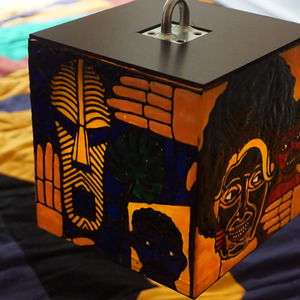
- Über einem Quilt, der den Rhein in seiner natürlichen und begradigten Form zeigt, hängen fünf beleuchtete Laternen mit Motiven aus Calibans Leben, eine schwarze Fähre und ein Schwarm Tigermücken. Begleitet wird die Installation von einem Soundstück. Gemeinsam erzählen die Elemente die Geschichte Calibans, der versucht, sich in einer Welt zu orientieren, deren Kategorien nicht ausreichen, um seine Erfahrung zu beschreiben.
Die Arbeit folgt zunächst der Logik des Märchens vom hässlichen Entlein. Die wiederholte Begegnung mit dem Anderen wird dort als Erfahrung von Ablehnung erzählt. Erlösung verspricht erst die Begegnung mit den eigenen Gleichen. Das Märchen entwirft damit eine Vorstellung von Identität und Zugehörigkeit, die auf Ähnlichkeit beruht und die Welt in klare Kategorien von Eigenem und Anderem ordnet.
Anhand der Figur Caliban untersucht die Arbeit, was geschieht, wenn Zugehörigkeit und Identität nicht durch Herkunft, Ähnlichkeit oder Ankunft hergestellt werden können.
Während der Schriftsteller und Denker Édouard Glissant Identität als etwas versteht, das in Beziehung entsteht und sich fortwährend verändert, folgen auch die afroamerikanischen mündlichen Erzählungen um die Trickster-Figur Brer Rabbit keiner endgültigen Auflösung. Anders als im Märchen vom hässlichen Entlein führt die Suche hier nicht zu einem Zustand dauerhaften Gleichgewichts. Stattdessen offenbart sich eine andere Logik, in der Identität und Zugehörigkeit nicht durch die Begegnung mit den eigenen Gleichen entstehen, sondern durch fortwährende Beziehungen, Verschiebungen und Neuorientierungen.
- Über einem Quilt, der den Rhein in seiner natürlichen und begradigten Form zeigt, hängen fünf beleuchtete Laternen mit Motiven aus Calibans Leben, eine schwarze Fähre und ein Schwarm Tigermücken. Begleitet wird die Installation von einem Soundstück. Gemeinsam erzählen die Elemente die Geschichte Calibans, der versucht, sich in einer Welt zu orientieren, deren Kategorien nicht ausreichen, um seine Erfahrung zu beschreiben.
- Beschreibung (en)
- Suspended above a quilt depicting the Rhine in both its natural and canalized form are five illuminated lanterns featuring scenes from Caliban's life, a black ferry, and a swarm of tiger mosquitoes. The installation is accompanied by a sound piece. Together, these elements tell the story of Caliban, who attempts to navigate a world whose categories are insufficient to describe his experience.
The work initially follows the logic of The Ugly Duckling. In the fairy tale, repeated encounters with the Other are experienced as rejection. Redemption is promised only through the encounter with one's own kind. The story thus presents an understanding of identity and belonging based on similarity, dividing the world into clear categories of self and other.
Through the figure of Caliban, the work explores what happens when belonging and identity can no longer be established through origin, similarity, or arrival.
While the writer and thinker Édouard Glissant understands identity as something that emerges through relation and is constantly transformed, the African American oral tales surrounding the trickster figure Brer Rabbit likewise resist any final resolution. Unlike The Ugly Duckling, the search does not lead to a lasting state of equilibrium. Instead, another logic emerges, in which identity and belonging are shaped not through the encounter with one's own kind, but through ongoing relations, shifts, and reorientations.
- Suspended above a quilt depicting the Rhine in both its natural and canalized form are five illuminated lanterns featuring scenes from Caliban's life, a black ferry, and a swarm of tiger mosquitoes. The installation is accompanied by a sound piece. Together, these elements tell the story of Caliban, who attempts to navigate a world whose categories are insufficient to describe his experience.
- Kategorie
- Schlagworte
- Mitwirkende
- Dank an
- Ort: Institution
- Stadt
- Titel
- Eine Irrfahrt
- Typ der Abschlussarbeit
- Importiert am
- 27.06.2026
- Übergeordnete Sets
- 1
- Set enthält
- 0 14
Shiftings Paradigms Symposium 2024
- Titel
- Shiftings Paradigms Symposium 2024
- Titel (en)
- Shiftings Paradigms Symposium 2024
- Untertitel
- 1. gemeinsames Symposium zu den Postgradualen Programmen von HfG Karlsruhe und ZKM
- Untertitel des Projekts/Werks (en)
- 1st symposium on the postgraduate programs by HfG Karlsruhe and ZKM
- Beschreibung (de)
- Die Staatliche Hochschule für Gestaltung und das Zentrum für Kunst und Medien in Karlsruhe wurden in den 1990er Jahren von Gründungsdirektor Heinrich Klotz als Orte einer zeitgemäßen, auf die Neuen Medien gerichteten Forschung konzipiert. Sie bieten in ihrer Kombination von Hochschule und Kulturinstitution ausgezeichnete Vorbedingungen für eine Vernetzung künstlerischer und wissenschaftlicher Ansätze, für die es in Deutschland allerdings noch veränderte Rahmenbedingungen braucht.
Ein übergreifendes postgraduales Programm sollte interdisziplinäre Expertise versammeln und nutzen, um die Beziehungen von Kunst, Theorie und Gestaltung neu auszuloten und auf diese Weise an die wegweisende Gründungsidee von HfG und ZKM anzuknüpfen. Es sollte zugleich auf einen größeren Paradigmenwechsel antworten, der sich in Kunst und Kultur wie auch im wissenschaftlichen Bereich zu vollziehen scheint und der sich einerseits in Legitimationskrisen, andererseits in neuen und kreativen Formen der Recherche und Produktion von Wissen äußert. Die HfG Karlsruhe nimmt die Diagnose zum Anlass, um hybride Formate der Forschung neu zu konzipieren und auch die Funktion wissenschaftlicher Promotionen zu befragen.
Zur Vorstellung und Diskussion dieser programmatischen Überlegungen veranstaltete die HfG in Kooperation mit dem ZKM Karlsruhe am 5. und 6. Dezember 2024 ein erstes Symposium mit internationalen Gästen, das darauf abzielt, Räume und Ideen für eine sich transformierende Forschungspraxis zu entwerfen.
In vier Panels performten und diskutierten unter anderem die französische Wissenschaftshistorikerin und -philosophin Bernadette Bensaude-Vincent, der Professor für Kunstwissenschaft und Medientheorie Matthias Bruhn, die Professorin für Time Based Media und Performance Filipa César, die Szenografin und stellvertretende HfG-Rektorin Constanze Fischbeck, der ZKM-Direktor Alistair Hudson, die Künstlerin und Professorin für Code and Image Susanne Kriemann, der Professor der ADBK München Armin Linke, die Leiterin des ZKM-Hertzlabs Tina Lorenz, die Künstlerin, Kuratorin und Mitglied des Raqs Media Collectives Monica Narula, der Professor für kritische Theorie und Medienphilosophie Simon Sheikh, die Performancekünstlerin und Aktivistin Joy Mariama Smith, die Professorin für Design Füsun Türetken und die Professorin für Digitale Ästhetik Nina Zschocke mit weiteren Expertinnen und Experten, dem Publikum sowie den Angehörigen beider Häuser.
- Die Staatliche Hochschule für Gestaltung und das Zentrum für Kunst und Medien in Karlsruhe wurden in den 1990er Jahren von Gründungsdirektor Heinrich Klotz als Orte einer zeitgemäßen, auf die Neuen Medien gerichteten Forschung konzipiert. Sie bieten in ihrer Kombination von Hochschule und Kulturinstitution ausgezeichnete Vorbedingungen für eine Vernetzung künstlerischer und wissenschaftlicher Ansätze, für die es in Deutschland allerdings noch veränderte Rahmenbedingungen braucht.
- Beschreibung (en)
- The Staatliche Hochschule für Gestaltung (HfG) Karlsruhe and the Center for Art and Media in Karlsruhe (ZKM) were conceived in the 1990s by founding director Heinrich Klotz as places for contemporary research focused on new media. With their combination of university and cultural institution, they offer excellent preconditions for the networking of artistic and scientific approaches, for which, however, a different framework is still needed in Germany.
An overarching postgraduate program was intended to bring together and utilize interdisciplinary expertise in order to explore the relationships between art, theory and design in a new way, thus building on the pioneering founding idea of the HfG and ZKM. At the same time, it is intended to respond to a larger paradigm shift that seems to be taking place in art and culture as well as in the scientific field and which is expressed on the one hand in crises of legitimization and on the other in new and creative forms of research and production of knowledge. The HfG Karlsruhe was taking this diagnosis as an opportunity to redesign hybrid formats of research and also to question the function of academic doctorates.
To present and discuss these programmatic considerations, the HfG organized a first symposium with international guests in cooperation with the ZKM Karlsruhe on 5 and 6 December 2024, which aims to design spaces and ideas for a transforming research practice.
In four panels, the French historian and philosopher of science Bernadette Bensaude-Vincent, the professor of art studies and media theory Matthias Bruhn, the professor of time-based media and performance Filipa César, the scenographer and deputy HfG rector Constanze Fischbeck, the ZKM director Alistair Hudson, the artist and professor of code and image Susanne Kriemann, ADBK Munich Professor Armin Linke, ZKM-Hertzlab Director Tina Lorenz, artist, curator and member of the Raqs Media Collective Monica Narula, Professor of Critical Theory and Media Philosophy Simon Sheikh, performance artist and activist Joy Mariama Smith, Professor for Design Füsun Türetken and Professor of Digital Aesthetics Nina Zschocke discussed with other experts, the audience and members of both institutions.
- The Staatliche Hochschule für Gestaltung (HfG) Karlsruhe and the Center for Art and Media in Karlsruhe (ZKM) were conceived in the 1990s by founding director Heinrich Klotz as places for contemporary research focused on new media. With their combination of university and cultural institution, they offer excellent preconditions for the networking of artistic and scientific approaches, for which, however, a different framework is still needed in Germany.
- Typ des Projekts/Werks
- Schlagworte
- Datierung
- 05.12.2024 - 06.12.2024
- Mitwirkende
- Dank an
- Ort: Institution
- Ort
- Lichthof 3 (HfG), Useum (ZKM)
- Stadt
- Land
- Beteiligte Institution(en)
- Auftrag durch
- Rektorat
- Titel
- Shiftings Paradigms Symposium 2024
- Untertitel
- 1. gemeinsames Symposium zu den Postgradualen Programmen von HfG Karlsruhe und ZKM
- Importiert am
- 05.01.2026
- Übergeordnete Sets
- 1
- Set enthält
- 6 0
Catalogue
Name that can easily go onto 2 lines
Author that can easily go onto 2 lines as well
- Titel
- Catalogue
- Titel (en)
- Catalogue
- Autor/in
- Beschreibung (de)
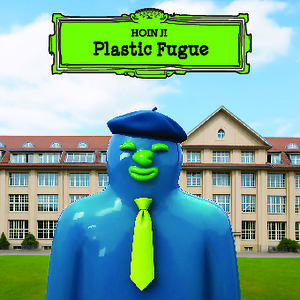
- Plastic Fugue als Diplomprojekt besteht aus vier Teilen:
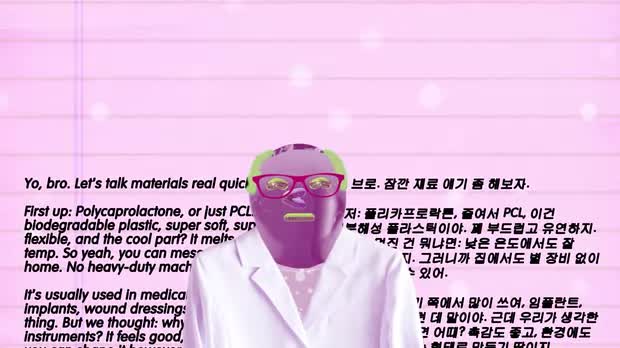
0. Introducing ipcl, ein Einführungsvideo, das eine Produktpräsentation imitiert. CEO Framey von „Moberm“, einer fiktiven Firma, spricht darüber, wie Moberm aufgrund der Kindheitserinnerungen des CEOs beschloss, sein Geschäft auf Musikinstrumente auszuweiten. Das Video behauptet selbstbewusst die Multifunktionalität der air&dust-Instrumente, bleibt dabei jedoch letztlich inhaltsleer. Framey, die sprechende Figur, artikuliert indirekt die Erzählung der Person hinter dem Werk und stellt gleichzeitig eine von Stereotypen und Neoliberalismus durchzogene Kunststruktur nach.
1. Plastic Fugue, eine interaktive Klanginstallation, bestehend aus sechs Flöten (air 5-10, air Pp 1), die jeweils nur einen Ton erzeugen und über codierte Dirigierknöpfe ferngesteuert aktiviert werden. Die Reihenfolge der Töne ist jedes Mal zufällig. Die Fuge wird auf ihre Struktur reduziert und in ein Spiel mit Sequenz und Zeit überführt. Anstelle der idealisierten Ordnung stelle ich mir eine offenere Art der Klangmontage vor, eine Art demokratischer Kontrapunkt.
2. Sax Recital, ein Video, gespielt von Arno Arial mit der DIY-Saxophone-Serie, deren Mundstücke auf Open-Source-3D-Modellen basieren und handgefertigt aus PCL und PLA bestehen. Das Stück wurde aufgenommen, während Arial Kopfhörer trug, um klassische Musik zu hören, sowie lärmunterdrückende Ausrüstung darüber, um sowohl äußere als auch selbst erzeugte Klänge auszublenden. Das Video läuft im Ausstellungsraum in Dauerschleife und bildet gemeinsam mit Plastic Fugue eine gebrochene fugenhafte Gegenstimme.
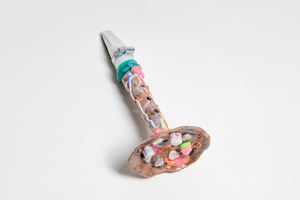
3. Pp 1-8, air 1-4 und dust 1-2, frühe Instrumente und Polymer-Gemälde, bei denen ich keinen überzeugenden Grund fand, weiterhin traditionelle Materialien zu verwenden. Also entschied ich mich, sie stattdessen mit PCL und PLA zu schaffen.
Die oben genannten Arbeiten sind das Ergebnis eines Instrumentenbaus durch DIY-Praxis und Open-Source-Dateien aus dem Internet, indem die Illusion der klassistischen Form geschmolzen, vermischt und in biologisch abbaubare Polymere gegossen wurde, nicht nur mit der Hand, sondern auch mit dem 3D-Drucker. Eine besondere Qualifikation ist für die Herstellung nicht nötig. Die Bauanleitungen für diese DIY-Instrumente werden während der Ausstellung und auf der Website zur Verfügung gestellt.
Wenn das Publikum die Knöpfe drückt, spielt dieses neutrale Orchester eine fugenhafte Struktur, bei der sich alle paar Sekunden Klänge überlagern. Die Kontrolle über das Orchester liegt beim Publikum. Die Arbeit hinterfragt geerbte Hierarchien, sowohl durch Material als auch durch Methode.
Für Kinder, die früh gelernt haben, nichts zu verlangen, und für Erwachsene, die mit dieser Erinnerung aufgewachsen sind.
- Plastic Fugue als Diplomprojekt besteht aus vier Teilen:
- Beschreibung (en)
- Plastic Fugue as Diplom project features four parts.
0. Introducing air&dust, a (introduction) video that appropriates a product unveiling conference. CEO Framey from Moberm, a pseudo corporation, speaks about how Moberm decided to expand its business into musical instruments based on the CEO's childhood memory. It boldly claims air&dust’s multifunctionality in musical instruments but remains ultimately hollow.
Framey, the speaking character, serves as a device that indirectly voices the artist's narrative within the work, while also reenacting the structure of art polluted by stereotypes and neoliberalism. The character is made with the virtual youtuber avatar technique.
1. Plastic Fugue, an interactive sound installation which consists of six flutes (air 5-10, air Pp 1) with air pumps, each producing a single tone and activated remotely through coded conducting buttons. The order of play is random every time as the buttons signal remotely.
The fugue has long stood as a symbol of musical authority and elitism, a form that represents technical mastery and the traditional hierarchy of composition. In my work, I try to break apart that formal authority, stripping the fugue down to its bare structure and shifting it toward an exploration of sequence and time. Instead of upholding its idealized order, I imagine a more open, accessible way of assembling sound, a kind of democratic counterpoint. You could call it a process of unmaking the fugue, of abstracting it.
2. Sax Recital, a recital video piece played by Arno Arial featuring DIY-Saxophone series, which is a quite decent structure of mouthpiece built using open-source 3D models and handcrafted with PCL and PLA. Filmed while Arial was wearing earphones for listening to classical music and soundproof gear on top to block out both external and self-produced instrumental sound. This piece is loop-playing all the time in the exhibition, making broken fugal counterpoint together with Plastic Fugue.
3. Pp 1-9, air 1-4, and dust 1-2, early-made instruments and polymer paintings which I found no compelling reason to continue using traditional materials, and so I ended up creating them with PCL and PLA.
The above instruments and paintings are the result of instrument-making through DIY-ness and open-source files from the internet by melting, merging, and mixing the illusion of classism's shape into biodegradable polymers, not only with a hand, but also with a 3D printer. However, any sacred qualification to make is not needed. DIY instructions for these DIY instruments are distributed at the exhibition and website.
When audiences press the buttons, this neutral orchestra plays a Fugue-like style, which overlaps sounds every few seconds. Placing control of the orchestra in the hands of the audience, the work democratizes a position of authority and questions inherited hierarchies through both material and method.
- Plastic Fugue as Diplom project features four parts.
- Mitwirkende
- Titel
- Catalogue
- Projektleiter/in
- Semester
- Studiengang
- Typ der Abschlussarbeit
- Importiert am
- 12.07.2025
- Übergeordnete Sets
- 1
- Set enthält
- 0 1
Video Work
Name that can easily go onto 2 lines
Author that can easily go onto 2 lines as well
- Titel
- Video Work
- Titel (en)
- Video Work
- Autor/in
- Beschreibung (de)
- Plastic Fugue als Diplomprojekt besteht aus vier Teilen:
0. Introducing ipcl, ein Einführungsvideo, das eine Produktpräsentation imitiert. CEO Framey von „Moberm“, einer fiktiven Firma, spricht darüber, wie Moberm aufgrund der Kindheitserinnerungen des CEOs beschloss, sein Geschäft auf Musikinstrumente auszuweiten. Das Video behauptet selbstbewusst die Multifunktionalität der air&dust-Instrumente, bleibt dabei jedoch letztlich inhaltsleer. Framey, die sprechende Figur, artikuliert indirekt die Erzählung der Person hinter dem Werk und stellt gleichzeitig eine von Stereotypen und Neoliberalismus durchzogene Kunststruktur nach.
1. Plastic Fugue, eine interaktive Klanginstallation, bestehend aus sechs Flöten (air 5-10, air Pp 1), die jeweils nur einen Ton erzeugen und über codierte Dirigierknöpfe ferngesteuert aktiviert werden. Die Reihenfolge der Töne ist jedes Mal zufällig. Die Fuge wird auf ihre Struktur reduziert und in ein Spiel mit Sequenz und Zeit überführt. Anstelle der idealisierten Ordnung stelle ich mir eine offenere Art der Klangmontage vor, eine Art demokratischer Kontrapunkt.
2. Sax Recital, ein Video, gespielt von Arno Arial mit der DIY-Saxophone-Serie, deren Mundstücke auf Open-Source-3D-Modellen basieren und handgefertigt aus PCL und PLA bestehen. Das Stück wurde aufgenommen, während Arial Kopfhörer trug, um klassische Musik zu hören, sowie lärmunterdrückende Ausrüstung darüber, um sowohl äußere als auch selbst erzeugte Klänge auszublenden. Das Video läuft im Ausstellungsraum in Dauerschleife und bildet gemeinsam mit Plastic Fugue eine gebrochene fugenhafte Gegenstimme.
3. Pp 1-8, air 1-4 und dust 1-2, frühe Instrumente und Polymer-Gemälde, bei denen ich keinen überzeugenden Grund fand, weiterhin traditionelle Materialien zu verwenden. Also entschied ich mich, sie stattdessen mit PCL und PLA zu schaffen.
Die oben genannten Arbeiten sind das Ergebnis eines Instrumentenbaus durch DIY-Praxis und Open-Source-Dateien aus dem Internet, indem die Illusion der klassistischen Form geschmolzen, vermischt und in biologisch abbaubare Polymere gegossen wurde, nicht nur mit der Hand, sondern auch mit dem 3D-Drucker. Eine besondere Qualifikation ist für die Herstellung nicht nötig. Die Bauanleitungen für diese DIY-Instrumente werden während der Ausstellung und auf der Website zur Verfügung gestellt.
Wenn das Publikum die Knöpfe drückt, spielt dieses neutrale Orchester eine fugenhafte Struktur, bei der sich alle paar Sekunden Klänge überlagern. Die Kontrolle über das Orchester liegt beim Publikum. Die Arbeit hinterfragt geerbte Hierarchien, sowohl durch Material als auch durch Methode.
Für Kinder, die früh gelernt haben, nichts zu verlangen, und für Erwachsene, die mit dieser Erinnerung aufgewachsen sind.
- Plastic Fugue als Diplomprojekt besteht aus vier Teilen:
- Beschreibung (en)
- Plastic Fugue as Diplom project features four parts.
0. Introducing air&dust, a (introduction) video that appropriates a product unveiling conference. CEO Framey from Moberm, a pseudo corporation, speaks about how Moberm decided to expand its business into musical instruments based on the CEO's childhood memory. It boldly claims air&dust’s multifunctionality in musical instruments but remains ultimately hollow.
Framey, the speaking character, serves as a device that indirectly voices the artist's narrative within the work, while also reenacting the structure of art polluted by stereotypes and neoliberalism. The character is made with the virtual youtuber avatar technique.
1. Plastic Fugue, an interactive sound installation which consists of six flutes (air 5-10, air Pp 1) with air pumps, each producing a single tone and activated remotely through coded conducting buttons. The order of play is random every time as the buttons signal remotely.
The fugue has long stood as a symbol of musical authority and elitism, a form that represents technical mastery and the traditional hierarchy of composition. In my work, I try to break apart that formal authority, stripping the fugue down to its bare structure and shifting it toward an exploration of sequence and time. Instead of upholding its idealized order, I imagine a more open, accessible way of assembling sound, a kind of democratic counterpoint. You could call it a process of unmaking the fugue, of abstracting it.
2. Sax Recital, a recital video piece played by Arno Arial featuring DIY-Saxophone series, which is a quite decent structure of mouthpiece built using open-source 3D models and handcrafted with PCL and PLA. Filmed while Arial was wearing earphones for listening to classical music and soundproof gear on top to block out both external and self-produced instrumental sound. This piece is loop-playing all the time in the exhibition, making broken fugal counterpoint together with Plastic Fugue.
3. Pp 1-9, air 1-4, and dust 1-2, early-made instruments and polymer paintings which I found no compelling reason to continue using traditional materials, and so I ended up creating them with PCL and PLA.
The above instruments and paintings are the result of instrument-making through DIY-ness and open-source files from the internet by melting, merging, and mixing the illusion of classism's shape into biodegradable polymers, not only with a hand, but also with a 3D printer. However, any sacred qualification to make is not needed. DIY instructions for these DIY instruments are distributed at the exhibition and website.
When audiences press the buttons, this neutral orchestra plays a Fugue-like style, which overlaps sounds every few seconds. Placing control of the orchestra in the hands of the audience, the work democratizes a position of authority and questions inherited hierarchies through both material and method.
- Plastic Fugue as Diplom project features four parts.
- Mitwirkende
- Titel
- Video Work
- Projektleiter/in
- Semester
- Studiengang
- Typ der Abschlussarbeit
- Importiert am
- 12.07.2025
- Übergeordnete Sets
- 1
- Set enthält
- 0 2
Work Detail
Name that can easily go onto 2 lines
Author that can easily go onto 2 lines as well
- Titel
- Work Detail
- Titel (en)
- Work Detail
- Autor/in
- Beschreibung (de)
- Plastic Fugue als Diplomprojekt besteht aus vier Teilen:
0. Introducing ipcl, ein Einführungsvideo, das eine Produktpräsentation imitiert. CEO Framey von „Moberm“, einer fiktiven Firma, spricht darüber, wie Moberm aufgrund der Kindheitserinnerungen des CEOs beschloss, sein Geschäft auf Musikinstrumente auszuweiten. Das Video behauptet selbstbewusst die Multifunktionalität der air&dust-Instrumente, bleibt dabei jedoch letztlich inhaltsleer. Framey, die sprechende Figur, artikuliert indirekt die Erzählung der Person hinter dem Werk und stellt gleichzeitig eine von Stereotypen und Neoliberalismus durchzogene Kunststruktur nach.
1. Plastic Fugue, eine interaktive Klanginstallation, bestehend aus sechs Flöten (air 5-10, air Pp 1), die jeweils nur einen Ton erzeugen und über codierte Dirigierknöpfe ferngesteuert aktiviert werden. Die Reihenfolge der Töne ist jedes Mal zufällig. Die Fuge wird auf ihre Struktur reduziert und in ein Spiel mit Sequenz und Zeit überführt. Anstelle der idealisierten Ordnung stelle ich mir eine offenere Art der Klangmontage vor, eine Art demokratischer Kontrapunkt.
2. Sax Recital, ein Video, gespielt von Arno Arial mit der DIY-Saxophone-Serie, deren Mundstücke auf Open-Source-3D-Modellen basieren und handgefertigt aus PCL und PLA bestehen. Das Stück wurde aufgenommen, während Arial Kopfhörer trug, um klassische Musik zu hören, sowie lärmunterdrückende Ausrüstung darüber, um sowohl äußere als auch selbst erzeugte Klänge auszublenden. Das Video läuft im Ausstellungsraum in Dauerschleife und bildet gemeinsam mit Plastic Fugue eine gebrochene fugenhafte Gegenstimme.
3. Pp 1-8, air 1-4 und dust 1-2, frühe Instrumente und Polymer-Gemälde, bei denen ich keinen überzeugenden Grund fand, weiterhin traditionelle Materialien zu verwenden. Also entschied ich mich, sie stattdessen mit PCL und PLA zu schaffen.
Die oben genannten Arbeiten sind das Ergebnis eines Instrumentenbaus durch DIY-Praxis und Open-Source-Dateien aus dem Internet, indem die Illusion der klassistischen Form geschmolzen, vermischt und in biologisch abbaubare Polymere gegossen wurde, nicht nur mit der Hand, sondern auch mit dem 3D-Drucker. Eine besondere Qualifikation ist für die Herstellung nicht nötig. Die Bauanleitungen für diese DIY-Instrumente werden während der Ausstellung und auf der Website zur Verfügung gestellt.
Wenn das Publikum die Knöpfe drückt, spielt dieses neutrale Orchester eine fugenhafte Struktur, bei der sich alle paar Sekunden Klänge überlagern. Die Kontrolle über das Orchester liegt beim Publikum. Die Arbeit hinterfragt geerbte Hierarchien, sowohl durch Material als auch durch Methode.
Für Kinder, die früh gelernt haben, nichts zu verlangen, und für Erwachsene, die mit dieser Erinnerung aufgewachsen sind.
- Plastic Fugue als Diplomprojekt besteht aus vier Teilen:
- Beschreibung (en)
- Plastic Fugue as Diplom project features four parts.
0. Introducing air&dust, a (introduction) video that appropriates a product unveiling conference. CEO Framey from Moberm, a pseudo corporation, speaks about how Moberm decided to expand its business into musical instruments based on the CEO's childhood memory. It boldly claims air&dust’s multifunctionality in musical instruments but remains ultimately hollow.
Framey, the speaking character, serves as a device that indirectly voices the artist's narrative within the work, while also reenacting the structure of art polluted by stereotypes and neoliberalism. The character is made with the virtual youtuber avatar technique.
1. Plastic Fugue, an interactive sound installation which consists of six flutes (air 5-10, air Pp 1) with air pumps, each producing a single tone and activated remotely through coded conducting buttons. The order of play is random every time as the buttons signal remotely.
The fugue has long stood as a symbol of musical authority and elitism, a form that represents technical mastery and the traditional hierarchy of composition. In my work, I try to break apart that formal authority, stripping the fugue down to its bare structure and shifting it toward an exploration of sequence and time. Instead of upholding its idealized order, I imagine a more open, accessible way of assembling sound, a kind of democratic counterpoint. You could call it a process of unmaking the fugue, of abstracting it.
2. Sax Recital, a recital video piece played by Arno Arial featuring DIY-Saxophone series, which is a quite decent structure of mouthpiece built using open-source 3D models and handcrafted with PCL and PLA. Filmed while Arial was wearing earphones for listening to classical music and soundproof gear on top to block out both external and self-produced instrumental sound. This piece is loop-playing all the time in the exhibition, making broken fugal counterpoint together with Plastic Fugue.
3. Pp 1-9, air 1-4, and dust 1-2, early-made instruments and polymer paintings which I found no compelling reason to continue using traditional materials, and so I ended up creating them with PCL and PLA.
The above instruments and paintings are the result of instrument-making through DIY-ness and open-source files from the internet by melting, merging, and mixing the illusion of classism's shape into biodegradable polymers, not only with a hand, but also with a 3D printer. However, any sacred qualification to make is not needed. DIY instructions for these DIY instruments are distributed at the exhibition and website.
When audiences press the buttons, this neutral orchestra plays a Fugue-like style, which overlaps sounds every few seconds. Placing control of the orchestra in the hands of the audience, the work democratizes a position of authority and questions inherited hierarchies through both material and method.
- Plastic Fugue as Diplom project features four parts.
- Mitwirkende
- Titel
- Work Detail
- Projektleiter/in
- Semester
- Studiengang
- Typ der Abschlussarbeit
- Importiert am
- 12.07.2025
- Übergeordnete Sets
- 1
- Set enthält
- 0 36
Exhibition View
Name that can easily go onto 2 lines
Author that can easily go onto 2 lines as well
- Titel
- Exhibition View
- Titel (en)
- Exhibition View
- Autor/in
- Beschreibung (de)
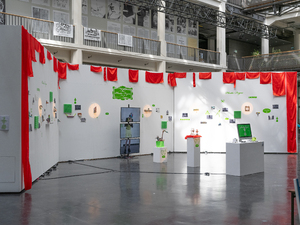
- Plastic Fugue als Diplomprojekt besteht aus vier Teilen:
0. Introducing ipcl, ein Einführungsvideo, das eine Produktpräsentation imitiert. CEO Framey von „Moberm“, einer fiktiven Firma, spricht darüber, wie Moberm aufgrund der Kindheitserinnerungen des CEOs beschloss, sein Geschäft auf Musikinstrumente auszuweiten. Das Video behauptet selbstbewusst die Multifunktionalität der air&dust-Instrumente, bleibt dabei jedoch letztlich inhaltsleer. Framey, die sprechende Figur, artikuliert indirekt die Erzählung der Person hinter dem Werk und stellt gleichzeitig eine von Stereotypen und Neoliberalismus durchzogene Kunststruktur nach.
1. Plastic Fugue, eine interaktive Klanginstallation, bestehend aus sechs Flöten (air 5-10, air Pp 1), die jeweils nur einen Ton erzeugen und über codierte Dirigierknöpfe ferngesteuert aktiviert werden. Die Reihenfolge der Töne ist jedes Mal zufällig. Die Fuge wird auf ihre Struktur reduziert und in ein Spiel mit Sequenz und Zeit überführt. Anstelle der idealisierten Ordnung stelle ich mir eine offenere Art der Klangmontage vor, eine Art demokratischer Kontrapunkt.
2. Sax Recital, ein Video, gespielt von Arno Arial mit der DIY-Saxophone-Serie, deren Mundstücke auf Open-Source-3D-Modellen basieren und handgefertigt aus PCL und PLA bestehen. Das Stück wurde aufgenommen, während Arial Kopfhörer trug, um klassische Musik zu hören, sowie lärmunterdrückende Ausrüstung darüber, um sowohl äußere als auch selbst erzeugte Klänge auszublenden. Das Video läuft im Ausstellungsraum in Dauerschleife und bildet gemeinsam mit Plastic Fugue eine gebrochene fugenhafte Gegenstimme.
3. Pp 1-8, air 1-4 und dust 1-2, frühe Instrumente und Polymer-Gemälde, bei denen ich keinen überzeugenden Grund fand, weiterhin traditionelle Materialien zu verwenden. Also entschied ich mich, sie stattdessen mit PCL und PLA zu schaffen.
Die oben genannten Arbeiten sind das Ergebnis eines Instrumentenbaus durch DIY-Praxis und Open-Source-Dateien aus dem Internet, indem die Illusion der klassistischen Form geschmolzen, vermischt und in biologisch abbaubare Polymere gegossen wurde, nicht nur mit der Hand, sondern auch mit dem 3D-Drucker. Eine besondere Qualifikation ist für die Herstellung nicht nötig. Die Bauanleitungen für diese DIY-Instrumente werden während der Ausstellung und auf der Website zur Verfügung gestellt.
Wenn das Publikum die Knöpfe drückt, spielt dieses neutrale Orchester eine fugenhafte Struktur, bei der sich alle paar Sekunden Klänge überlagern. Die Kontrolle über das Orchester liegt beim Publikum. Die Arbeit hinterfragt geerbte Hierarchien, sowohl durch Material als auch durch Methode.
Für Kinder, die früh gelernt haben, nichts zu verlangen, und für Erwachsene, die mit dieser Erinnerung aufgewachsen sind.
- Plastic Fugue als Diplomprojekt besteht aus vier Teilen:
- Beschreibung (en)
- Plastic Fugue as Diplom project features four parts.
0. Introducing air&dust, a (introduction) video that appropriates a product unveiling conference. CEO Framey from Moberm, a pseudo corporation, speaks about how Moberm decided to expand its business into musical instruments based on the CEO's childhood memory. It boldly claims air&dust’s multifunctionality in musical instruments but remains ultimately hollow.
Framey, the speaking character, serves as a device that indirectly voices the artist's narrative within the work, while also reenacting the structure of art polluted by stereotypes and neoliberalism. The character is made with the virtual youtuber avatar technique.
1. Plastic Fugue, an interactive sound installation which consists of six flutes (air 5-10, air Pp 1) with air pumps, each producing a single tone and activated remotely through coded conducting buttons. The order of play is random every time as the buttons signal remotely.
The fugue has long stood as a symbol of musical authority and elitism, a form that represents technical mastery and the traditional hierarchy of composition. In my work, I try to break apart that formal authority, stripping the fugue down to its bare structure and shifting it toward an exploration of sequence and time. Instead of upholding its idealized order, I imagine a more open, accessible way of assembling sound, a kind of democratic counterpoint. You could call it a process of unmaking the fugue, of abstracting it.
2. Sax Recital, a recital video piece played by Arno Arial featuring DIY-Saxophone series, which is a quite decent structure of mouthpiece built using open-source 3D models and handcrafted with PCL and PLA. Filmed while Arial was wearing earphones for listening to classical music and soundproof gear on top to block out both external and self-produced instrumental sound. This piece is loop-playing all the time in the exhibition, making broken fugal counterpoint together with Plastic Fugue.
3. Pp 1-9, air 1-4, and dust 1-2, early-made instruments and polymer paintings which I found no compelling reason to continue using traditional materials, and so I ended up creating them with PCL and PLA.
The above instruments and paintings are the result of instrument-making through DIY-ness and open-source files from the internet by melting, merging, and mixing the illusion of classism's shape into biodegradable polymers, not only with a hand, but also with a 3D printer. However, any sacred qualification to make is not needed. DIY instructions for these DIY instruments are distributed at the exhibition and website.
When audiences press the buttons, this neutral orchestra plays a Fugue-like style, which overlaps sounds every few seconds. Placing control of the orchestra in the hands of the audience, the work democratizes a position of authority and questions inherited hierarchies through both material and method.
- Plastic Fugue as Diplom project features four parts.
- Mitwirkende
- Titel
- Exhibition View
- Projektleiter/in
- Semester
- Studiengang
- Typ der Abschlussarbeit
- Importiert am
- 12.07.2025
- Übergeordnete Sets
- 1
- Set enthält
- 0 17
Plastic Fugue
Name that can easily go onto 2 lines
Author that can easily go onto 2 lines as well
- Titel
- Plastic Fugue
- Titel (en)
- Plastic Fugue
- Autor/in
- Beschreibung (de)
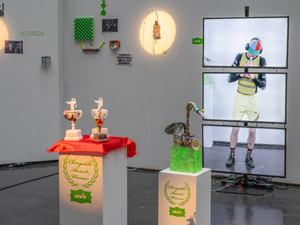
- Plastic Fugue ist eine interaktive Klanginstallation, die mit einer Kindheitserinnerung an die Konzertflöte beginnt, ein Instrument, das ich aufgrund finanzieller Schwierigkeiten nie erlernen konnte und das für mich zum Symbol des Klassismus wurde. Finanzielle Einschränkung ist nicht nur unangenehm, sondern lässt Kinder sich als ungeeignet empfinden, überhaupt etwas zu versuchen, und normalisiert dadurch Klassismus, selbst in der Kunst.
Es passierte mir erneut, als ich Malerei studierte. Die Materialien, Leinwand, Holz, Stoff, Papier, Farbe, Öl, ja sogar ein Bleistift, werden mit einer gewissen Aura vermarktet. Unsere Kunst ist längst zu sehr mit der neoliberalen Wirtschaft verstrickt, ironischerweise im Widerspruch zu ihrem eigentlichen Ziel, Freiheit. Die Qualität von Kunst über den Preis der Materialien zu definieren, ist eine Wiederholung alter Muster, so wie Blau und Grün einst als Zeichen des Reichtums galten und dem Adel vorbehalten waren.
Diese Struktur führte dazu, dass ich klassische Musik als die einzig wahre Musik betrachtete und die Leinwandmalerei, die im späten 15. Jahrhundert in Italien entstand, als den allein gültigen Standard in der bildenden Kunst. Jahrzehnte später erkannte ich, dass es jenseits dessen, was ich damals als Kunst verstand, auch Formen gab, die aus verschiedenen kulturellen Kontexten stammen und nicht als Teil dieses Standards wahrgenommen wurden. Dann versuchte ich, all diese ironischen Elemente in die verschiedenen Medien einzubringen, mit denen ich bisher gearbeitet hatte.
- Plastic Fugue ist eine interaktive Klanginstallation, die mit einer Kindheitserinnerung an die Konzertflöte beginnt, ein Instrument, das ich aufgrund finanzieller Schwierigkeiten nie erlernen konnte und das für mich zum Symbol des Klassismus wurde. Finanzielle Einschränkung ist nicht nur unangenehm, sondern lässt Kinder sich als ungeeignet empfinden, überhaupt etwas zu versuchen, und normalisiert dadurch Klassismus, selbst in der Kunst.
- Beschreibung (en)
- Plastic Fugue is an interactive sound installation project that begins with a childhood memory of the concert flute, which I couldn't learn due to financial hardship, and which came to symbolize classism to me. Being financially debilitated is not only a discomfort, but also makes children feel unqualified to even try, thereby normalizing this classism even in art.
It happened to me again when I studied painting. The materials are marketed with an aura, including canvas, wood, fabric, paper, paint, oil, and even a pencil. Our art already conspires too much with the neoliberal economy, ironically, against its supposed goal: liberty. Classifying the quality of art based on the price of materials is repetitive, much like how blue and green, once symbols of wealth, were valued and reserved for royalty in history.
This structure led me to view classical music as the only true form of music, and canvas painting, which originated in Italy in the late 15th century, as the sole standard in visual art. Decades later, I realized there was more art behind the things I once believed to be art alone. Then I attempted to gather all these ironical elements into diverse mediums I had experienced so far.
- Plastic Fugue is an interactive sound installation project that begins with a childhood memory of the concert flute, which I couldn't learn due to financial hardship, and which came to symbolize classism to me. Being financially debilitated is not only a discomfort, but also makes children feel unqualified to even try, thereby normalizing this classism even in art.
- Kategorie
- Typ des Projekts/Werks
- Schlagworte
- Datierung
- 09.07.2025 - 13.07.2025
- Mitwirkende
- Dank an
- Material
- Abmessungen
- Variable Maße
- Dauer
- Introducing air&dust: 9' 11" / Sax Recital: 16' 37"
- Ort: Institution
- Ort
- Lichthof
- Stadt
- Land
- Internetlinks
- Titel
- Plastic Fugue
- Projektleiter/in
- Semester
- Studiengang
- Typ der Abschlussarbeit
- Importiert am
- 29.06.2025
- Übergeordnete Sets
- 3
- Set enthält
- 4 1