Paul Bailey
| Name | Paul Bailey |
14 Inhalte
- Seite 1 von 2
wie (wir) erinnern
Name that can easily go onto 2 lines
Author that can easily go onto 2 lines as well
- Titel
- wie (wir) erinnern
- Titel (en)
- how (we) remember
- Autor/in
- Beschreibung (de)
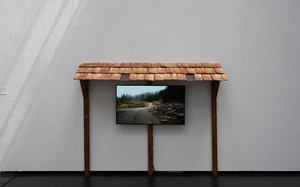
- Ausgehend von einem ehemaligen Militärstützpunkt untersucht die Arbeit „how (we) remember“ die Prozesse, durch die Erinnerungen materielle Gestalt annehmen. Inwieweit verkörpern Artefakte, Denkmäler und andere Objekte Erinnerungen? Was sind die zentralen Bedingungen und Voraussetzungen einer Erinnerung? Welche Rolle spielen dabei Politik, „Zeitgeist“ und die Verantwortung jedes Einzelnen?
Die Ausstellung visualisiert und reflektiert meine persönliche Perspektive auf eine Erinnerung an die militärhistorische Vergangenheit der Hornisgrinde im nördlichen Schwarzwald. Dabei setzt sich die Installation materiell mit der Flüchtigkeit und Aura menschlicher Erinnerungsprozesse auseinander und untersucht die Sichtbarkeit der Vergangenheit im öffentlichen und privaten Raum.
- Ausgehend von einem ehemaligen Militärstützpunkt untersucht die Arbeit „how (we) remember“ die Prozesse, durch die Erinnerungen materielle Gestalt annehmen. Inwieweit verkörpern Artefakte, Denkmäler und andere Objekte Erinnerungen? Was sind die zentralen Bedingungen und Voraussetzungen einer Erinnerung? Welche Rolle spielen dabei Politik, „Zeitgeist“ und die Verantwortung jedes Einzelnen?
- Beschreibung (en)
- Taking a former military base as its starting point, the work “how (we) remember” explores the processes through which memories take material form. To what extent do artifacts, monuments, and other objects embody memories? What are the central conditions and requirements of a memory? What role do politics, “Zeitgeist” and each individual’s responsibility play in this?
The series of artworks visualizes and reflects my personal perspective on a memory of the Hornisgrinde’s military-historical past in the northern Black Forest. In doing so, the installation materially addresses the fleeting and auratic nature of human memory processes and examines the visibility of the past in public and private spaces.
- Taking a former military base as its starting point, the work “how (we) remember” explores the processes through which memories take material form. To what extent do artifacts, monuments, and other objects embody memories? What are the central conditions and requirements of a memory? What role do politics, “Zeitgeist” and each individual’s responsibility play in this?
- Kategorie
- Typ des Projekts/Werks
- Schlagworte
- Dank an
- Material
- Ort: Institution
- Beteiligte Institution(en)
- Titel
- wie (wir) erinnern
- Projektleiter/in
- Semester
- Studiengang
- Typ der Abschlussarbeit
- Importiert am
- 23.07.2026
- Übergeordnete Sets
- 2
- Set enthält
- 0 9
As beginning is to end
Name that can easily go onto 2 lines
Author that can easily go onto 2 lines as well
- Titel
- As beginning is to end
- Autor/in
- Beschreibung (de)
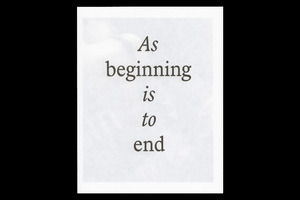
- „As beginning is to end“ beschäftigt sich mit Fotografie, Architektur, Zeitlichkeit und der Neuordnung von vorhandenem Bildmaterial. Das Projekt verbindet eine Publikation mit einer räumlichen Installation. Dafür wurden gescannte Fotografien aus bestehenden Fotobüchern zu einer offenen, filmischen Sequenz neu angeordnet. Die Fotografien werden als Fragmente eines fortlaufenden Geschehens verstanden, dessen Narrativ wiederkehrenden Motiven, Atmosphären und Blickrichtungen folgt.
Die gefundenen Fotografien zeigen ausschließlich Fragmente von privaten Innenräumen und Figuren, die sich durch diese bewegen. Die Innenräume werden dabei zu Spuren von Identitäten, Erinnerungen und Geschichten und eröffnen den intimen Blick in geschlossene Wände.
In der Publikation bestimmen die im Vollformat gedruckten Fotografien und darauf folgende weiße Doppelseiten den Rhythmus des Betrachtens. Die leeren Seiten schaffen kurze Pausen und schlagen Brücken zu dem Unwissenden. Außerdem ist der Publikation ein Text beigefügt, der den Gang durch die Fotografien leitet.
Der selbe Rhythmus wird in den Ausstellungsraum übersetzt. Die ausgewählten Fotografien wurden hier dabei stark vergrößert und immer wieder durch Leerstellen pausiert. Bei der Wahl des Ausstellungsraums war es wichtig, einen Ort zu finden, der durch seine architektonische Beschaffenheit bereits fragmentarisch Spuren und Geschichten in sich trägt. Jedes Element der Architektur ist ein Bestandteil der Übersetzung der fotografischen Szenen und lassen die Betrachtenden in diese räumlich eintreten.
- „As beginning is to end“ beschäftigt sich mit Fotografie, Architektur, Zeitlichkeit und der Neuordnung von vorhandenem Bildmaterial. Das Projekt verbindet eine Publikation mit einer räumlichen Installation. Dafür wurden gescannte Fotografien aus bestehenden Fotobüchern zu einer offenen, filmischen Sequenz neu angeordnet. Die Fotografien werden als Fragmente eines fortlaufenden Geschehens verstanden, dessen Narrativ wiederkehrenden Motiven, Atmosphären und Blickrichtungen folgt.
- Beschreibung (en)
- “As beginning is to end” explores photography, architecture, temporality, and the rearrangement of existing visual material. The project combines a publication with a spatial installation. Scanned photographs from existing photo books were rearranged to form an open, cinematic sequence.
The found photographs depict fragments of private interiors and figures moving through them. The interiors become traces of identities, memories, and stories, offering an intimate glimpse behind closed walls.
In the publication, the printed images and the following white double-page spreads determine the rhythm of viewing. The blank pages create brief pauses and build bridges to the unknown. Additionally, the publication includes a text that guides the viewer through the photographs.
The same rhythm is translated into the exhibition space. The selected photographs are greatly enlarged and repeatedly paused with blank spaces. When selecting the exhibition space, it was important to find a place whose architectural character already contains fragmentary traces and stories. Each architectural element plays a role in interpreting the photographic scenes and allows viewers to enter them spatially.
- “As beginning is to end” explores photography, architecture, temporality, and the rearrangement of existing visual material. The project combines a publication with a spatial installation. Scanned photographs from existing photo books were rearranged to form an open, cinematic sequence.
- Kategorie
- Schlagworte
- Abmessungen
- Publikation: 225mm x 290mm. Reproduktionen in der Ausstellung: ca. 3,5m x 2,5m und ca. 1,5m x 1m
- Dauer
- Dauer der Ausstellung: 3 Tage
- Titel
- As beginning is to end
- Projektleiter/in
- Semester
- Studiengang
- Typ der Abschlussarbeit
- Importiert am
- 21.07.2026
- Übergeordnete Sets
- 2
- Set enthält
- 0 2
Like Sediment in a Slow Current
Name that can easily go onto 2 lines
Author that can easily go onto 2 lines as well
- Titel
- Like Sediment in a Slow Current
- Titel (en)
- Like Sediment in a Slow Current
- Untertitel
- Reconnecting to a paralyzed river
- Untertitel des Projekts/Werks (en)
- Reconnecting to a paralyzed river
- Autor/in
- Beschreibung (de)
- „Wir sind zunehmend wasserundurchlässig geworden: gedanklich abgeschottet von den subtilen und vielfältigen Beziehungen zu Flüssen, auch wenn diese weiterhin unsere Körper, Gedanken, Lieder und Geschichten durchströmen. Flüsse fließen durch die Menschen ebenso sicher wie durch Orte.“
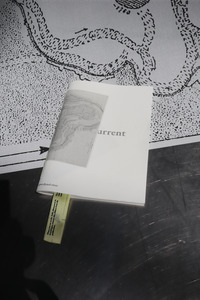
Dieses Zitat stammt aus Robert Macfarlanes Buch "Sind Flüsse Lebewesen?" und bildet den Einstieg in mein Diplomprojekt, „Like Sediment in a Slow Current“. Ausgehend von der Rheinbegradigung am Oberrhein untersuche ich die verzerrte Beziehung zwischen uns Menschen, Wasser und anderen Wasserkörpern. Das Projekt sammelt und kuratiert verschiedene Texte und Bilder aus Bereichen der Kunst, Biologie, Geologie und Philosophie und versucht, sich folgenden Fragen zu nähern:
Wie sind wir mit Flüssen verbunden? Wie sah der Rhein vor der Begradigung aus? Welche Folgen hat eine Begradigung für einen Fluss? Ist es möglich, einen Fluss als juristische Person anzusehen? Wie sind wir mit anderen Wasserkörpern verbunden? Was definiert einen Wasserkörper? Wie kann ich mich kritisch mit einem Ort und seiner Geschichte auseinandersetzen?
- „Wir sind zunehmend wasserundurchlässig geworden: gedanklich abgeschottet von den subtilen und vielfältigen Beziehungen zu Flüssen, auch wenn diese weiterhin unsere Körper, Gedanken, Lieder und Geschichten durchströmen. Flüsse fließen durch die Menschen ebenso sicher wie durch Orte.“
- Beschreibung (en)
- “We have become increasingly waterproofed: conceptually sealed against subtle and various relations with rivers, even as they continue to irrigate our bodies, thoughts, songs and stories. Rivers run through people as surely as they run through places.”
This quote from Robert Macfarlane’s book „Is a River Alive?“ serves as the point of entry to my diploma project, „Like Sediment in a Slow Current“. Taking the straightening of the Upper Rhine as my starting point, I explore the distorted relationship between us humans, water, and other bodies of water. The project collects and curates various texts and images from the fields of art, biology, geology, and philosophy and attempts to address questions like:
How are we connected to rivers? What did the Rhine look like before it was straightened? What are the consequences of straightening a river? Is it possible to view a river as a legal entity? How are we connected to other bodies of water? What defines a body of water? How can I critically engage with a place and its history?
- “We have become increasingly waterproofed: conceptually sealed against subtle and various relations with rivers, even as they continue to irrigate our bodies, thoughts, songs and stories. Rivers run through people as surely as they run through places.”
- Kategorie
- Typ des Projekts/Werks
- Schlagworte
- Datierung
- 24.06.2026
- Dank an
- Sprache
- Material
- Technik/Verfahren/Formate
- Digitaldruck, UV-Lack-Druck
- Abmessungen
- 175mm x 270mm
- Ort: Institution
- Ort
- Rhein
- Stadt
- Land
- Titel
- Like Sediment in a Slow Current
- Untertitel
- Reconnecting to a paralyzed river
- Projektleiter/in
- Semester
- Studiengang
- Typ der Abschlussarbeit
- Importiert am
- 20.07.2026
- Übergeordnete Sets
- 0
- Set enthält
- 0 10
Abschlussarbeit
Name that can easily go onto 2 lines
Author that can easily go onto 2 lines as well
- Titel
- Abschlussarbeit
- Titel (en)
- Luv What You Luv
- Untertitel
- Otaku and Community
- Autor/in
- Beschreibung (de)
- Der Begriff Otaku bezeichnet eine Person, die eine tiefe, spezialisierte und anhaltende Begeisterung für ein bestimmtes Thema besitzt, die sich häufig durch umfangreiches Wissen, emotionale Bindung und aktive Beschäftigung damit auszeichnet.
In der heutigen Gesellschaft wird es zunehmend schwieriger, unsere reine Begeisterung mit anderen zu teilen. Menschen neigen dazu, soziale Gruppen auf der Grundlage kultureller Geschmäcker zu bilden, und dieses Phänomen hat sich im Zeitalter von Web 2.0 durch Mechanismen wie Filterblasen weiter verstärkt.
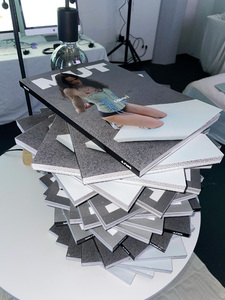
Durch das Projekt „Luv What You Luv“ möchte ich zeigen, was ich liebe, und gleichzeitig hören, was andere lieben. Das Projekt besteht hauptsächlich aus einem Magazin, das zwei Ausgaben in einem Band vereint. Die erste Ausgabe, [Girls], zeigt, was ich persönlich liebe. Die zweite Ausgabe, [Otaku], untersucht die Otaku-Fankultur genauer und enthält drei Interviews sowie sechs Gastbeiträge, die hervorheben, wofür andere Menschen eine besondere Leidenschaft haben.
Darüber hinaus umfasst das Projekt einen Fragebogen, der untersucht, was Leser:innen und Besucher:innen der Ausstellung lieben, sowie ein Otaku Presentation Video, in dem Teilnehmende ihre eigenen Leidenschaften und Interessen vorstellen.
Durch dieses Magazin und die dazugehörigen Inhalte hoffe ich, dass Menschen die Freude daran erleben können, das zu teilen, was sie lieben, und durch diese gemeinsamen Ausdrucksformen von Begeisterung lose soziale Verbindungen entstehen.
- Der Begriff Otaku bezeichnet eine Person, die eine tiefe, spezialisierte und anhaltende Begeisterung für ein bestimmtes Thema besitzt, die sich häufig durch umfangreiches Wissen, emotionale Bindung und aktive Beschäftigung damit auszeichnet.
- Beschreibung (en)
- The term otaku refers to a person who has deep, specialized, and sustained enthusiasm for a particular subject, often characterized by extensive knowledge, emotional attachment, and active engagement.
In contemporary society, it is becoming increasingly difficult to share our pure enthusiasm with others. People tend to form social groups based on cultural taste, and this phenomenon has intensified in the Web 2.0 era through mechanisms such as filter bubbles.
Through the “Luv What You Luv” project, I aim to present what I love while also listening to what others love. The project mainly consists of a magazine composed of two issues in a single book. The first issue, [Girls], presents what I personally love. The second issue, [Otaku], explores otaku fandom culture in depth, featuring three interviews and six contributed essays that highlight what others are passionately devoted to.
In addition, the project includes a questionnaire that explores what readers and exhibition visitors love, as well as an Otaku Presentation Video, in which participants present their own passions and interests.
Through this magazine and its accompanying contents, I hope that people can experience the joy of sharing what they love and form weak social bonds through these shared expressions of enthusiasm.
- The term otaku refers to a person who has deep, specialized, and sustained enthusiasm for a particular subject, often characterized by extensive knowledge, emotional attachment, and active engagement.
- Kategorie
- Typ des Projekts/Werks
- Schlagworte
- Datierung
- 11.02.2026
- Mitwirkende
- Dank an
- Sprache
- Untertitel (Film)
- Material
- Abmessungen
- 210*297 mm
- Dauer
- 40:49
- Ort: Institution
- Ort
- Seminar room 202
- Stadt
- Land
- Bemerkungen
- KD(Kommunikationsdesign) Diplomarbeit, 9th Semester, with guide of Tereza Ruller and Paul Bailey
- Titel
- Abschlussarbeit
- Untertitel
- Otaku and Community
- Projektleiter/in
- Semester
- Studiengang
- Typ der Abschlussarbeit
- Importiert am
- 05.03.2026
- Übergeordnete Sets
- 0
- Set enthält
- 0 18
KFZ-MechatronikerInnen
Name that can easily go onto 2 lines
Author that can easily go onto 2 lines as well
- Titel
- KFZ-MechatronikerInnen
- Titel (en)
- KFZ-MechatronikerInnen
- Autor/in
- Beschreibung (de)
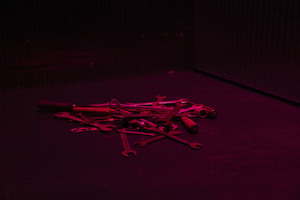
- Die multimediale Installation mit dem Titel "KFZ-MechatronikerInnen" besteht aus einem barrierefrei gestaltetem Raum, welcher durch Hohl- und Theaterwände zum Leben erweckt wird. In ihr sind fünf Objektinstallationen und eine Videoinstallation zu erkunden. Das Projekt beschäftigt sich thematisch mit Frauen in der KFZ-Mechatronik, ihrer Leidenschaft für Technik und ihrem Lebensstil. Dabei werden neben ihrer Begeisterung für Kraftfahrzeuge auch Themen von Diskriminierung und Sexismus am Arbeitsplatz und in der Szene thematisiert.
- Die multimediale Installation mit dem Titel "KFZ-MechatronikerInnen" besteht aus einem barrierefrei gestaltetem Raum, welcher durch Hohl- und Theaterwände zum Leben erweckt wird. In ihr sind fünf Objektinstallationen und eine Videoinstallation zu erkunden. Das Projekt beschäftigt sich thematisch mit Frauen in der KFZ-Mechatronik, ihrer Leidenschaft für Technik und ihrem Lebensstil. Dabei werden neben ihrer Begeisterung für Kraftfahrzeuge auch Themen von Diskriminierung und Sexismus am Arbeitsplatz und in der Szene thematisiert.
- Beschreibung (en)
- The multimedia installation entitled “KFZ-MechatronikerInnen” (Automotive Mechatronics Technicians) consists of a barrier-free room that is brought to life by hollow and theater walls. Inside, there are five object installations and a video installation to explore. The project deals with the theme of women in automotive mechatronics, their passion for technology, and their lifestyle. In addition to their enthusiasm for motor vehicles, topics such as discrimination and sexism in the workplace and in the scene are also addressed.
- The multimedia installation entitled “KFZ-MechatronikerInnen” (Automotive Mechatronics Technicians) consists of a barrier-free room that is brought to life by hollow and theater walls. Inside, there are five object installations and a video installation to explore. The project deals with the theme of women in automotive mechatronics, their passion for technology, and their lifestyle. In addition to their enthusiasm for motor vehicles, topics such as discrimination and sexism in the workplace and in the scene are also addressed.
- Kategorie
- Typ des Projekts/Werks
- Schlagworte
- Datierung
- 17.12.2025
- Mitwirkende
- Dank an
- Paul Bailey
- Patricia Capalija
- Athina Chrisofakis
- Finn De Bruyn
- Selina Decker
- Maïmouna Diop (Mai)
- Line-Gry Hørup
- Chiara Kern
- Alexander Knoppik
- Felix Köder
- Anouk Merceron
- Jana Renger
- Michael Rothfuß
- Antonia Sanden
- Sebastian Schäfer
- Leo Schick
- Sebastian Schilbach
- Sebastian Schönfeld
- Marlon Schüch
- Leon Stark
- Eric Stelse
- Quirin Thalhammer
- Yannik Thamm
- Leonard Wille
- Sprache
- Untertitel (Film)
- Material
- Technik/Verfahren/Formate
- dokumentarischer Kurzfilm (16:9), Objekt 1: Flyerwand, Objekt 2: Werkzeug, Objekt 3: Bücher, Objekt 4: Werkzeugkasten, Objekt 5: Bett
- Abmessungen
- Höhe: 2,40m, Breite: 6m, Länge: 6m
- Dauer
- 15 Minuten
- Ort: Institution
- Ort
- Die Installation war im Großen Studio begehbar.
- Stadt
- Land
- Beteiligte Institution(en)
- Auftrag durch
- Lea Möscheid
- Internetlinks
- Film anschauen unter: https://youtu.be/ynFWiT6uYa8
- Bemerkungen
- Lea Möscheid
Diplomarbeit, WiSe 25/26, im Studiengang Kommunikationsdesign und Nebenfach Szenografie
Betreuende ProfessorInnen: Paul Bailey & Line-Gry Hørup
- Lea Möscheid
- Titel
- KFZ-MechatronikerInnen
- Projektleiter/in
- Semester
- Studiengang
- Typ der Abschlussarbeit
- Importiert am
- 19.02.2026
- Übergeordnete Sets
- 2
- Set enthält
- 0 5
Shiftings Paradigms Symposium 2024
- Titel
- Shiftings Paradigms Symposium 2024
- Titel (en)
- Shiftings Paradigms Symposium 2024
- Untertitel
- 1. gemeinsames Symposium zu den Postgradualen Programmen von HfG Karlsruhe und ZKM
- Untertitel des Projekts/Werks (en)
- 1st symposium on the postgraduate programs by HfG Karlsruhe and ZKM
- Beschreibung (de)
- Die Staatliche Hochschule für Gestaltung und das Zentrum für Kunst und Medien in Karlsruhe wurden in den 1990er Jahren von Gründungsdirektor Heinrich Klotz als Orte einer zeitgemäßen, auf die Neuen Medien gerichteten Forschung konzipiert. Sie bieten in ihrer Kombination von Hochschule und Kulturinstitution ausgezeichnete Vorbedingungen für eine Vernetzung künstlerischer und wissenschaftlicher Ansätze, für die es in Deutschland allerdings noch veränderte Rahmenbedingungen braucht.
Ein übergreifendes postgraduales Programm sollte interdisziplinäre Expertise versammeln und nutzen, um die Beziehungen von Kunst, Theorie und Gestaltung neu auszuloten und auf diese Weise an die wegweisende Gründungsidee von HfG und ZKM anzuknüpfen. Es sollte zugleich auf einen größeren Paradigmenwechsel antworten, der sich in Kunst und Kultur wie auch im wissenschaftlichen Bereich zu vollziehen scheint und der sich einerseits in Legitimationskrisen, andererseits in neuen und kreativen Formen der Recherche und Produktion von Wissen äußert. Die HfG Karlsruhe nimmt die Diagnose zum Anlass, um hybride Formate der Forschung neu zu konzipieren und auch die Funktion wissenschaftlicher Promotionen zu befragen.
Zur Vorstellung und Diskussion dieser programmatischen Überlegungen veranstaltete die HfG in Kooperation mit dem ZKM Karlsruhe am 5. und 6. Dezember 2024 ein erstes Symposium mit internationalen Gästen, das darauf abzielt, Räume und Ideen für eine sich transformierende Forschungspraxis zu entwerfen.
In vier Panels performten und diskutierten unter anderem die französische Wissenschaftshistorikerin und -philosophin Bernadette Bensaude-Vincent, der Professor für Kunstwissenschaft und Medientheorie Matthias Bruhn, die Professorin für Time Based Media und Performance Filipa César, die Szenografin und stellvertretende HfG-Rektorin Constanze Fischbeck, der ZKM-Direktor Alistair Hudson, die Künstlerin und Professorin für Code and Image Susanne Kriemann, der Professor der ADBK München Armin Linke, die Leiterin des ZKM-Hertzlabs Tina Lorenz, die Künstlerin, Kuratorin und Mitglied des Raqs Media Collectives Monica Narula, der Professor für kritische Theorie und Medienphilosophie Simon Sheikh, die Performancekünstlerin und Aktivistin Joy Mariama Smith, die Professorin für Design Füsun Türetken und die Professorin für Digitale Ästhetik Nina Zschocke mit weiteren Expertinnen und Experten, dem Publikum sowie den Angehörigen beider Häuser.
- Die Staatliche Hochschule für Gestaltung und das Zentrum für Kunst und Medien in Karlsruhe wurden in den 1990er Jahren von Gründungsdirektor Heinrich Klotz als Orte einer zeitgemäßen, auf die Neuen Medien gerichteten Forschung konzipiert. Sie bieten in ihrer Kombination von Hochschule und Kulturinstitution ausgezeichnete Vorbedingungen für eine Vernetzung künstlerischer und wissenschaftlicher Ansätze, für die es in Deutschland allerdings noch veränderte Rahmenbedingungen braucht.
- Beschreibung (en)
- The Staatliche Hochschule für Gestaltung (HfG) Karlsruhe and the Center for Art and Media in Karlsruhe (ZKM) were conceived in the 1990s by founding director Heinrich Klotz as places for contemporary research focused on new media. With their combination of university and cultural institution, they offer excellent preconditions for the networking of artistic and scientific approaches, for which, however, a different framework is still needed in Germany.
An overarching postgraduate program was intended to bring together and utilize interdisciplinary expertise in order to explore the relationships between art, theory and design in a new way, thus building on the pioneering founding idea of the HfG and ZKM. At the same time, it is intended to respond to a larger paradigm shift that seems to be taking place in art and culture as well as in the scientific field and which is expressed on the one hand in crises of legitimization and on the other in new and creative forms of research and production of knowledge. The HfG Karlsruhe was taking this diagnosis as an opportunity to redesign hybrid formats of research and also to question the function of academic doctorates.
To present and discuss these programmatic considerations, the HfG organized a first symposium with international guests in cooperation with the ZKM Karlsruhe on 5 and 6 December 2024, which aims to design spaces and ideas for a transforming research practice.
In four panels, the French historian and philosopher of science Bernadette Bensaude-Vincent, the professor of art studies and media theory Matthias Bruhn, the professor of time-based media and performance Filipa César, the scenographer and deputy HfG rector Constanze Fischbeck, the ZKM director Alistair Hudson, the artist and professor of code and image Susanne Kriemann, ADBK Munich Professor Armin Linke, ZKM-Hertzlab Director Tina Lorenz, artist, curator and member of the Raqs Media Collective Monica Narula, Professor of Critical Theory and Media Philosophy Simon Sheikh, performance artist and activist Joy Mariama Smith, Professor for Design Füsun Türetken and Professor of Digital Aesthetics Nina Zschocke discussed with other experts, the audience and members of both institutions.
- The Staatliche Hochschule für Gestaltung (HfG) Karlsruhe and the Center for Art and Media in Karlsruhe (ZKM) were conceived in the 1990s by founding director Heinrich Klotz as places for contemporary research focused on new media. With their combination of university and cultural institution, they offer excellent preconditions for the networking of artistic and scientific approaches, for which, however, a different framework is still needed in Germany.
- Typ des Projekts/Werks
- Schlagworte
- Datierung
- 05.12.2024 - 06.12.2024
- Mitwirkende
- Dank an
- Ort: Institution
- Ort
- Lichthof 3 (HfG), Useum (ZKM)
- Stadt
- Land
- Beteiligte Institution(en)
- Auftrag durch
- Rektorat
- Titel
- Shiftings Paradigms Symposium 2024
- Untertitel
- 1. gemeinsames Symposium zu den Postgradualen Programmen von HfG Karlsruhe und ZKM
- Importiert am
- 05.01.2026
- Übergeordnete Sets
- 1
- Set enthält
- 6 0
Leaving on a High Note
Name that can easily go onto 2 lines
Author that can easily go onto 2 lines as well
- Titel
- Leaving on a High Note
- Autor/in
- Beschreibung (de)
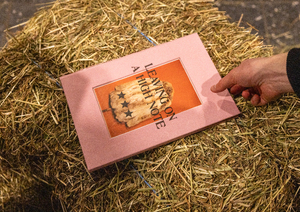
- "Leaving on a High Note" ist eine Reflexion über Schönheit und das Medium Buch. Die Arbeit bringt vielfältiges visuelles Material, von gescannten Fotografien und Kunstwerken über handgezeichnete Textilmuster bis hin zu in Auftrag gegebenen künstlerischen Beiträgen, zusammen. Als eine Art poetisches Moodboard geht das Projekt der Frage nach, wie sich Atmosphäre, Schönheit und visuelle Intuition durch Kuration im Zusammenspiel mit materiellen Entscheidungen formen lassen. Das Papier wurde akribisch gewählt, um die Betrachtung um eine haptische Ebene zu erweitern. Die Bindung durch den Rücken des Hardcovers verweist auf den konzeptuellen, redaktionellen und praktischen Prozess, der zum finalen Objekt geführt hat. Das Buch enthält künstlerische Beiträge von Alva Bücking sowie Zeichnungen von Charlotte Singer.
"Leaving on a High Note" wurde im Rahmen einer Ausstellung gezeigt, die die Stimmung des Buches in den Raum übertrug. Die Soirée fand am 17. Dezember 2025 im ZKM Pavillon in Karlsruhe statt und umfasste eine Installation und eine Chorperformance. Der Chor wurde von Leonie Inga Klopstock geleitet und mit von Anton Schüler designten Krägen ausgestattet.
- "Leaving on a High Note" ist eine Reflexion über Schönheit und das Medium Buch. Die Arbeit bringt vielfältiges visuelles Material, von gescannten Fotografien und Kunstwerken über handgezeichnete Textilmuster bis hin zu in Auftrag gegebenen künstlerischen Beiträgen, zusammen. Als eine Art poetisches Moodboard geht das Projekt der Frage nach, wie sich Atmosphäre, Schönheit und visuelle Intuition durch Kuration im Zusammenspiel mit materiellen Entscheidungen formen lassen. Das Papier wurde akribisch gewählt, um die Betrachtung um eine haptische Ebene zu erweitern. Die Bindung durch den Rücken des Hardcovers verweist auf den konzeptuellen, redaktionellen und praktischen Prozess, der zum finalen Objekt geführt hat. Das Buch enthält künstlerische Beiträge von Alva Bücking sowie Zeichnungen von Charlotte Singer.
- Beschreibung (en)
- "Leaving on a High Note" is a reflection on beauty as well as on bookmaking. It is a collection of diverse visual material ranging from scanned photography and artworks to hand-drawn textile patterns and commissioned artistic contributions. It functions as a poetic moodboard, exploring how atmosphere, beauty and visual intuition can be shaped through curation and material decisions. The paper was chosen meticulously in order to introduce a refined tactile experience to the act of viewing. The work is bound with thread punched through the hardcover spine, referencing the conceptual, editorial and practical process that led to the final object. The book includes commissioned work by Alva Bücking as well as drawings by Charlotte Singer.
"Leaving on a High Note" was shown in an exhibition that translated the book’s mood into the space. The soirée took place at the ZKM Pavillon in Karlsruhe on December 17, 2025 and featured an installation alongside a choir performance. The choir was conducted by Leonie Inga Klopstock and outfitted with collars by Anton Schüler.
- "Leaving on a High Note" is a reflection on beauty as well as on bookmaking. It is a collection of diverse visual material ranging from scanned photography and artworks to hand-drawn textile patterns and commissioned artistic contributions. It functions as a poetic moodboard, exploring how atmosphere, beauty and visual intuition can be shaped through curation and material decisions. The paper was chosen meticulously in order to introduce a refined tactile experience to the act of viewing. The work is bound with thread punched through the hardcover spine, referencing the conceptual, editorial and practical process that led to the final object. The book includes commissioned work by Alva Bücking as well as drawings by Charlotte Singer.
- Kategorie
- Typ des Projekts/Werks
- Schlagworte
- Datierung
- 17.12.2025
- Mitwirkende
- Dank an
- Paul Bailey
- Vincent Carl Becher
- Alva Bücking
- Rahel Diederich
- Till Engelhardt
- Marie Faaß
- Line-Gry Hørup
- Dans Jirgensons
- Tobias Keilbach
- Leonie Inga Klopstock
- Susanne Kriemann
- Ida Kuczewski
- Barbara Kuon
- Isabel Motz
- Tereza Ruller
- Luis Rüttiger
- Jana Schmeckenbecher
- Anton Schüler
- Isabel Seiffert
- Moritz Kamil Simon
- Charlotte Singer
- Lilith Stumpf
- Pierre Zimmer
- Petra Zimmermann
- HfG Chor
- Sprache
- Ort: Institution
- Stadt
- Land
- Titel
- Leaving on a High Note
- Projektleiter/in
- Semester
- Studiengang
- Typ der Abschlussarbeit
- Importiert am
- 05.01.2026
- Übergeordnete Sets
- 2
- Set enthält
- 0 10
The Violent Container
Name that can easily go onto 2 lines
Author that can easily go onto 2 lines as well
- Titel
- The Violent Container
- Titel (en)
- The Violent Container
- Untertitel
- Exhibition and handbook
- Untertitel des Projekts/Werks (en)
- Exhibition and handbook
- Autor/in
- Beschreibung (de)
- „The Violent Container“ konzentriert sich auf das kulturelle Phänomen des Käfigs und das Einsperren als Praxis, um Objekte oder Körper einzuschließen, zu kategorisieren, einzuschränken und sich anzueignen – sowie als Mittel, um sie zu sammeln, zu schätzen, zu bewahren und zu schützen.
Das Projekt umfasst eine Ausstellung und eine Publikation, die die verschiedenen Eigenschaften und Funktionen der sich wandelnden Formen des Käfigs untersuchen und dabei erforschen, wie Käfige nicht nur die Verwaltung lebender oder toter Körper und Objekte ermöglichen, sondern auch die Art und Weise bestimmen, wie wir sie wahrnehmen.
- „The Violent Container“ konzentriert sich auf das kulturelle Phänomen des Käfigs und das Einsperren als Praxis, um Objekte oder Körper einzuschließen, zu kategorisieren, einzuschränken und sich anzueignen – sowie als Mittel, um sie zu sammeln, zu schätzen, zu bewahren und zu schützen.
- Beschreibung (en)
- "The Violent Container" focuses on the cultural phenomenon of the cage, and caging as a practice to contain, categorise, restrict, and appropriate objects or bodies – as well as a tool to collect, treasure, preserve, and protect them.
The project comprises an exhibition and a publication that examine the various properties and functions of the cage’s shifting forms, exploring how cages not only enable the administration of living or dead bodies and objects, but also govern the ways in which we perceive them.
- "The Violent Container" focuses on the cultural phenomenon of the cage, and caging as a practice to contain, categorise, restrict, and appropriate objects or bodies – as well as a tool to collect, treasure, preserve, and protect them.
- Kategorie
- Typ des Projekts/Werks
- Schlagworte
- Mitwirkende
- Ort
- Rheinstetten, Karlsruhe
- Titel
- The Violent Container
- Untertitel
- Exhibition and handbook
- Projektleiter/in
- Semester
- Studiengang
- Typ der Abschlussarbeit
- Importiert am
- 21.09.2025
- Übergeordnete Sets
- 4
- Set enthält
- 0 14
rethinking public space
Name that can easily go onto 2 lines
Author that can easily go onto 2 lines as well
- Titel
- rethinking public space
- Titel (en)
- rethinking public space
- Autor/in
- Beschreibung (de)
- „rethinking public space“ ist ein Projekt, das sich mit Street-Skating und Skate-Kultur befasst und untersucht, wie Skateboarder öffentliche Räume neudenken und umgestalten können.
Das Projekt besteht aus einer Publikation mit Fotos von Street-Skate-Spots und Interviews. Es enthält ein Interview mit der Stadt Stuttgart, über den Bau von Skateparks, DIY-Parks und Skate-Stoppern, und ein zweites Interview mit einem Skateboarder und Content Creator aus San Diego, der über die Skate-Kultur, ihre Beziehung zur Öffentlichkeit und die kreativen Wege spricht, mit denen Skateboarder Herausforderungen überwinden.
Die Publikation funktioniert wie ein Daumenkino, das alle Skate-Spots aus dem gleichen Blickwinkel zeigt und die Bewegung des Grindens durch sie hindurch nachahmt, unterbrochen nur durch Skate-Stopper-Seiten. Darauf folgen die Interviews.
Die Publikation ist in ein mit Wachs versiegeltes, siebgedrucktes Stoffband mit dem Namen der Publikation eingewickelt.
Weitere Wachsbänder, die jeweils einen Auszug aus einem der Interviews zeigen, sind über die gesamte Ausstellung verteilt.
Ein weiteres Element des Projekts auf Wachsbasis sind die Skatestopper-Wachsrepliken, die den Skatestoppern in Karlsruhe nachempfunden sind und das Skateboarden ermöglichen, anstatt es zu verhindern.
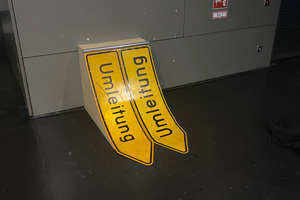
Begleitend zur Publikation gibt es eine Rampe aus alten Straßenschildern und Holzabfällen sowie eine Rail aus einem alten Rutschen-Seitenteil. Diese Elemente sind eine Hommage an DIY-Skate-Spots und nutzen kostengünstige, leicht verfügbare Ressourcen.
- „rethinking public space“ ist ein Projekt, das sich mit Street-Skating und Skate-Kultur befasst und untersucht, wie Skateboarder öffentliche Räume neudenken und umgestalten können.
- Beschreibung (en)
- 'rethinking public space' is a project focusing on street skating and skate culture, as well as exploring how skateboarders can reuse and reshape public spaces.
The project consists of a publication containing photographs of street skate spots and interviews. There is one interview with a city official talking about the process of building skate parks, DIY parks and skate stoppers, and a second interview with a skateboarder and content creator from San Diego talking about skate culture, its relationship with the public, and the creative ways skateboarders overcome obstacles.
The publication functions as a flipbook, showing all the skate spots from the same angle and emulating the motion of grinding through them, interrupted only by skate stopper pages. These are followed by the interviews.
The publication is wrapped in a wax-sealed, screen-printed cloth band bearing the publication's name.
More wax bands, each showcasing an excerpt from one of the interviews, are spread throughout the exhibition.
Another wax-based element of the project is the skatestopper wax replicas, modelled on those found in Karlsruhe, which enable skateboarding rather than prevent it.
Accompanying the publication is a ramp made from scrap street signs and discarded wood, as well as a rail made from an old slide side piece. These elements pay homage to DIY skate spots and utilise affordable, readily available resources.
- 'rethinking public space' is a project focusing on street skating and skate culture, as well as exploring how skateboarders can reuse and reshape public spaces.
- Kategorie
- Typ des Projekts/Werks
- Schlagworte
- Datierung
- 02.07.2025
- Dank an
- Sprache
- Material
- Technik/Verfahren/Formate
- Siebdruck, Lumbecken, Folienplott,
- Abmessungen
- Breite: 195mm, Höhe: 140mm
- Ort: Institution
- Ort
- Unter der Lichtbrücke
- Stadt
- Land
- Titel
- rethinking public space
- Projektleiter/in
- Semester
- Studiengang
- Typ der Abschlussarbeit
- Importiert am
- 21.07.2025
- Übergeordnete Sets
- 1
- Set enthält
- 3 0
Approaching X
Name that can easily go onto 2 lines
Author that can easily go onto 2 lines as well
- Titel
- Approaching X
- Autor/in
- Beschreibung (en)
- What is X anyway? What does X mean to me and what does it mean to others? Where is X used and what do we see in it? What do we project onto X? Do we need to define X?
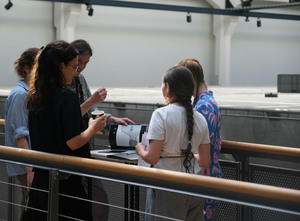
This projects goal was to find an approach to what the letter, the symbol, the figure X means to different people. Starting out as obsession with seeing the pattern of three Xes everywhere in my daily life , this work led to a collection of the meanings that X might or might not inherit and is an Invite to look for the pattern as well. I present my current approach to the theme of X; trying to find a way of connecting different ideas into a pattern. It runs through my life—and really through all of ours—and I share my perspective with the viewer. In my exhibition, I captured my exploration in 22 posters and a 130-page publication.
- What is X anyway? What does X mean to me and what does it mean to others? Where is X used and what do we see in it? What do we project onto X? Do we need to define X?
- Kategorie
- Typ des Projekts/Werks
- Schlagworte
- Datierung
- 02.07.2025
- Dank an
- Sprache
- Material
- Technik/Verfahren/Formate
- Lumbeck-Verfahren,
- Abmessungen
- 594X420
- Ort: Institution
- Ort
- Der Gang neben der PD-Sauna und dem Glaskubus im 2.OG, ebenfalls die Brücke zum ZKM im 2.OG
- Stadt
- Land
- Bemerkungen
- Dieses Projekt besteht teils aus eigenen, teils aus mir zugesendeten Bildern, deren Rechte mir übertragen wurden
- Titel
- Approaching X
- Importiert am
- 21.07.2025
- Übergeordnete Sets
- 0
- Set enthält
- 2 18
In Defense of Mis Caprichos
Name that can easily go onto 2 lines
Author that can easily go onto 2 lines as well
- Titel
- In Defense of Mis Caprichos
- Untertitel
- When someone says you canʼt do something. Do it twice, and take pictures.
- Autor/in
- Beschreibung (de)
- "In Defense of Mis Caprichos" ist eine multimediale Ausstellung, die auf einem selbst kuratierten Archiv von 140 gefundenen und eigenen Bildern basiert. Sie setzt sich mit der vernakulären Bildsprache Lateinamerikas auseinander – von Memes und persönlichen Fotos bis zu Screenshots. Viele Bilder sind durch digitale Verbreitung nur in niedriger Auflösung erhalten und spiegeln so die visuelle Textur des Internets wider. Sie vermitteln eine Sensibilität, die sich nicht erklären lässt, sondern sich durch Stimmung, Ton und Wiederholung entfaltet. Viele der Bilder stammen aus oder zeigen Kontexte des Globalen Südens und verstehen sich als Hommage an dortige alltägliche, informelle Gesten. Zusammen bilden sie eine visuelle Sprache, die intim, vielschichtig, instabil und oft humorvoll ist.
Das Projekt bezieht sich auf Hal Fosters Aufsatz "An Archival Impulse", der das Archivieren als künstlerische Praxis versteht und Fragmentierung der Kohärenz vorzieht – zentrale Konzepte für dieses sich stetig wandelnde Archiv. Daraus wurden zehn künstlerische Objekte entwickelt, die die Skurrilitäten der Sammlung erfassen: Repliken, Performances oder hybride Assemblagen. Ihre Logik beruht auf Aneignung, Kopie und Transformation – im Sinne Byung-Chul Hans, der Replikation als kreative Strategie für neue Bedeutungen begreift.
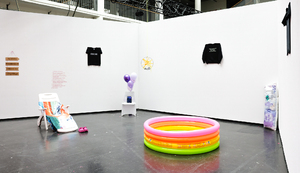
Einige Werke greifen konkrete Bilder auf: Eine Performance, bei der ein Plastikpool auf einem Motorrad transportiert wird, bezieht sich auf ein Archivbild. Ein anderes verwandelt einen falsch übersetzten Tweet in ein dekoratives Holzschild. Ein drittes ist ein Traumfänger aus gelber Unterwäsche – inspiriert von einem kolumbianischen Neujahrsbrauch, wonach gelbe Unterwäsche Glück bringen soll.
Ein zentrales Element ist eine Videoarbeit, die das gesamte Archiv in Endlosschleife zeigt, begleitet von Texten aus unterschiedlichen Quellen: akademisch, persönlich oder aus sozialen Medien. Die Anordnung ist nicht erklärend, sondern atmosphärisch. Die Ausstellung schafft einen hierarchiefreien Raum, der Intuition, spielerische Ernsthaftigkeit und visuelle Alltagskulturen in den Mittelpunkt stellt.
- "In Defense of Mis Caprichos" ist eine multimediale Ausstellung, die auf einem selbst kuratierten Archiv von 140 gefundenen und eigenen Bildern basiert. Sie setzt sich mit der vernakulären Bildsprache Lateinamerikas auseinander – von Memes und persönlichen Fotos bis zu Screenshots. Viele Bilder sind durch digitale Verbreitung nur in niedriger Auflösung erhalten und spiegeln so die visuelle Textur des Internets wider. Sie vermitteln eine Sensibilität, die sich nicht erklären lässt, sondern sich durch Stimmung, Ton und Wiederholung entfaltet. Viele der Bilder stammen aus oder zeigen Kontexte des Globalen Südens und verstehen sich als Hommage an dortige alltägliche, informelle Gesten. Zusammen bilden sie eine visuelle Sprache, die intim, vielschichtig, instabil und oft humorvoll ist.
- Beschreibung (en)
- In Defense of Mis Caprichos is a multimedia exhibition based in a self-curated archive of 140 found and self-produced images that reflect the vernacular visual language of Latin America. These images—ranging from memes and personal photographs to screenshots— carry a distinct sensibility: one that resists explanation and instead unfolds through mood, tone, and repetition. Often low in resolution due to constant digital circulation, the images reflect the visual texture of the internet. Many celebrate vernacular and informal gestures, circulating quickly across digital platforms to form a visual language that is intimate, layered, unstable, and often humorous.
The work draws on Hal Foster’s An Archival Impulse, where archiving is seen as an artistic practice and a preference for fragmentation over coherence reflects a deliberate artistic strategy.
From this archive, ten objects were developed, each guided by a specific premise. Some take the form of replicas, others of performances or hybrid assemblages. These objects operate as attempts to “grasp” the underlying sensibility of the archive. Their logic often draws on the aesthetics of appropriation, copying, and transformation—resonating with Byung-Chul Han’s Shanzhai: Deconstruction in Chinese, where copying and sampling are understood as creative strategies capable of generating new meaning.
A second core component of the exhibition is a video slideshow that presents the full image archive in a loop. The video has no beginning and no end, as it is conceived as a work in progress—the archive is constantly evolving. Each image is accompanied by 1–2 lines of text drawn from diverse sources: academic texts, social media posts, and personal writings. The arrangement is not explanatory but atmospheric, evoking how Susan Sontag, in Notes on Camp, approaches a sensibility not through linear explanation but through curation and juxtaposition.
In Defense of Mis Caprichos does not seek resolution or synthesis. Instead, it inhabits a space of connection without hierarchy. It is an argument for intuition, for playful seriousness, and for honoring the seemingly trivial gestures we encounter every day.
- In Defense of Mis Caprichos is a multimedia exhibition based in a self-curated archive of 140 found and self-produced images that reflect the vernacular visual language of Latin America. These images—ranging from memes and personal photographs to screenshots— carry a distinct sensibility: one that resists explanation and instead unfolds through mood, tone, and repetition. Often low in resolution due to constant digital circulation, the images reflect the visual texture of the internet. Many celebrate vernacular and informal gestures, circulating quickly across digital platforms to form a visual language that is intimate, layered, unstable, and often humorous.
- Kategorie
- Typ des Projekts/Werks
- Schlagworte
- Dank an
- Sprache
- Material
- Technik/Verfahren/Formate
- Diashow / Skulptur / Performance
- Ort: Institution
- Ort
- Lichthof 4
- Stadt
- Land
- Titel
- In Defense of Mis Caprichos
- Untertitel
- When someone says you canʼt do something. Do it twice, and take pictures.
- Projektleiter/in
- Semester
- Studiengang
- Typ der Abschlussarbeit
- Importiert am
- 27.06.2025
- Übergeordnete Sets
- 2
- Set enthält
- 4 2
Emil
Name that can easily go onto 2 lines
Author that can easily go onto 2 lines as well
- Titel
- Emil
- Titel (en)
- Emil
- Untertitel
- Typografie als Medium historischer Sichtbarkeit
- Untertitel des Projekts/Werks (en)
- A typographic revival reflecting historical erasure
- Autor/in
- Beschreibung (de)
- „Emil” ist ein Diplomprojekt, das die Rolle der Typografie im Umgang mit Erinnerung, Verdrängung und historischen Brüchen untersucht. Im Mittelpunkt stehen die Lebens- und Werkgeschichten jüdischer Gestalter:innen während des Nationalsozialismus, darunter Elizabeth Friedländer und Lucian Bernhard (geb. Emil Kahn).
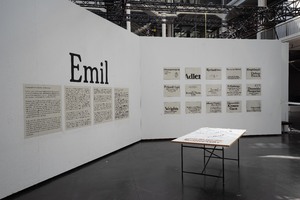
Ein zentrales Element des Projekts ist das Revival der Bernhard Antiqua von Lucian Bernhard. Die Schrift wurde für die zeitgenössische Nutzung digital neu interpretiert und prägt die gesamte visuelle Ebene des Projekts – von der Plakatserie über die Ausstellungsgestaltung bis hin zur Vortragspräsentation. So wird Typografie zum Untersuchungsgegenstand und zum gestalterischen Werkzeug der Erinnerung.
Für Julian Jaffé, Nachfahre einer jüdischen Familie, die im Nationalsozialismus ins Exil gezwungen wurde, ist "Emil" nicht nur ein typografisches Projekt, sondern auch ein persönlicher Akt des Erinnerns.
- „Emil” ist ein Diplomprojekt, das die Rolle der Typografie im Umgang mit Erinnerung, Verdrängung und historischen Brüchen untersucht. Im Mittelpunkt stehen die Lebens- und Werkgeschichten jüdischer Gestalter:innen während des Nationalsozialismus, darunter Elizabeth Friedländer und Lucian Bernhard (geb. Emil Kahn).
- Beschreibung (en)
- Emil is a diploma project that examines the role of typography in dealing with memory, repression and historical ruptures. It focuses on the lives and works of Jewish designers during National Socialism, including Elizabeth Friedländer and Lucian Bernhard (born Emil Kahn).
A central element of the project is the revival of Bernhard Antiqua by Lucian Bernhard. The font has been digitally reinterpreted for contemporary use and shapes the entire visual level of the project – from the poster series to the exhibition design and lecture presentation. In this way, typography becomes both the subject of investigation and a creative tool of remembrance.
For Julian Jaffé, a descendant of a Jewish family forced into exile during the Nazi era, ‘Emil’ is not only a typographic project, but also a personal act of remembrance.
- Emil is a diploma project that examines the role of typography in dealing with memory, repression and historical ruptures. It focuses on the lives and works of Jewish designers during National Socialism, including Elizabeth Friedländer and Lucian Bernhard (born Emil Kahn).
- Kategorie
- Schlagworte
- Dank an
- Technik/Verfahren/Formate
- Typografie
- Titel
- Emil
- Untertitel
- Typografie als Medium historischer Sichtbarkeit
- Projektleiter/in
- Semester
- Studiengang
- Typ der Abschlussarbeit
- Importiert am
- 26.06.2025
- Übergeordnete Sets
- 2
- Set enthält
- 0 13