Medieneinträge
4391 Inhalte
- Seite 1 von 366
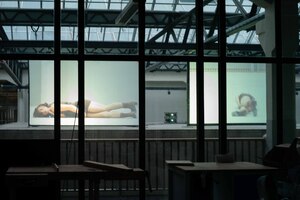
no wind no word
Name that can easily go onto 2 lines
Author that can easily go onto 2 lines as well
- Titel
- no wind no word
- Autor/in
- Schlagworte
- Datierung
- 17.12.25
- Titel
- no wind no word
- Titel (en)
- no wind no word
- Urheberrechtshinweis
- © Mia Ferrari
- Rechtsschutz/Lizenz
- Freigabe Nutzung HfG
- Medienersteller/in
- Beziehung/Funktion
- Abgebildete Personen
- Alternativ-Text (de)
- Drei große Bildschirme an einer dunklen Wand zeigen Aufnahmen einer tanzenden Person in verschiedenen Einstellungen. Jeder Bildschirm präsentiert einen anderen Kamerawinkel derselben Bewegung. Über den Bildschirmen befindet sich eine Metallkonstruktion mit vielen Glaselementen, die natürliches Licht hereinlässt.
- Alternativ-Text (en)
- Three large screens mounted on a dark wall display footage of a dancing person from different angles. Each screen shows a different camera perspective of the same movement. Above the screens is a metal structure with many glass elements letting in natural light.
- Projektleiter/in
- Semester
- Studiengang
- Typ der Abschlussarbeit
- Importiert am
- 28.06.2026
- Übergeordnete Sets
- 1
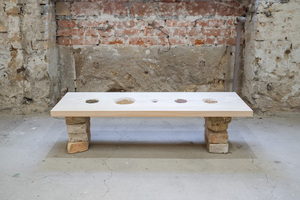
Saatgut von der roten Liste für bedrohte Nutzpflanzen
Name that can easily go onto 2 lines
Author that can easily go onto 2 lines as well
- Titel
- Saatgut von der roten Liste für bedrohte Nutzpflanzen
- Autor/in
- Titel
- Saatgut von der roten Liste für bedrohte Nutzpflanzen
- Urheberrechtshinweis
- © Laura Waterstradt
- Rechtsschutz/Lizenz
- Beziehung/Funktion
- Projektleiter/in
- Semester
- Studiengang
- Typ der Abschlussarbeit
- Importiert am
- 28.06.2026
- Übergeordnete Sets
- 1
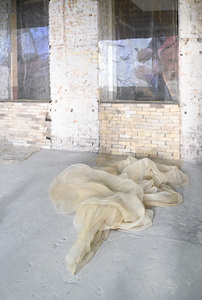
Videoinstallation
Name that can easily go onto 2 lines
Author that can easily go onto 2 lines as well
- Titel
- Videoinstallation
- Autor/in
- Titel
- Videoinstallation
- Urheberrechtshinweis
- © Laura Waterstradt
- Rechtsschutz/Lizenz
- Beziehung/Funktion
- Medien-Beschreibung
- 2-Kanal-Videoinstallation, 19:51min
- Projektleiter/in
- Semester
- Studiengang
- Typ der Abschlussarbeit
- Importiert am
- 28.06.2026
- Übergeordnete Sets
- 1
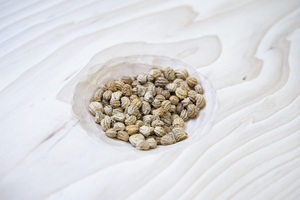
Tropaeolum majus nanum - Kapuzinerkresse
Name that can easily go onto 2 lines
Author that can easily go onto 2 lines as well
- Titel
- Tropaeolum majus nanum - Kapuzinerkresse
- Autor/in
- Titel
- Tropaeolum majus nanum - Kapuzinerkresse
- Urheberrechtshinweis
- © Laura Waterstradt
- Rechtsschutz/Lizenz
- Beziehung/Funktion
- Projektleiter/in
- Semester
- Studiengang
- Typ der Abschlussarbeit
- Importiert am
- 28.06.2026
- Übergeordnete Sets
- 1
8-Kanal-Soundinstallation
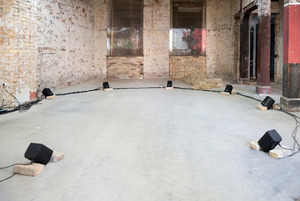
Name that can easily go onto 2 lines
Author that can easily go onto 2 lines as well
- Titel
- 8-Kanal-Soundinstallation
- Autor/in
- Titel
- 8-Kanal-Soundinstallation
- Urheberrechtshinweis
- © Laura Waterstradt
- Rechtsschutz/Lizenz
- Beziehung/Funktion
- Medien-Beschreibung
- 7:11min
- Projektleiter/in
- Semester
- Studiengang
- Typ der Abschlussarbeit
- Importiert am
- 28.06.2026
- Übergeordnete Sets
- 1
Späths Alblinse II, 6 Wochen alt
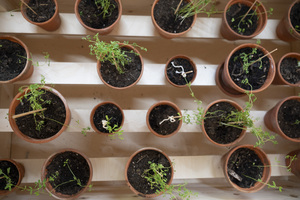
Name that can easily go onto 2 lines
Author that can easily go onto 2 lines as well
- Titel
- Späths Alblinse II, 6 Wochen alt
- Autor/in
- Titel
- Späths Alblinse II, 6 Wochen alt
- Urheberrechtshinweis
- © Laura Waterstradt
- Rechtsschutz/Lizenz
- Beziehung/Funktion
- Projektleiter/in
- Semester
- Studiengang
- Typ der Abschlussarbeit
- Importiert am
- 28.06.2026
- Übergeordnete Sets
- 1
Sound Installation
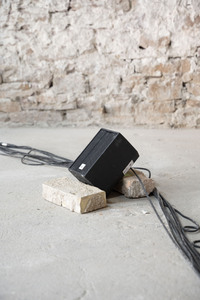
Name that can easily go onto 2 lines
Author that can easily go onto 2 lines as well
- Titel
- Sound Installation
- Autor/in
- Titel
- Sound Installation
- Urheberrechtshinweis
- © Laura Waterstradt
- Rechtsschutz/Lizenz
- Beziehung/Funktion
- Projektleiter/in
- Semester
- Studiengang
- Typ der Abschlussarbeit
- Importiert am
- 28.06.2026
- Übergeordnete Sets
- 1
Titelblatt
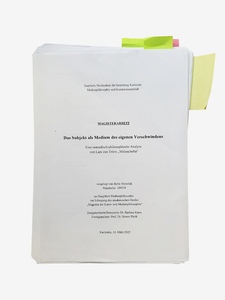
Name that can easily go onto 2 lines
Author that can easily go onto 2 lines as well
- Titel
- Titelblatt
- Titel
- Titelblatt
- Titel (en)
- Title page
- Urheberrechtshinweis
- © Beria Altinoluk
- Rechtsschutz/Lizenz
- Medienersteller/in
- Beziehung/Funktion
- Importiert am
- 28.06.2026
- Übergeordnete Sets
- 1
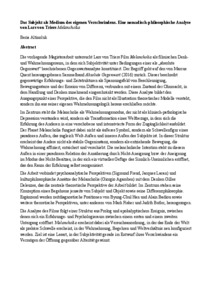
Abstract
Name that can easily go onto 2 lines
Author that can easily go onto 2 lines as well
- Titel
- Abstract
- Titel
- Abstract
- Titel (en)
- Abstract
- Urheberrechtshinweis
- © Beria Altinoluk
- Rechtsschutz/Lizenz
- Medienersteller/in
- Beziehung/Funktion
- Importiert am
- 28.06.2026
- Übergeordnete Sets
- 1
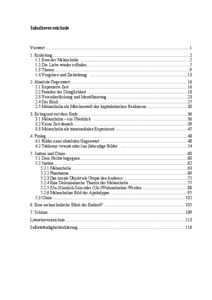
Inhaltsverzeichnis
Name that can easily go onto 2 lines
Author that can easily go onto 2 lines as well
- Titel
- Inhaltsverzeichnis
- Titel
- Inhaltsverzeichnis
- Titel (en)
- Table of contents
- Urheberrechtshinweis
- © Beria Altinoluk
- Rechtsschutz/Lizenz
- Medienersteller/in
- Beziehung/Funktion
- Importiert am
- 28.06.2026
- Übergeordnete Sets
- 1
The Arbiter, video excerpt
Name that can easily go onto 2 lines
Author that can easily go onto 2 lines as well
- Titel
- The Arbiter, video excerpt
- Autor/in
- Titel
- The Arbiter, video excerpt
- Urheberrechtshinweis
- © Anna Manankina
- Rechtsschutz/Lizenz
- Medien-Beschreibung
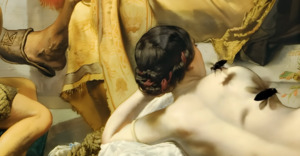
- In this project, I examine how the male gaze is built within AI systems content moderation , where censorship and sexualization coexist. Drawing from Anselm Feuerbach’s 1852 painting Hafis vor der Schenke, depicting the poet Hafez and two silent women, the work poses the question: if freed from spectatorship, what voices might they reveal? This two-channel video installation reimagines the scene through AI video generation and live narration. Referencing Valerie Solanas’s S.C.U.M. Manifesto, it reflects on how Gen-AI, governed by moral bias, mirrors a patriarchal worldview - still defining what is visible and what must remain unseen.
- Projektleiter/in
- Lehrveranstaltung
- Importiert am
- 28.06.2026
- Übergeordnete Sets
- 1
The Arbiter, video excerpt
Name that can easily go onto 2 lines
Author that can easily go onto 2 lines as well
- Titel
- The Arbiter, video excerpt
- Autor/in
- Titel
- The Arbiter, video excerpt
- Urheberrechtshinweis
- © Anna Manankina
- Rechtsschutz/Lizenz
- Medien-Beschreibung (en)
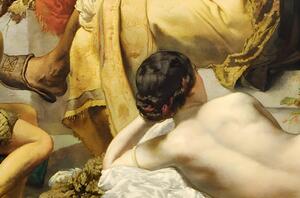
- In this project, I examine how the male gaze is built within AI systems content moderation , where censorship and sexualization coexist. Drawing from Anselm Feuerbach’s 1852 painting Hafis vor der Schenke, depicting the poet Hafez and two silent women, the work poses the question: if freed from spectatorship, what voices might they reveal? This two-channel video installation reimagines the scene through AI video generation and live narration. Referencing Valerie Solanas’s S.C.U.M. Manifesto, it reflects on how Gen-AI, governed by moral bias, mirrors a patriarchal worldview - still defining what is visible and what must remain unseen.
- Projektleiter/in
- Lehrveranstaltung
- Importiert am
- 28.06.2026
- Übergeordnete Sets
- 1