"Alle Rechte vorbehalten"
| Begriff | Alle Rechte vorbehalten |
| Metakey | Rechtsschutz/Lizenz (rights:licence) |
| Typ | Keyword |
| Vokabular | Rechte |
2373 Inhalte
- Seite 1 von 198
Pp
Name that can easily go onto 2 lines
Author that can easily go onto 2 lines as well
- Titel
- Pp
- Schlagworte
- Titel
- Pp
- Titel (en)
- Pp
- Urheberrechtshinweis
- © Hoin Ji
- Rechtsschutz/Lizenz
- Freigabe Nutzung HfG
- Medienersteller/in
- Medien-Beschreibung
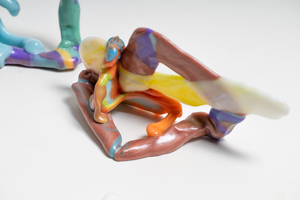
- Pp 1-8, air 1-4 und dust 1-2, frühe Instrumente und Polymer-Gemälde, bei denen ich keinen überzeugenden Grund fand, weiterhin traditionelle Materialien zu verwenden. Also entschied ich mich, sie stattdessen mit PCL und PLA zu schaffen.
Die oben genannten Arbeiten sind das Ergebnis eines Instrumentenbaus durch DIY-Praxis und Open-Source-Dateien aus dem Internet, indem die Illusion der klassistischen Form geschmolzen, vermischt und in biologisch abbaubare Polymere gegossen wurde, nicht nur mit der Hand, sondern auch mit dem 3D-Drucker. Eine besondere Qualifikation ist für die Herstellung nicht nötig. Die Bauanleitungen für diese DIY-Instrumente werden während der Ausstellung und auf der Website zur Verfügung gestellt.
- Pp 1-8, air 1-4 und dust 1-2, frühe Instrumente und Polymer-Gemälde, bei denen ich keinen überzeugenden Grund fand, weiterhin traditionelle Materialien zu verwenden. Also entschied ich mich, sie stattdessen mit PCL und PLA zu schaffen.
- Medien-Beschreibung (en)
- Pp 1-9, air 1-4, and dust 1-2, early-made instruments and polymer paintings which I found no compelling reason to continue using traditional materials, and so I ended up creating them with PCL and PLA.
The above instruments and paintings are the result of instrument-making through DIY-ness and open-source files from the internet by melting, merging, and mixing the illusion of classism's shape into biodegradable polymers, not only with a hand, but also with a 3D printer. However, any sacred qualification to make is not needed. DIY instructions for these DIY instruments are distributed at the exhibition and website.
- Pp 1-9, air 1-4, and dust 1-2, early-made instruments and polymer paintings which I found no compelling reason to continue using traditional materials, and so I ended up creating them with PCL and PLA.
- Projektleiter/in
- Semester
- Studiengang
- Typ der Abschlussarbeit
- Importiert am
- 14.07.2025
- Übergeordnete Sets
- 1
trophy 3
Name that can easily go onto 2 lines
Author that can easily go onto 2 lines as well
- Titel
- trophy 3
- Schlagworte
- Titel
- trophy 3
- Urheberrechtshinweis
- © Hoin Ji
- Rechtsschutz/Lizenz
- Freigabe Nutzung HfG
- Medienersteller/in
- Beziehung/Funktion
- Medien-Beschreibung
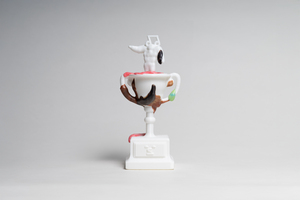
- Eine Trophäe, die ein Gefüge aus wirtschaftlichen Barrieren, kulturellen Hierarchien und neoliberalen Werten bezeichnet, wird nicht zum Symbol von Leistung, sondern von Ausgrenzung.
- Medien-Beschreibung (en)
- A trophy, which refers to a system that, by intertwining economic barriers, cultural hierarchies, and neoliberal values, turns the trophy into a symbol not of achievement, but of exclusion.
- Projektleiter/in
- Semester
- Studiengang
- Typ der Abschlussarbeit
- Importiert am
- 29.06.2025
- Übergeordnete Sets
- 1
Pp
Name that can easily go onto 2 lines
Author that can easily go onto 2 lines as well
- Titel
- Pp
- Schlagworte
- Titel
- Pp
- Titel (en)
- Pp
- Urheberrechtshinweis
- © Hoin Ji
- Rechtsschutz/Lizenz
- Freigabe Nutzung HfG
- Medienersteller/in
- Medien-Beschreibung
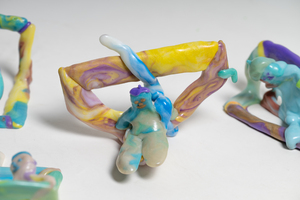
- Pp 1-8, air 1-4 und dust 1-2, frühe Instrumente und Polymer-Gemälde, bei denen ich keinen überzeugenden Grund fand, weiterhin traditionelle Materialien zu verwenden. Also entschied ich mich, sie stattdessen mit PCL und PLA zu schaffen.
Die oben genannten Arbeiten sind das Ergebnis eines Instrumentenbaus durch DIY-Praxis und Open-Source-Dateien aus dem Internet, indem die Illusion der klassistischen Form geschmolzen, vermischt und in biologisch abbaubare Polymere gegossen wurde, nicht nur mit der Hand, sondern auch mit dem 3D-Drucker. Eine besondere Qualifikation ist für die Herstellung nicht nötig. Die Bauanleitungen für diese DIY-Instrumente werden während der Ausstellung und auf der Website zur Verfügung gestellt.
- Pp 1-8, air 1-4 und dust 1-2, frühe Instrumente und Polymer-Gemälde, bei denen ich keinen überzeugenden Grund fand, weiterhin traditionelle Materialien zu verwenden. Also entschied ich mich, sie stattdessen mit PCL und PLA zu schaffen.
- Medien-Beschreibung (en)
- Pp 1-9, air 1-4, and dust 1-2, early-made instruments and polymer paintings which I found no compelling reason to continue using traditional materials, and so I ended up creating them with PCL and PLA.
The above instruments and paintings are the result of instrument-making through DIY-ness and open-source files from the internet by melting, merging, and mixing the illusion of classism's shape into biodegradable polymers, not only with a hand, but also with a 3D printer. However, any sacred qualification to make is not needed. DIY instructions for these DIY instruments are distributed at the exhibition and website.
- Pp 1-9, air 1-4, and dust 1-2, early-made instruments and polymer paintings which I found no compelling reason to continue using traditional materials, and so I ended up creating them with PCL and PLA.
- Projektleiter/in
- Semester
- Studiengang
- Typ der Abschlussarbeit
- Importiert am
- 14.07.2025
- Übergeordnete Sets
- 1
button 1, button 2
Name that can easily go onto 2 lines
Author that can easily go onto 2 lines as well
- Titel
- button 1, button 2
- Schlagworte
- Titel
- button 1, button 2
- Urheberrechtshinweis
- © Hoin Ji
- Rechtsschutz/Lizenz
- Freigabe Nutzung HfG
- Medienersteller/in
- Medien-Beschreibung
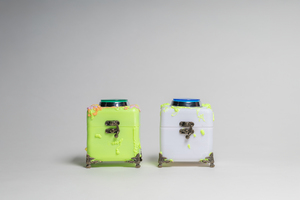
- Ein Knopf mit integriertem ESP32-Mikrocontroller. Er kann die Air-Serie aus der Ferne auslösen. Durch die Übergabe der Dirigiergewalt an das Publikum wird die bestehende Struktur unterlaufen.
- Medien-Beschreibung (en)
- A button with an integrated ESP32 microcontroller. It can remotely trigger the air series. By transferring the conducting authority to the audience, it subverts the established structure.
- Projektleiter/in
- Semester
- Studiengang
- Typ der Abschlussarbeit
- Importiert am
- 29.06.2025
- Übergeordnete Sets
- 1
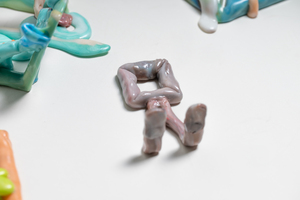
Pp
Name that can easily go onto 2 lines
Author that can easily go onto 2 lines as well
- Titel
- Pp
- Schlagworte
- Titel
- Pp
- Titel (en)
- Pp
- Urheberrechtshinweis
- © Hoin Ji
- Rechtsschutz/Lizenz
- Freigabe Nutzung HfG
- Medienersteller/in
- Medien-Beschreibung
- Pp 1-8, air 1-4 und dust 1-2, frühe Instrumente und Polymer-Gemälde, bei denen ich keinen überzeugenden Grund fand, weiterhin traditionelle Materialien zu verwenden. Also entschied ich mich, sie stattdessen mit PCL und PLA zu schaffen.
Die oben genannten Arbeiten sind das Ergebnis eines Instrumentenbaus durch DIY-Praxis und Open-Source-Dateien aus dem Internet, indem die Illusion der klassistischen Form geschmolzen, vermischt und in biologisch abbaubare Polymere gegossen wurde, nicht nur mit der Hand, sondern auch mit dem 3D-Drucker. Eine besondere Qualifikation ist für die Herstellung nicht nötig. Die Bauanleitungen für diese DIY-Instrumente werden während der Ausstellung und auf der Website zur Verfügung gestellt.
- Pp 1-8, air 1-4 und dust 1-2, frühe Instrumente und Polymer-Gemälde, bei denen ich keinen überzeugenden Grund fand, weiterhin traditionelle Materialien zu verwenden. Also entschied ich mich, sie stattdessen mit PCL und PLA zu schaffen.
- Medien-Beschreibung (en)
- Pp 1-9, air 1-4, and dust 1-2, early-made instruments and polymer paintings which I found no compelling reason to continue using traditional materials, and so I ended up creating them with PCL and PLA.
The above instruments and paintings are the result of instrument-making through DIY-ness and open-source files from the internet by melting, merging, and mixing the illusion of classism's shape into biodegradable polymers, not only with a hand, but also with a 3D printer. However, any sacred qualification to make is not needed. DIY instructions for these DIY instruments are distributed at the exhibition and website.
- Pp 1-9, air 1-4, and dust 1-2, early-made instruments and polymer paintings which I found no compelling reason to continue using traditional materials, and so I ended up creating them with PCL and PLA.
- Projektleiter/in
- Semester
- Studiengang
- Typ der Abschlussarbeit
- Importiert am
- 14.07.2025
- Übergeordnete Sets
- 1
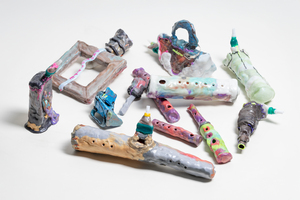
air 1-10, air Pp 1
Name that can easily go onto 2 lines
Author that can easily go onto 2 lines as well
- Titel
- air 1-10, air Pp 1
- Schlagworte
- Titel
- air 1-10, air Pp 1
- Urheberrechtshinweis
- © Hoin Ji
- Rechtsschutz/Lizenz
- Freigabe Nutzung HfG
- Medienersteller/in
- Medien-Beschreibung
- Atypische DIY-Flöten.
- Medien-Beschreibung (en)
- Atypical DIY flutes.
- Projektleiter/in
- Semester
- Studiengang
- Typ der Abschlussarbeit
- Importiert am
- 29.06.2025
- Übergeordnete Sets
- 1
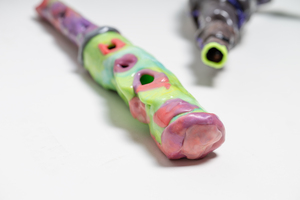
air
Name that can easily go onto 2 lines
Author that can easily go onto 2 lines as well
- Titel
- air
- Schlagworte
- Titel
- air
- Titel (en)
- air
- Urheberrechtshinweis
- © Hoin Ji
- Rechtsschutz/Lizenz
- Freigabe Nutzung HfG
- Medienersteller/in
- Medien-Beschreibung
- Pp 1-8, air 1-4 und dust 1-2, frühe Instrumente und Polymer-Gemälde, bei denen ich keinen überzeugenden Grund fand, weiterhin traditionelle Materialien zu verwenden. Also entschied ich mich, sie stattdessen mit PCL und PLA zu schaffen.
Die oben genannten Arbeiten sind das Ergebnis eines Instrumentenbaus durch DIY-Praxis und Open-Source-Dateien aus dem Internet, indem die Illusion der klassistischen Form geschmolzen, vermischt und in biologisch abbaubare Polymere gegossen wurde, nicht nur mit der Hand, sondern auch mit dem 3D-Drucker. Eine besondere Qualifikation ist für die Herstellung nicht nötig. Die Bauanleitungen für diese DIY-Instrumente werden während der Ausstellung und auf der Website zur Verfügung gestellt.
- Pp 1-8, air 1-4 und dust 1-2, frühe Instrumente und Polymer-Gemälde, bei denen ich keinen überzeugenden Grund fand, weiterhin traditionelle Materialien zu verwenden. Also entschied ich mich, sie stattdessen mit PCL und PLA zu schaffen.
- Medien-Beschreibung (en)
- Pp 1-9, air 1-4, and dust 1-2, early-made instruments and polymer paintings which I found no compelling reason to continue using traditional materials, and so I ended up creating them with PCL and PLA.
The above instruments and paintings are the result of instrument-making through DIY-ness and open-source files from the internet by melting, merging, and mixing the illusion of classism's shape into biodegradable polymers, not only with a hand, but also with a 3D printer. However, any sacred qualification to make is not needed. DIY instructions for these DIY instruments are distributed at the exhibition and website.
- Pp 1-9, air 1-4, and dust 1-2, early-made instruments and polymer paintings which I found no compelling reason to continue using traditional materials, and so I ended up creating them with PCL and PLA.
- Projektleiter/in
- Semester
- Studiengang
- Typ der Abschlussarbeit
- Importiert am
- 14.07.2025
- Übergeordnete Sets
- 1
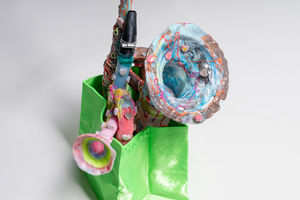
air 11-13, Biomüllbeutel
Name that can easily go onto 2 lines
Author that can easily go onto 2 lines as well
- Titel
- air 11-13, Biomüllbeutel
- Schlagworte
- Titel
- air 11-13, Biomüllbeutel
- Urheberrechtshinweis
- © Hoin ji
- Rechtsschutz/Lizenz
- Freigabe Nutzung HfG
- Medienersteller/in
- Medien-Beschreibung
- Ein Saxophon-Set mit einem Mundstück aus Open-Source-3D-Dateien und einem Korpus, der in DIY-Verfahren hergestellt wurde.
- Medien-Beschreibung (en)
- A saxophone set consisting of a mouthpiece made from open-source 3D files and a body constructed through DIY methods.
- Projektleiter/in
- Semester
- Studiengang
- Typ der Abschlussarbeit
- Importiert am
- 29.06.2025
- Übergeordnete Sets
- 1
air
Name that can easily go onto 2 lines
Author that can easily go onto 2 lines as well
- Titel
- air
- Schlagworte
- Titel
- air
- Titel (en)
- air
- Urheberrechtshinweis
- © Hoin Ji
- Rechtsschutz/Lizenz
- Freigabe Nutzung HfG
- Medienersteller/in
- Medien-Beschreibung
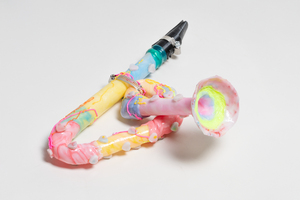
- Pp 1-8, air 1-4 und dust 1-2, frühe Instrumente und Polymer-Gemälde, bei denen ich keinen überzeugenden Grund fand, weiterhin traditionelle Materialien zu verwenden. Also entschied ich mich, sie stattdessen mit PCL und PLA zu schaffen.
Die oben genannten Arbeiten sind das Ergebnis eines Instrumentenbaus durch DIY-Praxis und Open-Source-Dateien aus dem Internet, indem die Illusion der klassistischen Form geschmolzen, vermischt und in biologisch abbaubare Polymere gegossen wurde, nicht nur mit der Hand, sondern auch mit dem 3D-Drucker. Eine besondere Qualifikation ist für die Herstellung nicht nötig. Die Bauanleitungen für diese DIY-Instrumente werden während der Ausstellung und auf der Website zur Verfügung gestellt.
- Pp 1-8, air 1-4 und dust 1-2, frühe Instrumente und Polymer-Gemälde, bei denen ich keinen überzeugenden Grund fand, weiterhin traditionelle Materialien zu verwenden. Also entschied ich mich, sie stattdessen mit PCL und PLA zu schaffen.
- Medien-Beschreibung (en)
- Pp 1-9, air 1-4, and dust 1-2, early-made instruments and polymer paintings which I found no compelling reason to continue using traditional materials, and so I ended up creating them with PCL and PLA.
The above instruments and paintings are the result of instrument-making through DIY-ness and open-source files from the internet by melting, merging, and mixing the illusion of classism's shape into biodegradable polymers, not only with a hand, but also with a 3D printer. However, any sacred qualification to make is not needed. DIY instructions for these DIY instruments are distributed at the exhibition and website.
- Pp 1-9, air 1-4, and dust 1-2, early-made instruments and polymer paintings which I found no compelling reason to continue using traditional materials, and so I ended up creating them with PCL and PLA.
- Projektleiter/in
- Semester
- Studiengang
- Typ der Abschlussarbeit
- Importiert am
- 14.07.2025
- Übergeordnete Sets
- 1
Plastic Fugue_Catalogue
Name that can easily go onto 2 lines
Author that can easily go onto 2 lines as well
- Titel
- Plastic Fugue_Catalogue
- Titel
- Plastic Fugue_Catalogue
- Titel (en)
- Plastic Fugue_Catalogue
- Urheberrechtshinweis
- © Hoin Ji
- Rechtsschutz/Lizenz
- Freigabe Nutzung HfG
- Medienersteller/in
- Beziehung/Funktion
- Projektleiter/in
- Semester
- Studiengang
- Typ der Abschlussarbeit
- Importiert am
- 12.07.2025
- Übergeordnete Sets
- 1
Plastic Fugue
Name that can easily go onto 2 lines
Author that can easily go onto 2 lines as well
- Titel
- Plastic Fugue
- Titel
- Plastic Fugue
- Titel (en)
- Plastic Fugue
- Urheberrechtshinweis
- © Hoin Ji
- Rechtsschutz/Lizenz
- Freigabe Nutzung HfG
- Medienersteller/in
- Beziehung/Funktion
- Medien-Beschreibung
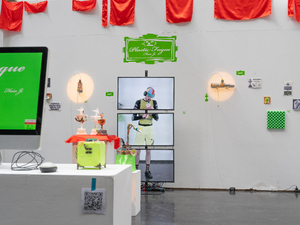
- Plastic Fugue, eine interaktive Klanginstallation, bestehend aus sechs Flöten (air 5-10, air Pp 1), die jeweils nur einen Ton erzeugen und über codierte Dirigierknöpfe ferngesteuert aktiviert werden. Die Reihenfolge der Töne ist jedes Mal zufällig. Die Fuge wird auf ihre Struktur reduziert und in ein Spiel mit Sequenz und Zeit überführt. Anstelle der idealisierten Ordnung stelle ich mir eine offenere Art der Klangmontage vor, eine Art demokratischer Kontrapunkt.
- Plastic Fugue, eine interaktive Klanginstallation, bestehend aus sechs Flöten (air 5-10, air Pp 1), die jeweils nur einen Ton erzeugen und über codierte Dirigierknöpfe ferngesteuert aktiviert werden. Die Reihenfolge der Töne ist jedes Mal zufällig. Die Fuge wird auf ihre Struktur reduziert und in ein Spiel mit Sequenz und Zeit überführt. Anstelle der idealisierten Ordnung stelle ich mir eine offenere Art der Klangmontage vor, eine Art demokratischer Kontrapunkt.
- Medien-Beschreibung (en)
- Plastic Fugue, an interactive sound installation, consisting of six flutes (air 5–10, air Pp 1), each producing only one tone and remotely activated through coded conducting buttons. The sequence of tones is random each time. The fugue is reduced to its structure and transformed into a play with sequence and time. Instead of the idealized order, I imagine a more open way of assembling sound, a kind of democratic counterpoint.
- Plastic Fugue, an interactive sound installation, consisting of six flutes (air 5–10, air Pp 1), each producing only one tone and remotely activated through coded conducting buttons. The sequence of tones is random each time. The fugue is reduced to its structure and transformed into a play with sequence and time. Instead of the idealized order, I imagine a more open way of assembling sound, a kind of democratic counterpoint.
- Projektleiter/in
- Semester
- Studiengang
- Typ der Abschlussarbeit
- Importiert am
- 14.07.2025
- Übergeordnete Sets
- 1
Plastic Fugue
Name that can easily go onto 2 lines
Author that can easily go onto 2 lines as well
- Titel
- Plastic Fugue
- Titel
- Plastic Fugue
- Urheberrechtshinweis
- © Hoin Ji
- Rechtsschutz/Lizenz
- Freigabe Nutzung HfG
- Medienersteller/in
- Beziehung/Funktion
- Medien-Beschreibung
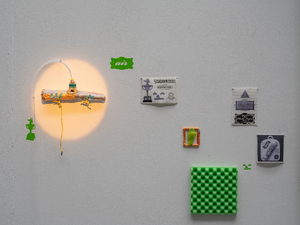
- Plastic Fugue, eine interaktive Klanginstallation, bestehend aus sechs Flöten (air 5-10, air Pp 1), die jeweils nur einen Ton erzeugen und über codierte Dirigierknöpfe ferngesteuert aktiviert werden. Die Reihenfolge der Töne ist jedes Mal zufällig. Die Fuge wird auf ihre Struktur reduziert und in ein Spiel mit Sequenz und Zeit überführt. Anstelle der idealisierten Ordnung stelle ich mir eine offenere Art der Klangmontage vor, eine Art demokratischer Kontrapunkt.
- Plastic Fugue, eine interaktive Klanginstallation, bestehend aus sechs Flöten (air 5-10, air Pp 1), die jeweils nur einen Ton erzeugen und über codierte Dirigierknöpfe ferngesteuert aktiviert werden. Die Reihenfolge der Töne ist jedes Mal zufällig. Die Fuge wird auf ihre Struktur reduziert und in ein Spiel mit Sequenz und Zeit überführt. Anstelle der idealisierten Ordnung stelle ich mir eine offenere Art der Klangmontage vor, eine Art demokratischer Kontrapunkt.
- Medien-Beschreibung (en)
- Plastic Fugue, an interactive sound installation, consisting of six flutes (air 5–10, air Pp 1), each producing only one tone and remotely activated through coded conducting buttons. The sequence of tones is random each time. The fugue is reduced to its structure and transformed into a play with sequence and time. Instead of the idealized order, I imagine a more open way of assembling sound, a kind of democratic counterpoint.
- Plastic Fugue, an interactive sound installation, consisting of six flutes (air 5–10, air Pp 1), each producing only one tone and remotely activated through coded conducting buttons. The sequence of tones is random each time. The fugue is reduced to its structure and transformed into a play with sequence and time. Instead of the idealized order, I imagine a more open way of assembling sound, a kind of democratic counterpoint.
- Projektleiter/in
- Semester
- Studiengang
- Typ der Abschlussarbeit
- Importiert am
- 12.07.2025
- Übergeordnete Sets
- 1