"Computerspiel"
| Term | Computerspiel |
| Metakey | Keywords (madek_core:keywords) |
| Type | Keyword |
| Vocabulary | Madek Core |
104 Items
- Page 1 of 9
Die Erfahrung des digitalen Spiels
Name that can easily go onto 2 lines
Author that can easily go onto 2 lines as well
- Title
- Die Erfahrung des digitalen Spiels
- Subtitle
- Eine Philosophie des algrotithmischen Mediums
- Author
- Description (de)
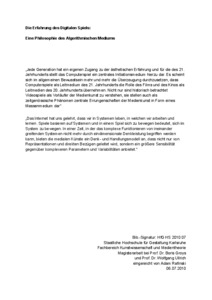
- „Jede Generation hat ein eigenen Zugang zu der ästhetischen Erfahrung, und für die des 21. Jahrhunderts stellt das Computerspiel ein zentrales Initiationsmedium hierzu dar. Es scheint sich im allgemeinen Bewusstsein mehr und mehr die Überzeugung durchzusetzen, dass Computerspiele als Leitmedium des 21. Jahrhunderts die Rolle des Films und des Kinos als Leitmedien des 20. Jahrhunderts übernehmen. Nicht nur sind historisch betrachtet Videospiele als Vorläufer der Medienkunst zu verstehen, sie stellen auch als zeitgenössische Phänomen zentrale Errungenschaften der Medienkunst in Form eines Massenmedium dar.”
„Das Internet hat uns gelehrt, dass wir in Systemen leben, in welchen wir arbeiten und lernen. Spiele basieren auf Systemen und in einem Spiel sich zu bewegen bedeutet, sich im System zu bewegen. In einer Zeit, in der das komplexe Funktionieren von ineinander greifenden Systemen nicht mehr durch eindimensionale Denkleistung begriffen werden kann, bieten die medialen Künste ein Denk- und Handlungsmodell an, dass nicht nur von Repräsentationen und direkten Bezügen geleitet wird, sondern ein größere Sensibilität gegenüber komplexeren Parametern und Variabilitäten anbietet.”
- „Jede Generation hat ein eigenen Zugang zu der ästhetischen Erfahrung, und für die des 21. Jahrhunderts stellt das Computerspiel ein zentrales Initiationsmedium hierzu dar. Es scheint sich im allgemeinen Bewusstsein mehr und mehr die Überzeugung durchzusetzen, dass Computerspiele als Leitmedium des 21. Jahrhunderts die Rolle des Films und des Kinos als Leitmedien des 20. Jahrhunderts übernehmen. Nicht nur sind historisch betrachtet Videospiele als Vorläufer der Medienkunst zu verstehen, sie stellen auch als zeitgenössische Phänomen zentrale Errungenschaften der Medienkunst in Form eines Massenmedium dar.”
- Description (en)
- "Every generation has its own approach to the aesthetic experience and for those of the 21st century, the computer game represents a central initiation medium for this. There seems to be a growing conviction in the general consciousness that computer games, as the leading medium of the 21st century, are taking over the role of film and cinema as the leading media of the 20th century. Not only can video games be seen historically as precursors of media art, they also represent central achievements of media art in the form of a mass medium as a contemporary phenomenon.
"The Internet has taught us that we live in systems in which we work and learn. Games are based on systems and to move in a game means to move in the system. At a time when the complex functioning of interlocking systems can no longer be understood through one-dimensional thinking, the media arts offer a model of thought and action that is not only guided by representations and direct references, but offers a greater sensitivity to more complex parameters and variabilities."
- "Every generation has its own approach to the aesthetic experience and for those of the 21st century, the computer game represents a central initiation medium for this. There seems to be a growing conviction in the general consciousness that computer games, as the leading medium of the 21st century, are taking over the role of film and cinema as the leading media of the 20th century. Not only can video games be seen historically as precursors of media art, they also represent central achievements of media art in the form of a mass medium as a contemporary phenomenon.
- Category
- Keywords
- Date
- 06.07.2010
- Language
- Location: institution
- Title
- Die Erfahrung des digitalen Spiels
- Subtitle
- Eine Philosophie des algrotithmischen Mediums
- Copyright Notice
- Adam Rafinksi
- Legal protection / Licence
- Permission usage HfG
- Media creator
- Description of media
- geschwärzte Version / censored Version
- Projektleiter/in
- Program of Study
- Type of graduation project
- Archive signature
- HfG HS 2010 07
- External archive
- Imported on
- 19.02.2025
- Parent sets
- 1
Die Erfahrung des digitalen Spiels Abstract
Name that can easily go onto 2 lines
Author that can easily go onto 2 lines as well
- Title
- Die Erfahrung des digitalen Spiels Abstract
- Subtitle
- Eine Philosophie des algrotithmischen Mediums
- Author
- Description (de)
- „Jede Generation hat ein eigenen Zugang zu der ästhetischen Erfahrung, und für die des 21. Jahrhunderts stellt das Computerspiel ein zentrales Initiationsmedium hierzu dar. Es scheint sich im allgemeinen Bewusstsein mehr und mehr die Überzeugung durchzusetzen, dass Computerspiele als Leitmedium des 21. Jahrhunderts die Rolle des Films und des Kinos als Leitmedien des 20. Jahrhunderts übernehmen. Nicht nur sind historisch betrachtet Videospiele als Vorläufer der Medienkunst zu verstehen, sie stellen auch als zeitgenössische Phänomen zentrale Errungenschaften der Medienkunst in Form eines Massenmedium dar.”
„Das Internet hat uns gelehrt, dass wir in Systemen leben, in welchen wir arbeiten und lernen. Spiele basieren auf Systemen und in einem Spiel sich zu bewegen bedeutet, sich im System zu bewegen. In einer Zeit, in der das komplexe Funktionieren von ineinander greifenden Systemen nicht mehr durch eindimensionale Denkleistung begriffen werden kann, bieten die medialen Künste ein Denk- und Handlungsmodell an, dass nicht nur von Repräsentationen und direkten Bezügen geleitet wird, sondern ein größere Sensibilität gegenüber komplexeren Parametern und Variabilitäten anbietet.”
- „Jede Generation hat ein eigenen Zugang zu der ästhetischen Erfahrung, und für die des 21. Jahrhunderts stellt das Computerspiel ein zentrales Initiationsmedium hierzu dar. Es scheint sich im allgemeinen Bewusstsein mehr und mehr die Überzeugung durchzusetzen, dass Computerspiele als Leitmedium des 21. Jahrhunderts die Rolle des Films und des Kinos als Leitmedien des 20. Jahrhunderts übernehmen. Nicht nur sind historisch betrachtet Videospiele als Vorläufer der Medienkunst zu verstehen, sie stellen auch als zeitgenössische Phänomen zentrale Errungenschaften der Medienkunst in Form eines Massenmedium dar.”
- Description (en)
- "Every generation has its own approach to the aesthetic experience and for those of the 21st century, the computer game represents a central initiation medium for this. There seems to be a growing conviction in the general consciousness that computer games, as the leading medium of the 21st century, are taking over the role of film and cinema as the leading media of the 20th century. Not only can video games be seen historically as precursors of media art, they also represent central achievements of media art in the form of a mass medium as a contemporary phenomenon.
"The Internet has taught us that we live in systems in which we work and learn. Games are based on systems and to move in a game means to move in the system. At a time when the complex functioning of interlocking systems can no longer be understood through one-dimensional thinking, the media arts offer a model of thought and action that is not only guided by representations and direct references, but offers a greater sensitivity to more complex parameters and variabilities."
- "Every generation has its own approach to the aesthetic experience and for those of the 21st century, the computer game represents a central initiation medium for this. There seems to be a growing conviction in the general consciousness that computer games, as the leading medium of the 21st century, are taking over the role of film and cinema as the leading media of the 20th century. Not only can video games be seen historically as precursors of media art, they also represent central achievements of media art in the form of a mass medium as a contemporary phenomenon.
- Category
- Keywords
- Date
- 06.07.2010
- Language
- Location: institution
- Title
- Die Erfahrung des digitalen Spiels Abstract
- Subtitle
- Eine Philosophie des algrotithmischen Mediums
- Copyright Notice
- Adam Rafinksi
- Legal protection / Licence
- Permission usage HfG
- Media creator
- Relationship/function
- Projektleiter/in
- Program of Study
- Type of graduation project
- Archive signature
- HfG HS 2010 07
- External archive
- Imported on
- 20.02.2025
- Parent sets
- 1
Die Erfahrung des digitalen Spiels Deckblatt
Name that can easily go onto 2 lines
Author that can easily go onto 2 lines as well
- Title
- Die Erfahrung des digitalen Spiels Deckblatt
- Subtitle
- Eine Philosophie des algrotithmischen Mediums
- Author
- Description (de)
- „Jede Generation hat ein eigenen Zugang zu der ästhetischen Erfahrung, und für die des 21. Jahrhunderts stellt das Computerspiel ein zentrales Initiationsmedium hierzu dar. Es scheint sich im allgemeinen Bewusstsein mehr und mehr die Überzeugung durchzusetzen, dass Computerspiele als Leitmedium des 21. Jahrhunderts die Rolle des Films und des Kinos als Leitmedien des 20. Jahrhunderts übernehmen. Nicht nur sind historisch betrachtet Videospiele als Vorläufer der Medienkunst zu verstehen, sie stellen auch als zeitgenössische Phänomen zentrale Errungenschaften der Medienkunst in Form eines Massenmedium dar.”
„Das Internet hat uns gelehrt, dass wir in Systemen leben, in welchen wir arbeiten und lernen. Spiele basieren auf Systemen und in einem Spiel sich zu bewegen bedeutet, sich im System zu bewegen. In einer Zeit, in der das komplexe Funktionieren von ineinander greifenden Systemen nicht mehr durch eindimensionale Denkleistung begriffen werden kann, bieten die medialen Künste ein Denk- und Handlungsmodell an, dass nicht nur von Repräsentationen und direkten Bezügen geleitet wird, sondern ein größere Sensibilität gegenüber komplexeren Parametern und Variabilitäten anbietet.”
- „Jede Generation hat ein eigenen Zugang zu der ästhetischen Erfahrung, und für die des 21. Jahrhunderts stellt das Computerspiel ein zentrales Initiationsmedium hierzu dar. Es scheint sich im allgemeinen Bewusstsein mehr und mehr die Überzeugung durchzusetzen, dass Computerspiele als Leitmedium des 21. Jahrhunderts die Rolle des Films und des Kinos als Leitmedien des 20. Jahrhunderts übernehmen. Nicht nur sind historisch betrachtet Videospiele als Vorläufer der Medienkunst zu verstehen, sie stellen auch als zeitgenössische Phänomen zentrale Errungenschaften der Medienkunst in Form eines Massenmedium dar.”
- Description (en)
- "Every generation has its own approach to the aesthetic experience and for those of the 21st century, the computer game represents a central initiation medium for this. There seems to be a growing conviction in the general consciousness that computer games, as the leading medium of the 21st century, are taking over the role of film and cinema as the leading media of the 20th century. Not only can video games be seen historically as precursors of media art, they also represent central achievements of media art in the form of a mass medium as a contemporary phenomenon.
"The Internet has taught us that we live in systems in which we work and learn. Games are based on systems and to move in a game means to move in the system. At a time when the complex functioning of interlocking systems can no longer be understood through one-dimensional thinking, the media arts offer a model of thought and action that is not only guided by representations and direct references, but offers a greater sensitivity to more complex parameters and variabilities."
- "Every generation has its own approach to the aesthetic experience and for those of the 21st century, the computer game represents a central initiation medium for this. There seems to be a growing conviction in the general consciousness that computer games, as the leading medium of the 21st century, are taking over the role of film and cinema as the leading media of the 20th century. Not only can video games be seen historically as precursors of media art, they also represent central achievements of media art in the form of a mass medium as a contemporary phenomenon.
- Category
- Keywords
- Date
- 06.07.2010
- Language
- Location: institution
- Title
- Die Erfahrung des digitalen Spiels Deckblatt
- Subtitle
- Eine Philosophie des algrotithmischen Mediums
- Copyright Notice
- Adam Rafinksi
- Legal protection / Licence
- Permission usage HfG
- Media creator
- Relationship/function
- Projektleiter/in
- Program of Study
- Type of graduation project
- Archive signature
- HfG HS 2010 07
- External archive
- Imported on
- 19.02.2025
- Parent sets
- 1
Die Erfahrung des digitalen Spiels Inhaltsverzeichnis
Name that can easily go onto 2 lines
Author that can easily go onto 2 lines as well
- Title
- Die Erfahrung des digitalen Spiels Inhaltsverzeichnis
- Subtitle
- Eine Philosophie des algrotithmischen Mediums
- Author
- Description (de)
- „Jede Generation hat ein eigenen Zugang zu der ästhetischen Erfahrung, und für die des 21. Jahrhunderts stellt das Computerspiel ein zentrales Initiationsmedium hierzu dar. Es scheint sich im allgemeinen Bewusstsein mehr und mehr die Überzeugung durchzusetzen, dass Computerspiele als Leitmedium des 21. Jahrhunderts die Rolle des Films und des Kinos als Leitmedien des 20. Jahrhunderts übernehmen. Nicht nur sind historisch betrachtet Videospiele als Vorläufer der Medienkunst zu verstehen, sie stellen auch als zeitgenössische Phänomen zentrale Errungenschaften der Medienkunst in Form eines Massenmedium dar.”
„Das Internet hat uns gelehrt, dass wir in Systemen leben, in welchen wir arbeiten und lernen. Spiele basieren auf Systemen und in einem Spiel sich zu bewegen bedeutet, sich im System zu bewegen. In einer Zeit, in der das komplexe Funktionieren von ineinander greifenden Systemen nicht mehr durch eindimensionale Denkleistung begriffen werden kann, bieten die medialen Künste ein Denk- und Handlungsmodell an, dass nicht nur von Repräsentationen und direkten Bezügen geleitet wird, sondern ein größere Sensibilität gegenüber komplexeren Parametern und Variabilitäten anbietet.”
- „Jede Generation hat ein eigenen Zugang zu der ästhetischen Erfahrung, und für die des 21. Jahrhunderts stellt das Computerspiel ein zentrales Initiationsmedium hierzu dar. Es scheint sich im allgemeinen Bewusstsein mehr und mehr die Überzeugung durchzusetzen, dass Computerspiele als Leitmedium des 21. Jahrhunderts die Rolle des Films und des Kinos als Leitmedien des 20. Jahrhunderts übernehmen. Nicht nur sind historisch betrachtet Videospiele als Vorläufer der Medienkunst zu verstehen, sie stellen auch als zeitgenössische Phänomen zentrale Errungenschaften der Medienkunst in Form eines Massenmedium dar.”
- Description (en)
- "Every generation has its own approach to the aesthetic experience and for those of the 21st century, the computer game represents a central initiation medium for this. There seems to be a growing conviction in the general consciousness that computer games, as the leading medium of the 21st century, are taking over the role of film and cinema as the leading media of the 20th century. Not only can video games be seen historically as precursors of media art, they also represent central achievements of media art in the form of a mass medium as a contemporary phenomenon.
"The Internet has taught us that we live in systems in which we work and learn. Games are based on systems and to move in a game means to move in the system. At a time when the complex functioning of interlocking systems can no longer be understood through one-dimensional thinking, the media arts offer a model of thought and action that is not only guided by representations and direct references, but offers a greater sensitivity to more complex parameters and variabilities."
- "Every generation has its own approach to the aesthetic experience and for those of the 21st century, the computer game represents a central initiation medium for this. There seems to be a growing conviction in the general consciousness that computer games, as the leading medium of the 21st century, are taking over the role of film and cinema as the leading media of the 20th century. Not only can video games be seen historically as precursors of media art, they also represent central achievements of media art in the form of a mass medium as a contemporary phenomenon.
- Category
- Keywords
- Date
- 06.07.2010
- Language
- Location: institution
- Title
- Die Erfahrung des digitalen Spiels Inhaltsverzeichnis
- Subtitle
- Eine Philosophie des algrotithmischen Mediums
- Copyright Notice
- Adam Rafinksi
- Legal protection / Licence
- Permission usage HfG
- Media creator
- Relationship/function
- Projektleiter/in
- Program of Study
- Type of graduation project
- Archive signature
- HfG HS 2010 07
- External archive
- Imported on
- 20.02.2025
- Parent sets
- 1
Excursion Next Level
Name that can easily go onto 2 lines
Author that can easily go onto 2 lines as well
- Title
- Excursion Next Level
- Author
- Description (de)
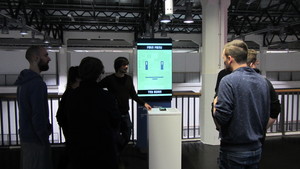
- „Present Tense” beschäftigt sich mit unserer unmittelbaren Gegenwart: Wir leben in einer komplexen, krisenhaften Zeit, in der die Überlagerung von Klima- und Energiekrise, Postpandemie, Prekarität und Konkurrenz, gesellschaftlicher Radikalisierung bis hin zu näher rückenden Kriegen bereits jetzt gravierende Auswirkungen auf unser Leben und Arbeiten hat. Die Anspannung steigt, wir stehen vor dringlichen gesamtgesellschaftlichen Aufgaben und bewegen uns zugleich in Richtung eines Zustands chronischer Erschöpfung. Das etablierte Kunstfeld und die künstlerische und kulturelle Produktion sind davon nicht ausgenommen. Mit Künstler:innen, Kurator:innen und anderen Expert:innen des kulturellen Feldes möchten wir den Blick auf die aktuelle künstlerische Produktion und Ausstellungspraxis richten und die Frage nach möglichen (Zukunfts-)perspektiven für das Kunstfeld diskutieren:
Welche gesellschaftliche Rolle können und müssen Kunst und ihre Produzent:innen in einer sich radikal verändernden Welt einnehmen? Wie können Kunst- und Kulturinstitutionen zu Orten aktiver gesellschaftlicher Transformation werden? Was bedeutet es, eine (ökologisch wie sozial) nachhaltige künstlerische und institutionelle Praxis in der digitalen Gegenwart zu entwickeln? Welche neuen Gemeinschaften brauchen wir, gerade im Hinblick auf die zunehmende gesellschaftliche Spaltung und Radikalisierung? Offensichtlich führt die krisenhafte Gegenwart u. a. dazu, dass sich Menschen nach autoritären Figuren und Programmen sehen – eine Aufgabe von Kunst und Kultur könnte es sein, andere, freiere Konzepte von Zukunft zu entwerfen.
Auch das Konzept der Fürsorge in der künstlerischen und kuratorischen Praxis wird Thema der Veranstaltung sein. Teil des Symposiums sind neben Vorträgen künstlerische Workshops, Interventionen und Performances, die wir als gleichwertige Formen der Wissensproduktion und -vermittlung begreifen.
Mit Beiträgen von Gin Bahc, Sascia Bailer, Constanze Fischbeck, Sina Hensel, Alistair Hudson, Anne Duk Hee Jordan, Valentina Karga, Matriarchale Volksküche, Jacob Ott und Dorothee Richter.
- „Present Tense” beschäftigt sich mit unserer unmittelbaren Gegenwart: Wir leben in einer komplexen, krisenhaften Zeit, in der die Überlagerung von Klima- und Energiekrise, Postpandemie, Prekarität und Konkurrenz, gesellschaftlicher Radikalisierung bis hin zu näher rückenden Kriegen bereits jetzt gravierende Auswirkungen auf unser Leben und Arbeiten hat. Die Anspannung steigt, wir stehen vor dringlichen gesamtgesellschaftlichen Aufgaben und bewegen uns zugleich in Richtung eines Zustands chronischer Erschöpfung. Das etablierte Kunstfeld und die künstlerische und kulturelle Produktion sind davon nicht ausgenommen. Mit Künstler:innen, Kurator:innen und anderen Expert:innen des kulturellen Feldes möchten wir den Blick auf die aktuelle künstlerische Produktion und Ausstellungspraxis richten und die Frage nach möglichen (Zukunfts-)perspektiven für das Kunstfeld diskutieren:
- Description (en)
- „Present Tense” concerns itself with our immediate present: We live in a complex, crisis-filled age in which the overlapping of climate and energy crisis, post-pandemic times, precarity, social radicalisation and even impending wars already govern our lives and work. Tension is rising, we are faced with imperative responsibilities for society as a whole and are, at the same time, moving towards a state of chronic exhaustion. There is no exception for the field of arts and artistic and cultural production.
Together with artists, curators and other experts from the cultural field, we would like to examine current artistic productions and exhibition practices and discuss possibilities for the (future) perspectives of the arts. Which roles within society can and must art and its producers embrace in a radically changing world? How can art and cultural institutions become venues of active social transformation? What does it mean to develop an (ecologically as well as socially) sustainable artistic and institutional practice in the digital present? The concept of care within artistic and curatorial practices will be a topic of the event as well.
What new relationships do we need, especially in view of intensifying social division and radicalisation? Obviously, the crisis-filled present among other things leads to people looking to authoritarian figures and programmes – one of the tasks for art and culture could be to design other, more independent and free concepts of the future.
In addition to lectures and panels, the symposium will include artistic workshops, interventions and performances, which are also forms of knowledge production and dissemination that we feel to be of equal importance.
With contributions from Gin Bahc, Sascia Bailer, Constanze Fischbeck, Sina Hensel, Alistair Hudson, Anne Duk Hee Jordan, Valentina Karga, Matriarchale Volksküche, Jacob Ott and Dorothee Richter
- „Present Tense” concerns itself with our immediate present: We live in a complex, crisis-filled age in which the overlapping of climate and energy crisis, post-pandemic times, precarity, social radicalisation and even impending wars already govern our lives and work. Tension is rising, we are faced with imperative responsibilities for society as a whole and are, at the same time, moving towards a state of chronic exhaustion. There is no exception for the field of arts and artistic and cultural production.
- Type of project / creative work
- Keywords
- Date
- 19.02.2019
- Contributors
- Location: institution
- Location
- Lichthof, R.112
- City
- Country
- Participating institution(s)
- Title
- Excursion Next Level
- Copyright Notice
- Víctor Fancelli Capdevila / GameLab / Hochschule für Gestaltung
- Media creator
- Projektleiter/in
- Semester
- Course, Lecture, Seminar
- Imported on
- 14.02.2019
- Parent sets
- 1
Excursion Next Level
Name that can easily go onto 2 lines
Author that can easily go onto 2 lines as well
- Title
- Excursion Next Level
- Author
- Description (de)
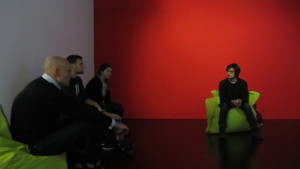
- „Present Tense” beschäftigt sich mit unserer unmittelbaren Gegenwart: Wir leben in einer komplexen, krisenhaften Zeit, in der die Überlagerung von Klima- und Energiekrise, Postpandemie, Prekarität und Konkurrenz, gesellschaftlicher Radikalisierung bis hin zu näher rückenden Kriegen bereits jetzt gravierende Auswirkungen auf unser Leben und Arbeiten hat. Die Anspannung steigt, wir stehen vor dringlichen gesamtgesellschaftlichen Aufgaben und bewegen uns zugleich in Richtung eines Zustands chronischer Erschöpfung. Das etablierte Kunstfeld und die künstlerische und kulturelle Produktion sind davon nicht ausgenommen. Mit Künstler:innen, Kurator:innen und anderen Expert:innen des kulturellen Feldes möchten wir den Blick auf die aktuelle künstlerische Produktion und Ausstellungspraxis richten und die Frage nach möglichen (Zukunfts-)perspektiven für das Kunstfeld diskutieren:
Welche gesellschaftliche Rolle können und müssen Kunst und ihre Produzent:innen in einer sich radikal verändernden Welt einnehmen? Wie können Kunst- und Kulturinstitutionen zu Orten aktiver gesellschaftlicher Transformation werden? Was bedeutet es, eine (ökologisch wie sozial) nachhaltige künstlerische und institutionelle Praxis in der digitalen Gegenwart zu entwickeln? Welche neuen Gemeinschaften brauchen wir, gerade im Hinblick auf die zunehmende gesellschaftliche Spaltung und Radikalisierung? Offensichtlich führt die krisenhafte Gegenwart u. a. dazu, dass sich Menschen nach autoritären Figuren und Programmen sehen – eine Aufgabe von Kunst und Kultur könnte es sein, andere, freiere Konzepte von Zukunft zu entwerfen.
Auch das Konzept der Fürsorge in der künstlerischen und kuratorischen Praxis wird Thema der Veranstaltung sein. Teil des Symposiums sind neben Vorträgen künstlerische Workshops, Interventionen und Performances, die wir als gleichwertige Formen der Wissensproduktion und -vermittlung begreifen.
Mit Beiträgen von Gin Bahc, Sascia Bailer, Constanze Fischbeck, Sina Hensel, Alistair Hudson, Anne Duk Hee Jordan, Valentina Karga, Matriarchale Volksküche, Jacob Ott und Dorothee Richter.
- „Present Tense” beschäftigt sich mit unserer unmittelbaren Gegenwart: Wir leben in einer komplexen, krisenhaften Zeit, in der die Überlagerung von Klima- und Energiekrise, Postpandemie, Prekarität und Konkurrenz, gesellschaftlicher Radikalisierung bis hin zu näher rückenden Kriegen bereits jetzt gravierende Auswirkungen auf unser Leben und Arbeiten hat. Die Anspannung steigt, wir stehen vor dringlichen gesamtgesellschaftlichen Aufgaben und bewegen uns zugleich in Richtung eines Zustands chronischer Erschöpfung. Das etablierte Kunstfeld und die künstlerische und kulturelle Produktion sind davon nicht ausgenommen. Mit Künstler:innen, Kurator:innen und anderen Expert:innen des kulturellen Feldes möchten wir den Blick auf die aktuelle künstlerische Produktion und Ausstellungspraxis richten und die Frage nach möglichen (Zukunfts-)perspektiven für das Kunstfeld diskutieren:
- Description (en)
- „Present Tense” concerns itself with our immediate present: We live in a complex, crisis-filled age in which the overlapping of climate and energy crisis, post-pandemic times, precarity, social radicalisation and even impending wars already govern our lives and work. Tension is rising, we are faced with imperative responsibilities for society as a whole and are, at the same time, moving towards a state of chronic exhaustion. There is no exception for the field of arts and artistic and cultural production.
Together with artists, curators and other experts from the cultural field, we would like to examine current artistic productions and exhibition practices and discuss possibilities for the (future) perspectives of the arts. Which roles within society can and must art and its producers embrace in a radically changing world? How can art and cultural institutions become venues of active social transformation? What does it mean to develop an (ecologically as well as socially) sustainable artistic and institutional practice in the digital present? The concept of care within artistic and curatorial practices will be a topic of the event as well.
What new relationships do we need, especially in view of intensifying social division and radicalisation? Obviously, the crisis-filled present among other things leads to people looking to authoritarian figures and programmes – one of the tasks for art and culture could be to design other, more independent and free concepts of the future.
In addition to lectures and panels, the symposium will include artistic workshops, interventions and performances, which are also forms of knowledge production and dissemination that we feel to be of equal importance.
With contributions from Gin Bahc, Sascia Bailer, Constanze Fischbeck, Sina Hensel, Alistair Hudson, Anne Duk Hee Jordan, Valentina Karga, Matriarchale Volksküche, Jacob Ott and Dorothee Richter
- „Present Tense” concerns itself with our immediate present: We live in a complex, crisis-filled age in which the overlapping of climate and energy crisis, post-pandemic times, precarity, social radicalisation and even impending wars already govern our lives and work. Tension is rising, we are faced with imperative responsibilities for society as a whole and are, at the same time, moving towards a state of chronic exhaustion. There is no exception for the field of arts and artistic and cultural production.
- Type of project / creative work
- Keywords
- Date
- 19.02.2019
- Contributors
- Location: institution
- Location
- Lichthof, R.112
- City
- Country
- Participating institution(s)
- Title
- Excursion Next Level
- Copyright Notice
- Víctor Fancelli Capdevila / GameLab / Hochschule für Gestaltung
- Media creator
- Projektleiter/in
- Semester
- Course, Lecture, Seminar
- Imported on
- 14.02.2019
- Parent sets
- 1
Excursion Next Level
Name that can easily go onto 2 lines
Author that can easily go onto 2 lines as well
- Title
- Excursion Next Level
- Author
- Description (de)
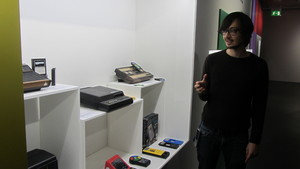
- „Present Tense” beschäftigt sich mit unserer unmittelbaren Gegenwart: Wir leben in einer komplexen, krisenhaften Zeit, in der die Überlagerung von Klima- und Energiekrise, Postpandemie, Prekarität und Konkurrenz, gesellschaftlicher Radikalisierung bis hin zu näher rückenden Kriegen bereits jetzt gravierende Auswirkungen auf unser Leben und Arbeiten hat. Die Anspannung steigt, wir stehen vor dringlichen gesamtgesellschaftlichen Aufgaben und bewegen uns zugleich in Richtung eines Zustands chronischer Erschöpfung. Das etablierte Kunstfeld und die künstlerische und kulturelle Produktion sind davon nicht ausgenommen. Mit Künstler:innen, Kurator:innen und anderen Expert:innen des kulturellen Feldes möchten wir den Blick auf die aktuelle künstlerische Produktion und Ausstellungspraxis richten und die Frage nach möglichen (Zukunfts-)perspektiven für das Kunstfeld diskutieren:
Welche gesellschaftliche Rolle können und müssen Kunst und ihre Produzent:innen in einer sich radikal verändernden Welt einnehmen? Wie können Kunst- und Kulturinstitutionen zu Orten aktiver gesellschaftlicher Transformation werden? Was bedeutet es, eine (ökologisch wie sozial) nachhaltige künstlerische und institutionelle Praxis in der digitalen Gegenwart zu entwickeln? Welche neuen Gemeinschaften brauchen wir, gerade im Hinblick auf die zunehmende gesellschaftliche Spaltung und Radikalisierung? Offensichtlich führt die krisenhafte Gegenwart u. a. dazu, dass sich Menschen nach autoritären Figuren und Programmen sehen – eine Aufgabe von Kunst und Kultur könnte es sein, andere, freiere Konzepte von Zukunft zu entwerfen.
Auch das Konzept der Fürsorge in der künstlerischen und kuratorischen Praxis wird Thema der Veranstaltung sein. Teil des Symposiums sind neben Vorträgen künstlerische Workshops, Interventionen und Performances, die wir als gleichwertige Formen der Wissensproduktion und -vermittlung begreifen.
Mit Beiträgen von Gin Bahc, Sascia Bailer, Constanze Fischbeck, Sina Hensel, Alistair Hudson, Anne Duk Hee Jordan, Valentina Karga, Matriarchale Volksküche, Jacob Ott und Dorothee Richter.
- „Present Tense” beschäftigt sich mit unserer unmittelbaren Gegenwart: Wir leben in einer komplexen, krisenhaften Zeit, in der die Überlagerung von Klima- und Energiekrise, Postpandemie, Prekarität und Konkurrenz, gesellschaftlicher Radikalisierung bis hin zu näher rückenden Kriegen bereits jetzt gravierende Auswirkungen auf unser Leben und Arbeiten hat. Die Anspannung steigt, wir stehen vor dringlichen gesamtgesellschaftlichen Aufgaben und bewegen uns zugleich in Richtung eines Zustands chronischer Erschöpfung. Das etablierte Kunstfeld und die künstlerische und kulturelle Produktion sind davon nicht ausgenommen. Mit Künstler:innen, Kurator:innen und anderen Expert:innen des kulturellen Feldes möchten wir den Blick auf die aktuelle künstlerische Produktion und Ausstellungspraxis richten und die Frage nach möglichen (Zukunfts-)perspektiven für das Kunstfeld diskutieren:
- Description (en)
- „Present Tense” concerns itself with our immediate present: We live in a complex, crisis-filled age in which the overlapping of climate and energy crisis, post-pandemic times, precarity, social radicalisation and even impending wars already govern our lives and work. Tension is rising, we are faced with imperative responsibilities for society as a whole and are, at the same time, moving towards a state of chronic exhaustion. There is no exception for the field of arts and artistic and cultural production.
Together with artists, curators and other experts from the cultural field, we would like to examine current artistic productions and exhibition practices and discuss possibilities for the (future) perspectives of the arts. Which roles within society can and must art and its producers embrace in a radically changing world? How can art and cultural institutions become venues of active social transformation? What does it mean to develop an (ecologically as well as socially) sustainable artistic and institutional practice in the digital present? The concept of care within artistic and curatorial practices will be a topic of the event as well.
What new relationships do we need, especially in view of intensifying social division and radicalisation? Obviously, the crisis-filled present among other things leads to people looking to authoritarian figures and programmes – one of the tasks for art and culture could be to design other, more independent and free concepts of the future.
In addition to lectures and panels, the symposium will include artistic workshops, interventions and performances, which are also forms of knowledge production and dissemination that we feel to be of equal importance.
With contributions from Gin Bahc, Sascia Bailer, Constanze Fischbeck, Sina Hensel, Alistair Hudson, Anne Duk Hee Jordan, Valentina Karga, Matriarchale Volksküche, Jacob Ott and Dorothee Richter
- „Present Tense” concerns itself with our immediate present: We live in a complex, crisis-filled age in which the overlapping of climate and energy crisis, post-pandemic times, precarity, social radicalisation and even impending wars already govern our lives and work. Tension is rising, we are faced with imperative responsibilities for society as a whole and are, at the same time, moving towards a state of chronic exhaustion. There is no exception for the field of arts and artistic and cultural production.
- Type of project / creative work
- Keywords
- Date
- 19.02.2019
- Contributors
- Location: institution
- Location
- Lichthof, R.112
- City
- Country
- Participating institution(s)
- Title
- Excursion Next Level
- Copyright Notice
- Víctor Fancelli Capdevila / GameLab / Hochschule für Gestaltung
- Media creator
- Projektleiter/in
- Semester
- Course, Lecture, Seminar
- Imported on
- 14.02.2019
- Parent sets
- 1
Excursion Next Level
Name that can easily go onto 2 lines
Author that can easily go onto 2 lines as well
- Title
- Excursion Next Level
- Author
- Description (de)
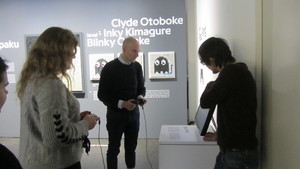
- „Present Tense” beschäftigt sich mit unserer unmittelbaren Gegenwart: Wir leben in einer komplexen, krisenhaften Zeit, in der die Überlagerung von Klima- und Energiekrise, Postpandemie, Prekarität und Konkurrenz, gesellschaftlicher Radikalisierung bis hin zu näher rückenden Kriegen bereits jetzt gravierende Auswirkungen auf unser Leben und Arbeiten hat. Die Anspannung steigt, wir stehen vor dringlichen gesamtgesellschaftlichen Aufgaben und bewegen uns zugleich in Richtung eines Zustands chronischer Erschöpfung. Das etablierte Kunstfeld und die künstlerische und kulturelle Produktion sind davon nicht ausgenommen. Mit Künstler:innen, Kurator:innen und anderen Expert:innen des kulturellen Feldes möchten wir den Blick auf die aktuelle künstlerische Produktion und Ausstellungspraxis richten und die Frage nach möglichen (Zukunfts-)perspektiven für das Kunstfeld diskutieren:
Welche gesellschaftliche Rolle können und müssen Kunst und ihre Produzent:innen in einer sich radikal verändernden Welt einnehmen? Wie können Kunst- und Kulturinstitutionen zu Orten aktiver gesellschaftlicher Transformation werden? Was bedeutet es, eine (ökologisch wie sozial) nachhaltige künstlerische und institutionelle Praxis in der digitalen Gegenwart zu entwickeln? Welche neuen Gemeinschaften brauchen wir, gerade im Hinblick auf die zunehmende gesellschaftliche Spaltung und Radikalisierung? Offensichtlich führt die krisenhafte Gegenwart u. a. dazu, dass sich Menschen nach autoritären Figuren und Programmen sehen – eine Aufgabe von Kunst und Kultur könnte es sein, andere, freiere Konzepte von Zukunft zu entwerfen.
Auch das Konzept der Fürsorge in der künstlerischen und kuratorischen Praxis wird Thema der Veranstaltung sein. Teil des Symposiums sind neben Vorträgen künstlerische Workshops, Interventionen und Performances, die wir als gleichwertige Formen der Wissensproduktion und -vermittlung begreifen.
Mit Beiträgen von Gin Bahc, Sascia Bailer, Constanze Fischbeck, Sina Hensel, Alistair Hudson, Anne Duk Hee Jordan, Valentina Karga, Matriarchale Volksküche, Jacob Ott und Dorothee Richter.
- „Present Tense” beschäftigt sich mit unserer unmittelbaren Gegenwart: Wir leben in einer komplexen, krisenhaften Zeit, in der die Überlagerung von Klima- und Energiekrise, Postpandemie, Prekarität und Konkurrenz, gesellschaftlicher Radikalisierung bis hin zu näher rückenden Kriegen bereits jetzt gravierende Auswirkungen auf unser Leben und Arbeiten hat. Die Anspannung steigt, wir stehen vor dringlichen gesamtgesellschaftlichen Aufgaben und bewegen uns zugleich in Richtung eines Zustands chronischer Erschöpfung. Das etablierte Kunstfeld und die künstlerische und kulturelle Produktion sind davon nicht ausgenommen. Mit Künstler:innen, Kurator:innen und anderen Expert:innen des kulturellen Feldes möchten wir den Blick auf die aktuelle künstlerische Produktion und Ausstellungspraxis richten und die Frage nach möglichen (Zukunfts-)perspektiven für das Kunstfeld diskutieren:
- Description (en)
- „Present Tense” concerns itself with our immediate present: We live in a complex, crisis-filled age in which the overlapping of climate and energy crisis, post-pandemic times, precarity, social radicalisation and even impending wars already govern our lives and work. Tension is rising, we are faced with imperative responsibilities for society as a whole and are, at the same time, moving towards a state of chronic exhaustion. There is no exception for the field of arts and artistic and cultural production.
Together with artists, curators and other experts from the cultural field, we would like to examine current artistic productions and exhibition practices and discuss possibilities for the (future) perspectives of the arts. Which roles within society can and must art and its producers embrace in a radically changing world? How can art and cultural institutions become venues of active social transformation? What does it mean to develop an (ecologically as well as socially) sustainable artistic and institutional practice in the digital present? The concept of care within artistic and curatorial practices will be a topic of the event as well.
What new relationships do we need, especially in view of intensifying social division and radicalisation? Obviously, the crisis-filled present among other things leads to people looking to authoritarian figures and programmes – one of the tasks for art and culture could be to design other, more independent and free concepts of the future.
In addition to lectures and panels, the symposium will include artistic workshops, interventions and performances, which are also forms of knowledge production and dissemination that we feel to be of equal importance.
With contributions from Gin Bahc, Sascia Bailer, Constanze Fischbeck, Sina Hensel, Alistair Hudson, Anne Duk Hee Jordan, Valentina Karga, Matriarchale Volksküche, Jacob Ott and Dorothee Richter
- „Present Tense” concerns itself with our immediate present: We live in a complex, crisis-filled age in which the overlapping of climate and energy crisis, post-pandemic times, precarity, social radicalisation and even impending wars already govern our lives and work. Tension is rising, we are faced with imperative responsibilities for society as a whole and are, at the same time, moving towards a state of chronic exhaustion. There is no exception for the field of arts and artistic and cultural production.
- Type of project / creative work
- Keywords
- Date
- 19.02.2019
- Contributors
- Location: institution
- Location
- Lichthof, R.112
- City
- Country
- Participating institution(s)
- Title
- Excursion Next Level
- Copyright Notice
- Víctor Fancelli Capdevila / GameLab / Hochschule für Gestaltung
- Media creator
- Projektleiter/in
- Semester
- Course, Lecture, Seminar
- Imported on
- 14.02.2019
- Parent sets
- 1
Excursion Next Level
Name that can easily go onto 2 lines
Author that can easily go onto 2 lines as well
- Title
- Excursion Next Level
- Author
- Description (de)
- „Present Tense” beschäftigt sich mit unserer unmittelbaren Gegenwart: Wir leben in einer komplexen, krisenhaften Zeit, in der die Überlagerung von Klima- und Energiekrise, Postpandemie, Prekarität und Konkurrenz, gesellschaftlicher Radikalisierung bis hin zu näher rückenden Kriegen bereits jetzt gravierende Auswirkungen auf unser Leben und Arbeiten hat. Die Anspannung steigt, wir stehen vor dringlichen gesamtgesellschaftlichen Aufgaben und bewegen uns zugleich in Richtung eines Zustands chronischer Erschöpfung. Das etablierte Kunstfeld und die künstlerische und kulturelle Produktion sind davon nicht ausgenommen. Mit Künstler:innen, Kurator:innen und anderen Expert:innen des kulturellen Feldes möchten wir den Blick auf die aktuelle künstlerische Produktion und Ausstellungspraxis richten und die Frage nach möglichen (Zukunfts-)perspektiven für das Kunstfeld diskutieren:
Welche gesellschaftliche Rolle können und müssen Kunst und ihre Produzent:innen in einer sich radikal verändernden Welt einnehmen? Wie können Kunst- und Kulturinstitutionen zu Orten aktiver gesellschaftlicher Transformation werden? Was bedeutet es, eine (ökologisch wie sozial) nachhaltige künstlerische und institutionelle Praxis in der digitalen Gegenwart zu entwickeln? Welche neuen Gemeinschaften brauchen wir, gerade im Hinblick auf die zunehmende gesellschaftliche Spaltung und Radikalisierung? Offensichtlich führt die krisenhafte Gegenwart u. a. dazu, dass sich Menschen nach autoritären Figuren und Programmen sehen – eine Aufgabe von Kunst und Kultur könnte es sein, andere, freiere Konzepte von Zukunft zu entwerfen.
Auch das Konzept der Fürsorge in der künstlerischen und kuratorischen Praxis wird Thema der Veranstaltung sein. Teil des Symposiums sind neben Vorträgen künstlerische Workshops, Interventionen und Performances, die wir als gleichwertige Formen der Wissensproduktion und -vermittlung begreifen.
Mit Beiträgen von Gin Bahc, Sascia Bailer, Constanze Fischbeck, Sina Hensel, Alistair Hudson, Anne Duk Hee Jordan, Valentina Karga, Matriarchale Volksküche, Jacob Ott und Dorothee Richter.
- „Present Tense” beschäftigt sich mit unserer unmittelbaren Gegenwart: Wir leben in einer komplexen, krisenhaften Zeit, in der die Überlagerung von Klima- und Energiekrise, Postpandemie, Prekarität und Konkurrenz, gesellschaftlicher Radikalisierung bis hin zu näher rückenden Kriegen bereits jetzt gravierende Auswirkungen auf unser Leben und Arbeiten hat. Die Anspannung steigt, wir stehen vor dringlichen gesamtgesellschaftlichen Aufgaben und bewegen uns zugleich in Richtung eines Zustands chronischer Erschöpfung. Das etablierte Kunstfeld und die künstlerische und kulturelle Produktion sind davon nicht ausgenommen. Mit Künstler:innen, Kurator:innen und anderen Expert:innen des kulturellen Feldes möchten wir den Blick auf die aktuelle künstlerische Produktion und Ausstellungspraxis richten und die Frage nach möglichen (Zukunfts-)perspektiven für das Kunstfeld diskutieren:
- Description (en)
- „Present Tense” concerns itself with our immediate present: We live in a complex, crisis-filled age in which the overlapping of climate and energy crisis, post-pandemic times, precarity, social radicalisation and even impending wars already govern our lives and work. Tension is rising, we are faced with imperative responsibilities for society as a whole and are, at the same time, moving towards a state of chronic exhaustion. There is no exception for the field of arts and artistic and cultural production.
Together with artists, curators and other experts from the cultural field, we would like to examine current artistic productions and exhibition practices and discuss possibilities for the (future) perspectives of the arts. Which roles within society can and must art and its producers embrace in a radically changing world? How can art and cultural institutions become venues of active social transformation? What does it mean to develop an (ecologically as well as socially) sustainable artistic and institutional practice in the digital present? The concept of care within artistic and curatorial practices will be a topic of the event as well.
What new relationships do we need, especially in view of intensifying social division and radicalisation? Obviously, the crisis-filled present among other things leads to people looking to authoritarian figures and programmes – one of the tasks for art and culture could be to design other, more independent and free concepts of the future.
In addition to lectures and panels, the symposium will include artistic workshops, interventions and performances, which are also forms of knowledge production and dissemination that we feel to be of equal importance.
With contributions from Gin Bahc, Sascia Bailer, Constanze Fischbeck, Sina Hensel, Alistair Hudson, Anne Duk Hee Jordan, Valentina Karga, Matriarchale Volksküche, Jacob Ott and Dorothee Richter
- „Present Tense” concerns itself with our immediate present: We live in a complex, crisis-filled age in which the overlapping of climate and energy crisis, post-pandemic times, precarity, social radicalisation and even impending wars already govern our lives and work. Tension is rising, we are faced with imperative responsibilities for society as a whole and are, at the same time, moving towards a state of chronic exhaustion. There is no exception for the field of arts and artistic and cultural production.
- Type of project / creative work
- Keywords
- Date
- 19.02.2019
- Contributors
- Location: institution
- Location
- Lichthof, R.112
- City
- Country
- Participating institution(s)
- Title
- Excursion Next Level
- Copyright Notice
- Víctor Fancelli Capdevila / GameLab / Hochschule für Gestaltung
- Media creator
- Projektleiter/in
- Semester
- Course, Lecture, Seminar
- Imported on
- 14.02.2019
- Parent sets
- 1
Excursion Next Level
Name that can easily go onto 2 lines
Author that can easily go onto 2 lines as well
- Title
- Excursion Next Level
- Author
- Description (de)
- „Present Tense” beschäftigt sich mit unserer unmittelbaren Gegenwart: Wir leben in einer komplexen, krisenhaften Zeit, in der die Überlagerung von Klima- und Energiekrise, Postpandemie, Prekarität und Konkurrenz, gesellschaftlicher Radikalisierung bis hin zu näher rückenden Kriegen bereits jetzt gravierende Auswirkungen auf unser Leben und Arbeiten hat. Die Anspannung steigt, wir stehen vor dringlichen gesamtgesellschaftlichen Aufgaben und bewegen uns zugleich in Richtung eines Zustands chronischer Erschöpfung. Das etablierte Kunstfeld und die künstlerische und kulturelle Produktion sind davon nicht ausgenommen. Mit Künstler:innen, Kurator:innen und anderen Expert:innen des kulturellen Feldes möchten wir den Blick auf die aktuelle künstlerische Produktion und Ausstellungspraxis richten und die Frage nach möglichen (Zukunfts-)perspektiven für das Kunstfeld diskutieren:
Welche gesellschaftliche Rolle können und müssen Kunst und ihre Produzent:innen in einer sich radikal verändernden Welt einnehmen? Wie können Kunst- und Kulturinstitutionen zu Orten aktiver gesellschaftlicher Transformation werden? Was bedeutet es, eine (ökologisch wie sozial) nachhaltige künstlerische und institutionelle Praxis in der digitalen Gegenwart zu entwickeln? Welche neuen Gemeinschaften brauchen wir, gerade im Hinblick auf die zunehmende gesellschaftliche Spaltung und Radikalisierung? Offensichtlich führt die krisenhafte Gegenwart u. a. dazu, dass sich Menschen nach autoritären Figuren und Programmen sehen – eine Aufgabe von Kunst und Kultur könnte es sein, andere, freiere Konzepte von Zukunft zu entwerfen.
Auch das Konzept der Fürsorge in der künstlerischen und kuratorischen Praxis wird Thema der Veranstaltung sein. Teil des Symposiums sind neben Vorträgen künstlerische Workshops, Interventionen und Performances, die wir als gleichwertige Formen der Wissensproduktion und -vermittlung begreifen.
Mit Beiträgen von Gin Bahc, Sascia Bailer, Constanze Fischbeck, Sina Hensel, Alistair Hudson, Anne Duk Hee Jordan, Valentina Karga, Matriarchale Volksküche, Jacob Ott und Dorothee Richter.
- „Present Tense” beschäftigt sich mit unserer unmittelbaren Gegenwart: Wir leben in einer komplexen, krisenhaften Zeit, in der die Überlagerung von Klima- und Energiekrise, Postpandemie, Prekarität und Konkurrenz, gesellschaftlicher Radikalisierung bis hin zu näher rückenden Kriegen bereits jetzt gravierende Auswirkungen auf unser Leben und Arbeiten hat. Die Anspannung steigt, wir stehen vor dringlichen gesamtgesellschaftlichen Aufgaben und bewegen uns zugleich in Richtung eines Zustands chronischer Erschöpfung. Das etablierte Kunstfeld und die künstlerische und kulturelle Produktion sind davon nicht ausgenommen. Mit Künstler:innen, Kurator:innen und anderen Expert:innen des kulturellen Feldes möchten wir den Blick auf die aktuelle künstlerische Produktion und Ausstellungspraxis richten und die Frage nach möglichen (Zukunfts-)perspektiven für das Kunstfeld diskutieren:
- Description (en)
- „Present Tense” concerns itself with our immediate present: We live in a complex, crisis-filled age in which the overlapping of climate and energy crisis, post-pandemic times, precarity, social radicalisation and even impending wars already govern our lives and work. Tension is rising, we are faced with imperative responsibilities for society as a whole and are, at the same time, moving towards a state of chronic exhaustion. There is no exception for the field of arts and artistic and cultural production.
Together with artists, curators and other experts from the cultural field, we would like to examine current artistic productions and exhibition practices and discuss possibilities for the (future) perspectives of the arts. Which roles within society can and must art and its producers embrace in a radically changing world? How can art and cultural institutions become venues of active social transformation? What does it mean to develop an (ecologically as well as socially) sustainable artistic and institutional practice in the digital present? The concept of care within artistic and curatorial practices will be a topic of the event as well.
What new relationships do we need, especially in view of intensifying social division and radicalisation? Obviously, the crisis-filled present among other things leads to people looking to authoritarian figures and programmes – one of the tasks for art and culture could be to design other, more independent and free concepts of the future.
In addition to lectures and panels, the symposium will include artistic workshops, interventions and performances, which are also forms of knowledge production and dissemination that we feel to be of equal importance.
With contributions from Gin Bahc, Sascia Bailer, Constanze Fischbeck, Sina Hensel, Alistair Hudson, Anne Duk Hee Jordan, Valentina Karga, Matriarchale Volksküche, Jacob Ott and Dorothee Richter
- „Present Tense” concerns itself with our immediate present: We live in a complex, crisis-filled age in which the overlapping of climate and energy crisis, post-pandemic times, precarity, social radicalisation and even impending wars already govern our lives and work. Tension is rising, we are faced with imperative responsibilities for society as a whole and are, at the same time, moving towards a state of chronic exhaustion. There is no exception for the field of arts and artistic and cultural production.
- Type of project / creative work
- Keywords
- Date
- 19.02.2019
- Contributors
- Location: institution
- Location
- Lichthof, R.112
- City
- Country
- Participating institution(s)
- Title
- Excursion Next Level
- Copyright Notice
- Víctor Fancelli Capdevila / GameLab / Hochschule für Gestaltung
- Media creator
- Projektleiter/in
- Semester
- Course, Lecture, Seminar
- Imported on
- 14.02.2019
- Parent sets
- 1
Excursion Next Level
Name that can easily go onto 2 lines
Author that can easily go onto 2 lines as well
- Title
- Excursion Next Level
- Author
- Description (de)
- „Present Tense” beschäftigt sich mit unserer unmittelbaren Gegenwart: Wir leben in einer komplexen, krisenhaften Zeit, in der die Überlagerung von Klima- und Energiekrise, Postpandemie, Prekarität und Konkurrenz, gesellschaftlicher Radikalisierung bis hin zu näher rückenden Kriegen bereits jetzt gravierende Auswirkungen auf unser Leben und Arbeiten hat. Die Anspannung steigt, wir stehen vor dringlichen gesamtgesellschaftlichen Aufgaben und bewegen uns zugleich in Richtung eines Zustands chronischer Erschöpfung. Das etablierte Kunstfeld und die künstlerische und kulturelle Produktion sind davon nicht ausgenommen. Mit Künstler:innen, Kurator:innen und anderen Expert:innen des kulturellen Feldes möchten wir den Blick auf die aktuelle künstlerische Produktion und Ausstellungspraxis richten und die Frage nach möglichen (Zukunfts-)perspektiven für das Kunstfeld diskutieren:
Welche gesellschaftliche Rolle können und müssen Kunst und ihre Produzent:innen in einer sich radikal verändernden Welt einnehmen? Wie können Kunst- und Kulturinstitutionen zu Orten aktiver gesellschaftlicher Transformation werden? Was bedeutet es, eine (ökologisch wie sozial) nachhaltige künstlerische und institutionelle Praxis in der digitalen Gegenwart zu entwickeln? Welche neuen Gemeinschaften brauchen wir, gerade im Hinblick auf die zunehmende gesellschaftliche Spaltung und Radikalisierung? Offensichtlich führt die krisenhafte Gegenwart u. a. dazu, dass sich Menschen nach autoritären Figuren und Programmen sehen – eine Aufgabe von Kunst und Kultur könnte es sein, andere, freiere Konzepte von Zukunft zu entwerfen.
Auch das Konzept der Fürsorge in der künstlerischen und kuratorischen Praxis wird Thema der Veranstaltung sein. Teil des Symposiums sind neben Vorträgen künstlerische Workshops, Interventionen und Performances, die wir als gleichwertige Formen der Wissensproduktion und -vermittlung begreifen.
Mit Beiträgen von Gin Bahc, Sascia Bailer, Constanze Fischbeck, Sina Hensel, Alistair Hudson, Anne Duk Hee Jordan, Valentina Karga, Matriarchale Volksküche, Jacob Ott und Dorothee Richter.
- „Present Tense” beschäftigt sich mit unserer unmittelbaren Gegenwart: Wir leben in einer komplexen, krisenhaften Zeit, in der die Überlagerung von Klima- und Energiekrise, Postpandemie, Prekarität und Konkurrenz, gesellschaftlicher Radikalisierung bis hin zu näher rückenden Kriegen bereits jetzt gravierende Auswirkungen auf unser Leben und Arbeiten hat. Die Anspannung steigt, wir stehen vor dringlichen gesamtgesellschaftlichen Aufgaben und bewegen uns zugleich in Richtung eines Zustands chronischer Erschöpfung. Das etablierte Kunstfeld und die künstlerische und kulturelle Produktion sind davon nicht ausgenommen. Mit Künstler:innen, Kurator:innen und anderen Expert:innen des kulturellen Feldes möchten wir den Blick auf die aktuelle künstlerische Produktion und Ausstellungspraxis richten und die Frage nach möglichen (Zukunfts-)perspektiven für das Kunstfeld diskutieren:
- Description (en)
- „Present Tense” concerns itself with our immediate present: We live in a complex, crisis-filled age in which the overlapping of climate and energy crisis, post-pandemic times, precarity, social radicalisation and even impending wars already govern our lives and work. Tension is rising, we are faced with imperative responsibilities for society as a whole and are, at the same time, moving towards a state of chronic exhaustion. There is no exception for the field of arts and artistic and cultural production.
Together with artists, curators and other experts from the cultural field, we would like to examine current artistic productions and exhibition practices and discuss possibilities for the (future) perspectives of the arts. Which roles within society can and must art and its producers embrace in a radically changing world? How can art and cultural institutions become venues of active social transformation? What does it mean to develop an (ecologically as well as socially) sustainable artistic and institutional practice in the digital present? The concept of care within artistic and curatorial practices will be a topic of the event as well.
What new relationships do we need, especially in view of intensifying social division and radicalisation? Obviously, the crisis-filled present among other things leads to people looking to authoritarian figures and programmes – one of the tasks for art and culture could be to design other, more independent and free concepts of the future.
In addition to lectures and panels, the symposium will include artistic workshops, interventions and performances, which are also forms of knowledge production and dissemination that we feel to be of equal importance.
With contributions from Gin Bahc, Sascia Bailer, Constanze Fischbeck, Sina Hensel, Alistair Hudson, Anne Duk Hee Jordan, Valentina Karga, Matriarchale Volksküche, Jacob Ott and Dorothee Richter
- „Present Tense” concerns itself with our immediate present: We live in a complex, crisis-filled age in which the overlapping of climate and energy crisis, post-pandemic times, precarity, social radicalisation and even impending wars already govern our lives and work. Tension is rising, we are faced with imperative responsibilities for society as a whole and are, at the same time, moving towards a state of chronic exhaustion. There is no exception for the field of arts and artistic and cultural production.
- Type of project / creative work
- Keywords
- Date
- 19.02.2019
- Contributors
- Location: institution
- Location
- Lichthof, R.112
- City
- Country
- Participating institution(s)
- Title
- Excursion Next Level
- Copyright Notice
- Víctor Fancelli Capdevila / GameLab / Hochschule für Gestaltung
- Media creator
- Projektleiter/in
- Semester
- Course, Lecture, Seminar
- Imported on
- 14.02.2019
- Parent sets
- 1
Excursion Next Level
Name that can easily go onto 2 lines
Author that can easily go onto 2 lines as well
- Title
- Excursion Next Level
- Author
- Description (de)
- „Present Tense” beschäftigt sich mit unserer unmittelbaren Gegenwart: Wir leben in einer komplexen, krisenhaften Zeit, in der die Überlagerung von Klima- und Energiekrise, Postpandemie, Prekarität und Konkurrenz, gesellschaftlicher Radikalisierung bis hin zu näher rückenden Kriegen bereits jetzt gravierende Auswirkungen auf unser Leben und Arbeiten hat. Die Anspannung steigt, wir stehen vor dringlichen gesamtgesellschaftlichen Aufgaben und bewegen uns zugleich in Richtung eines Zustands chronischer Erschöpfung. Das etablierte Kunstfeld und die künstlerische und kulturelle Produktion sind davon nicht ausgenommen. Mit Künstler:innen, Kurator:innen und anderen Expert:innen des kulturellen Feldes möchten wir den Blick auf die aktuelle künstlerische Produktion und Ausstellungspraxis richten und die Frage nach möglichen (Zukunfts-)perspektiven für das Kunstfeld diskutieren:
Welche gesellschaftliche Rolle können und müssen Kunst und ihre Produzent:innen in einer sich radikal verändernden Welt einnehmen? Wie können Kunst- und Kulturinstitutionen zu Orten aktiver gesellschaftlicher Transformation werden? Was bedeutet es, eine (ökologisch wie sozial) nachhaltige künstlerische und institutionelle Praxis in der digitalen Gegenwart zu entwickeln? Welche neuen Gemeinschaften brauchen wir, gerade im Hinblick auf die zunehmende gesellschaftliche Spaltung und Radikalisierung? Offensichtlich führt die krisenhafte Gegenwart u. a. dazu, dass sich Menschen nach autoritären Figuren und Programmen sehen – eine Aufgabe von Kunst und Kultur könnte es sein, andere, freiere Konzepte von Zukunft zu entwerfen.
Auch das Konzept der Fürsorge in der künstlerischen und kuratorischen Praxis wird Thema der Veranstaltung sein. Teil des Symposiums sind neben Vorträgen künstlerische Workshops, Interventionen und Performances, die wir als gleichwertige Formen der Wissensproduktion und -vermittlung begreifen.
Mit Beiträgen von Gin Bahc, Sascia Bailer, Constanze Fischbeck, Sina Hensel, Alistair Hudson, Anne Duk Hee Jordan, Valentina Karga, Matriarchale Volksküche, Jacob Ott und Dorothee Richter.
- „Present Tense” beschäftigt sich mit unserer unmittelbaren Gegenwart: Wir leben in einer komplexen, krisenhaften Zeit, in der die Überlagerung von Klima- und Energiekrise, Postpandemie, Prekarität und Konkurrenz, gesellschaftlicher Radikalisierung bis hin zu näher rückenden Kriegen bereits jetzt gravierende Auswirkungen auf unser Leben und Arbeiten hat. Die Anspannung steigt, wir stehen vor dringlichen gesamtgesellschaftlichen Aufgaben und bewegen uns zugleich in Richtung eines Zustands chronischer Erschöpfung. Das etablierte Kunstfeld und die künstlerische und kulturelle Produktion sind davon nicht ausgenommen. Mit Künstler:innen, Kurator:innen und anderen Expert:innen des kulturellen Feldes möchten wir den Blick auf die aktuelle künstlerische Produktion und Ausstellungspraxis richten und die Frage nach möglichen (Zukunfts-)perspektiven für das Kunstfeld diskutieren:
- Description (en)
- „Present Tense” concerns itself with our immediate present: We live in a complex, crisis-filled age in which the overlapping of climate and energy crisis, post-pandemic times, precarity, social radicalisation and even impending wars already govern our lives and work. Tension is rising, we are faced with imperative responsibilities for society as a whole and are, at the same time, moving towards a state of chronic exhaustion. There is no exception for the field of arts and artistic and cultural production.
Together with artists, curators and other experts from the cultural field, we would like to examine current artistic productions and exhibition practices and discuss possibilities for the (future) perspectives of the arts. Which roles within society can and must art and its producers embrace in a radically changing world? How can art and cultural institutions become venues of active social transformation? What does it mean to develop an (ecologically as well as socially) sustainable artistic and institutional practice in the digital present? The concept of care within artistic and curatorial practices will be a topic of the event as well.
What new relationships do we need, especially in view of intensifying social division and radicalisation? Obviously, the crisis-filled present among other things leads to people looking to authoritarian figures and programmes – one of the tasks for art and culture could be to design other, more independent and free concepts of the future.
In addition to lectures and panels, the symposium will include artistic workshops, interventions and performances, which are also forms of knowledge production and dissemination that we feel to be of equal importance.
With contributions from Gin Bahc, Sascia Bailer, Constanze Fischbeck, Sina Hensel, Alistair Hudson, Anne Duk Hee Jordan, Valentina Karga, Matriarchale Volksküche, Jacob Ott and Dorothee Richter
- „Present Tense” concerns itself with our immediate present: We live in a complex, crisis-filled age in which the overlapping of climate and energy crisis, post-pandemic times, precarity, social radicalisation and even impending wars already govern our lives and work. Tension is rising, we are faced with imperative responsibilities for society as a whole and are, at the same time, moving towards a state of chronic exhaustion. There is no exception for the field of arts and artistic and cultural production.
- Type of project / creative work
- Keywords
- Date
- 19.02.2019
- Contributors
- Location: institution
- Location
- Lichthof, R.112
- City
- Country
- Participating institution(s)
- Title
- Excursion Next Level
- Copyright Notice
- Víctor Fancelli Capdevila / GameLab / Hochschule für Gestaltung
- Media creator
- Projektleiter/in
- Semester
- Course, Lecture, Seminar
- Imported on
- 14.02.2019
- Parent sets
- 1