"Social-Media-Kanäle der HfG"
| Begriff | Social-Media-Kanäle der HfG |
| Metakey | Freigabe Nutzung HfG (rights:usage_hfg) |
| Typ | Keyword |
| Vokabular | Rechte |
1656 Inhalte
- Seite 1 von 138
Plastic Fugue
Name that can easily go onto 2 lines
Author that can easily go onto 2 lines as well
- Titel
- Plastic Fugue
- Titel
- Plastic Fugue
- Titel (en)
- Plastic Fugue
- Urheberrechtshinweis
- © Hoin Ji
- Rechtsschutz/Lizenz
- Freigabe Nutzung HfG
- Medienersteller/in
- Beziehung/Funktion
- Medien-Beschreibung
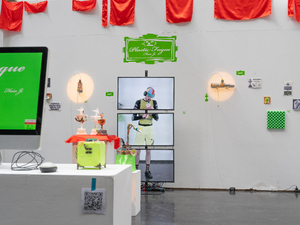
- Plastic Fugue, eine interaktive Klanginstallation, bestehend aus sechs Flöten (air 5-10, air Pp 1), die jeweils nur einen Ton erzeugen und über codierte Dirigierknöpfe ferngesteuert aktiviert werden. Die Reihenfolge der Töne ist jedes Mal zufällig. Die Fuge wird auf ihre Struktur reduziert und in ein Spiel mit Sequenz und Zeit überführt. Anstelle der idealisierten Ordnung stelle ich mir eine offenere Art der Klangmontage vor, eine Art demokratischer Kontrapunkt.
- Plastic Fugue, eine interaktive Klanginstallation, bestehend aus sechs Flöten (air 5-10, air Pp 1), die jeweils nur einen Ton erzeugen und über codierte Dirigierknöpfe ferngesteuert aktiviert werden. Die Reihenfolge der Töne ist jedes Mal zufällig. Die Fuge wird auf ihre Struktur reduziert und in ein Spiel mit Sequenz und Zeit überführt. Anstelle der idealisierten Ordnung stelle ich mir eine offenere Art der Klangmontage vor, eine Art demokratischer Kontrapunkt.
- Medien-Beschreibung (en)
- Plastic Fugue, an interactive sound installation, consisting of six flutes (air 5–10, air Pp 1), each producing only one tone and remotely activated through coded conducting buttons. The sequence of tones is random each time. The fugue is reduced to its structure and transformed into a play with sequence and time. Instead of the idealized order, I imagine a more open way of assembling sound, a kind of democratic counterpoint.
- Plastic Fugue, an interactive sound installation, consisting of six flutes (air 5–10, air Pp 1), each producing only one tone and remotely activated through coded conducting buttons. The sequence of tones is random each time. The fugue is reduced to its structure and transformed into a play with sequence and time. Instead of the idealized order, I imagine a more open way of assembling sound, a kind of democratic counterpoint.
- Projektleiter/in
- Semester
- Studiengang
- Typ der Abschlussarbeit
- Importiert am
- 14.07.2025
- Übergeordnete Sets
- 1
Plastic Fugue
Name that can easily go onto 2 lines
Author that can easily go onto 2 lines as well
- Titel
- Plastic Fugue
- Titel
- Plastic Fugue
- Urheberrechtshinweis
- © Hoin Ji
- Rechtsschutz/Lizenz
- Freigabe Nutzung HfG
- Medienersteller/in
- Beziehung/Funktion
- Medien-Beschreibung
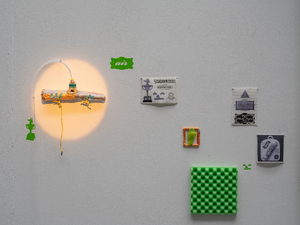
- Plastic Fugue, eine interaktive Klanginstallation, bestehend aus sechs Flöten (air 5-10, air Pp 1), die jeweils nur einen Ton erzeugen und über codierte Dirigierknöpfe ferngesteuert aktiviert werden. Die Reihenfolge der Töne ist jedes Mal zufällig. Die Fuge wird auf ihre Struktur reduziert und in ein Spiel mit Sequenz und Zeit überführt. Anstelle der idealisierten Ordnung stelle ich mir eine offenere Art der Klangmontage vor, eine Art demokratischer Kontrapunkt.
- Plastic Fugue, eine interaktive Klanginstallation, bestehend aus sechs Flöten (air 5-10, air Pp 1), die jeweils nur einen Ton erzeugen und über codierte Dirigierknöpfe ferngesteuert aktiviert werden. Die Reihenfolge der Töne ist jedes Mal zufällig. Die Fuge wird auf ihre Struktur reduziert und in ein Spiel mit Sequenz und Zeit überführt. Anstelle der idealisierten Ordnung stelle ich mir eine offenere Art der Klangmontage vor, eine Art demokratischer Kontrapunkt.
- Medien-Beschreibung (en)
- Plastic Fugue, an interactive sound installation, consisting of six flutes (air 5–10, air Pp 1), each producing only one tone and remotely activated through coded conducting buttons. The sequence of tones is random each time. The fugue is reduced to its structure and transformed into a play with sequence and time. Instead of the idealized order, I imagine a more open way of assembling sound, a kind of democratic counterpoint.
- Plastic Fugue, an interactive sound installation, consisting of six flutes (air 5–10, air Pp 1), each producing only one tone and remotely activated through coded conducting buttons. The sequence of tones is random each time. The fugue is reduced to its structure and transformed into a play with sequence and time. Instead of the idealized order, I imagine a more open way of assembling sound, a kind of democratic counterpoint.
- Projektleiter/in
- Semester
- Studiengang
- Typ der Abschlussarbeit
- Importiert am
- 12.07.2025
- Übergeordnete Sets
- 1
Plastic Fugue
Name that can easily go onto 2 lines
Author that can easily go onto 2 lines as well
- Titel
- Plastic Fugue
- Titel
- Plastic Fugue
- Urheberrechtshinweis
- © Hoin Ji
- Rechtsschutz/Lizenz
- Freigabe Nutzung HfG
- Medienersteller/in
- Beziehung/Funktion
- Medien-Beschreibung
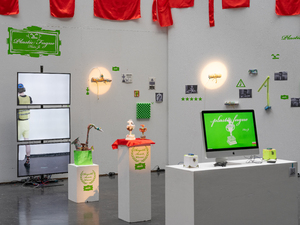
- Plastic Fugue, eine interaktive Klanginstallation, bestehend aus sechs Flöten (air 5-10, air Pp 1), die jeweils nur einen Ton erzeugen und über codierte Dirigierknöpfe ferngesteuert aktiviert werden. Die Reihenfolge der Töne ist jedes Mal zufällig. Die Fuge wird auf ihre Struktur reduziert und in ein Spiel mit Sequenz und Zeit überführt. Anstelle der idealisierten Ordnung stelle ich mir eine offenere Art der Klangmontage vor, eine Art demokratischer Kontrapunkt.
- Plastic Fugue, eine interaktive Klanginstallation, bestehend aus sechs Flöten (air 5-10, air Pp 1), die jeweils nur einen Ton erzeugen und über codierte Dirigierknöpfe ferngesteuert aktiviert werden. Die Reihenfolge der Töne ist jedes Mal zufällig. Die Fuge wird auf ihre Struktur reduziert und in ein Spiel mit Sequenz und Zeit überführt. Anstelle der idealisierten Ordnung stelle ich mir eine offenere Art der Klangmontage vor, eine Art demokratischer Kontrapunkt.
- Medien-Beschreibung (en)
- Plastic Fugue, an interactive sound installation, consisting of six flutes (air 5–10, air Pp 1), each producing only one tone and remotely activated through coded conducting buttons. The sequence of tones is random each time. The fugue is reduced to its structure and transformed into a play with sequence and time. Instead of the idealized order, I imagine a more open way of assembling sound, a kind of democratic counterpoint.
- Plastic Fugue, an interactive sound installation, consisting of six flutes (air 5–10, air Pp 1), each producing only one tone and remotely activated through coded conducting buttons. The sequence of tones is random each time. The fugue is reduced to its structure and transformed into a play with sequence and time. Instead of the idealized order, I imagine a more open way of assembling sound, a kind of democratic counterpoint.
- Projektleiter/in
- Semester
- Studiengang
- Typ der Abschlussarbeit
- Importiert am
- 12.07.2025
- Übergeordnete Sets
- 1
Plastic Fugue
Name that can easily go onto 2 lines
Author that can easily go onto 2 lines as well
- Titel
- Plastic Fugue
- Titel
- Plastic Fugue
- Urheberrechtshinweis
- © Hoin Ji
- Rechtsschutz/Lizenz
- Freigabe Nutzung HfG
- Medienersteller/in
- Beziehung/Funktion
- Medien-Beschreibung
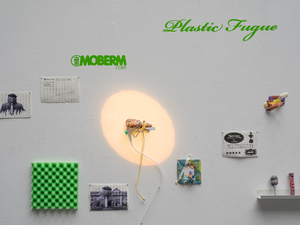
- Plastic Fugue, eine interaktive Klanginstallation, bestehend aus sechs Flöten (air 5-10, air Pp 1), die jeweils nur einen Ton erzeugen und über codierte Dirigierknöpfe ferngesteuert aktiviert werden. Die Reihenfolge der Töne ist jedes Mal zufällig. Die Fuge wird auf ihre Struktur reduziert und in ein Spiel mit Sequenz und Zeit überführt. Anstelle der idealisierten Ordnung stelle ich mir eine offenere Art der Klangmontage vor, eine Art demokratischer Kontrapunkt.
- Medien-Beschreibung (en)
- Plastic Fugue, an interactive sound installation, consisting of six flutes (air 5–10, air Pp 1), each producing only one tone and remotely activated through coded conducting buttons. The sequence of tones is random each time. The fugue is reduced to its structure and transformed into a play with sequence and time. Instead of the idealized order, I imagine a more open way of assembling sound, a kind of democratic counterpoint.
- Projektleiter/in
- Semester
- Studiengang
- Typ der Abschlussarbeit
- Importiert am
- 08.07.2025
- Übergeordnete Sets
- 1
Plastic Fugue
Name that can easily go onto 2 lines
Author that can easily go onto 2 lines as well
- Titel
- Plastic Fugue
- Titel
- Plastic Fugue
- Urheberrechtshinweis
- © Hoin Ji
- Rechtsschutz/Lizenz
- Freigabe Nutzung HfG
- Medienersteller/in
- Beziehung/Funktion
- Medien-Beschreibung
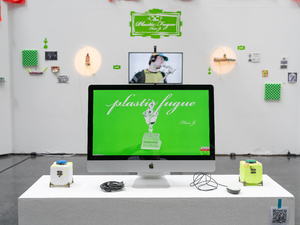
- Plastic Fugue, eine interaktive Klanginstallation, bestehend aus sechs Flöten (air 5-10, air Pp 1), die jeweils nur einen Ton erzeugen und über codierte Dirigierknöpfe ferngesteuert aktiviert werden. Die Reihenfolge der Töne ist jedes Mal zufällig. Die Fuge wird auf ihre Struktur reduziert und in ein Spiel mit Sequenz und Zeit überführt. Anstelle der idealisierten Ordnung stelle ich mir eine offenere Art der Klangmontage vor, eine Art demokratischer Kontrapunkt.
- Plastic Fugue, eine interaktive Klanginstallation, bestehend aus sechs Flöten (air 5-10, air Pp 1), die jeweils nur einen Ton erzeugen und über codierte Dirigierknöpfe ferngesteuert aktiviert werden. Die Reihenfolge der Töne ist jedes Mal zufällig. Die Fuge wird auf ihre Struktur reduziert und in ein Spiel mit Sequenz und Zeit überführt. Anstelle der idealisierten Ordnung stelle ich mir eine offenere Art der Klangmontage vor, eine Art demokratischer Kontrapunkt.
- Medien-Beschreibung (en)
- Plastic Fugue, an interactive sound installation, consisting of six flutes (air 5–10, air Pp 1), each producing only one tone and remotely activated through coded conducting buttons. The sequence of tones is random each time. The fugue is reduced to its structure and transformed into a play with sequence and time. Instead of the idealized order, I imagine a more open way of assembling sound, a kind of democratic counterpoint.
- Plastic Fugue, an interactive sound installation, consisting of six flutes (air 5–10, air Pp 1), each producing only one tone and remotely activated through coded conducting buttons. The sequence of tones is random each time. The fugue is reduced to its structure and transformed into a play with sequence and time. Instead of the idealized order, I imagine a more open way of assembling sound, a kind of democratic counterpoint.
- Projektleiter/in
- Semester
- Studiengang
- Typ der Abschlussarbeit
- Importiert am
- 12.07.2025
- Übergeordnete Sets
- 1
Plastic Fugue
Name that can easily go onto 2 lines
Author that can easily go onto 2 lines as well
- Titel
- Plastic Fugue
- Titel
- Plastic Fugue
- Titel (en)
- Plastic Fugue
- Urheberrechtshinweis
- © Hoin Ji
- Rechtsschutz/Lizenz
- Freigabe Nutzung HfG
- Medienersteller/in
- Beziehung/Funktion
- Medien-Beschreibung
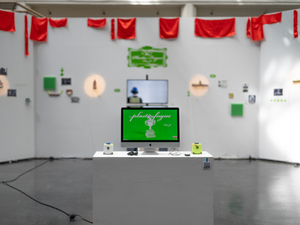
- Plastic Fugue, eine interaktive Klanginstallation, bestehend aus sechs Flöten (air 5-10, air Pp 1), die jeweils nur einen Ton erzeugen und über codierte Dirigierknöpfe ferngesteuert aktiviert werden. Die Reihenfolge der Töne ist jedes Mal zufällig. Die Fuge wird auf ihre Struktur reduziert und in ein Spiel mit Sequenz und Zeit überführt. Anstelle der idealisierten Ordnung stelle ich mir eine offenere Art der Klangmontage vor, eine Art demokratischer Kontrapunkt.
- Plastic Fugue, eine interaktive Klanginstallation, bestehend aus sechs Flöten (air 5-10, air Pp 1), die jeweils nur einen Ton erzeugen und über codierte Dirigierknöpfe ferngesteuert aktiviert werden. Die Reihenfolge der Töne ist jedes Mal zufällig. Die Fuge wird auf ihre Struktur reduziert und in ein Spiel mit Sequenz und Zeit überführt. Anstelle der idealisierten Ordnung stelle ich mir eine offenere Art der Klangmontage vor, eine Art demokratischer Kontrapunkt.
- Medien-Beschreibung (en)
- Plastic Fugue, an interactive sound installation, consisting of six flutes (air 5–10, air Pp 1), each producing only one tone and remotely activated through coded conducting buttons. The sequence of tones is random each time. The fugue is reduced to its structure and transformed into a play with sequence and time. Instead of the idealized order, I imagine a more open way of assembling sound, a kind of democratic counterpoint.
- Plastic Fugue, an interactive sound installation, consisting of six flutes (air 5–10, air Pp 1), each producing only one tone and remotely activated through coded conducting buttons. The sequence of tones is random each time. The fugue is reduced to its structure and transformed into a play with sequence and time. Instead of the idealized order, I imagine a more open way of assembling sound, a kind of democratic counterpoint.
- Projektleiter/in
- Semester
- Studiengang
- Typ der Abschlussarbeit
- Importiert am
- 14.07.2025
- Übergeordnete Sets
- 1
Plastic Fugue
Name that can easily go onto 2 lines
Author that can easily go onto 2 lines as well
- Titel
- Plastic Fugue
- Titel
- Plastic Fugue
- Titel (en)
- Plastic Fugue
- Urheberrechtshinweis
- © Hoin Ji
- Rechtsschutz/Lizenz
- Freigabe Nutzung HfG
- Medienersteller/in
- Beziehung/Funktion
- Medien-Beschreibung
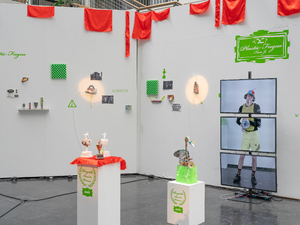
- Plastic Fugue, eine interaktive Klanginstallation, bestehend aus sechs Flöten (air 5-10, air Pp 1), die jeweils nur einen Ton erzeugen und über codierte Dirigierknöpfe ferngesteuert aktiviert werden. Die Reihenfolge der Töne ist jedes Mal zufällig. Die Fuge wird auf ihre Struktur reduziert und in ein Spiel mit Sequenz und Zeit überführt. Anstelle der idealisierten Ordnung stelle ich mir eine offenere Art der Klangmontage vor, eine Art demokratischer Kontrapunkt.
- Plastic Fugue, eine interaktive Klanginstallation, bestehend aus sechs Flöten (air 5-10, air Pp 1), die jeweils nur einen Ton erzeugen und über codierte Dirigierknöpfe ferngesteuert aktiviert werden. Die Reihenfolge der Töne ist jedes Mal zufällig. Die Fuge wird auf ihre Struktur reduziert und in ein Spiel mit Sequenz und Zeit überführt. Anstelle der idealisierten Ordnung stelle ich mir eine offenere Art der Klangmontage vor, eine Art demokratischer Kontrapunkt.
- Medien-Beschreibung (en)
- Plastic Fugue, an interactive sound installation, consisting of six flutes (air 5–10, air Pp 1), each producing only one tone and remotely activated through coded conducting buttons. The sequence of tones is random each time. The fugue is reduced to its structure and transformed into a play with sequence and time. Instead of the idealized order, I imagine a more open way of assembling sound, a kind of democratic counterpoint.
- Plastic Fugue, an interactive sound installation, consisting of six flutes (air 5–10, air Pp 1), each producing only one tone and remotely activated through coded conducting buttons. The sequence of tones is random each time. The fugue is reduced to its structure and transformed into a play with sequence and time. Instead of the idealized order, I imagine a more open way of assembling sound, a kind of democratic counterpoint.
- Projektleiter/in
- Semester
- Studiengang
- Typ der Abschlussarbeit
- Importiert am
- 14.07.2025
- Übergeordnete Sets
- 1
Plastic Fugue
Name that can easily go onto 2 lines
Author that can easily go onto 2 lines as well
- Titel
- Plastic Fugue
- Titel
- Plastic Fugue
- Urheberrechtshinweis
- © Hoin Ji
- Rechtsschutz/Lizenz
- Freigabe Nutzung HfG
- Medienersteller/in
- Beziehung/Funktion
- Medien-Beschreibung
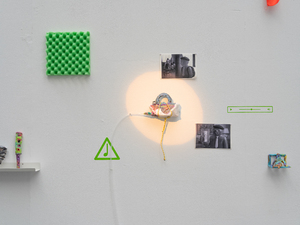
- Plastic Fugue, eine interaktive Klanginstallation, bestehend aus sechs Flöten (air 5-10, air Pp 1), die jeweils nur einen Ton erzeugen und über codierte Dirigierknöpfe ferngesteuert aktiviert werden. Die Reihenfolge der Töne ist jedes Mal zufällig. Die Fuge wird auf ihre Struktur reduziert und in ein Spiel mit Sequenz und Zeit überführt. Anstelle der idealisierten Ordnung stelle ich mir eine offenere Art der Klangmontage vor, eine Art demokratischer Kontrapunkt.
- Medien-Beschreibung (en)
- Plastic Fugue, an interactive sound installation, consisting of six flutes (air 5–10, air Pp 1), each producing only one tone and remotely activated through coded conducting buttons. The sequence of tones is random each time. The fugue is reduced to its structure and transformed into a play with sequence and time. Instead of the idealized order, I imagine a more open way of assembling sound, a kind of democratic counterpoint.
- Projektleiter/in
- Semester
- Studiengang
- Typ der Abschlussarbeit
- Importiert am
- 08.07.2025
- Übergeordnete Sets
- 1
Plastic Fugue
Name that can easily go onto 2 lines
Author that can easily go onto 2 lines as well
- Titel
- Plastic Fugue
- Titel
- Plastic Fugue
- Titel (en)
- Plastic Fugue
- Urheberrechtshinweis
- © Hoin Ji
- Rechtsschutz/Lizenz
- Freigabe Nutzung HfG
- Medienersteller/in
- Beziehung/Funktion
- Medien-Beschreibung
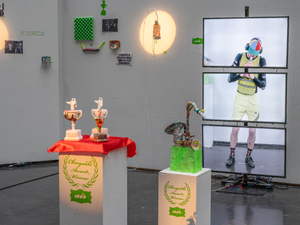
- Plastic Fugue, eine interaktive Klanginstallation, bestehend aus sechs Flöten (air 5-10, air Pp 1), die jeweils nur einen Ton erzeugen und über codierte Dirigierknöpfe ferngesteuert aktiviert werden. Die Reihenfolge der Töne ist jedes Mal zufällig. Die Fuge wird auf ihre Struktur reduziert und in ein Spiel mit Sequenz und Zeit überführt. Anstelle der idealisierten Ordnung stelle ich mir eine offenere Art der Klangmontage vor, eine Art demokratischer Kontrapunkt.
- Plastic Fugue, eine interaktive Klanginstallation, bestehend aus sechs Flöten (air 5-10, air Pp 1), die jeweils nur einen Ton erzeugen und über codierte Dirigierknöpfe ferngesteuert aktiviert werden. Die Reihenfolge der Töne ist jedes Mal zufällig. Die Fuge wird auf ihre Struktur reduziert und in ein Spiel mit Sequenz und Zeit überführt. Anstelle der idealisierten Ordnung stelle ich mir eine offenere Art der Klangmontage vor, eine Art demokratischer Kontrapunkt.
- Medien-Beschreibung (en)
- Plastic Fugue, an interactive sound installation, consisting of six flutes (air 5–10, air Pp 1), each producing only one tone and remotely activated through coded conducting buttons. The sequence of tones is random each time. The fugue is reduced to its structure and transformed into a play with sequence and time. Instead of the idealized order, I imagine a more open way of assembling sound, a kind of democratic counterpoint.
- Plastic Fugue, an interactive sound installation, consisting of six flutes (air 5–10, air Pp 1), each producing only one tone and remotely activated through coded conducting buttons. The sequence of tones is random each time. The fugue is reduced to its structure and transformed into a play with sequence and time. Instead of the idealized order, I imagine a more open way of assembling sound, a kind of democratic counterpoint.
- Projektleiter/in
- Semester
- Studiengang
- Typ der Abschlussarbeit
- Importiert am
- 14.07.2025
- Übergeordnete Sets
- 1
Plastic Fugue
Name that can easily go onto 2 lines
Author that can easily go onto 2 lines as well
- Titel
- Plastic Fugue
- Titel
- Plastic Fugue
- Urheberrechtshinweis
- © Hoin Ji
- Rechtsschutz/Lizenz
- Freigabe Nutzung HfG
- Medienersteller/in
- Beziehung/Funktion
- Medien-Beschreibung
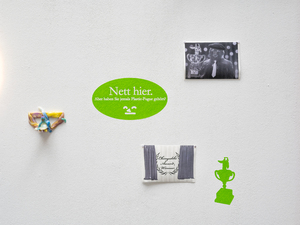
- Plastic Fugue, eine interaktive Klanginstallation, bestehend aus sechs Flöten (air 5-10, air Pp 1), die jeweils nur einen Ton erzeugen und über codierte Dirigierknöpfe ferngesteuert aktiviert werden. Die Reihenfolge der Töne ist jedes Mal zufällig. Die Fuge wird auf ihre Struktur reduziert und in ein Spiel mit Sequenz und Zeit überführt. Anstelle der idealisierten Ordnung stelle ich mir eine offenere Art der Klangmontage vor, eine Art demokratischer Kontrapunkt.
- Plastic Fugue, eine interaktive Klanginstallation, bestehend aus sechs Flöten (air 5-10, air Pp 1), die jeweils nur einen Ton erzeugen und über codierte Dirigierknöpfe ferngesteuert aktiviert werden. Die Reihenfolge der Töne ist jedes Mal zufällig. Die Fuge wird auf ihre Struktur reduziert und in ein Spiel mit Sequenz und Zeit überführt. Anstelle der idealisierten Ordnung stelle ich mir eine offenere Art der Klangmontage vor, eine Art demokratischer Kontrapunkt.
- Medien-Beschreibung (en)
- Plastic Fugue, an interactive sound installation, consisting of six flutes (air 5–10, air Pp 1), each producing only one tone and remotely activated through coded conducting buttons. The sequence of tones is random each time. The fugue is reduced to its structure and transformed into a play with sequence and time. Instead of the idealized order, I imagine a more open way of assembling sound, a kind of democratic counterpoint.
- Plastic Fugue, an interactive sound installation, consisting of six flutes (air 5–10, air Pp 1), each producing only one tone and remotely activated through coded conducting buttons. The sequence of tones is random each time. The fugue is reduced to its structure and transformed into a play with sequence and time. Instead of the idealized order, I imagine a more open way of assembling sound, a kind of democratic counterpoint.
- Projektleiter/in
- Semester
- Studiengang
- Typ der Abschlussarbeit
- Importiert am
- 12.07.2025
- Übergeordnete Sets
- 1
Plastic Fugue
Name that can easily go onto 2 lines
Author that can easily go onto 2 lines as well
- Titel
- Plastic Fugue
- Titel
- Plastic Fugue
- Urheberrechtshinweis
- © Hoin Ji
- Rechtsschutz/Lizenz
- Freigabe Nutzung HfG
- Medienersteller/in
- Beziehung/Funktion
- Medien-Beschreibung
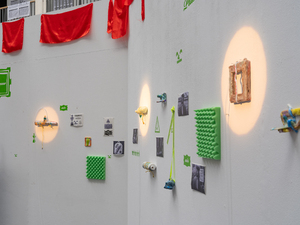
- Plastic Fugue, eine interaktive Klanginstallation, bestehend aus sechs Flöten (air 5-10, air Pp 1), die jeweils nur einen Ton erzeugen und über codierte Dirigierknöpfe ferngesteuert aktiviert werden. Die Reihenfolge der Töne ist jedes Mal zufällig. Die Fuge wird auf ihre Struktur reduziert und in ein Spiel mit Sequenz und Zeit überführt. Anstelle der idealisierten Ordnung stelle ich mir eine offenere Art der Klangmontage vor, eine Art demokratischer Kontrapunkt.
- Plastic Fugue, eine interaktive Klanginstallation, bestehend aus sechs Flöten (air 5-10, air Pp 1), die jeweils nur einen Ton erzeugen und über codierte Dirigierknöpfe ferngesteuert aktiviert werden. Die Reihenfolge der Töne ist jedes Mal zufällig. Die Fuge wird auf ihre Struktur reduziert und in ein Spiel mit Sequenz und Zeit überführt. Anstelle der idealisierten Ordnung stelle ich mir eine offenere Art der Klangmontage vor, eine Art demokratischer Kontrapunkt.
- Medien-Beschreibung (en)
- Plastic Fugue, an interactive sound installation, consisting of six flutes (air 5–10, air Pp 1), each producing only one tone and remotely activated through coded conducting buttons. The sequence of tones is random each time. The fugue is reduced to its structure and transformed into a play with sequence and time. Instead of the idealized order, I imagine a more open way of assembling sound, a kind of democratic counterpoint.
- Projektleiter/in
- Semester
- Studiengang
- Typ der Abschlussarbeit
- Importiert am
- 12.07.2025
- Übergeordnete Sets
- 1
Plastic Fugue
Name that can easily go onto 2 lines
Author that can easily go onto 2 lines as well
- Titel
- Plastic Fugue
- Titel
- Plastic Fugue
- Urheberrechtshinweis
- © Hoin Ji
- Rechtsschutz/Lizenz
- Freigabe Nutzung HfG
- Medienersteller/in
- Beziehung/Funktion
- Medien-Beschreibung
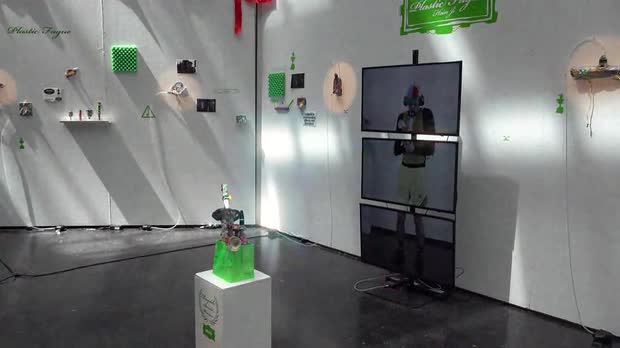
- Plastic Fugue, eine interaktive Klanginstallation, bestehend aus sechs Flöten (air 5-10, air Pp 1), die jeweils nur einen Ton erzeugen und über codierte Dirigierknöpfe ferngesteuert aktiviert werden. Die Reihenfolge der Töne ist jedes Mal zufällig. Die Fuge wird auf ihre Struktur reduziert und in ein Spiel mit Sequenz und Zeit überführt. Anstelle der idealisierten Ordnung stelle ich mir eine offenere Art der Klangmontage vor, eine Art demokratischer Kontrapunkt.
- Plastic Fugue, eine interaktive Klanginstallation, bestehend aus sechs Flöten (air 5-10, air Pp 1), die jeweils nur einen Ton erzeugen und über codierte Dirigierknöpfe ferngesteuert aktiviert werden. Die Reihenfolge der Töne ist jedes Mal zufällig. Die Fuge wird auf ihre Struktur reduziert und in ein Spiel mit Sequenz und Zeit überführt. Anstelle der idealisierten Ordnung stelle ich mir eine offenere Art der Klangmontage vor, eine Art demokratischer Kontrapunkt.
- Medien-Beschreibung (en)
- Plastic Fugue, an interactive sound installation, consisting of six flutes (air 5–10, air Pp 1), each producing only one tone and remotely activated through coded conducting buttons. The sequence of tones is random each time. The fugue is reduced to its structure and transformed into a play with sequence and time. Instead of the idealized order, I imagine a more open way of assembling sound, a kind of democratic counterpoint.
- Plastic Fugue, an interactive sound installation, consisting of six flutes (air 5–10, air Pp 1), each producing only one tone and remotely activated through coded conducting buttons. The sequence of tones is random each time. The fugue is reduced to its structure and transformed into a play with sequence and time. Instead of the idealized order, I imagine a more open way of assembling sound, a kind of democratic counterpoint.
- Projektleiter/in
- Semester
- Studiengang
- Typ der Abschlussarbeit
- Importiert am
- 12.07.2025
- Übergeordnete Sets
- 1