"Wintersemester 2015/2016"
| Term | Wintersemester 2015/2016 |
| Metakey | Semester (institution:semester) |
| Type | Keyword |
| Vocabulary | HfG |
12 Items
- Page 1 of 1
Teilnahme in Bewegung Abstract
Name that can easily go onto 2 lines
Author that can easily go onto 2 lines as well
- Title
- Teilnahme in Bewegung Abstract
- Subtitle
- die Funktion der Partizipation des Publikums in choreografischer Performance-Kunst
- Author
- Description (de)
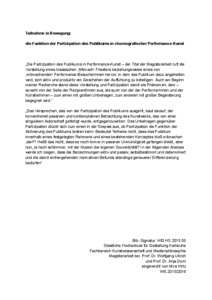
- „Die Partizipation des Publikums in Performance-Kunst – der Titel der Magisterarbeit – ruft die Vorstellung eines klassischen ,Mitmach‘-Theaters beziehungsweise eines von ,mitmachenden‘ Performance-BesucherInnen hervor, in dem das Publikum dazu angehalten wird, sich aktiv und produktiv am Geschehen der Aufführung zu beteiligen. Auch am Beginn meiner Recherche stand diese Vorstellung und Partizipation damit als Phänomen, dem – sowohl von der Seite der RezipientInnen aus, als auch von der der PerformerInnen und der KünstlerInnen – zum einen mit großen Unbehagen, zum anderen mit großer Begeisterung begegnet wird.”
„Das Versprechen, das von der Partizipation des Publikums ausgeht, baut darauf, der konventionell passiven und kontemplativen Betrachtung des Kunstwerks, das von einer singulären Autorschaft gefertigt wurde, entgegenzuwirken. Das Unbehagen gegenüber Partizipation drückt sich zum einen in der Skepsis aus, ob Partizipation die Funktion der Aktivierung des Publikums leisten kann. Bedeutet Teilhabe nicht, dass das Publikum innerhalb eines festgelegten Rahmens und eines bestehenden Konzeptes bloß mitmachen ,darf‘? Heißt das nicht, dass es noch immer in passiver Unmündigkeit gefangen bleibt, aber nun, ja noch schlimmer, mit der Illusion der eigenen Souveränität? In der folgenden Analyse werde ich zeigen, dass die Bezeichnungen aktiv und passiv, selbstbestimmt und determiniert und die damit einhergehenden normativen Befunde allerdings genauerer Differenzierung bedürfen.”
- „Die Partizipation des Publikums in Performance-Kunst – der Titel der Magisterarbeit – ruft die Vorstellung eines klassischen ,Mitmach‘-Theaters beziehungsweise eines von ,mitmachenden‘ Performance-BesucherInnen hervor, in dem das Publikum dazu angehalten wird, sich aktiv und produktiv am Geschehen der Aufführung zu beteiligen. Auch am Beginn meiner Recherche stand diese Vorstellung und Partizipation damit als Phänomen, dem – sowohl von der Seite der RezipientInnen aus, als auch von der der PerformerInnen und der KünstlerInnen – zum einen mit großen Unbehagen, zum anderen mit großer Begeisterung begegnet wird.”
- Description (en)
- ‘The participation of the audience in performance art - the title of the master's thesis - evokes the idea of a classic ‘participatory’ theatre or one of ‘participating’ performance visitors, in which the audience is encouraged to actively and productively participate in the events of the performance. At the beginning of my research, this idea and participation was also a phenomenon that was met with great discomfort on the one hand and great enthusiasm on the other, both on the part of the recipients and the performers and artists.’
‘The promise of audience participation is based on counteracting the conventionally passive and contemplative view of the artwork produced by a singular authorship. The unease about participation is expressed on the one hand in the scepticism as to whether participation can fulfil the function of activating the audience. Doesn't participation mean that the audience is merely ‘allowed’ to take part within a fixed framework and an existing concept? Does this not mean that they are still trapped in passive immaturity, but now, even worse, with the illusion of their own sovereignty? In the following analysis, I will show that the terms active and passive, self-determined and determined and the associated normative findings require more precise differentiation.’
- ‘The participation of the audience in performance art - the title of the master's thesis - evokes the idea of a classic ‘participatory’ theatre or one of ‘participating’ performance visitors, in which the audience is encouraged to actively and productively participate in the events of the performance. At the beginning of my research, this idea and participation was also a phenomenon that was met with great discomfort on the one hand and great enthusiasm on the other, both on the part of the recipients and the performers and artists.’
- Category
- Type of project / creative work
- Keywords
- Language
- Location: institution
- Title
- Teilnahme in Bewegung Abstract
- Subtitle
- die Funktion der Partizipation des Publikums in choreografischer Performance-Kunst
- Copyright Notice
- © Mira Hirtz
- Legal protection / Licence
- Permission usage HfG
- Media creator
- Relationship/function
- Projektleiter/in
- Semester
- Program of Study
- Type of graduation project
- Archive signature
- HfG HS 2015 05
- External archive
- Imported on
- 30.03.2025
- Parent sets
- 1
Teilnahme in Bewegung Magisterarbeit (geschw.)
Name that can easily go onto 2 lines
Author that can easily go onto 2 lines as well
- Title
- Teilnahme in Bewegung Magisterarbeit (geschw.)
- Subtitle
- die Funktion der Partizipation des Publikums in choreografischer Performance-Kunst
- Author
- Description (de)
- „Die Partizipation des Publikums in Performance-Kunst – der Titel der Magisterarbeit – ruft die Vorstellung eines klassischen ,Mitmach‘-Theaters beziehungsweise eines von ,mitmachenden‘ Performance-BesucherInnen hervor, in dem das Publikum dazu angehalten wird, sich aktiv und produktiv am Geschehen der Aufführung zu beteiligen. Auch am Beginn meiner Recherche stand diese Vorstellung und Partizipation damit als Phänomen, dem – sowohl von der Seite der RezipientInnen aus, als auch von der der PerformerInnen und der KünstlerInnen – zum einen mit großen Unbehagen, zum anderen mit großer Begeisterung begegnet wird.”
„Das Versprechen, das von der Partizipation des Publikums ausgeht, baut darauf, der konventionell passiven und kontemplativen Betrachtung des Kunstwerks, das von einer singulären Autorschaft gefertigt wurde, entgegenzuwirken. Das Unbehagen gegenüber Partizipation drückt sich zum einen in der Skepsis aus, ob Partizipation die Funktion der Aktivierung des Publikums leisten kann. Bedeutet Teilhabe nicht, dass das Publikum innerhalb eines festgelegten Rahmens und eines bestehenden Konzeptes bloß mitmachen ,darf‘? Heißt das nicht, dass es noch immer in passiver Unmündigkeit gefangen bleibt, aber nun, ja noch schlimmer, mit der Illusion der eigenen Souveränität? In der folgenden Analyse werde ich zeigen, dass die Bezeichnungen aktiv und passiv, selbstbestimmt und determiniert und die damit einhergehenden normativen Befunde allerdings genauerer Differenzierung bedürfen.”
- „Die Partizipation des Publikums in Performance-Kunst – der Titel der Magisterarbeit – ruft die Vorstellung eines klassischen ,Mitmach‘-Theaters beziehungsweise eines von ,mitmachenden‘ Performance-BesucherInnen hervor, in dem das Publikum dazu angehalten wird, sich aktiv und produktiv am Geschehen der Aufführung zu beteiligen. Auch am Beginn meiner Recherche stand diese Vorstellung und Partizipation damit als Phänomen, dem – sowohl von der Seite der RezipientInnen aus, als auch von der der PerformerInnen und der KünstlerInnen – zum einen mit großen Unbehagen, zum anderen mit großer Begeisterung begegnet wird.”
- Description (en)
- ‘The participation of the audience in performance art - the title of the master's thesis - evokes the idea of a classic ‘participatory’ theatre or one of ‘participating’ performance visitors, in which the audience is encouraged to actively and productively participate in the events of the performance. At the beginning of my research, this idea and participation was also a phenomenon that was met with great discomfort on the one hand and great enthusiasm on the other, both on the part of the recipients and the performers and artists.’
‘The promise of audience participation is based on counteracting the conventionally passive and contemplative view of the artwork produced by a singular authorship. The unease about participation is expressed on the one hand in the scepticism as to whether participation can fulfil the function of activating the audience. Doesn't participation mean that the audience is merely ‘allowed’ to take part within a fixed framework and an existing concept? Does this not mean that they are still trapped in passive immaturity, but now, even worse, with the illusion of their own sovereignty? In the following analysis, I will show that the terms active and passive, self-determined and determined and the associated normative findings require more precise differentiation.’
- ‘The participation of the audience in performance art - the title of the master's thesis - evokes the idea of a classic ‘participatory’ theatre or one of ‘participating’ performance visitors, in which the audience is encouraged to actively and productively participate in the events of the performance. At the beginning of my research, this idea and participation was also a phenomenon that was met with great discomfort on the one hand and great enthusiasm on the other, both on the part of the recipients and the performers and artists.’
- Category
- Type of project / creative work
- Keywords
- Language
- Location: institution
- Title
- Teilnahme in Bewegung Magisterarbeit (geschw.)
- Subtitle
- die Funktion der Partizipation des Publikums in choreografischer Performance-Kunst
- Copyright Notice
- © Mira Hirtz
- Legal protection / Licence
- Permission usage HfG
- Media creator
- Relationship/function
- Description of media (en)
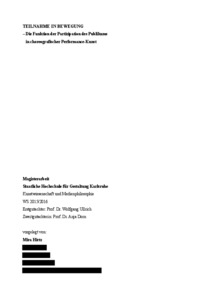
- censored version
- Projektleiter/in
- Semester
- Program of Study
- Type of graduation project
- Archive signature
- HfG HS 2015 05
- External archive
- Imported on
- 30.03.2025
- Parent sets
- 1
Teilnahme in Bewegung Decklblatt
Name that can easily go onto 2 lines
Author that can easily go onto 2 lines as well
- Title
- Teilnahme in Bewegung Decklblatt
- Subtitle
- die Funktion der Partizipation des Publikums in choreografischer Performance-Kunst
- Author
- Description (de)
- „Die Partizipation des Publikums in Performance-Kunst – der Titel der Magisterarbeit – ruft die Vorstellung eines klassischen ,Mitmach‘-Theaters beziehungsweise eines von ,mitmachenden‘ Performance-BesucherInnen hervor, in dem das Publikum dazu angehalten wird, sich aktiv und produktiv am Geschehen der Aufführung zu beteiligen. Auch am Beginn meiner Recherche stand diese Vorstellung und Partizipation damit als Phänomen, dem – sowohl von der Seite der RezipientInnen aus, als auch von der der PerformerInnen und der KünstlerInnen – zum einen mit großen Unbehagen, zum anderen mit großer Begeisterung begegnet wird.”
„Das Versprechen, das von der Partizipation des Publikums ausgeht, baut darauf, der konventionell passiven und kontemplativen Betrachtung des Kunstwerks, das von einer singulären Autorschaft gefertigt wurde, entgegenzuwirken. Das Unbehagen gegenüber Partizipation drückt sich zum einen in der Skepsis aus, ob Partizipation die Funktion der Aktivierung des Publikums leisten kann. Bedeutet Teilhabe nicht, dass das Publikum innerhalb eines festgelegten Rahmens und eines bestehenden Konzeptes bloß mitmachen ,darf‘? Heißt das nicht, dass es noch immer in passiver Unmündigkeit gefangen bleibt, aber nun, ja noch schlimmer, mit der Illusion der eigenen Souveränität? In der folgenden Analyse werde ich zeigen, dass die Bezeichnungen aktiv und passiv, selbstbestimmt und determiniert und die damit einhergehenden normativen Befunde allerdings genauerer Differenzierung bedürfen.”
- „Die Partizipation des Publikums in Performance-Kunst – der Titel der Magisterarbeit – ruft die Vorstellung eines klassischen ,Mitmach‘-Theaters beziehungsweise eines von ,mitmachenden‘ Performance-BesucherInnen hervor, in dem das Publikum dazu angehalten wird, sich aktiv und produktiv am Geschehen der Aufführung zu beteiligen. Auch am Beginn meiner Recherche stand diese Vorstellung und Partizipation damit als Phänomen, dem – sowohl von der Seite der RezipientInnen aus, als auch von der der PerformerInnen und der KünstlerInnen – zum einen mit großen Unbehagen, zum anderen mit großer Begeisterung begegnet wird.”
- Description (en)
- ‘The participation of the audience in performance art - the title of the master's thesis - evokes the idea of a classic ‘participatory’ theatre or one of ‘participating’ performance visitors, in which the audience is encouraged to actively and productively participate in the events of the performance. At the beginning of my research, this idea and participation was also a phenomenon that was met with great discomfort on the one hand and great enthusiasm on the other, both on the part of the recipients and the performers and artists.’
‘The promise of audience participation is based on counteracting the conventionally passive and contemplative view of the artwork produced by a singular authorship. The unease about participation is expressed on the one hand in the scepticism as to whether participation can fulfil the function of activating the audience. Doesn't participation mean that the audience is merely ‘allowed’ to take part within a fixed framework and an existing concept? Does this not mean that they are still trapped in passive immaturity, but now, even worse, with the illusion of their own sovereignty? In the following analysis, I will show that the terms active and passive, self-determined and determined and the associated normative findings require more precise differentiation.’
- ‘The participation of the audience in performance art - the title of the master's thesis - evokes the idea of a classic ‘participatory’ theatre or one of ‘participating’ performance visitors, in which the audience is encouraged to actively and productively participate in the events of the performance. At the beginning of my research, this idea and participation was also a phenomenon that was met with great discomfort on the one hand and great enthusiasm on the other, both on the part of the recipients and the performers and artists.’
- Category
- Type of project / creative work
- Keywords
- Language
- Location: institution
- Title
- Teilnahme in Bewegung Decklblatt
- Subtitle
- die Funktion der Partizipation des Publikums in choreografischer Performance-Kunst
- Copyright Notice
- © Mira Hirtz
- Legal protection / Licence
- Permission usage HfG
- Media creator
- Projektleiter/in
- Semester
- Program of Study
- Type of graduation project
- Archive signature
- HfG HS 2015 05
- External archive
- Imported on
- 30.03.2025
- Parent sets
- 1
Teilnahme in Bewegung Inhaltsverzeichnis
Name that can easily go onto 2 lines
Author that can easily go onto 2 lines as well
- Title
- Teilnahme in Bewegung Inhaltsverzeichnis
- Subtitle
- die Funktion der Partizipation des Publikums in choreografischer Performance-Kunst
- Author
- Description (de)
- „Die Partizipation des Publikums in Performance-Kunst – der Titel der Magisterarbeit – ruft die Vorstellung eines klassischen ,Mitmach‘-Theaters beziehungsweise eines von ,mitmachenden‘ Performance-BesucherInnen hervor, in dem das Publikum dazu angehalten wird, sich aktiv und produktiv am Geschehen der Aufführung zu beteiligen. Auch am Beginn meiner Recherche stand diese Vorstellung und Partizipation damit als Phänomen, dem – sowohl von der Seite der RezipientInnen aus, als auch von der der PerformerInnen und der KünstlerInnen – zum einen mit großen Unbehagen, zum anderen mit großer Begeisterung begegnet wird.”
„Das Versprechen, das von der Partizipation des Publikums ausgeht, baut darauf, der konventionell passiven und kontemplativen Betrachtung des Kunstwerks, das von einer singulären Autorschaft gefertigt wurde, entgegenzuwirken. Das Unbehagen gegenüber Partizipation drückt sich zum einen in der Skepsis aus, ob Partizipation die Funktion der Aktivierung des Publikums leisten kann. Bedeutet Teilhabe nicht, dass das Publikum innerhalb eines festgelegten Rahmens und eines bestehenden Konzeptes bloß mitmachen ,darf‘? Heißt das nicht, dass es noch immer in passiver Unmündigkeit gefangen bleibt, aber nun, ja noch schlimmer, mit der Illusion der eigenen Souveränität? In der folgenden Analyse werde ich zeigen, dass die Bezeichnungen aktiv und passiv, selbstbestimmt und determiniert und die damit einhergehenden normativen Befunde allerdings genauerer Differenzierung bedürfen.”
- „Die Partizipation des Publikums in Performance-Kunst – der Titel der Magisterarbeit – ruft die Vorstellung eines klassischen ,Mitmach‘-Theaters beziehungsweise eines von ,mitmachenden‘ Performance-BesucherInnen hervor, in dem das Publikum dazu angehalten wird, sich aktiv und produktiv am Geschehen der Aufführung zu beteiligen. Auch am Beginn meiner Recherche stand diese Vorstellung und Partizipation damit als Phänomen, dem – sowohl von der Seite der RezipientInnen aus, als auch von der der PerformerInnen und der KünstlerInnen – zum einen mit großen Unbehagen, zum anderen mit großer Begeisterung begegnet wird.”
- Description (en)
- ‘The participation of the audience in performance art - the title of the master's thesis - evokes the idea of a classic ‘participatory’ theatre or one of ‘participating’ performance visitors, in which the audience is encouraged to actively and productively participate in the events of the performance. At the beginning of my research, this idea and participation was also a phenomenon that was met with great discomfort on the one hand and great enthusiasm on the other, both on the part of the recipients and the performers and artists.’
‘The promise of audience participation is based on counteracting the conventionally passive and contemplative view of the artwork produced by a singular authorship. The unease about participation is expressed on the one hand in the scepticism as to whether participation can fulfil the function of activating the audience. Doesn't participation mean that the audience is merely ‘allowed’ to take part within a fixed framework and an existing concept? Does this not mean that they are still trapped in passive immaturity, but now, even worse, with the illusion of their own sovereignty? In the following analysis, I will show that the terms active and passive, self-determined and determined and the associated normative findings require more precise differentiation.’
- ‘The participation of the audience in performance art - the title of the master's thesis - evokes the idea of a classic ‘participatory’ theatre or one of ‘participating’ performance visitors, in which the audience is encouraged to actively and productively participate in the events of the performance. At the beginning of my research, this idea and participation was also a phenomenon that was met with great discomfort on the one hand and great enthusiasm on the other, both on the part of the recipients and the performers and artists.’
- Category
- Type of project / creative work
- Keywords
- Language
- Location: institution
- Title
- Teilnahme in Bewegung Inhaltsverzeichnis
- Subtitle
- die Funktion der Partizipation des Publikums in choreografischer Performance-Kunst
- Copyright Notice
- © Mira Hirtz
- Legal protection / Licence
- Permission usage HfG
- Media creator
- Relationship/function
- Projektleiter/in
- Semester
- Program of Study
- Type of graduation project
- Archive signature
- HfG HS 2015 05
- External archive
- Imported on
- 30.03.2025
- Parent sets
- 1
MAS 002
Name that can easily go onto 2 lines
Author that can easily go onto 2 lines as well
- Title
- MAS 002
- Subtitle
- Stanisław Zamecznik
- Author
- Description (de)
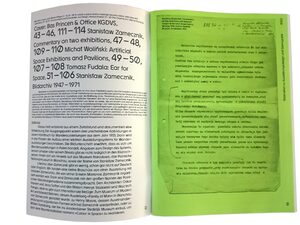
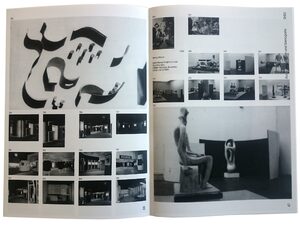
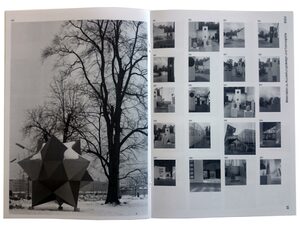
- Die zweite Ausgabe von ‚Materialien für Ausstellungsdesign & Szenografie’ zeigt das Werk des polnischen Architekten Stanisław Zamecznik (1909-71), der fast ausschließlich als Ausstellungsgestalter gearbeitet hat und damit eine wichtige Position in der polnischen Nachkriegsmoderne formulierte. Als Ausstellungsdesigner bewegte er sich am Rand der Architekturprofession und wusste die dort auffindbaren Freiräume für radikale gestalterische Experimente zu nutzen. Im Werk von Zamecznik überschneiden sich einige wichtige Diskurse der Nachkriegszeit: Die Infragestellung des Funktionalismus in der Architektur, die Öffnung zu freieren Formen und Alltagspraxen der Menschen, die Verschmelzung von Skulptur und Malerei zu Rauminstallationen und die damit verbundene aktive Rolle der Betrachter.
- Description (en)
- The second edition of "Materials for Exhibition Design & Scenography" presents the work of Polish architect Stanisław Zamecznik (1909-71), who worked almost exclusively as an exhibition designer and thus formulated an important position in Polish post-war modernism. As an exhibition designer, he worked on the fringes of the architectural profession and knew how to use the freedom found there for radical design experiments. Several important discourses of the post-war period overlap in Zamecznik's work: the questioning of functionalism in architecture, the opening up to freer forms and people's everyday practices, the merging of sculpture and painting into spatial installations and the associated active role of the viewer.
- Type of project / creative work
- Keywords
- Contributors
- Language
- Dimensions
- DIN A4
- Location: institution
- City
- Country
- Remarks
- Heft 2: Stanisław Zamecznik
76 Seiten
527 Abb., s/w.
Cover: Bas Princen & Office KGDVS, „Wall Pavilion“, Installation auf der Architekturbiennale Shenzhen, 2012. Pavillon aus Backsteinmauerwerk mit drei großformatigen Fotografien einer antiken Mauer um den Ägyptischen Tempel von Dendera.
Grafik Credits: Johannes Hucht, Yannick Nuss
- Heft 2: Stanisław Zamecznik
- Title
- MAS 002
- Subtitle
- Stanisław Zamecznik
- Copyright Notice
- Ausstellungsdesign und Szenografie, Staatliche Hochschule für Gestaltung; Grafik: Johannes Hucht, Yannick Nuss; Cover: Bas Princen & Office KGDVS
- Legal protection / Licence
- Relationship/function
- Projektleiter/in
- Semester
- Course, Lecture, Seminar
- Imported on
- 24.05.2023
- Parent sets
- 1
MAS 002
Name that can easily go onto 2 lines
Author that can easily go onto 2 lines as well
- Title
- MAS 002
- Subtitle
- Stanisław Zamecznik
- Author
- Description (de)
- Die zweite Ausgabe von ‚Materialien für Ausstellungsdesign & Szenografie’ zeigt das Werk des polnischen Architekten Stanisław Zamecznik (1909-71), der fast ausschließlich als Ausstellungsgestalter gearbeitet hat und damit eine wichtige Position in der polnischen Nachkriegsmoderne formulierte. Als Ausstellungsdesigner bewegte er sich am Rand der Architekturprofession und wusste die dort auffindbaren Freiräume für radikale gestalterische Experimente zu nutzen. Im Werk von Zamecznik überschneiden sich einige wichtige Diskurse der Nachkriegszeit: Die Infragestellung des Funktionalismus in der Architektur, die Öffnung zu freieren Formen und Alltagspraxen der Menschen, die Verschmelzung von Skulptur und Malerei zu Rauminstallationen und die damit verbundene aktive Rolle der Betrachter.
- Description (en)
- The second edition of "Materials for Exhibition Design & Scenography" presents the work of Polish architect Stanisław Zamecznik (1909-71), who worked almost exclusively as an exhibition designer and thus formulated an important position in Polish post-war modernism. As an exhibition designer, he worked on the fringes of the architectural profession and knew how to use the freedom found there for radical design experiments. Several important discourses of the post-war period overlap in Zamecznik's work: the questioning of functionalism in architecture, the opening up to freer forms and people's everyday practices, the merging of sculpture and painting into spatial installations and the associated active role of the viewer.
- Type of project / creative work
- Keywords
- Contributors
- Language
- Dimensions
- DIN A4
- Location: institution
- City
- Country
- Remarks
- Heft 2: Stanisław Zamecznik
76 Seiten
527 Abb., s/w.
Cover: Bas Princen & Office KGDVS, „Wall Pavilion“, Installation auf der Architekturbiennale Shenzhen, 2012. Pavillon aus Backsteinmauerwerk mit drei großformatigen Fotografien einer antiken Mauer um den Ägyptischen Tempel von Dendera.
Grafik Credits: Johannes Hucht, Yannick Nuss
- Heft 2: Stanisław Zamecznik
- Title
- MAS 002
- Subtitle
- Stanisław Zamecznik
- Copyright Notice
- Ausstellungsdesign und Szenografie, Staatliche Hochschule für Gestaltung; Grafik: Johannes Hucht, Yannick Nuss; Cover: Bas Princen & Office KGDVS
- Legal protection / Licence
- Relationship/function
- Projektleiter/in
- Semester
- Course, Lecture, Seminar
- Imported on
- 24.05.2023
- Parent sets
- 1
MAS 002
Name that can easily go onto 2 lines
Author that can easily go onto 2 lines as well
- Title
- MAS 002
- Subtitle
- Stanisław Zamecznik
- Author
- Description (de)
- Die zweite Ausgabe von ‚Materialien für Ausstellungsdesign & Szenografie’ zeigt das Werk des polnischen Architekten Stanisław Zamecznik (1909-71), der fast ausschließlich als Ausstellungsgestalter gearbeitet hat und damit eine wichtige Position in der polnischen Nachkriegsmoderne formulierte. Als Ausstellungsdesigner bewegte er sich am Rand der Architekturprofession und wusste die dort auffindbaren Freiräume für radikale gestalterische Experimente zu nutzen. Im Werk von Zamecznik überschneiden sich einige wichtige Diskurse der Nachkriegszeit: Die Infragestellung des Funktionalismus in der Architektur, die Öffnung zu freieren Formen und Alltagspraxen der Menschen, die Verschmelzung von Skulptur und Malerei zu Rauminstallationen und die damit verbundene aktive Rolle der Betrachter.
- Description (en)
- The second edition of "Materials for Exhibition Design & Scenography" presents the work of Polish architect Stanisław Zamecznik (1909-71), who worked almost exclusively as an exhibition designer and thus formulated an important position in Polish post-war modernism. As an exhibition designer, he worked on the fringes of the architectural profession and knew how to use the freedom found there for radical design experiments. Several important discourses of the post-war period overlap in Zamecznik's work: the questioning of functionalism in architecture, the opening up to freer forms and people's everyday practices, the merging of sculpture and painting into spatial installations and the associated active role of the viewer.
- Type of project / creative work
- Keywords
- Contributors
- Language
- Dimensions
- DIN A4
- Location: institution
- City
- Country
- Remarks
- Heft 2: Stanisław Zamecznik
76 Seiten
527 Abb., s/w.
Cover: Bas Princen & Office KGDVS, „Wall Pavilion“, Installation auf der Architekturbiennale Shenzhen, 2012. Pavillon aus Backsteinmauerwerk mit drei großformatigen Fotografien einer antiken Mauer um den Ägyptischen Tempel von Dendera.
Grafik Credits: Johannes Hucht, Yannick Nuss
- Heft 2: Stanisław Zamecznik
- Title
- MAS 002
- Subtitle
- Stanisław Zamecznik
- Copyright Notice
- Ausstellungsdesign und Szenografie, Staatliche Hochschule für Gestaltung; Grafik: Johannes Hucht, Yannick Nuss; Cover: Bas Princen & Office KGDVS
- Legal protection / Licence
- Relationship/function
- Projektleiter/in
- Semester
- Course, Lecture, Seminar
- Imported on
- 24.05.2023
- Parent sets
- 1
MAS 002
Name that can easily go onto 2 lines
Author that can easily go onto 2 lines as well
- Title
- MAS 002
- Subtitle
- Stanisław Zamecznik
- Author
- Description (de)
- Die zweite Ausgabe von ‚Materialien für Ausstellungsdesign & Szenografie’ zeigt das Werk des polnischen Architekten Stanisław Zamecznik (1909-71), der fast ausschließlich als Ausstellungsgestalter gearbeitet hat und damit eine wichtige Position in der polnischen Nachkriegsmoderne formulierte. Als Ausstellungsdesigner bewegte er sich am Rand der Architekturprofession und wusste die dort auffindbaren Freiräume für radikale gestalterische Experimente zu nutzen. Im Werk von Zamecznik überschneiden sich einige wichtige Diskurse der Nachkriegszeit: Die Infragestellung des Funktionalismus in der Architektur, die Öffnung zu freieren Formen und Alltagspraxen der Menschen, die Verschmelzung von Skulptur und Malerei zu Rauminstallationen und die damit verbundene aktive Rolle der Betrachter.
- Description (en)
- The second edition of "Materials for Exhibition Design & Scenography" presents the work of Polish architect Stanisław Zamecznik (1909-71), who worked almost exclusively as an exhibition designer and thus formulated an important position in Polish post-war modernism. As an exhibition designer, he worked on the fringes of the architectural profession and knew how to use the freedom found there for radical design experiments. Several important discourses of the post-war period overlap in Zamecznik's work: the questioning of functionalism in architecture, the opening up to freer forms and people's everyday practices, the merging of sculpture and painting into spatial installations and the associated active role of the viewer.
- Type of project / creative work
- Keywords
- Contributors
- Language
- Dimensions
- DIN A4
- Location: institution
- City
- Country
- Remarks
- Heft 2: Stanisław Zamecznik
76 Seiten
527 Abb., s/w.
Cover: Bas Princen & Office KGDVS, „Wall Pavilion“, Installation auf der Architekturbiennale Shenzhen, 2012. Pavillon aus Backsteinmauerwerk mit drei großformatigen Fotografien einer antiken Mauer um den Ägyptischen Tempel von Dendera.
Grafik Credits: Johannes Hucht, Yannick Nuss
- Heft 2: Stanisław Zamecznik
- Title
- MAS 002
- Subtitle
- Stanisław Zamecznik
- Copyright Notice
- Ausstellungsdesign und Szenografie, Staatliche Hochschule für Gestaltung; Grafik: Johannes Hucht, Yannick Nuss; Cover: Bas Princen & Office KGDVS
- Legal protection / Licence
- Media creator
- Relationship/function
- Description of media
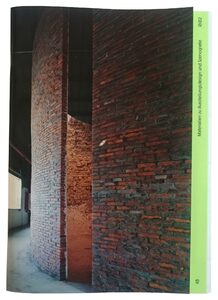
- „Wall Pavilion“, Installation auf der Architekturbiennale Shenzhen, 2012. Pavillon aus Backsteinmauerwerk mit drei großformatigen Fotografien einer antiken Mauer um den Ägyptischen Tempel von Dendera.
- Description of media (en)
- "Wall Pavilion", installation at the Shenzhen Architecture Biennale, 2012. Brickwork pavilion with three large-format photographs of an ancient wall around the Egyptian temple of Dendera.
- Projektleiter/in
- Semester
- Course, Lecture, Seminar
- Imported on
- 24.05.2023
- Parent sets
- 1
MAS 001
Name that can easily go onto 2 lines
Author that can easily go onto 2 lines as well
- Title
- MAS 001
- Subtitle
- Judith Barry
- Author
- Description (de)
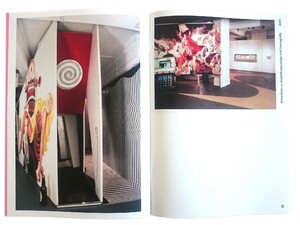
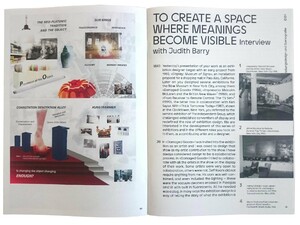
- "Materialien zu Ausstellungsdesign und Szenografie" ist eine neue Publikationsreihe des Fachbereichs Ausstellungsdesign und Szenografie der HfG Karlsruhe. Sie setzt sich mit der Gestaltung von narrativen Räumen als kritischer Designpraxis auseinander. Materialien zu Ausstellungsdesign und Szenografie ist als fortlaufende Materialsammlung angelegt, in der Beiträge zu Diskussionen in unserem Fachgebiet zusammengetragen und zugänglich gemacht werden. Wir betrachten die einzelnen Ausgaben als Ausstellungsräume und die bedruckten Seiten als Displays. Dabei geht es uns nicht vorrangig um die Produktion neuer Beiträge sondern um bestehende Materialien, die durch ihre Auswahl, Kombination, Kontextualisierung oder Kommentierung, sowie ihre gestaltete Darstellung in Printform neue Zusammenhänge und Perspektiven herstellen.
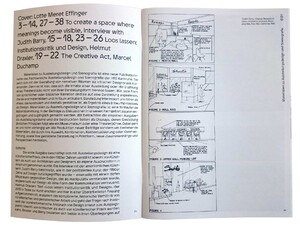
Die erste Ausgabe von "Materialien für Ausstellungsdesign & Szenografie" beschäftigt sich mit Ausstellungsdesign als einer künstlerischen Praxis, die in den 1980er Jahren verstärkt sowohl von Künstlern als auch von Architekten und Designern als eigene Ausdrucksform in Anspruch genommen wurde. Ein Interview mit der amerikanischen Künstlerin Judith Barry beschreibt, wie in der politisierten Kunst der 1980er Jahre auf Design zurückgegriffen wurde. Helmut analysiert das komplizierte, historische Verhältnis von künstlerischer und gestalterischer Arbeit und geht der Frage nach inwieweit der sozialreformerische Anspruch von Design erneut zum Ausgangspunkt sowohl von kritischer als auch von künstlerischer Praxis werden kann.
- "Materialien zu Ausstellungsdesign und Szenografie" ist eine neue Publikationsreihe des Fachbereichs Ausstellungsdesign und Szenografie der HfG Karlsruhe. Sie setzt sich mit der Gestaltung von narrativen Räumen als kritischer Designpraxis auseinander. Materialien zu Ausstellungsdesign und Szenografie ist als fortlaufende Materialsammlung angelegt, in der Beiträge zu Diskussionen in unserem Fachgebiet zusammengetragen und zugänglich gemacht werden. Wir betrachten die einzelnen Ausgaben als Ausstellungsräume und die bedruckten Seiten als Displays. Dabei geht es uns nicht vorrangig um die Produktion neuer Beiträge sondern um bestehende Materialien, die durch ihre Auswahl, Kombination, Kontextualisierung oder Kommentierung, sowie ihre gestaltete Darstellung in Printform neue Zusammenhänge und Perspektiven herstellen.
- Description (en)
- "Materials on Exhibition Design and Scenography" is a new publication series from the department of Exhibition Design and Scenography at the HfG Karlsruhe. It deals with the design of narrative spaces as a critical design practice. "Materials on Exhibition Design and Scenography" is designed as an ongoing collection of material in which contributions to discussions in our field are compiled and made accessible. We view the individual issues as exhibition spaces and the printed pages as displays. We are not primarily concerned with the production of new contributions, but rather with existing materials that create new contexts and perspectives through their selection, combination, contextualization or commentary, as well as their designed presentation in print form.
The first issue of "Materials for Exhibition Design & Scenography" deals with exhibition design as an artistic practice that was increasingly used by artists as well as architects and designers as their own form of expression in the 1980s. An interview with the American artist Judith Barry describes how design was used in the politicized art of the 1980s. Helmut analyzes the complicated historical relationship between artistic and creative work and explores the question of the extent to which the social reformist aspirations of design have once again become the starting point for both critical and creative work.
- "Materials on Exhibition Design and Scenography" is a new publication series from the department of Exhibition Design and Scenography at the HfG Karlsruhe. It deals with the design of narrative spaces as a critical design practice. "Materials on Exhibition Design and Scenography" is designed as an ongoing collection of material in which contributions to discussions in our field are compiled and made accessible. We view the individual issues as exhibition spaces and the printed pages as displays. We are not primarily concerned with the production of new contributions, but rather with existing materials that create new contexts and perspectives through their selection, combination, contextualization or commentary, as well as their designed presentation in print form.
- Type of project / creative work
- Keywords
- Contributors
- Thanks to
- Language
- Dimensions
- DIN A4
- Location: institution
- City
- Country
- Remarks
-
Heft 1: Judith Barry
40 Seiten
32 Abb., farbig & s/w.
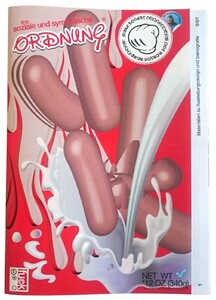
Cover: Lotte Meret Effinger, 2015
Grafik Credits: Johannes Hucht, Yannick Nuss
-
- Title
- MAS 001
- Subtitle
- Judith Barry
- Copyright Notice
- Ausstellungsdesign und Szenografie, Staatliche Hochschule für Gestaltung; Grafik: Johannes Hucht, Yannick Nuss; Cover: Lotte Meret Effinger
- Legal protection / Licence
- Relationship/function
- Projektleiter/in
- Semester
- Course, Lecture, Seminar
- Imported on
- 09.05.2023
- Parent sets
- 1
MAS 001
Name that can easily go onto 2 lines
Author that can easily go onto 2 lines as well
- Title
- MAS 001
- Subtitle
- Judith Barry
- Author
- Description (de)
- "Materialien zu Ausstellungsdesign und Szenografie" ist eine neue Publikationsreihe des Fachbereichs Ausstellungsdesign und Szenografie der HfG Karlsruhe. Sie setzt sich mit der Gestaltung von narrativen Räumen als kritischer Designpraxis auseinander. Materialien zu Ausstellungsdesign und Szenografie ist als fortlaufende Materialsammlung angelegt, in der Beiträge zu Diskussionen in unserem Fachgebiet zusammengetragen und zugänglich gemacht werden. Wir betrachten die einzelnen Ausgaben als Ausstellungsräume und die bedruckten Seiten als Displays. Dabei geht es uns nicht vorrangig um die Produktion neuer Beiträge sondern um bestehende Materialien, die durch ihre Auswahl, Kombination, Kontextualisierung oder Kommentierung, sowie ihre gestaltete Darstellung in Printform neue Zusammenhänge und Perspektiven herstellen.
Die erste Ausgabe von "Materialien für Ausstellungsdesign & Szenografie" beschäftigt sich mit Ausstellungsdesign als einer künstlerischen Praxis, die in den 1980er Jahren verstärkt sowohl von Künstlern als auch von Architekten und Designern als eigene Ausdrucksform in Anspruch genommen wurde. Ein Interview mit der amerikanischen Künstlerin Judith Barry beschreibt, wie in der politisierten Kunst der 1980er Jahre auf Design zurückgegriffen wurde. Helmut analysiert das komplizierte, historische Verhältnis von künstlerischer und gestalterischer Arbeit und geht der Frage nach inwieweit der sozialreformerische Anspruch von Design erneut zum Ausgangspunkt sowohl von kritischer als auch von künstlerischer Praxis werden kann.
- "Materialien zu Ausstellungsdesign und Szenografie" ist eine neue Publikationsreihe des Fachbereichs Ausstellungsdesign und Szenografie der HfG Karlsruhe. Sie setzt sich mit der Gestaltung von narrativen Räumen als kritischer Designpraxis auseinander. Materialien zu Ausstellungsdesign und Szenografie ist als fortlaufende Materialsammlung angelegt, in der Beiträge zu Diskussionen in unserem Fachgebiet zusammengetragen und zugänglich gemacht werden. Wir betrachten die einzelnen Ausgaben als Ausstellungsräume und die bedruckten Seiten als Displays. Dabei geht es uns nicht vorrangig um die Produktion neuer Beiträge sondern um bestehende Materialien, die durch ihre Auswahl, Kombination, Kontextualisierung oder Kommentierung, sowie ihre gestaltete Darstellung in Printform neue Zusammenhänge und Perspektiven herstellen.
- Description (en)
- "Materials on Exhibition Design and Scenography" is a new publication series from the department of Exhibition Design and Scenography at the HfG Karlsruhe. It deals with the design of narrative spaces as a critical design practice. "Materials on Exhibition Design and Scenography" is designed as an ongoing collection of material in which contributions to discussions in our field are compiled and made accessible. We view the individual issues as exhibition spaces and the printed pages as displays. We are not primarily concerned with the production of new contributions, but rather with existing materials that create new contexts and perspectives through their selection, combination, contextualization or commentary, as well as their designed presentation in print form.
The first issue of "Materials for Exhibition Design & Scenography" deals with exhibition design as an artistic practice that was increasingly used by artists as well as architects and designers as their own form of expression in the 1980s. An interview with the American artist Judith Barry describes how design was used in the politicized art of the 1980s. Helmut analyzes the complicated historical relationship between artistic and creative work and explores the question of the extent to which the social reformist aspirations of design have once again become the starting point for both critical and creative work.
- "Materials on Exhibition Design and Scenography" is a new publication series from the department of Exhibition Design and Scenography at the HfG Karlsruhe. It deals with the design of narrative spaces as a critical design practice. "Materials on Exhibition Design and Scenography" is designed as an ongoing collection of material in which contributions to discussions in our field are compiled and made accessible. We view the individual issues as exhibition spaces and the printed pages as displays. We are not primarily concerned with the production of new contributions, but rather with existing materials that create new contexts and perspectives through their selection, combination, contextualization or commentary, as well as their designed presentation in print form.
- Type of project / creative work
- Keywords
- Contributors
- Thanks to
- Language
- Dimensions
- DIN A4
- Location: institution
- City
- Country
- Remarks
-
Heft 1: Judith Barry
40 Seiten
32 Abb., farbig & s/w.
Cover: Lotte Meret Effinger, 2015
Grafik Credits: Johannes Hucht, Yannick Nuss
-
- Title
- MAS 001
- Subtitle
- Judith Barry
- Copyright Notice
- Ausstellungsdesign und Szenografie, Staatliche Hochschule für Gestaltung; Grafik: Johannes Hucht, Yannick Nuss; Cover: Lotte Meret Effinger
- Legal protection / Licence
- Relationship/function
- Projektleiter/in
- Semester
- Course, Lecture, Seminar
- Imported on
- 09.05.2023
- Parent sets
- 1
MAS 001
Name that can easily go onto 2 lines
Author that can easily go onto 2 lines as well
- Title
- MAS 001
- Subtitle
- Judith Barry
- Author
- Description (de)
- "Materialien zu Ausstellungsdesign und Szenografie" ist eine neue Publikationsreihe des Fachbereichs Ausstellungsdesign und Szenografie der HfG Karlsruhe. Sie setzt sich mit der Gestaltung von narrativen Räumen als kritischer Designpraxis auseinander. Materialien zu Ausstellungsdesign und Szenografie ist als fortlaufende Materialsammlung angelegt, in der Beiträge zu Diskussionen in unserem Fachgebiet zusammengetragen und zugänglich gemacht werden. Wir betrachten die einzelnen Ausgaben als Ausstellungsräume und die bedruckten Seiten als Displays. Dabei geht es uns nicht vorrangig um die Produktion neuer Beiträge sondern um bestehende Materialien, die durch ihre Auswahl, Kombination, Kontextualisierung oder Kommentierung, sowie ihre gestaltete Darstellung in Printform neue Zusammenhänge und Perspektiven herstellen.
Die erste Ausgabe von "Materialien für Ausstellungsdesign & Szenografie" beschäftigt sich mit Ausstellungsdesign als einer künstlerischen Praxis, die in den 1980er Jahren verstärkt sowohl von Künstlern als auch von Architekten und Designern als eigene Ausdrucksform in Anspruch genommen wurde. Ein Interview mit der amerikanischen Künstlerin Judith Barry beschreibt, wie in der politisierten Kunst der 1980er Jahre auf Design zurückgegriffen wurde. Helmut analysiert das komplizierte, historische Verhältnis von künstlerischer und gestalterischer Arbeit und geht der Frage nach inwieweit der sozialreformerische Anspruch von Design erneut zum Ausgangspunkt sowohl von kritischer als auch von künstlerischer Praxis werden kann.
- "Materialien zu Ausstellungsdesign und Szenografie" ist eine neue Publikationsreihe des Fachbereichs Ausstellungsdesign und Szenografie der HfG Karlsruhe. Sie setzt sich mit der Gestaltung von narrativen Räumen als kritischer Designpraxis auseinander. Materialien zu Ausstellungsdesign und Szenografie ist als fortlaufende Materialsammlung angelegt, in der Beiträge zu Diskussionen in unserem Fachgebiet zusammengetragen und zugänglich gemacht werden. Wir betrachten die einzelnen Ausgaben als Ausstellungsräume und die bedruckten Seiten als Displays. Dabei geht es uns nicht vorrangig um die Produktion neuer Beiträge sondern um bestehende Materialien, die durch ihre Auswahl, Kombination, Kontextualisierung oder Kommentierung, sowie ihre gestaltete Darstellung in Printform neue Zusammenhänge und Perspektiven herstellen.
- Description (en)
- "Materials on Exhibition Design and Scenography" is a new publication series from the department of Exhibition Design and Scenography at the HfG Karlsruhe. It deals with the design of narrative spaces as a critical design practice. "Materials on Exhibition Design and Scenography" is designed as an ongoing collection of material in which contributions to discussions in our field are compiled and made accessible. We view the individual issues as exhibition spaces and the printed pages as displays. We are not primarily concerned with the production of new contributions, but rather with existing materials that create new contexts and perspectives through their selection, combination, contextualization or commentary, as well as their designed presentation in print form.
The first issue of "Materials for Exhibition Design & Scenography" deals with exhibition design as an artistic practice that was increasingly used by artists as well as architects and designers as their own form of expression in the 1980s. An interview with the American artist Judith Barry describes how design was used in the politicized art of the 1980s. Helmut analyzes the complicated historical relationship between artistic and creative work and explores the question of the extent to which the social reformist aspirations of design have once again become the starting point for both critical and creative work.
- "Materials on Exhibition Design and Scenography" is a new publication series from the department of Exhibition Design and Scenography at the HfG Karlsruhe. It deals with the design of narrative spaces as a critical design practice. "Materials on Exhibition Design and Scenography" is designed as an ongoing collection of material in which contributions to discussions in our field are compiled and made accessible. We view the individual issues as exhibition spaces and the printed pages as displays. We are not primarily concerned with the production of new contributions, but rather with existing materials that create new contexts and perspectives through their selection, combination, contextualization or commentary, as well as their designed presentation in print form.
- Type of project / creative work
- Keywords
- Contributors
- Thanks to
- Language
- Dimensions
- DIN A4
- Location: institution
- City
- Country
- Remarks
-
Heft 1: Judith Barry
40 Seiten
32 Abb., farbig & s/w.
Cover: Lotte Meret Effinger, 2015
Grafik Credits: Johannes Hucht, Yannick Nuss
-
- Title
- MAS 001
- Subtitle
- Judith Barry
- Copyright Notice
- Ausstellungsdesign und Szenografie, Staatliche Hochschule für Gestaltung; Grafik: Johannes Hucht, Yannick Nuss; Cover: Lotte Meret Effinger
- Legal protection / Licence
- Relationship/function
- Projektleiter/in
- Semester
- Course, Lecture, Seminar
- Imported on
- 09.05.2023
- Parent sets
- 1
MAS 001
Name that can easily go onto 2 lines
Author that can easily go onto 2 lines as well
- Title
- MAS 001
- Subtitle
- Judith Barry
- Author
- Description (de)
- "Materialien zu Ausstellungsdesign und Szenografie" ist eine neue Publikationsreihe des Fachbereichs Ausstellungsdesign und Szenografie der HfG Karlsruhe. Sie setzt sich mit der Gestaltung von narrativen Räumen als kritischer Designpraxis auseinander. Materialien zu Ausstellungsdesign und Szenografie ist als fortlaufende Materialsammlung angelegt, in der Beiträge zu Diskussionen in unserem Fachgebiet zusammengetragen und zugänglich gemacht werden. Wir betrachten die einzelnen Ausgaben als Ausstellungsräume und die bedruckten Seiten als Displays. Dabei geht es uns nicht vorrangig um die Produktion neuer Beiträge sondern um bestehende Materialien, die durch ihre Auswahl, Kombination, Kontextualisierung oder Kommentierung, sowie ihre gestaltete Darstellung in Printform neue Zusammenhänge und Perspektiven herstellen.
Die erste Ausgabe von "Materialien für Ausstellungsdesign & Szenografie" beschäftigt sich mit Ausstellungsdesign als einer künstlerischen Praxis, die in den 1980er Jahren verstärkt sowohl von Künstlern als auch von Architekten und Designern als eigene Ausdrucksform in Anspruch genommen wurde. Ein Interview mit der amerikanischen Künstlerin Judith Barry beschreibt, wie in der politisierten Kunst der 1980er Jahre auf Design zurückgegriffen wurde. Helmut analysiert das komplizierte, historische Verhältnis von künstlerischer und gestalterischer Arbeit und geht der Frage nach inwieweit der sozialreformerische Anspruch von Design erneut zum Ausgangspunkt sowohl von kritischer als auch von künstlerischer Praxis werden kann.
- "Materialien zu Ausstellungsdesign und Szenografie" ist eine neue Publikationsreihe des Fachbereichs Ausstellungsdesign und Szenografie der HfG Karlsruhe. Sie setzt sich mit der Gestaltung von narrativen Räumen als kritischer Designpraxis auseinander. Materialien zu Ausstellungsdesign und Szenografie ist als fortlaufende Materialsammlung angelegt, in der Beiträge zu Diskussionen in unserem Fachgebiet zusammengetragen und zugänglich gemacht werden. Wir betrachten die einzelnen Ausgaben als Ausstellungsräume und die bedruckten Seiten als Displays. Dabei geht es uns nicht vorrangig um die Produktion neuer Beiträge sondern um bestehende Materialien, die durch ihre Auswahl, Kombination, Kontextualisierung oder Kommentierung, sowie ihre gestaltete Darstellung in Printform neue Zusammenhänge und Perspektiven herstellen.
- Description (en)
- "Materials on Exhibition Design and Scenography" is a new publication series from the department of Exhibition Design and Scenography at the HfG Karlsruhe. It deals with the design of narrative spaces as a critical design practice. "Materials on Exhibition Design and Scenography" is designed as an ongoing collection of material in which contributions to discussions in our field are compiled and made accessible. We view the individual issues as exhibition spaces and the printed pages as displays. We are not primarily concerned with the production of new contributions, but rather with existing materials that create new contexts and perspectives through their selection, combination, contextualization or commentary, as well as their designed presentation in print form.
The first issue of "Materials for Exhibition Design & Scenography" deals with exhibition design as an artistic practice that was increasingly used by artists as well as architects and designers as their own form of expression in the 1980s. An interview with the American artist Judith Barry describes how design was used in the politicized art of the 1980s. Helmut analyzes the complicated historical relationship between artistic and creative work and explores the question of the extent to which the social reformist aspirations of design have once again become the starting point for both critical and creative work.
- "Materials on Exhibition Design and Scenography" is a new publication series from the department of Exhibition Design and Scenography at the HfG Karlsruhe. It deals with the design of narrative spaces as a critical design practice. "Materials on Exhibition Design and Scenography" is designed as an ongoing collection of material in which contributions to discussions in our field are compiled and made accessible. We view the individual issues as exhibition spaces and the printed pages as displays. We are not primarily concerned with the production of new contributions, but rather with existing materials that create new contexts and perspectives through their selection, combination, contextualization or commentary, as well as their designed presentation in print form.
- Type of project / creative work
- Keywords
- Contributors
- Thanks to
- Language
- Dimensions
- DIN A4
- Location: institution
- City
- Country
- Remarks
-
Heft 1: Judith Barry
40 Seiten
32 Abb., farbig & s/w.
Cover: Lotte Meret Effinger, 2015
Grafik Credits: Johannes Hucht, Yannick Nuss
-
- Title
- MAS 001
- Subtitle
- Judith Barry
- Copyright Notice
- Ausstellungsdesign und Szenografie, Staatliche Hochschule für Gestaltung; Grafik: Johannes Hucht, Yannick Nuss; Cover: Lotte Meret Effinger
- Legal protection / Licence
- Relationship/function
- Projektleiter/in
- Semester
- Course, Lecture, Seminar
- Imported on
- 09.05.2023
- Parent sets
- 1