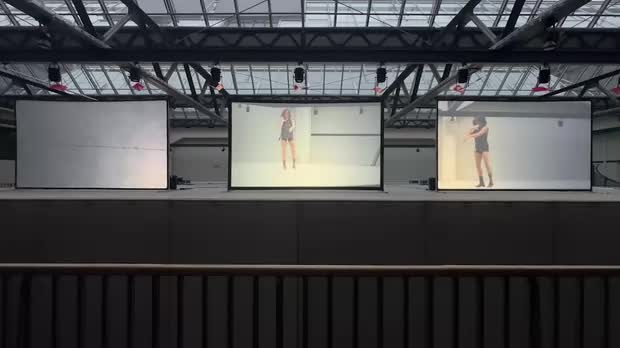
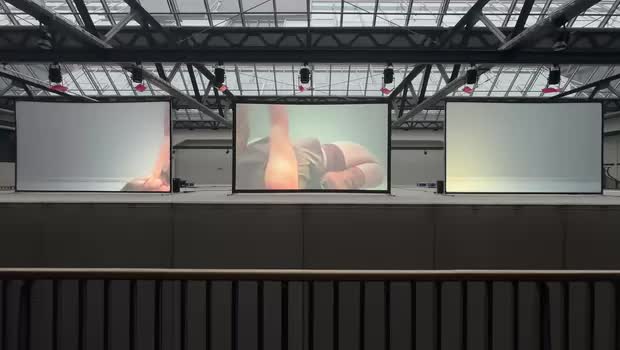
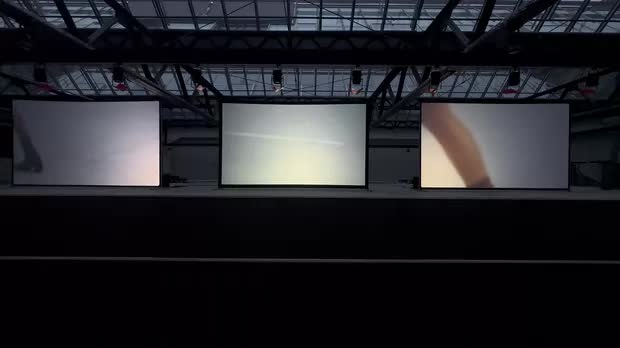
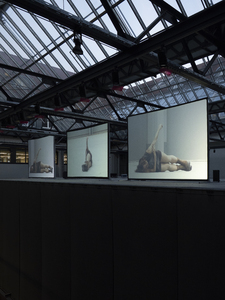
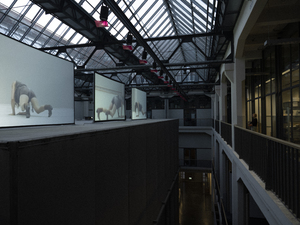
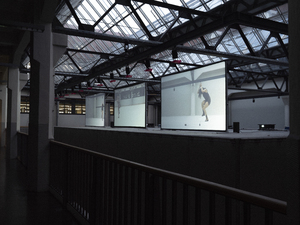
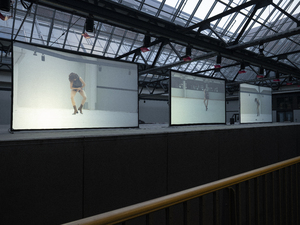
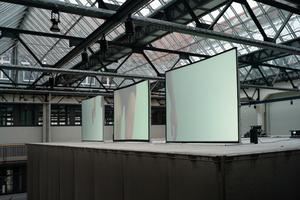
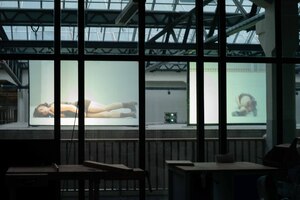
„Die Partizipation des Publikums in Performance-Kunst – der Titel der Magisterarbeit – ruft die Vorstellung eines klassischen ,Mitmach‘-Theaters beziehungsweise eines von ,mitmachenden‘ Performance-BesucherInnen hervor, in dem das Publikum dazu angehalten wird, sich aktiv und produktiv am Geschehen der Aufführung zu beteiligen. Auch am Beginn meiner Recherche stand diese Vorstellung und Partizipation damit als Phänomen, dem – sowohl von der Seite der RezipientInnen aus, als auch von der der PerformerInnen und der KünstlerInnen – zum einen mit großen Unbehagen, zum anderen mit großer Begeisterung begegnet wird.”
„Das Versprechen, das von der Partizipation des Publikums ausgeht, baut darauf, der konventionell passiven und kontemplativen Betrachtung des Kunstwerks, das von einer singulären Autorschaft gefertigt wurde, entgegenzuwirken. Das Unbehagen gegenüber Partizipation drückt sich zum einen in der Skepsis aus, ob Partizipation die Funktion der Aktivierung des Publikums leisten kann. Bedeutet Teilhabe nicht, dass das Publikum innerhalb eines festgelegten Rahmens und eines bestehenden Konzeptes bloß mitmachen ,darf‘? Heißt das nicht, dass es noch immer in passiver Unmündigkeit gefangen bleibt, aber nun, ja noch schlimmer, mit der Illusion der eigenen Souveränität? In der folgenden Analyse werde ich zeigen, dass die Bezeichnungen aktiv und passiv, selbstbestimmt und determiniert und die damit einhergehenden normativen Befunde allerdings genauerer Differenzierung bedürfen.”
‘The participation of the audience in performance art - the title of the master's thesis - evokes the idea of a classic ‘participatory’ theatre or one of ‘participating’ performance visitors, in which the audience is encouraged to actively and productively participate in the events of the performance. At the beginning of my research, this idea and participation was also a phenomenon that was met with great discomfort on the one hand and great enthusiasm on the other, both on the part of the recipients and the performers and artists.’
‘The promise of audience participation is based on counteracting the conventionally passive and contemplative view of the artwork produced by a singular authorship. The unease about participation is expressed on the one hand in the scepticism as to whether participation can fulfil the function of activating the audience. Doesn't participation mean that the audience is merely ‘allowed’ to take part within a fixed framework and an existing concept? Does this not mean that they are still trapped in passive immaturity, but now, even worse, with the illusion of their own sovereignty? In the following analysis, I will show that the terms active and passive, self-determined and determined and the associated normative findings require more precise differentiation.’
„Die Partizipation des Publikums in Performance-Kunst – der Titel der Magisterarbeit – ruft die Vorstellung eines klassischen ,Mitmach‘-Theaters beziehungsweise eines von ,mitmachenden‘ Performance-BesucherInnen hervor, in dem das Publikum dazu angehalten wird, sich aktiv und produktiv am Geschehen der Aufführung zu beteiligen. Auch am Beginn meiner Recherche stand diese Vorstellung und Partizipation damit als Phänomen, dem – sowohl von der Seite der RezipientInnen aus, als auch von der der PerformerInnen und der KünstlerInnen – zum einen mit großen Unbehagen, zum anderen mit großer Begeisterung begegnet wird.”
„Das Versprechen, das von der Partizipation des Publikums ausgeht, baut darauf, der konventionell passiven und kontemplativen Betrachtung des Kunstwerks, das von einer singulären Autorschaft gefertigt wurde, entgegenzuwirken. Das Unbehagen gegenüber Partizipation drückt sich zum einen in der Skepsis aus, ob Partizipation die Funktion der Aktivierung des Publikums leisten kann. Bedeutet Teilhabe nicht, dass das Publikum innerhalb eines festgelegten Rahmens und eines bestehenden Konzeptes bloß mitmachen ,darf‘? Heißt das nicht, dass es noch immer in passiver Unmündigkeit gefangen bleibt, aber nun, ja noch schlimmer, mit der Illusion der eigenen Souveränität? In der folgenden Analyse werde ich zeigen, dass die Bezeichnungen aktiv und passiv, selbstbestimmt und determiniert und die damit einhergehenden normativen Befunde allerdings genauerer Differenzierung bedürfen.”
‘The participation of the audience in performance art - the title of the master's thesis - evokes the idea of a classic ‘participatory’ theatre or one of ‘participating’ performance visitors, in which the audience is encouraged to actively and productively participate in the events of the performance. At the beginning of my research, this idea and participation was also a phenomenon that was met with great discomfort on the one hand and great enthusiasm on the other, both on the part of the recipients and the performers and artists.’
‘The promise of audience participation is based on counteracting the conventionally passive and contemplative view of the artwork produced by a singular authorship. The unease about participation is expressed on the one hand in the scepticism as to whether participation can fulfil the function of activating the audience. Doesn't participation mean that the audience is merely ‘allowed’ to take part within a fixed framework and an existing concept? Does this not mean that they are still trapped in passive immaturity, but now, even worse, with the illusion of their own sovereignty? In the following analysis, I will show that the terms active and passive, self-determined and determined and the associated normative findings require more precise differentiation.’
„Die Partizipation des Publikums in Performance-Kunst – der Titel der Magisterarbeit – ruft die Vorstellung eines klassischen ,Mitmach‘-Theaters beziehungsweise eines von ,mitmachenden‘ Performance-BesucherInnen hervor, in dem das Publikum dazu angehalten wird, sich aktiv und produktiv am Geschehen der Aufführung zu beteiligen. Auch am Beginn meiner Recherche stand diese Vorstellung und Partizipation damit als Phänomen, dem – sowohl von der Seite der RezipientInnen aus, als auch von der der PerformerInnen und der KünstlerInnen – zum einen mit großen Unbehagen, zum anderen mit großer Begeisterung begegnet wird.”
„Das Versprechen, das von der Partizipation des Publikums ausgeht, baut darauf, der konventionell passiven und kontemplativen Betrachtung des Kunstwerks, das von einer singulären Autorschaft gefertigt wurde, entgegenzuwirken. Das Unbehagen gegenüber Partizipation drückt sich zum einen in der Skepsis aus, ob Partizipation die Funktion der Aktivierung des Publikums leisten kann. Bedeutet Teilhabe nicht, dass das Publikum innerhalb eines festgelegten Rahmens und eines bestehenden Konzeptes bloß mitmachen ,darf‘? Heißt das nicht, dass es noch immer in passiver Unmündigkeit gefangen bleibt, aber nun, ja noch schlimmer, mit der Illusion der eigenen Souveränität? In der folgenden Analyse werde ich zeigen, dass die Bezeichnungen aktiv und passiv, selbstbestimmt und determiniert und die damit einhergehenden normativen Befunde allerdings genauerer Differenzierung bedürfen.”
‘The participation of the audience in performance art - the title of the master's thesis - evokes the idea of a classic ‘participatory’ theatre or one of ‘participating’ performance visitors, in which the audience is encouraged to actively and productively participate in the events of the performance. At the beginning of my research, this idea and participation was also a phenomenon that was met with great discomfort on the one hand and great enthusiasm on the other, both on the part of the recipients and the performers and artists.’
‘The promise of audience participation is based on counteracting the conventionally passive and contemplative view of the artwork produced by a singular authorship. The unease about participation is expressed on the one hand in the scepticism as to whether participation can fulfil the function of activating the audience. Doesn't participation mean that the audience is merely ‘allowed’ to take part within a fixed framework and an existing concept? Does this not mean that they are still trapped in passive immaturity, but now, even worse, with the illusion of their own sovereignty? In the following analysis, I will show that the terms active and passive, self-determined and determined and the associated normative findings require more precise differentiation.’
„Die Partizipation des Publikums in Performance-Kunst – der Titel der Magisterarbeit – ruft die Vorstellung eines klassischen ,Mitmach‘-Theaters beziehungsweise eines von ,mitmachenden‘ Performance-BesucherInnen hervor, in dem das Publikum dazu angehalten wird, sich aktiv und produktiv am Geschehen der Aufführung zu beteiligen. Auch am Beginn meiner Recherche stand diese Vorstellung und Partizipation damit als Phänomen, dem – sowohl von der Seite der RezipientInnen aus, als auch von der der PerformerInnen und der KünstlerInnen – zum einen mit großen Unbehagen, zum anderen mit großer Begeisterung begegnet wird.”
„Das Versprechen, das von der Partizipation des Publikums ausgeht, baut darauf, der konventionell passiven und kontemplativen Betrachtung des Kunstwerks, das von einer singulären Autorschaft gefertigt wurde, entgegenzuwirken. Das Unbehagen gegenüber Partizipation drückt sich zum einen in der Skepsis aus, ob Partizipation die Funktion der Aktivierung des Publikums leisten kann. Bedeutet Teilhabe nicht, dass das Publikum innerhalb eines festgelegten Rahmens und eines bestehenden Konzeptes bloß mitmachen ,darf‘? Heißt das nicht, dass es noch immer in passiver Unmündigkeit gefangen bleibt, aber nun, ja noch schlimmer, mit der Illusion der eigenen Souveränität? In der folgenden Analyse werde ich zeigen, dass die Bezeichnungen aktiv und passiv, selbstbestimmt und determiniert und die damit einhergehenden normativen Befunde allerdings genauerer Differenzierung bedürfen.”
‘The participation of the audience in performance art - the title of the master's thesis - evokes the idea of a classic ‘participatory’ theatre or one of ‘participating’ performance visitors, in which the audience is encouraged to actively and productively participate in the events of the performance. At the beginning of my research, this idea and participation was also a phenomenon that was met with great discomfort on the one hand and great enthusiasm on the other, both on the part of the recipients and the performers and artists.’
‘The promise of audience participation is based on counteracting the conventionally passive and contemplative view of the artwork produced by a singular authorship. The unease about participation is expressed on the one hand in the scepticism as to whether participation can fulfil the function of activating the audience. Doesn't participation mean that the audience is merely ‘allowed’ to take part within a fixed framework and an existing concept? Does this not mean that they are still trapped in passive immaturity, but now, even worse, with the illusion of their own sovereignty? In the following analysis, I will show that the terms active and passive, self-determined and determined and the associated normative findings require more precise differentiation.’
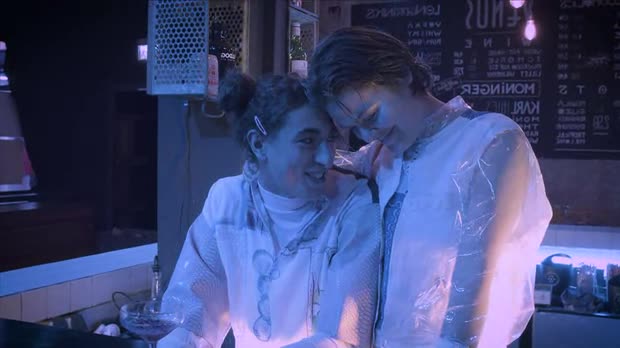
In einer Bar, in der Innenstadt von Karlsruhe, trifft das Publikum auf ein tourendes Trio mit einer sonderbaren Geschichte: Es war einmal ein Nachtfalter, der lebte im Dschungel des brasilianischen Amazonas. Dieser Falter trug den Namen Gorgone macarea und hatte eine Angewohnheit, die für ein Lebewesen auf der Erde recht eigensinnig erschien. Gorgone macarea trank die Tränen schlafender Vögel. Für ihn: eine sichere Nahrungsquelle in unsicheren Zeiten. Da also Gorgone macareas Lebensraum sich immer mehr veränderte und auch die Vögel nach und nach wegzogen, machte der Falter sich auf, um andere Tränen zu suchen. Dabei kam ihm zu Ohren, dass der Mensch ganz besondere Tränen vergießt, wie kein anderes Lebewesen auf der Erde: Emotionale Tränen.
Und so entschloss sich der Nachtfalter, die Menschen einzuladen, um ihre Tränen mit ihm zu teilen.
Seither touren der Nachtfalter und seine zwei Kompliz*innen Sadgirl und Fluss von Bar zu Bar und lassen für einen Abend das Publikum Teil ihres Universums werden. Ein Universum – in dem Tränen die Hauptzutat des Abends sind und in jedem Cocktail serviert werden.
In a bar in downtown Karlsruhe, the audience encounters a touring trio with a peculiar story: Once upon a time, there was a moth living in the jungles of the Brazilian Amazon. This moth was called Gorgone macarea and had a habit that seemed rather unusual for a creature on Earth. Gorgone macarea drank the tears of sleeping birds. For the moth, it was a reliable source of nourishment in uncertain times. After all, even back then, the Amazon rainforest was considered a so-called tipping element, capable of disrupting the global climate balance. As Gorgone macarea’s habitat changed more and more, and the birds gradually disappeared, the moth set out in search of other tears. Along the way, it heard that humans shed a kind of tear unlike any other creature on Earth: emotional tears.
And so, the moth decided to invite humans to share their tears with it.
Since then, the moth and its two companions, Sadgirl and Fluss, have been touring from bar to bar, drawing the audience into their universe for one night. A universe where tears are the main ingredient of the evening—served in every cocktail.
Wiebke Mueller (Sie/ihr) arbeitet als freie Szenografin, Kostümbildnerin und Künstlerin. Sie studiertean der Hochschule für Gestaltung in Karlsruhe, der Bauhaus Universität Weimar und als Gast an der Universität für Angewandte Kunst in Wien. Sie arbeitete und zeigte ihre Projekte unter anderem am TJG Dresden, Residenz Leipzig, Staatsschauspiel Dresden, GfzK Leipzig, 4BidGallery Amsterdam oder am Staatstheater Karlsruhe. Sie ist Mitgründerin desRaumkollektivs “Kollektiv Kubik” und arbeitet seit 2017 mit diesem regelmäßig zusammen.“Sekret - Eine Tränen-Bar Performance” ist Wiebke Muellers Abschlussarbeit an der HfGKarlsruhe 2024.
///
Wiebke Mueller (she/her) works as a freelance scenographer, costume designer, and artist. She studied at the Karlsruhe University of Arts and Design, the Bauhaus University Weimar, and as a guest at the University of Applied Arts Vienna. She has worked and presented her projects at venues such as TJG Dresden, Residenz Leipzig, Staatsschauspiel Dresden, GfzK Leipzig, 4BidGallery Amsterdam, and Staatstheater Karlsruhe. She is a co-founder of the spatial collective "Kollektiv Kubik" and has been collaborating with it regularly since 2017."Sekret – Eine Tränen-Bar Performance" is Wiebke Mueller's final project at HfG Karlsruhe in 2024.
In einer Bar, in der Innenstadt von Karlsruhe, trifft das Publikum auf ein tourendes Trio mit einer sonderbaren Geschichte: Es war einmal ein Nachtfalter, der lebte im Dschungel des brasilianischen Amazonas. Dieser Falter trug den Namen Gorgone macarea und hatte eine Angewohnheit, die für ein Lebewesen auf der Erde recht eigensinnig erschien. Gorgone macarea trank die Tränen schlafender Vögel. Für ihn: eine sichere Nahrungsquelle in unsicheren Zeiten. Da also Gorgone macareas Lebensraum sich immer mehr veränderte und auch die Vögel nach und nach wegzogen, machte der Falter sich auf, um andere Tränen zu suchen. Dabei kam ihm zu Ohren, dass der Mensch ganz besondere Tränen vergießt, wie kein anderes Lebewesen auf der Erde: Emotionale Tränen.
Und so entschloss sich der Nachtfalter, die Menschen einzuladen, um ihre Tränen mit ihm zu teilen.
Seither touren der Nachtfalter und seine zwei Kompliz*innen Sadgirl und Fluss von Bar zu Bar und lassen für einen Abend das Publikum Teil ihres Universums werden. Ein Universum – in dem Tränen die Hauptzutat des Abends sind und in jedem Cocktail serviert werden.
In a bar in downtown Karlsruhe, the audience encounters a touring trio with a peculiar story: Once upon a time, there was a moth living in the jungles of the Brazilian Amazon. This moth was called Gorgone macarea and had a habit that seemed rather unusual for a creature on Earth. Gorgone macarea drank the tears of sleeping birds. For the moth, it was a reliable source of nourishment in uncertain times. After all, even back then, the Amazon rainforest was considered a so-called tipping element, capable of disrupting the global climate balance. As Gorgone macarea’s habitat changed more and more, and the birds gradually disappeared, the moth set out in search of other tears. Along the way, it heard that humans shed a kind of tear unlike any other creature on Earth: emotional tears.
And so, the moth decided to invite humans to share their tears with it.
Since then, the moth and its two companions, Sadgirl and Fluss, have been touring from bar to bar, drawing the audience into their universe for one night. A universe where tears are the main ingredient of the evening—served in every cocktail.
Wiebke Mueller (Sie/ihr) arbeitet als freie Szenografin, Kostümbildnerin und Künstlerin. Sie studiertean der Hochschule für Gestaltung in Karlsruhe, der Bauhaus Universität Weimar und als Gast an der Universität für Angewandte Kunst in Wien. Sie arbeitete und zeigte ihre Projekte unter anderem am TJG Dresden, Residenz Leipzig, Staatsschauspiel Dresden, GfzK Leipzig, 4BidGallery Amsterdam oder am Staatstheater Karlsruhe. Sie ist Mitgründerin desRaumkollektivs “Kollektiv Kubik” und arbeitet seit 2017 mit diesem regelmäßig zusammen.“Sekret - Eine Tränen-Bar Performance” ist Wiebke Muellers Abschlussarbeit an der HfGKarlsruhe 2024.
///
Wiebke Mueller (she/her) works as a freelance scenographer, costume designer, and artist. She studied at the Karlsruhe University of Arts and Design, the Bauhaus University Weimar, and as a guest at the University of Applied Arts Vienna. She has worked and presented her projects at venues such as TJG Dresden, Residenz Leipzig, Staatsschauspiel Dresden, GfzK Leipzig, 4BidGallery Amsterdam, and Staatstheater Karlsruhe. She is a co-founder of the spatial collective "Kollektiv Kubik" and has been collaborating with it regularly since 2017."Sekret – Eine Tränen-Bar Performance" is Wiebke Mueller's final project at HfG Karlsruhe in 2024.
In einer Bar, in der Innenstadt von Karlsruhe, trifft das Publikum auf ein tourendes Trio mit einer sonderbaren Geschichte: Es war einmal ein Nachtfalter, der lebte im Dschungel des brasilianischen Amazonas. Dieser Falter trug den Namen Gorgone macarea und hatte eine Angewohnheit, die für ein Lebewesen auf der Erde recht eigensinnig erschien. Gorgone macarea trank die Tränen schlafender Vögel. Für ihn: eine sichere Nahrungsquelle in unsicheren Zeiten. Da also Gorgone macareas Lebensraum sich immer mehr veränderte und auch die Vögel nach und nach wegzogen, machte der Falter sich auf, um andere Tränen zu suchen. Dabei kam ihm zu Ohren, dass der Mensch ganz besondere Tränen vergießt, wie kein anderes Lebewesen auf der Erde: Emotionale Tränen.
Und so entschloss sich der Nachtfalter, die Menschen einzuladen, um ihre Tränen mit ihm zu teilen.
Seither touren der Nachtfalter und seine zwei Kompliz*innen Sadgirl und Fluss von Bar zu Bar und lassen für einen Abend das Publikum Teil ihres Universums werden. Ein Universum – in dem Tränen die Hauptzutat des Abends sind und in jedem Cocktail serviert werden.
In a bar in downtown Karlsruhe, the audience encounters a touring trio with a peculiar story: Once upon a time, there was a moth living in the jungles of the Brazilian Amazon. This moth was called Gorgone macarea and had a habit that seemed rather unusual for a creature on Earth. Gorgone macarea drank the tears of sleeping birds. For the moth, it was a reliable source of nourishment in uncertain times. After all, even back then, the Amazon rainforest was considered a so-called tipping element, capable of disrupting the global climate balance. As Gorgone macarea’s habitat changed more and more, and the birds gradually disappeared, the moth set out in search of other tears. Along the way, it heard that humans shed a kind of tear unlike any other creature on Earth: emotional tears.
And so, the moth decided to invite humans to share their tears with it.
Since then, the moth and its two companions, Sadgirl and Fluss, have been touring from bar to bar, drawing the audience into their universe for one night. A universe where tears are the main ingredient of the evening—served in every cocktail.
Wiebke Mueller (Sie/ihr) arbeitet als freie Szenografin, Kostümbildnerin und Künstlerin. Sie studiertean der Hochschule für Gestaltung in Karlsruhe, der Bauhaus Universität Weimar und als Gast an der Universität für Angewandte Kunst in Wien. Sie arbeitete und zeigte ihre Projekte unter anderem am TJG Dresden, Residenz Leipzig, Staatsschauspiel Dresden, GfzK Leipzig, 4BidGallery Amsterdam oder am Staatstheater Karlsruhe. Sie ist Mitgründerin desRaumkollektivs “Kollektiv Kubik” und arbeitet seit 2017 mit diesem regelmäßig zusammen.“Sekret - Eine Tränen-Bar Performance” ist Wiebke Muellers Abschlussarbeit an der HfGKarlsruhe 2024.
///
Wiebke Mueller (she/her) works as a freelance scenographer, costume designer, and artist. She studied at the Karlsruhe University of Arts and Design, the Bauhaus University Weimar, and as a guest at the University of Applied Arts Vienna. She has worked and presented her projects at venues such as TJG Dresden, Residenz Leipzig, Staatsschauspiel Dresden, GfzK Leipzig, 4BidGallery Amsterdam, and Staatstheater Karlsruhe. She is a co-founder of the spatial collective "Kollektiv Kubik" and has been collaborating with it regularly since 2017."Sekret – Eine Tränen-Bar Performance" is Wiebke Mueller's final project at HfG Karlsruhe in 2024.
In einer Bar, in der Innenstadt von Karlsruhe, trifft das Publikum auf ein tourendes Trio mit einer sonderbaren Geschichte: Es war einmal ein Nachtfalter, der lebte im Dschungel des brasilianischen Amazonas. Dieser Falter trug den Namen Gorgone macarea und hatte eine Angewohnheit, die für ein Lebewesen auf der Erde recht eigensinnig erschien. Gorgone macarea trank die Tränen schlafender Vögel. Für ihn: eine sichere Nahrungsquelle in unsicheren Zeiten. Da also Gorgone macareas Lebensraum sich immer mehr veränderte und auch die Vögel nach und nach wegzogen, machte der Falter sich auf, um andere Tränen zu suchen. Dabei kam ihm zu Ohren, dass der Mensch ganz besondere Tränen vergießt, wie kein anderes Lebewesen auf der Erde: Emotionale Tränen.
Und so entschloss sich der Nachtfalter, die Menschen einzuladen, um ihre Tränen mit ihm zu teilen.
Seither touren der Nachtfalter und seine zwei Kompliz*innen Sadgirl und Fluss von Bar zu Bar und lassen für einen Abend das Publikum Teil ihres Universums werden. Ein Universum – in dem Tränen die Hauptzutat des Abends sind und in jedem Cocktail serviert werden.
In a bar in downtown Karlsruhe, the audience encounters a touring trio with a peculiar story: Once upon a time, there was a moth living in the jungles of the Brazilian Amazon. This moth was called Gorgone macarea and had a habit that seemed rather unusual for a creature on Earth. Gorgone macarea drank the tears of sleeping birds. For the moth, it was a reliable source of nourishment in uncertain times. After all, even back then, the Amazon rainforest was considered a so-called tipping element, capable of disrupting the global climate balance. As Gorgone macarea’s habitat changed more and more, and the birds gradually disappeared, the moth set out in search of other tears. Along the way, it heard that humans shed a kind of tear unlike any other creature on Earth: emotional tears.
And so, the moth decided to invite humans to share their tears with it.
Since then, the moth and its two companions, Sadgirl and Fluss, have been touring from bar to bar, drawing the audience into their universe for one night. A universe where tears are the main ingredient of the evening—served in every cocktail.
Wiebke Mueller (Sie/ihr) arbeitet als freie Szenografin, Kostümbildnerin und Künstlerin. Sie studiertean der Hochschule für Gestaltung in Karlsruhe, der Bauhaus Universität Weimar und als Gast an der Universität für Angewandte Kunst in Wien. Sie arbeitete und zeigte ihre Projekte unter anderem am TJG Dresden, Residenz Leipzig, Staatsschauspiel Dresden, GfzK Leipzig, 4BidGallery Amsterdam oder am Staatstheater Karlsruhe. Sie ist Mitgründerin desRaumkollektivs “Kollektiv Kubik” und arbeitet seit 2017 mit diesem regelmäßig zusammen.“Sekret - Eine Tränen-Bar Performance” ist Wiebke Muellers Abschlussarbeit an der HfGKarlsruhe 2024.
///
Wiebke Mueller (she/her) works as a freelance scenographer, costume designer, and artist. She studied at the Karlsruhe University of Arts and Design, the Bauhaus University Weimar, and as a guest at the University of Applied Arts Vienna. She has worked and presented her projects at venues such as TJG Dresden, Residenz Leipzig, Staatsschauspiel Dresden, GfzK Leipzig, 4BidGallery Amsterdam, and Staatstheater Karlsruhe. She is a co-founder of the spatial collective "Kollektiv Kubik" and has been collaborating with it regularly since 2017."Sekret – Eine Tränen-Bar Performance" is Wiebke Mueller's final project at HfG Karlsruhe in 2024.