"Druckerzeugnisse der HfG"
| Begriff | Druckerzeugnisse der HfG |
| Metakey | Freigabe Nutzung HfG (rights:usage_hfg) |
| Typ | Keyword |
| Vokabular | Rechte |
1794 Inhalte
- Seite 1 von 150
Layered Visions
Name that can easily go onto 2 lines
Author that can easily go onto 2 lines as well
- Titel
- Layered Visions
- Autor/in
- Beschreibung (de)
- Die Arbeit entstand im Seminar Frameworks of Fiction in Zusammenarbeit mit der Kunsthalle Mannheim. Ausgangspunkt des Seminars war die kritische Auseinandersetzung mit der Sammlung der Kunsthalle Mannheim, insbesondere mit historischen Gemälden und den Bildkonstruktionen, die sie repräsentieren. Die Studierenden konnten frei ein Werk aus der Sammlung als Ausgangspunkt ihrer eigenen künstlerischen Arbeit wählen. Thematisiert wurden unter anderem Die Erschießung Kaiser Maximilians, Der türkische Frauenraub sowie Anselm Feuerbachs Hafis an der Schenke, das den Ausgangspunkt dieser Arbeit bildet.
Ausgehend von Feuerbachs Hafis an der Schenke werden die kolonialen Bildpolitiken und hierarchischen Konstruktionen des Gemäldes dekonstruiert.
Figuren, die im Original gesichtslos bleiben oder lediglich als Staffage erscheinen, erhalten Individualität, ein Gesicht und Handlungsmacht.
Durch ihre neue Anordnung entstehen Beziehungen, die von Empathie, Zärtlichkeit und gegenseitiger Fürsorge geprägt sind. Die zentrale Stellung des persischen Dichters Hafis wird zugunsten eines kollektiven Gefüges aufgelöst.
Gleichzeitig richtet sich die Arbeit gegen die Vorstellung des Künstlers als herausragendes Einzelgenie, das losgelöst von seiner Gemeinschaft schöpft. Dieser Idee wird ein Verständnis künstlerischer Praxis gegenübergestellt, das Gemeinschaft, gegenseitiges Zuhören, Fürsorge und Zusammenarbeit als Grundlage kreativen Handelns begreift. Künstlerisches Schaffen erscheint nicht als isolierter Akt, sondern als Ergebnis sozialer Beziehungen und gemeinschaftlicher Prozesse.
Ausgehend von Feuerbachs Hafis an der Schenke werden die kolonialen Bildpolitiken und hierarchischen Konstruktionen des Gemäldes dekonstruiert.
Figuren, die im Original gesichtslos bleiben oder lediglich als Staffage erscheinen, erhalten Individualität, ein Gesicht und Handlungsmacht.
Durch ihre neue Anordnung entstehen Beziehungen, die von Empathie, Zärtlichkeit und gegenseitiger Fürsorge geprägt sind. Die zentrale Stellung des persischen Dichters Hafis wird zugunsten eines kollektiven Gefüges aufgelöst.
Gleichzeitig richtet sich die Arbeit gegen die Vorstellung des Künstlers als herausragendes Einzelgenie, das losgelöst von seiner Gemeinschaft schöpft. Dieser Idee wird ein Verständnis künstlerischer Praxis gegenübergestellt, das Gemeinschaft, gegenseitiges Zuhören, Fürsorge und Zusammenarbeit als Grundlage kreativen Handelns begreift. Künstlerisches Schaffen erscheint nicht als isolierter Akt, sondern als Ergebnis sozialer Beziehungen und gemeinschaftlicher Prozesse.
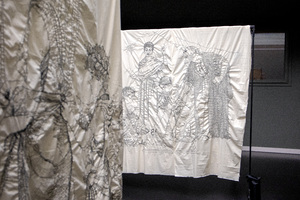
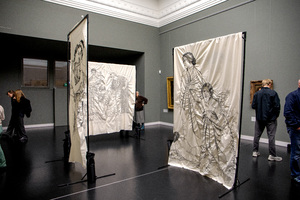
Die Rauminstallation besteht aus acht frei hängenden Leinentüchern, die mit verschiedenen Nähmaschinenstichen bearbeitet wurden. Mehrere Bildfragmente lösen die Figuren aus Feuerbachs ursprünglicher Komposition heraus und setzen sie in neue räumliche Beziehungen zueinander. Die hierarchische Bildordnung des Originals weicht einem offenen Geflecht aus Körpern, Blicken und Begegnungen.
Die Materialität der Installation steht bewusst im Kontrast zur Tradition der Malerei. An die Stelle der fest auf einen rechteckigen Keilrahmen gespannten Leinwand treten frei hängende Stoffbahnen, die durch ihre Beweglichkeit eine skulpturale Qualität entwickeln. Die Naht ersetzt den Pinselstrich. Während die Vorzeichnung in der Malereitradition lediglich als vorbereitender Arbeitsschritt galt, wird die Linie hier selbst zum bildgebenden Element. Als verbindende Spur zwischen den Figuren macht sie Beziehungen sichtbar und tritt an die Stelle der malerischen Geste.
Das Nähen, historisch dem Kunsthandwerk und weiblich konnotierten Tätigkeiten zugeordnet, wird als eigenständiges künstlerisches Medium eingesetzt. Die Naht verbindet nicht nur Stoff, sondern auch Körper, Figuren und Bildräume und führt damit das zentrale Motiv des Verbindens auf materieller Ebene fort.
- Die Arbeit entstand im Seminar Frameworks of Fiction in Zusammenarbeit mit der Kunsthalle Mannheim. Ausgangspunkt des Seminars war die kritische Auseinandersetzung mit der Sammlung der Kunsthalle Mannheim, insbesondere mit historischen Gemälden und den Bildkonstruktionen, die sie repräsentieren. Die Studierenden konnten frei ein Werk aus der Sammlung als Ausgangspunkt ihrer eigenen künstlerischen Arbeit wählen. Thematisiert wurden unter anderem Die Erschießung Kaiser Maximilians, Der türkische Frauenraub sowie Anselm Feuerbachs Hafis an der Schenke, das den Ausgangspunkt dieser Arbeit bildet.
- Beschreibung (en)
- The work was created in the seminar Frameworks of Fiction in collaboration with the Kunsthalle Mannheim. The seminar's starting point was a critical examination of the Kunsthalle Mannheim's collection, particularly its historical paintings and the image constructions they represent. Students were free to choose a work from the collection as the starting point for their own artistic work. Among the works addressed were The Execution of Emperor Maximilian, The Turkish Abduction of Women and Anselm Feuerbach's Hafiz at the Tavern, which forms the starting point of this work.
Taking Feuerbach's Hafiz at the Tavern as its point of departure, the work deconstructs the painting's colonial image politics and hierarchical constructions. Figures who remain faceless in the original or appear merely as staffage are given individuality, a face and agency. Their new arrangement creates relationships marked by empathy, tenderness and mutual care. The central position of the Persian poet Hafiz is dissolved in favor of a collective structure.
At the same time the work pushes back against the idea of the artist as an exceptional individual genius creating in isolation from their community. Against this idea it sets an understanding of artistic practice that grounds creative action in community, mutual listening, care and collaboration. Artistic creation appears not as an isolated act but as the result of social relationships and collective processes.
The spatial installation consists of eight freely hanging linen cloths worked with various sewing machine stitches. Several image fragments extract the figures from Feuerbach's original composition and place them in new spatial relationships to one another. The hierarchical pictorial order of the original gives way to an open web of bodies, gazes and encounters.
The materiality of the installation deliberately contrasts with the tradition of painting. In place of canvas stretched tightly over a rectangular frame are freely hanging lengths of fabric whose mobility gives them a sculptural quality. The seam replaces the brushstroke. While the preliminary sketch was traditionally seen merely as a preparatory step in painting, here the line itself becomes an image making element. As a connecting trace between the figures it makes relationships visible and takes the place of the painterly gesture.
Sewing, historically associated with craft and with work coded as feminine, is employed here as an independent artistic medium. The seam joins not only fabric but also bodies, figures and pictorial spaces, carrying the central motif of connection forward onto the material level.
- The work was created in the seminar Frameworks of Fiction in collaboration with the Kunsthalle Mannheim. The seminar's starting point was a critical examination of the Kunsthalle Mannheim's collection, particularly its historical paintings and the image constructions they represent. Students were free to choose a work from the collection as the starting point for their own artistic work. Among the works addressed were The Execution of Emperor Maximilian, The Turkish Abduction of Women and Anselm Feuerbach's Hafiz at the Tavern, which forms the starting point of this work.
- Kategorie
- Typ des Projekts/Werks
- Datierung
- 30.06.2026
- Dank an
- Material
- Titel
- Layered Visions
- Titel (en)
- Layered Visions
- Urheberrechtshinweis
- © Alejandra Janus
- Rechtsschutz/Lizenz
- Freigabe Nutzung HfG
- Medienersteller/in
- Beziehung/Funktion
- Projektleiter/in
- Semester
- Studiengang
- Lehrveranstaltung
- Importiert am
- 28.06.2026
- Übergeordnete Sets
- 1
Layered Visions
Name that can easily go onto 2 lines
Author that can easily go onto 2 lines as well
- Titel
- Layered Visions
- Autor/in
- Beschreibung (de)
- Die Arbeit entstand im Seminar Frameworks of Fiction in Zusammenarbeit mit der Kunsthalle Mannheim. Ausgangspunkt des Seminars war die kritische Auseinandersetzung mit der Sammlung der Kunsthalle Mannheim, insbesondere mit historischen Gemälden und den Bildkonstruktionen, die sie repräsentieren. Die Studierenden konnten frei ein Werk aus der Sammlung als Ausgangspunkt ihrer eigenen künstlerischen Arbeit wählen. Thematisiert wurden unter anderem Die Erschießung Kaiser Maximilians, Der türkische Frauenraub sowie Anselm Feuerbachs Hafis an der Schenke, das den Ausgangspunkt dieser Arbeit bildet.
Ausgehend von Feuerbachs Hafis an der Schenke werden die kolonialen Bildpolitiken und hierarchischen Konstruktionen des Gemäldes dekonstruiert.
Figuren, die im Original gesichtslos bleiben oder lediglich als Staffage erscheinen, erhalten Individualität, ein Gesicht und Handlungsmacht.
Durch ihre neue Anordnung entstehen Beziehungen, die von Empathie, Zärtlichkeit und gegenseitiger Fürsorge geprägt sind. Die zentrale Stellung des persischen Dichters Hafis wird zugunsten eines kollektiven Gefüges aufgelöst.
Gleichzeitig richtet sich die Arbeit gegen die Vorstellung des Künstlers als herausragendes Einzelgenie, das losgelöst von seiner Gemeinschaft schöpft. Dieser Idee wird ein Verständnis künstlerischer Praxis gegenübergestellt, das Gemeinschaft, gegenseitiges Zuhören, Fürsorge und Zusammenarbeit als Grundlage kreativen Handelns begreift. Künstlerisches Schaffen erscheint nicht als isolierter Akt, sondern als Ergebnis sozialer Beziehungen und gemeinschaftlicher Prozesse.
Ausgehend von Feuerbachs Hafis an der Schenke werden die kolonialen Bildpolitiken und hierarchischen Konstruktionen des Gemäldes dekonstruiert.
Figuren, die im Original gesichtslos bleiben oder lediglich als Staffage erscheinen, erhalten Individualität, ein Gesicht und Handlungsmacht.
Durch ihre neue Anordnung entstehen Beziehungen, die von Empathie, Zärtlichkeit und gegenseitiger Fürsorge geprägt sind. Die zentrale Stellung des persischen Dichters Hafis wird zugunsten eines kollektiven Gefüges aufgelöst.
Gleichzeitig richtet sich die Arbeit gegen die Vorstellung des Künstlers als herausragendes Einzelgenie, das losgelöst von seiner Gemeinschaft schöpft. Dieser Idee wird ein Verständnis künstlerischer Praxis gegenübergestellt, das Gemeinschaft, gegenseitiges Zuhören, Fürsorge und Zusammenarbeit als Grundlage kreativen Handelns begreift. Künstlerisches Schaffen erscheint nicht als isolierter Akt, sondern als Ergebnis sozialer Beziehungen und gemeinschaftlicher Prozesse.
Die Rauminstallation besteht aus acht frei hängenden Leinentüchern, die mit verschiedenen Nähmaschinenstichen bearbeitet wurden. Mehrere Bildfragmente lösen die Figuren aus Feuerbachs ursprünglicher Komposition heraus und setzen sie in neue räumliche Beziehungen zueinander. Die hierarchische Bildordnung des Originals weicht einem offenen Geflecht aus Körpern, Blicken und Begegnungen.
Die Materialität der Installation steht bewusst im Kontrast zur Tradition der Malerei. An die Stelle der fest auf einen rechteckigen Keilrahmen gespannten Leinwand treten frei hängende Stoffbahnen, die durch ihre Beweglichkeit eine skulpturale Qualität entwickeln. Die Naht ersetzt den Pinselstrich. Während die Vorzeichnung in der Malereitradition lediglich als vorbereitender Arbeitsschritt galt, wird die Linie hier selbst zum bildgebenden Element. Als verbindende Spur zwischen den Figuren macht sie Beziehungen sichtbar und tritt an die Stelle der malerischen Geste.
Das Nähen, historisch dem Kunsthandwerk und weiblich konnotierten Tätigkeiten zugeordnet, wird als eigenständiges künstlerisches Medium eingesetzt. Die Naht verbindet nicht nur Stoff, sondern auch Körper, Figuren und Bildräume und führt damit das zentrale Motiv des Verbindens auf materieller Ebene fort.
- Die Arbeit entstand im Seminar Frameworks of Fiction in Zusammenarbeit mit der Kunsthalle Mannheim. Ausgangspunkt des Seminars war die kritische Auseinandersetzung mit der Sammlung der Kunsthalle Mannheim, insbesondere mit historischen Gemälden und den Bildkonstruktionen, die sie repräsentieren. Die Studierenden konnten frei ein Werk aus der Sammlung als Ausgangspunkt ihrer eigenen künstlerischen Arbeit wählen. Thematisiert wurden unter anderem Die Erschießung Kaiser Maximilians, Der türkische Frauenraub sowie Anselm Feuerbachs Hafis an der Schenke, das den Ausgangspunkt dieser Arbeit bildet.
- Beschreibung (en)
- The work was created in the seminar Frameworks of Fiction in collaboration with the Kunsthalle Mannheim. The seminar's starting point was a critical examination of the Kunsthalle Mannheim's collection, particularly its historical paintings and the image constructions they represent. Students were free to choose a work from the collection as the starting point for their own artistic work. Among the works addressed were The Execution of Emperor Maximilian, The Turkish Abduction of Women and Anselm Feuerbach's Hafiz at the Tavern, which forms the starting point of this work.
Taking Feuerbach's Hafiz at the Tavern as its point of departure, the work deconstructs the painting's colonial image politics and hierarchical constructions. Figures who remain faceless in the original or appear merely as staffage are given individuality, a face and agency. Their new arrangement creates relationships marked by empathy, tenderness and mutual care. The central position of the Persian poet Hafiz is dissolved in favor of a collective structure.
At the same time the work pushes back against the idea of the artist as an exceptional individual genius creating in isolation from their community. Against this idea it sets an understanding of artistic practice that grounds creative action in community, mutual listening, care and collaboration. Artistic creation appears not as an isolated act but as the result of social relationships and collective processes.
The spatial installation consists of eight freely hanging linen cloths worked with various sewing machine stitches. Several image fragments extract the figures from Feuerbach's original composition and place them in new spatial relationships to one another. The hierarchical pictorial order of the original gives way to an open web of bodies, gazes and encounters.
The materiality of the installation deliberately contrasts with the tradition of painting. In place of canvas stretched tightly over a rectangular frame are freely hanging lengths of fabric whose mobility gives them a sculptural quality. The seam replaces the brushstroke. While the preliminary sketch was traditionally seen merely as a preparatory step in painting, here the line itself becomes an image making element. As a connecting trace between the figures it makes relationships visible and takes the place of the painterly gesture.
Sewing, historically associated with craft and with work coded as feminine, is employed here as an independent artistic medium. The seam joins not only fabric but also bodies, figures and pictorial spaces, carrying the central motif of connection forward onto the material level.
- The work was created in the seminar Frameworks of Fiction in collaboration with the Kunsthalle Mannheim. The seminar's starting point was a critical examination of the Kunsthalle Mannheim's collection, particularly its historical paintings and the image constructions they represent. Students were free to choose a work from the collection as the starting point for their own artistic work. Among the works addressed were The Execution of Emperor Maximilian, The Turkish Abduction of Women and Anselm Feuerbach's Hafiz at the Tavern, which forms the starting point of this work.
- Kategorie
- Typ des Projekts/Werks
- Datierung
- 30.06.2026
- Dank an
- Material
- Titel
- Layered Visions
- Titel (en)
- Layered Visions
- Urheberrechtshinweis
- © Alejandra Janus
- Rechtsschutz/Lizenz
- Freigabe Nutzung HfG
- Medienersteller/in
- Beziehung/Funktion
- Projektleiter/in
- Semester
- Studiengang
- Lehrveranstaltung
- Importiert am
- 28.06.2026
- Übergeordnete Sets
- 1
Layered Visions
Name that can easily go onto 2 lines
Author that can easily go onto 2 lines as well
- Titel
- Layered Visions
- Autor/in
- Beschreibung (de)
- Die Arbeit entstand im Seminar Frameworks of Fiction in Zusammenarbeit mit der Kunsthalle Mannheim. Ausgangspunkt des Seminars war die kritische Auseinandersetzung mit der Sammlung der Kunsthalle Mannheim, insbesondere mit historischen Gemälden und den Bildkonstruktionen, die sie repräsentieren. Die Studierenden konnten frei ein Werk aus der Sammlung als Ausgangspunkt ihrer eigenen künstlerischen Arbeit wählen. Thematisiert wurden unter anderem Die Erschießung Kaiser Maximilians, Der türkische Frauenraub sowie Anselm Feuerbachs Hafis an der Schenke, das den Ausgangspunkt dieser Arbeit bildet.
Ausgehend von Feuerbachs Hafis an der Schenke werden die kolonialen Bildpolitiken und hierarchischen Konstruktionen des Gemäldes dekonstruiert.
Figuren, die im Original gesichtslos bleiben oder lediglich als Staffage erscheinen, erhalten Individualität, ein Gesicht und Handlungsmacht.
Durch ihre neue Anordnung entstehen Beziehungen, die von Empathie, Zärtlichkeit und gegenseitiger Fürsorge geprägt sind. Die zentrale Stellung des persischen Dichters Hafis wird zugunsten eines kollektiven Gefüges aufgelöst.
Gleichzeitig richtet sich die Arbeit gegen die Vorstellung des Künstlers als herausragendes Einzelgenie, das losgelöst von seiner Gemeinschaft schöpft. Dieser Idee wird ein Verständnis künstlerischer Praxis gegenübergestellt, das Gemeinschaft, gegenseitiges Zuhören, Fürsorge und Zusammenarbeit als Grundlage kreativen Handelns begreift. Künstlerisches Schaffen erscheint nicht als isolierter Akt, sondern als Ergebnis sozialer Beziehungen und gemeinschaftlicher Prozesse.
Ausgehend von Feuerbachs Hafis an der Schenke werden die kolonialen Bildpolitiken und hierarchischen Konstruktionen des Gemäldes dekonstruiert.
Figuren, die im Original gesichtslos bleiben oder lediglich als Staffage erscheinen, erhalten Individualität, ein Gesicht und Handlungsmacht.
Durch ihre neue Anordnung entstehen Beziehungen, die von Empathie, Zärtlichkeit und gegenseitiger Fürsorge geprägt sind. Die zentrale Stellung des persischen Dichters Hafis wird zugunsten eines kollektiven Gefüges aufgelöst.
Gleichzeitig richtet sich die Arbeit gegen die Vorstellung des Künstlers als herausragendes Einzelgenie, das losgelöst von seiner Gemeinschaft schöpft. Dieser Idee wird ein Verständnis künstlerischer Praxis gegenübergestellt, das Gemeinschaft, gegenseitiges Zuhören, Fürsorge und Zusammenarbeit als Grundlage kreativen Handelns begreift. Künstlerisches Schaffen erscheint nicht als isolierter Akt, sondern als Ergebnis sozialer Beziehungen und gemeinschaftlicher Prozesse.
Die Rauminstallation besteht aus acht frei hängenden Leinentüchern, die mit verschiedenen Nähmaschinenstichen bearbeitet wurden. Mehrere Bildfragmente lösen die Figuren aus Feuerbachs ursprünglicher Komposition heraus und setzen sie in neue räumliche Beziehungen zueinander. Die hierarchische Bildordnung des Originals weicht einem offenen Geflecht aus Körpern, Blicken und Begegnungen.
Die Materialität der Installation steht bewusst im Kontrast zur Tradition der Malerei. An die Stelle der fest auf einen rechteckigen Keilrahmen gespannten Leinwand treten frei hängende Stoffbahnen, die durch ihre Beweglichkeit eine skulpturale Qualität entwickeln. Die Naht ersetzt den Pinselstrich. Während die Vorzeichnung in der Malereitradition lediglich als vorbereitender Arbeitsschritt galt, wird die Linie hier selbst zum bildgebenden Element. Als verbindende Spur zwischen den Figuren macht sie Beziehungen sichtbar und tritt an die Stelle der malerischen Geste.
Das Nähen, historisch dem Kunsthandwerk und weiblich konnotierten Tätigkeiten zugeordnet, wird als eigenständiges künstlerisches Medium eingesetzt. Die Naht verbindet nicht nur Stoff, sondern auch Körper, Figuren und Bildräume und führt damit das zentrale Motiv des Verbindens auf materieller Ebene fort.
- Die Arbeit entstand im Seminar Frameworks of Fiction in Zusammenarbeit mit der Kunsthalle Mannheim. Ausgangspunkt des Seminars war die kritische Auseinandersetzung mit der Sammlung der Kunsthalle Mannheim, insbesondere mit historischen Gemälden und den Bildkonstruktionen, die sie repräsentieren. Die Studierenden konnten frei ein Werk aus der Sammlung als Ausgangspunkt ihrer eigenen künstlerischen Arbeit wählen. Thematisiert wurden unter anderem Die Erschießung Kaiser Maximilians, Der türkische Frauenraub sowie Anselm Feuerbachs Hafis an der Schenke, das den Ausgangspunkt dieser Arbeit bildet.
- Beschreibung (en)
- The work was created in the seminar Frameworks of Fiction in collaboration with the Kunsthalle Mannheim. The seminar's starting point was a critical examination of the Kunsthalle Mannheim's collection, particularly its historical paintings and the image constructions they represent. Students were free to choose a work from the collection as the starting point for their own artistic work. Among the works addressed were The Execution of Emperor Maximilian, The Turkish Abduction of Women and Anselm Feuerbach's Hafiz at the Tavern, which forms the starting point of this work.
Taking Feuerbach's Hafiz at the Tavern as its point of departure, the work deconstructs the painting's colonial image politics and hierarchical constructions. Figures who remain faceless in the original or appear merely as staffage are given individuality, a face and agency. Their new arrangement creates relationships marked by empathy, tenderness and mutual care. The central position of the Persian poet Hafiz is dissolved in favor of a collective structure.
At the same time the work pushes back against the idea of the artist as an exceptional individual genius creating in isolation from their community. Against this idea it sets an understanding of artistic practice that grounds creative action in community, mutual listening, care and collaboration. Artistic creation appears not as an isolated act but as the result of social relationships and collective processes.
The spatial installation consists of eight freely hanging linen cloths worked with various sewing machine stitches. Several image fragments extract the figures from Feuerbach's original composition and place them in new spatial relationships to one another. The hierarchical pictorial order of the original gives way to an open web of bodies, gazes and encounters.
The materiality of the installation deliberately contrasts with the tradition of painting. In place of canvas stretched tightly over a rectangular frame are freely hanging lengths of fabric whose mobility gives them a sculptural quality. The seam replaces the brushstroke. While the preliminary sketch was traditionally seen merely as a preparatory step in painting, here the line itself becomes an image making element. As a connecting trace between the figures it makes relationships visible and takes the place of the painterly gesture.
Sewing, historically associated with craft and with work coded as feminine, is employed here as an independent artistic medium. The seam joins not only fabric but also bodies, figures and pictorial spaces, carrying the central motif of connection forward onto the material level.
- The work was created in the seminar Frameworks of Fiction in collaboration with the Kunsthalle Mannheim. The seminar's starting point was a critical examination of the Kunsthalle Mannheim's collection, particularly its historical paintings and the image constructions they represent. Students were free to choose a work from the collection as the starting point for their own artistic work. Among the works addressed were The Execution of Emperor Maximilian, The Turkish Abduction of Women and Anselm Feuerbach's Hafiz at the Tavern, which forms the starting point of this work.
- Kategorie
- Typ des Projekts/Werks
- Datierung
- 30.06.2026
- Dank an
- Material
- Titel
- Layered Visions
- Titel (en)
- Layered Visions
- Urheberrechtshinweis
- © Alejandra Janus
- Rechtsschutz/Lizenz
- Freigabe Nutzung HfG
- Medienersteller/in
- Beziehung/Funktion
- Projektleiter/in
- Semester
- Studiengang
- Lehrveranstaltung
- Importiert am
- 28.06.2026
- Übergeordnete Sets
- 1
Langer Nagel
Name that can easily go onto 2 lines
Author that can easily go onto 2 lines as well
- Titel
- Langer Nagel
- Autor/in
- Kategorie
- Schlagworte
- Material
- Ort: Institution
- Ort
- Lichthof 3
- Stadt
- Land
- Beteiligte Institution(en)
- Titel
- Langer Nagel
- Urheberrechtshinweis
- © Florian Knöbl
- Rechtsschutz/Lizenz
- Freigabe Nutzung HfG
- Medienersteller/in
- Beziehung/Funktion
- Projektleiter/in
- Semester
- Studiengang
- Typ der Abschlussarbeit
- Importiert am
- 20.10.2024
- Übergeordnete Sets
- 1
Lampe
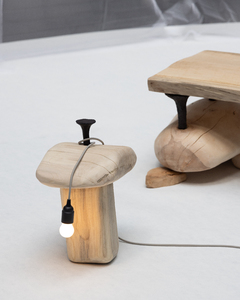
Name that can easily go onto 2 lines
Author that can easily go onto 2 lines as well
- Titel
- Lampe
- Autor/in
- Kategorie
- Schlagworte
- Material
- Ort: Institution
- Ort
- Lichthof 3
- Stadt
- Land
- Beteiligte Institution(en)
- Titel
- Lampe
- Urheberrechtshinweis
- © Florian Knöbl
- Rechtsschutz/Lizenz
- Freigabe Nutzung HfG
- Medienersteller/in
- Beziehung/Funktion
- Projektleiter/in
- Semester
- Studiengang
- Typ der Abschlussarbeit
- Importiert am
- 20.10.2024
- Übergeordnete Sets
- 1
Kurzbeschreibung von Who cares?
Name that can easily go onto 2 lines
Author that can easily go onto 2 lines as well
- Titel
- Kurzbeschreibung von Who cares?
- Titel (en)
- Who cares?
- Untertitel des Projekts/Werks (en)
- Digital sociality, care infrastructure and convivial technology
- Autor/in
- Beschreibung (de)
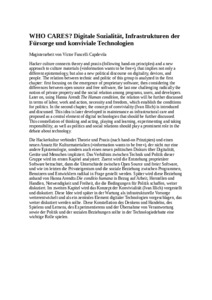
- Die Hackerkultur verbindet Theorie und Praxis (nach hand-on Prinzipien) und einen neuen Ansatz für Kulturmaterialien (»information wants to be free«), der nicht nur eine andere Epistemologie, sondern auch einen neuen politischen Diskurs über Digitalität, Geräte und Menschen impliziert. Das Verhältnis zwischen Technik und Politik dieser Gruppe wird im ersten Kapitel analysiert: Zuerst wird die Entstehung proprietärer Software betrachtet, dann die Unterschiede zwischen Open Source und freier Software, und wie im letzten die Privateigentum und die soziale Beziehung zwischen Programmen, Benutzern und Entwicklern radikal in Frage gestellt werden. Später wird diese Beziehung anhand von Hanna Arendts _Die conditio humana_ in Bezug auf Arbeit, Herstellen und Handlen, Notwendigkeit und Freiheit, die die Bedingungen für Politik schaffen, weiter diskutiert. Im zweiten Kapitel wird das Konzept der Konvivialität (Ivan Illich) vorgestellt und diskutiert. Diese Idee wird später in der Wartung als infrastrukturelle Vorsorge weiterentwickelt und als ein zentrales Element digitaler Technologien vorgeschlagen, das weiter diskutiert werden sollte. Diese Konstellation des Denkens und Handelns, des Spielens und Lernens, des Experimentierens und der Übernahme von Verantwortung sowie der Politik und der sozialen Beziehungen sollte in der Technologiedebatte eine wichtige Rolle spielen.
- Beschreibung (en)
- Hacker culture connects theory and praxis (following hand-on principles) and a new approach to culture materials (»information wants to be free«), that implies not only a different epistemology, but also a new political discourse on digitality, devices, and people. The relation between technic and politic of this group is analyzed in the first chapter: first focusing on the emergence of proprietary software; then considering the differences between open source and free software, the last one challenging radically the notion of private property and the social relation among programs, users, and developers. Later on, reading Hanna Arendts "The Human condition", the relation will be further discussed in terms of labor, work and action, necessity and freedom, which establish the conditions for politics. In the second chapter, the concept of conviviality (Ivan Illich) is introduced and discussed. This idea is later developed in maintenance as infrastructural care and proposed as a central element of digital technologies that should be further discussed. This constellation of thinking and acting, playing and learning, experimenting and taking responsibility, as well as politics and social relations should play a prominent role in the debate about technology.
- Typ des Projekts/Werks
- Schlagworte
- Datierung
- 30.09.2023
- Sprache
- Titel
- Kurzbeschreibung von Who cares?
- Titel (en)
- Project descritption of Who Cares?
- Urheberrechtshinweis
- Víctor Fancelli Capdevila
- Rechtsschutz/Lizenz
- Freigabe Nutzung HfG
- Medienersteller/in
- Beziehung/Funktion
- Medien-Beschreibung
- Zusammenfassung des Projekts Who cares?
- Projektleiter/in
- Semester
- Studiengang
- Typ der Abschlussarbeit
- Importiert am
- 02.06.2024
- Übergeordnete Sets
- 1
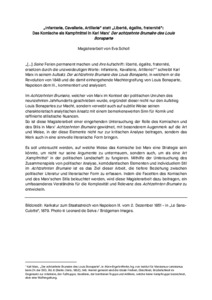
Kurzbeschreibung von „Infanterie, Cavallerie, Artillerie“ statt „Liberté, égalite, fraternité“: Das Komische als Kampfmittel in Karl Marx' Der achtzehnte Brumaire des Louis Bonaparte
Name that can easily go onto 2 lines
Author that can easily go onto 2 lines as well
- Titel
- Kurzbeschreibung von „Infanterie, Cavallerie, Artillerie“ statt „Liberté, égalite, fraternité“: Das Komische als Kampfmittel in Karl Marx' Der achtzehnte Brumaire des Louis Bonaparte
- Autor/in
- Titel
- Kurzbeschreibung von „Infanterie, Cavallerie, Artillerie“ statt „Liberté, égalite, fraternité“: Das Komische als Kampfmittel in Karl Marx' Der achtzehnte Brumaire des Louis Bonaparte
- Urheberrechtshinweis
- © Eva Scholl
- Rechtsschutz/Lizenz
- Freigabe Nutzung HfG
- Medienersteller/in
- Beziehung/Funktion
- Importiert am
- 31.05.2024
- Übergeordnete Sets
- 1
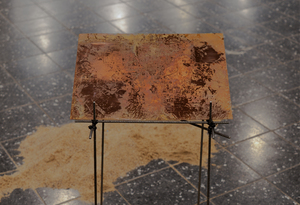
Kupferpalette_04.1
Name that can easily go onto 2 lines
Author that can easily go onto 2 lines as well
- Titel
- Kupferpalette_04.1
- Untertitel
- Baiyin - what the mine left behind
- Autor/in
- Titel
- Kupferpalette_04.1
- Untertitel
- Baiyin - what the mine left behind
- Urheberrechtshinweis
- © Dakang Wang
- Rechtsschutz/Lizenz
- Freigabe Nutzung HfG
- Beziehung/Funktion
- Projektleiter/in
- Semester
- Studiengang
- Typ der Abschlussarbeit
- Importiert am
- 11.03.2026
- Übergeordnete Sets
- 1
Kupferpalette_04
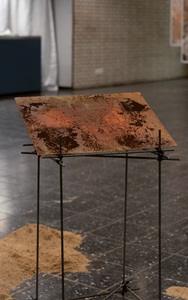
Name that can easily go onto 2 lines
Author that can easily go onto 2 lines as well
- Titel
- Kupferpalette_04
- Untertitel
- Baiyin - what the mine left behind
- Autor/in
- Titel
- Kupferpalette_04
- Untertitel
- Baiyin - what the mine left behind
- Urheberrechtshinweis
- © Dakang Wang
- Rechtsschutz/Lizenz
- Freigabe Nutzung HfG
- Beziehung/Funktion
- Projektleiter/in
- Semester
- Studiengang
- Typ der Abschlussarbeit
- Importiert am
- 11.03.2026
- Übergeordnete Sets
- 1
Kupferpalette_03
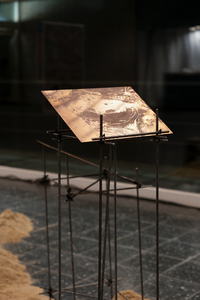
Name that can easily go onto 2 lines
Author that can easily go onto 2 lines as well
- Titel
- Kupferpalette_03
- Untertitel
- Baiyin - what the mine left behind
- Autor/in
- Titel
- Kupferpalette_03
- Untertitel
- Baiyin - what the mine left behind
- Urheberrechtshinweis
- © Dakang Wang
- Rechtsschutz/Lizenz
- Freigabe Nutzung HfG
- Beziehung/Funktion
- Projektleiter/in
- Semester
- Studiengang
- Typ der Abschlussarbeit
- Importiert am
- 11.03.2026
- Übergeordnete Sets
- 1
Kupferpalette_02
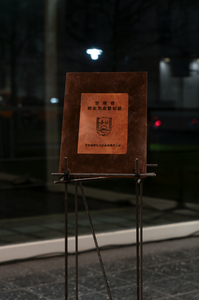
Name that can easily go onto 2 lines
Author that can easily go onto 2 lines as well
- Titel
- Kupferpalette_02
- Untertitel
- Baiyin - what the mine left behind
- Autor/in
- Titel
- Kupferpalette_02
- Untertitel
- Baiyin - what the mine left behind
- Urheberrechtshinweis
- © Dakang Wang
- Rechtsschutz/Lizenz
- Freigabe Nutzung HfG
- Beziehung/Funktion
- Projektleiter/in
- Semester
- Studiengang
- Typ der Abschlussarbeit
- Importiert am
- 11.03.2026
- Übergeordnete Sets
- 1
Kupferpalette_01
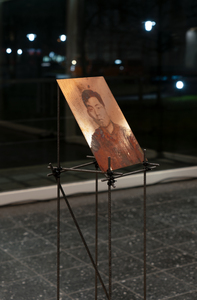
Name that can easily go onto 2 lines
Author that can easily go onto 2 lines as well
- Titel
- Kupferpalette_01
- Untertitel
- Baiyin - what the mine left behind
- Autor/in
- Titel
- Kupferpalette_01
- Untertitel
- Baiyin - what the mine left behind
- Urheberrechtshinweis
- © Dakang Wang
- Rechtsschutz/Lizenz
- Freigabe Nutzung HfG
- Beziehung/Funktion
- Projektleiter/in
- Semester
- Studiengang
- Typ der Abschlussarbeit
- Importiert am
- 11.03.2026
- Übergeordnete Sets
- 1