"Kunstwissenschaft und Medienphilosophie"
| Term | Kunstwissenschaft und Medienphilosophie |
| Metakey | Department (institution:field_of_study) |
| Type | Keyword |
| Vocabulary | HfG |
50 Items
- Page 1 of 5
Bildstrategien: Abstract
Name that can easily go onto 2 lines
Author that can easily go onto 2 lines as well
- Title
- Bildstrategien: Abstract
- Author
- Description (de)
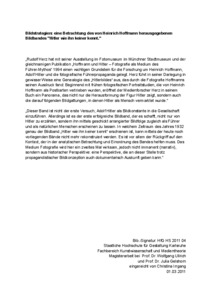
- „Rudolf Herz hat mit seiner Ausstellung im Fotomuseum im Münchner Stadtmuseum und der gleichnamigen Publikation „Hoffmann und Hitler – Fotografie als Medium des Führer-Mythos“ 1994 einen wichtigen Grundstein für die Forschung um Heinrich Hoffmann, Adolf Hitler und die fotografische Führerpropaganda gelegt. Herz führt in seiner Darlegung in gewisser Weise eine Genealogie des „Hitlerbildes“ aus, das durch die Fotografie Hoffmanns seinen Ausdruck fand: Beginnend mit frühen fotografischen Portraitstudien, die von Heinrich Hoffmann als Postkarten vertrieben wurden, eröffnet der Medienforscher Herz in seinem Buch ein Panorama, das nicht nur die Herausformung der Figur Hitler zeigt, sondern auch die darauf folgenden Bildgattungen, in denen Hitler als Mensch vermarktet wurde.”
„Dieser Band ist nicht der erste Versuch, Adolf Hitler als Bildkonstante in die Gesellschaft einzuführen. Allerdings ist es der erste erfolgreiche Bildband, der es schafft, nicht nur von Hitler zu erzählen, sondern ihn mittels geschickt arrangierter Bildfolge zugleich als Führer und als natürlichen Menschen erscheinen zu lassen. In welchem Zeitraum des Jahres 1932 genau der Bildband „Hitler wie ihn keiner kennt“ erschienen ist, kann mittels der heute noch vorliegenden Bände nicht mehr rekonstruiert werden. Es ist vor allem der Rückgriff auf den Kontext, der in der analytischen Betrachtung und Einordnung des Bandes helfen muss. Das Medium Fotografie wird hier ein zweites Mal wirksam, jedoch nicht immanent (narrativ), sondern aus historischer Perspektive: eine Perspektive, die an dieser Stelle trotz propagandistischer Bildkonzeption auch dokumentarisch Auskunft geben kann.”
- „Rudolf Herz hat mit seiner Ausstellung im Fotomuseum im Münchner Stadtmuseum und der gleichnamigen Publikation „Hoffmann und Hitler – Fotografie als Medium des Führer-Mythos“ 1994 einen wichtigen Grundstein für die Forschung um Heinrich Hoffmann, Adolf Hitler und die fotografische Führerpropaganda gelegt. Herz führt in seiner Darlegung in gewisser Weise eine Genealogie des „Hitlerbildes“ aus, das durch die Fotografie Hoffmanns seinen Ausdruck fand: Beginnend mit frühen fotografischen Portraitstudien, die von Heinrich Hoffmann als Postkarten vertrieben wurden, eröffnet der Medienforscher Herz in seinem Buch ein Panorama, das nicht nur die Herausformung der Figur Hitler zeigt, sondern auch die darauf folgenden Bildgattungen, in denen Hitler als Mensch vermarktet wurde.”
- Description (en)
- ‘With his exhibition at the Fotomuseum in Munich's Stadtmuseum and the publication of the same name ‘Hoffmann and Hitler - Photography as a Medium of the Führer Myth’ in 1994, Rudolf Herz laid an important foundation stone for research into Heinrich Hoffmann, Adolf Hitler and photographic Führer propaganda. In his account, Herz sets out a kind of genealogy of the ‘Hitler image’, which found its expression through Hoffmann's photography: Beginning with early photographic portrait studies that were distributed by Heinrich Hoffmann as postcards, media researcher Herz opens up a panorama in his book that shows not only the moulding of the figure of Hitler, but also the subsequent image genres in which Hitler was marketed as a human being.’
‘This volume is not the first attempt to introduce Adolf Hitler into society as an image constant. However, it is the first successful illustrated book that manages not only to tell the story of Hitler, but also to make him appear both as a leader and as a natural human being by means of a skilfully arranged sequence of images. It is no longer possible to reconstruct exactly when the illustrated book ‘Hitler wie ihn keiner kennt’ was published in 1932 using the volumes still available today. It is above all the recourse to the context that must help in the analytical consideration and categorisation of the volume. The medium of photography becomes effective a second time here, but not immanently (narratively), but from a historical perspective: a perspective that can also provide documentary information at this point, despite the propagandistic image concept.’
- ‘With his exhibition at the Fotomuseum in Munich's Stadtmuseum and the publication of the same name ‘Hoffmann and Hitler - Photography as a Medium of the Führer Myth’ in 1994, Rudolf Herz laid an important foundation stone for research into Heinrich Hoffmann, Adolf Hitler and photographic Führer propaganda. In his account, Herz sets out a kind of genealogy of the ‘Hitler image’, which found its expression through Hoffmann's photography: Beginning with early photographic portrait studies that were distributed by Heinrich Hoffmann as postcards, media researcher Herz opens up a panorama in his book that shows not only the moulding of the figure of Hitler, but also the subsequent image genres in which Hitler was marketed as a human being.’
- Category
- Keywords
- Date
- 01.03.2011
- Language
- Location: institution
- Title
- Bildstrategien: Abstract
- Copyright Notice
- © Christina Irrgang
- Legal protection / Licence
- Permission usage HfG
- Media creator
- Relationship/function
- Projektleiter/in
- Semester
- Program of Study
- Type of graduation project
- Archive signature
- HfG HS 2011 04
- External archive
- Imported on
- 31.03.2025
- Parent sets
- 1
Bildstrategien: Deckblatt
Name that can easily go onto 2 lines
Author that can easily go onto 2 lines as well
- Title
- Bildstrategien: Deckblatt
- Author
- Description (de)
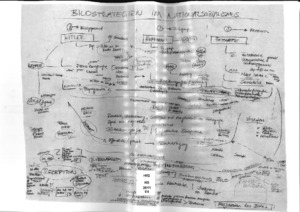
- „Rudolf Herz hat mit seiner Ausstellung im Fotomuseum im Münchner Stadtmuseum und der gleichnamigen Publikation „Hoffmann und Hitler – Fotografie als Medium des Führer-Mythos“ 1994 einen wichtigen Grundstein für die Forschung um Heinrich Hoffmann, Adolf Hitler und die fotografische Führerpropaganda gelegt. Herz führt in seiner Darlegung in gewisser Weise eine Genealogie des „Hitlerbildes“ aus, das durch die Fotografie Hoffmanns seinen Ausdruck fand: Beginnend mit frühen fotografischen Portraitstudien, die von Heinrich Hoffmann als Postkarten vertrieben wurden, eröffnet der Medienforscher Herz in seinem Buch ein Panorama, das nicht nur die Herausformung der Figur Hitler zeigt, sondern auch die darauf folgenden Bildgattungen, in denen Hitler als Mensch vermarktet wurde.”
„Dieser Band ist nicht der erste Versuch, Adolf Hitler als Bildkonstante in die Gesellschaft einzuführen. Allerdings ist es der erste erfolgreiche Bildband, der es schafft, nicht nur von Hitler zu erzählen, sondern ihn mittels geschickt arrangierter Bildfolge zugleich als Führer und als natürlichen Menschen erscheinen zu lassen. In welchem Zeitraum des Jahres 1932 genau der Bildband „Hitler wie ihn keiner kennt“ erschienen ist, kann mittels der heute noch vorliegenden Bände nicht mehr rekonstruiert werden. Es ist vor allem der Rückgriff auf den Kontext, der in der analytischen Betrachtung und Einordnung des Bandes helfen muss. Das Medium Fotografie wird hier ein zweites Mal wirksam, jedoch nicht immanent (narrativ), sondern aus historischer Perspektive: eine Perspektive, die an dieser Stelle trotz propagandistischer Bildkonzeption auch dokumentarisch Auskunft geben kann.”
- „Rudolf Herz hat mit seiner Ausstellung im Fotomuseum im Münchner Stadtmuseum und der gleichnamigen Publikation „Hoffmann und Hitler – Fotografie als Medium des Führer-Mythos“ 1994 einen wichtigen Grundstein für die Forschung um Heinrich Hoffmann, Adolf Hitler und die fotografische Führerpropaganda gelegt. Herz führt in seiner Darlegung in gewisser Weise eine Genealogie des „Hitlerbildes“ aus, das durch die Fotografie Hoffmanns seinen Ausdruck fand: Beginnend mit frühen fotografischen Portraitstudien, die von Heinrich Hoffmann als Postkarten vertrieben wurden, eröffnet der Medienforscher Herz in seinem Buch ein Panorama, das nicht nur die Herausformung der Figur Hitler zeigt, sondern auch die darauf folgenden Bildgattungen, in denen Hitler als Mensch vermarktet wurde.”
- Description (en)
- ‘With his exhibition at the Fotomuseum in Munich's Stadtmuseum and the publication of the same name ‘Hoffmann and Hitler - Photography as a Medium of the Führer Myth’ in 1994, Rudolf Herz laid an important foundation stone for research into Heinrich Hoffmann, Adolf Hitler and photographic Führer propaganda. In his account, Herz sets out a kind of genealogy of the ‘Hitler image’, which found its expression through Hoffmann's photography: Beginning with early photographic portrait studies that were distributed by Heinrich Hoffmann as postcards, media researcher Herz opens up a panorama in his book that shows not only the moulding of the figure of Hitler, but also the subsequent image genres in which Hitler was marketed as a human being.’
‘This volume is not the first attempt to introduce Adolf Hitler into society as an image constant. However, it is the first successful illustrated book that manages not only to tell the story of Hitler, but also to make him appear both as a leader and as a natural human being by means of a skilfully arranged sequence of images. It is no longer possible to reconstruct exactly when the illustrated book ‘Hitler wie ihn keiner kennt’ was published in 1932 using the volumes still available today. It is above all the recourse to the context that must help in the analytical consideration and categorisation of the volume. The medium of photography becomes effective a second time here, but not immanently (narratively), but from a historical perspective: a perspective that can also provide documentary information at this point, despite the propagandistic image concept.’
- ‘With his exhibition at the Fotomuseum in Munich's Stadtmuseum and the publication of the same name ‘Hoffmann and Hitler - Photography as a Medium of the Führer Myth’ in 1994, Rudolf Herz laid an important foundation stone for research into Heinrich Hoffmann, Adolf Hitler and photographic Führer propaganda. In his account, Herz sets out a kind of genealogy of the ‘Hitler image’, which found its expression through Hoffmann's photography: Beginning with early photographic portrait studies that were distributed by Heinrich Hoffmann as postcards, media researcher Herz opens up a panorama in his book that shows not only the moulding of the figure of Hitler, but also the subsequent image genres in which Hitler was marketed as a human being.’
- Category
- Keywords
- Date
- 01.03.2011
- Language
- Location: institution
- Title
- Bildstrategien: Deckblatt
- Copyright Notice
- © Christina Irrgang
- Legal protection / Licence
- Permission usage HfG
- Media creator
- Relationship/function
- Projektleiter/in
- Semester
- Program of Study
- Type of graduation project
- Archive signature
- HfG HS 2011 04
- External archive
- Imported on
- 31.03.2025
- Parent sets
- 1
Bildstrategien: Inhaltsverzeichnis
Name that can easily go onto 2 lines
Author that can easily go onto 2 lines as well
- Title
- Bildstrategien: Inhaltsverzeichnis
- Author
- Description (de)
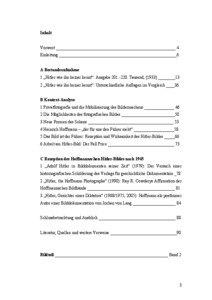
- „Rudolf Herz hat mit seiner Ausstellung im Fotomuseum im Münchner Stadtmuseum und der gleichnamigen Publikation „Hoffmann und Hitler – Fotografie als Medium des Führer-Mythos“ 1994 einen wichtigen Grundstein für die Forschung um Heinrich Hoffmann, Adolf Hitler und die fotografische Führerpropaganda gelegt. Herz führt in seiner Darlegung in gewisser Weise eine Genealogie des „Hitlerbildes“ aus, das durch die Fotografie Hoffmanns seinen Ausdruck fand: Beginnend mit frühen fotografischen Portraitstudien, die von Heinrich Hoffmann als Postkarten vertrieben wurden, eröffnet der Medienforscher Herz in seinem Buch ein Panorama, das nicht nur die Herausformung der Figur Hitler zeigt, sondern auch die darauf folgenden Bildgattungen, in denen Hitler als Mensch vermarktet wurde.”
„Dieser Band ist nicht der erste Versuch, Adolf Hitler als Bildkonstante in die Gesellschaft einzuführen. Allerdings ist es der erste erfolgreiche Bildband, der es schafft, nicht nur von Hitler zu erzählen, sondern ihn mittels geschickt arrangierter Bildfolge zugleich als Führer und als natürlichen Menschen erscheinen zu lassen. In welchem Zeitraum des Jahres 1932 genau der Bildband „Hitler wie ihn keiner kennt“ erschienen ist, kann mittels der heute noch vorliegenden Bände nicht mehr rekonstruiert werden. Es ist vor allem der Rückgriff auf den Kontext, der in der analytischen Betrachtung und Einordnung des Bandes helfen muss. Das Medium Fotografie wird hier ein zweites Mal wirksam, jedoch nicht immanent (narrativ), sondern aus historischer Perspektive: eine Perspektive, die an dieser Stelle trotz propagandistischer Bildkonzeption auch dokumentarisch Auskunft geben kann.”
- „Rudolf Herz hat mit seiner Ausstellung im Fotomuseum im Münchner Stadtmuseum und der gleichnamigen Publikation „Hoffmann und Hitler – Fotografie als Medium des Führer-Mythos“ 1994 einen wichtigen Grundstein für die Forschung um Heinrich Hoffmann, Adolf Hitler und die fotografische Führerpropaganda gelegt. Herz führt in seiner Darlegung in gewisser Weise eine Genealogie des „Hitlerbildes“ aus, das durch die Fotografie Hoffmanns seinen Ausdruck fand: Beginnend mit frühen fotografischen Portraitstudien, die von Heinrich Hoffmann als Postkarten vertrieben wurden, eröffnet der Medienforscher Herz in seinem Buch ein Panorama, das nicht nur die Herausformung der Figur Hitler zeigt, sondern auch die darauf folgenden Bildgattungen, in denen Hitler als Mensch vermarktet wurde.”
- Description (en)
- ‘With his exhibition at the Fotomuseum in Munich's Stadtmuseum and the publication of the same name ‘Hoffmann and Hitler - Photography as a Medium of the Führer Myth’ in 1994, Rudolf Herz laid an important foundation stone for research into Heinrich Hoffmann, Adolf Hitler and photographic Führer propaganda. In his account, Herz sets out a kind of genealogy of the ‘Hitler image’, which found its expression through Hoffmann's photography: Beginning with early photographic portrait studies that were distributed by Heinrich Hoffmann as postcards, media researcher Herz opens up a panorama in his book that shows not only the moulding of the figure of Hitler, but also the subsequent image genres in which Hitler was marketed as a human being.’
‘This volume is not the first attempt to introduce Adolf Hitler into society as an image constant. However, it is the first successful illustrated book that manages not only to tell the story of Hitler, but also to make him appear both as a leader and as a natural human being by means of a skilfully arranged sequence of images. It is no longer possible to reconstruct exactly when the illustrated book ‘Hitler wie ihn keiner kennt’ was published in 1932 using the volumes still available today. It is above all the recourse to the context that must help in the analytical consideration and categorisation of the volume. The medium of photography becomes effective a second time here, but not immanently (narratively), but from a historical perspective: a perspective that can also provide documentary information at this point, despite the propagandistic image concept.’
- ‘With his exhibition at the Fotomuseum in Munich's Stadtmuseum and the publication of the same name ‘Hoffmann and Hitler - Photography as a Medium of the Führer Myth’ in 1994, Rudolf Herz laid an important foundation stone for research into Heinrich Hoffmann, Adolf Hitler and photographic Führer propaganda. In his account, Herz sets out a kind of genealogy of the ‘Hitler image’, which found its expression through Hoffmann's photography: Beginning with early photographic portrait studies that were distributed by Heinrich Hoffmann as postcards, media researcher Herz opens up a panorama in his book that shows not only the moulding of the figure of Hitler, but also the subsequent image genres in which Hitler was marketed as a human being.’
- Category
- Keywords
- Date
- 01.03.2011
- Language
- Location: institution
- Title
- Bildstrategien: Inhaltsverzeichnis
- Copyright Notice
- © Christina Irrgang
- Legal protection / Licence
- Permission usage HfG
- Media creator
- Relationship/function
- Projektleiter/in
- Semester
- Program of Study
- Type of graduation project
- Archive signature
- HfG HS 2011 04
- External archive
- Imported on
- 31.03.2025
- Parent sets
- 1
Critical Zones
Name that can easily go onto 2 lines
Author that can easily go onto 2 lines as well
- Title
- Critical Zones
- Title (en)
- Critical Zones
- Author
- Description (de)
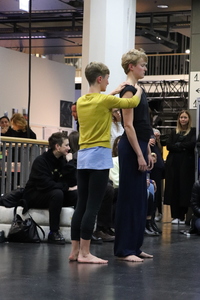
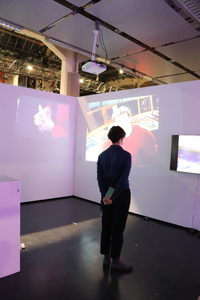
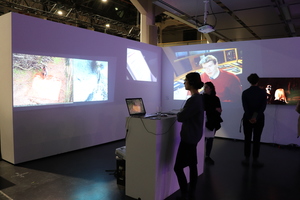
- “Critical Zones”: Developing concepts and approaches for grasping the New Climatic Regime (Bruno Latour), that is the transformations in the relations of humans to their “terrestrial” conditions of existence. – The seminar series of Bruno Latour at HfG analyses these transformations as epistemic breaks and shifts of knowledge by drawing an analogy to the scientific revolution in the 17th century, where, after a crisis of former sound knowledge, new epistemic systems, representations and narrations in art, science, and religion had to be constructed and reintegrated into new dispositifs of knowledge. The project tackles an important aesthetic question, which overpasses simple forms of illustration of knowledge: How central is the imaginary capacity of the arts in constructing representations and narrations that are depictions and “generators” of new knowledge systems and therefore vital means of cultural change?
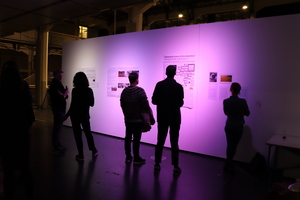
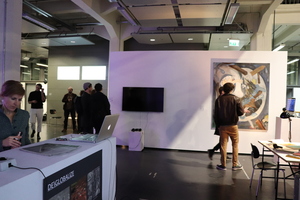
The exhibition at HfG in November will display some preliminary results of the projects developed by the seminar participants. It presents an opportunity to discuss – in a mode of work-in-progress – research questions, aesthetic approaches and epistemic experiments with colleagues and students of HfG and ZKM.
Opening: Nov 7, 19:00; duration: Nov 8, 10:00-19:00, Nov 9, 10:00-15:00
HfG, mittlere Lichtbrücke
- “Critical Zones”: Developing concepts and approaches for grasping the New Climatic Regime (Bruno Latour), that is the transformations in the relations of humans to their “terrestrial” conditions of existence. – The seminar series of Bruno Latour at HfG analyses these transformations as epistemic breaks and shifts of knowledge by drawing an analogy to the scientific revolution in the 17th century, where, after a crisis of former sound knowledge, new epistemic systems, representations and narrations in art, science, and religion had to be constructed and reintegrated into new dispositifs of knowledge. The project tackles an important aesthetic question, which overpasses simple forms of illustration of knowledge: How central is the imaginary capacity of the arts in constructing representations and narrations that are depictions and “generators” of new knowledge systems and therefore vital means of cultural change?
- Description (en)
- “Critical Zones”: Developing concepts and approaches for grasping the New Climatic Regime (Bruno Latour), that is the transformations in the relations of humans to their “terrestrial” conditions of existence. – The seminar series of Bruno Latour at HfG analyses these transformations as epistemic breaks and shifts of knowledge by drawing an analogy to the scientific revolution in the 17th century, where, after a crisis of former sound knowledge, new epistemic systems, representations and narrations in art, science, and religion had to be constructed and reintegrated into new dispositifs of knowledge. The project tackles an important aesthetic question, which overpasses simple forms of illustration of knowledge: How central is the imaginary capacity of the arts in constructing representations and narrations that are depictions and “generators” of new knowledge systems and therefore vital means of cultural change?
The exhibition at HfG in November will display some preliminary results of the projects developed by the seminar participants. It presents an opportunity to discuss – in a mode of work-in-progress – research questions, aesthetic approaches and epistemic experiments with colleagues and students of HfG and ZKM.
Opening: Nov 7, 19:00; duration: Nov 8, 10:00-19:00, Nov 9, 10:00-15:00
HfG, mittlere Lichtbrücke
- “Critical Zones”: Developing concepts and approaches for grasping the New Climatic Regime (Bruno Latour), that is the transformations in the relations of humans to their “terrestrial” conditions of existence. – The seminar series of Bruno Latour at HfG analyses these transformations as epistemic breaks and shifts of knowledge by drawing an analogy to the scientific revolution in the 17th century, where, after a crisis of former sound knowledge, new epistemic systems, representations and narrations in art, science, and religion had to be constructed and reintegrated into new dispositifs of knowledge. The project tackles an important aesthetic question, which overpasses simple forms of illustration of knowledge: How central is the imaginary capacity of the arts in constructing representations and narrations that are depictions and “generators” of new knowledge systems and therefore vital means of cultural change?
- Type of project / creative work
- Keywords
- Date
- 07.11.2018 - 09.11.2018
- Contributors
- Location: institution
- Location
- mittlere Lichtbrücke
- City
- Country
- Participating institution(s)
- Title
- Critical Zones
- Title (en)
- Critical Zones
- Copyright Notice
- Hochschule für Gestaltung Karlsruhe
- Legal protection / Licence
- Permission usage HfG
- Projektleiter/in
- Semester
- Imported on
- 10.01.2019
- Parent sets
- 1
Critical Zones
Name that can easily go onto 2 lines
Author that can easily go onto 2 lines as well
- Title
- Critical Zones
- Title (en)
- Critical Zones
- Author
- Description (de)
- “Critical Zones”: Developing concepts and approaches for grasping the New Climatic Regime (Bruno Latour), that is the transformations in the relations of humans to their “terrestrial” conditions of existence. – The seminar series of Bruno Latour at HfG analyses these transformations as epistemic breaks and shifts of knowledge by drawing an analogy to the scientific revolution in the 17th century, where, after a crisis of former sound knowledge, new epistemic systems, representations and narrations in art, science, and religion had to be constructed and reintegrated into new dispositifs of knowledge. The project tackles an important aesthetic question, which overpasses simple forms of illustration of knowledge: How central is the imaginary capacity of the arts in constructing representations and narrations that are depictions and “generators” of new knowledge systems and therefore vital means of cultural change?
The exhibition at HfG in November will display some preliminary results of the projects developed by the seminar participants. It presents an opportunity to discuss – in a mode of work-in-progress – research questions, aesthetic approaches and epistemic experiments with colleagues and students of HfG and ZKM.
Opening: Nov 7, 19:00; duration: Nov 8, 10:00-19:00, Nov 9, 10:00-15:00
HfG, mittlere Lichtbrücke
- “Critical Zones”: Developing concepts and approaches for grasping the New Climatic Regime (Bruno Latour), that is the transformations in the relations of humans to their “terrestrial” conditions of existence. – The seminar series of Bruno Latour at HfG analyses these transformations as epistemic breaks and shifts of knowledge by drawing an analogy to the scientific revolution in the 17th century, where, after a crisis of former sound knowledge, new epistemic systems, representations and narrations in art, science, and religion had to be constructed and reintegrated into new dispositifs of knowledge. The project tackles an important aesthetic question, which overpasses simple forms of illustration of knowledge: How central is the imaginary capacity of the arts in constructing representations and narrations that are depictions and “generators” of new knowledge systems and therefore vital means of cultural change?
- Description (en)
- “Critical Zones”: Developing concepts and approaches for grasping the New Climatic Regime (Bruno Latour), that is the transformations in the relations of humans to their “terrestrial” conditions of existence. – The seminar series of Bruno Latour at HfG analyses these transformations as epistemic breaks and shifts of knowledge by drawing an analogy to the scientific revolution in the 17th century, where, after a crisis of former sound knowledge, new epistemic systems, representations and narrations in art, science, and religion had to be constructed and reintegrated into new dispositifs of knowledge. The project tackles an important aesthetic question, which overpasses simple forms of illustration of knowledge: How central is the imaginary capacity of the arts in constructing representations and narrations that are depictions and “generators” of new knowledge systems and therefore vital means of cultural change?
The exhibition at HfG in November will display some preliminary results of the projects developed by the seminar participants. It presents an opportunity to discuss – in a mode of work-in-progress – research questions, aesthetic approaches and epistemic experiments with colleagues and students of HfG and ZKM.
Opening: Nov 7, 19:00; duration: Nov 8, 10:00-19:00, Nov 9, 10:00-15:00
HfG, mittlere Lichtbrücke
- “Critical Zones”: Developing concepts and approaches for grasping the New Climatic Regime (Bruno Latour), that is the transformations in the relations of humans to their “terrestrial” conditions of existence. – The seminar series of Bruno Latour at HfG analyses these transformations as epistemic breaks and shifts of knowledge by drawing an analogy to the scientific revolution in the 17th century, where, after a crisis of former sound knowledge, new epistemic systems, representations and narrations in art, science, and religion had to be constructed and reintegrated into new dispositifs of knowledge. The project tackles an important aesthetic question, which overpasses simple forms of illustration of knowledge: How central is the imaginary capacity of the arts in constructing representations and narrations that are depictions and “generators” of new knowledge systems and therefore vital means of cultural change?
- Type of project / creative work
- Keywords
- Date
- 07.11.2018 - 09.11.2018
- Contributors
- Location: institution
- Location
- mittlere Lichtbrücke
- City
- Country
- Participating institution(s)
- Title
- Critical Zones
- Title (en)
- Critical Zones
- Copyright Notice
- Hochschule für Gestaltung Karlsruhe
- Legal protection / Licence
- Permission usage HfG
- Projektleiter/in
- Semester
- Imported on
- 10.01.2019
- Parent sets
- 1
Critical Zones
Name that can easily go onto 2 lines
Author that can easily go onto 2 lines as well
- Title
- Critical Zones
- Title (en)
- Critical Zones
- Author
- Description (de)
- “Critical Zones”: Developing concepts and approaches for grasping the New Climatic Regime (Bruno Latour), that is the transformations in the relations of humans to their “terrestrial” conditions of existence. – The seminar series of Bruno Latour at HfG analyses these transformations as epistemic breaks and shifts of knowledge by drawing an analogy to the scientific revolution in the 17th century, where, after a crisis of former sound knowledge, new epistemic systems, representations and narrations in art, science, and religion had to be constructed and reintegrated into new dispositifs of knowledge. The project tackles an important aesthetic question, which overpasses simple forms of illustration of knowledge: How central is the imaginary capacity of the arts in constructing representations and narrations that are depictions and “generators” of new knowledge systems and therefore vital means of cultural change?
The exhibition at HfG in November will display some preliminary results of the projects developed by the seminar participants. It presents an opportunity to discuss – in a mode of work-in-progress – research questions, aesthetic approaches and epistemic experiments with colleagues and students of HfG and ZKM.
Opening: Nov 7, 19:00; duration: Nov 8, 10:00-19:00, Nov 9, 10:00-15:00
HfG, mittlere Lichtbrücke
- “Critical Zones”: Developing concepts and approaches for grasping the New Climatic Regime (Bruno Latour), that is the transformations in the relations of humans to their “terrestrial” conditions of existence. – The seminar series of Bruno Latour at HfG analyses these transformations as epistemic breaks and shifts of knowledge by drawing an analogy to the scientific revolution in the 17th century, where, after a crisis of former sound knowledge, new epistemic systems, representations and narrations in art, science, and religion had to be constructed and reintegrated into new dispositifs of knowledge. The project tackles an important aesthetic question, which overpasses simple forms of illustration of knowledge: How central is the imaginary capacity of the arts in constructing representations and narrations that are depictions and “generators” of new knowledge systems and therefore vital means of cultural change?
- Description (en)
- “Critical Zones”: Developing concepts and approaches for grasping the New Climatic Regime (Bruno Latour), that is the transformations in the relations of humans to their “terrestrial” conditions of existence. – The seminar series of Bruno Latour at HfG analyses these transformations as epistemic breaks and shifts of knowledge by drawing an analogy to the scientific revolution in the 17th century, where, after a crisis of former sound knowledge, new epistemic systems, representations and narrations in art, science, and religion had to be constructed and reintegrated into new dispositifs of knowledge. The project tackles an important aesthetic question, which overpasses simple forms of illustration of knowledge: How central is the imaginary capacity of the arts in constructing representations and narrations that are depictions and “generators” of new knowledge systems and therefore vital means of cultural change?
The exhibition at HfG in November will display some preliminary results of the projects developed by the seminar participants. It presents an opportunity to discuss – in a mode of work-in-progress – research questions, aesthetic approaches and epistemic experiments with colleagues and students of HfG and ZKM.
Opening: Nov 7, 19:00; duration: Nov 8, 10:00-19:00, Nov 9, 10:00-15:00
HfG, mittlere Lichtbrücke
- “Critical Zones”: Developing concepts and approaches for grasping the New Climatic Regime (Bruno Latour), that is the transformations in the relations of humans to their “terrestrial” conditions of existence. – The seminar series of Bruno Latour at HfG analyses these transformations as epistemic breaks and shifts of knowledge by drawing an analogy to the scientific revolution in the 17th century, where, after a crisis of former sound knowledge, new epistemic systems, representations and narrations in art, science, and religion had to be constructed and reintegrated into new dispositifs of knowledge. The project tackles an important aesthetic question, which overpasses simple forms of illustration of knowledge: How central is the imaginary capacity of the arts in constructing representations and narrations that are depictions and “generators” of new knowledge systems and therefore vital means of cultural change?
- Type of project / creative work
- Keywords
- Date
- 07.11.2018 - 09.11.2018
- Contributors
- Location: institution
- Location
- mittlere Lichtbrücke
- City
- Country
- Participating institution(s)
- Title
- Critical Zones
- Title (en)
- Critical Zones
- Copyright Notice
- Hochschule für Gestaltung Karlsruhe
- Legal protection / Licence
- Permission usage HfG
- Projektleiter/in
- Semester
- Imported on
- 10.01.2019
- Parent sets
- 1
Critical Zones
Name that can easily go onto 2 lines
Author that can easily go onto 2 lines as well
- Title
- Critical Zones
- Title (en)
- Critical Zones
- Author
- Description (de)
- “Critical Zones”: Developing concepts and approaches for grasping the New Climatic Regime (Bruno Latour), that is the transformations in the relations of humans to their “terrestrial” conditions of existence. – The seminar series of Bruno Latour at HfG analyses these transformations as epistemic breaks and shifts of knowledge by drawing an analogy to the scientific revolution in the 17th century, where, after a crisis of former sound knowledge, new epistemic systems, representations and narrations in art, science, and religion had to be constructed and reintegrated into new dispositifs of knowledge. The project tackles an important aesthetic question, which overpasses simple forms of illustration of knowledge: How central is the imaginary capacity of the arts in constructing representations and narrations that are depictions and “generators” of new knowledge systems and therefore vital means of cultural change?
The exhibition at HfG in November will display some preliminary results of the projects developed by the seminar participants. It presents an opportunity to discuss – in a mode of work-in-progress – research questions, aesthetic approaches and epistemic experiments with colleagues and students of HfG and ZKM.
Opening: Nov 7, 19:00; duration: Nov 8, 10:00-19:00, Nov 9, 10:00-15:00
HfG, mittlere Lichtbrücke
- “Critical Zones”: Developing concepts and approaches for grasping the New Climatic Regime (Bruno Latour), that is the transformations in the relations of humans to their “terrestrial” conditions of existence. – The seminar series of Bruno Latour at HfG analyses these transformations as epistemic breaks and shifts of knowledge by drawing an analogy to the scientific revolution in the 17th century, where, after a crisis of former sound knowledge, new epistemic systems, representations and narrations in art, science, and religion had to be constructed and reintegrated into new dispositifs of knowledge. The project tackles an important aesthetic question, which overpasses simple forms of illustration of knowledge: How central is the imaginary capacity of the arts in constructing representations and narrations that are depictions and “generators” of new knowledge systems and therefore vital means of cultural change?
- Description (en)
- “Critical Zones”: Developing concepts and approaches for grasping the New Climatic Regime (Bruno Latour), that is the transformations in the relations of humans to their “terrestrial” conditions of existence. – The seminar series of Bruno Latour at HfG analyses these transformations as epistemic breaks and shifts of knowledge by drawing an analogy to the scientific revolution in the 17th century, where, after a crisis of former sound knowledge, new epistemic systems, representations and narrations in art, science, and religion had to be constructed and reintegrated into new dispositifs of knowledge. The project tackles an important aesthetic question, which overpasses simple forms of illustration of knowledge: How central is the imaginary capacity of the arts in constructing representations and narrations that are depictions and “generators” of new knowledge systems and therefore vital means of cultural change?
The exhibition at HfG in November will display some preliminary results of the projects developed by the seminar participants. It presents an opportunity to discuss – in a mode of work-in-progress – research questions, aesthetic approaches and epistemic experiments with colleagues and students of HfG and ZKM.
Opening: Nov 7, 19:00; duration: Nov 8, 10:00-19:00, Nov 9, 10:00-15:00
HfG, mittlere Lichtbrücke
- “Critical Zones”: Developing concepts and approaches for grasping the New Climatic Regime (Bruno Latour), that is the transformations in the relations of humans to their “terrestrial” conditions of existence. – The seminar series of Bruno Latour at HfG analyses these transformations as epistemic breaks and shifts of knowledge by drawing an analogy to the scientific revolution in the 17th century, where, after a crisis of former sound knowledge, new epistemic systems, representations and narrations in art, science, and religion had to be constructed and reintegrated into new dispositifs of knowledge. The project tackles an important aesthetic question, which overpasses simple forms of illustration of knowledge: How central is the imaginary capacity of the arts in constructing representations and narrations that are depictions and “generators” of new knowledge systems and therefore vital means of cultural change?
- Type of project / creative work
- Keywords
- Date
- 07.11.2018 - 09.11.2018
- Contributors
- Location: institution
- Location
- mittlere Lichtbrücke
- City
- Country
- Participating institution(s)
- Title
- Critical Zones
- Title (en)
- Critical Zones
- Copyright Notice
- Hochschule für Gestaltung Karlsruhe
- Legal protection / Licence
- Permission usage HfG
- Projektleiter/in
- Semester
- Imported on
- 10.01.2019
- Parent sets
- 1
Critical Zones
Name that can easily go onto 2 lines
Author that can easily go onto 2 lines as well
- Title
- Critical Zones
- Title (en)
- Critical Zones
- Author
- Description (de)
- “Critical Zones”: Developing concepts and approaches for grasping the New Climatic Regime (Bruno Latour), that is the transformations in the relations of humans to their “terrestrial” conditions of existence. – The seminar series of Bruno Latour at HfG analyses these transformations as epistemic breaks and shifts of knowledge by drawing an analogy to the scientific revolution in the 17th century, where, after a crisis of former sound knowledge, new epistemic systems, representations and narrations in art, science, and religion had to be constructed and reintegrated into new dispositifs of knowledge. The project tackles an important aesthetic question, which overpasses simple forms of illustration of knowledge: How central is the imaginary capacity of the arts in constructing representations and narrations that are depictions and “generators” of new knowledge systems and therefore vital means of cultural change?
The exhibition at HfG in November will display some preliminary results of the projects developed by the seminar participants. It presents an opportunity to discuss – in a mode of work-in-progress – research questions, aesthetic approaches and epistemic experiments with colleagues and students of HfG and ZKM.
Opening: Nov 7, 19:00; duration: Nov 8, 10:00-19:00, Nov 9, 10:00-15:00
HfG, mittlere Lichtbrücke
- “Critical Zones”: Developing concepts and approaches for grasping the New Climatic Regime (Bruno Latour), that is the transformations in the relations of humans to their “terrestrial” conditions of existence. – The seminar series of Bruno Latour at HfG analyses these transformations as epistemic breaks and shifts of knowledge by drawing an analogy to the scientific revolution in the 17th century, where, after a crisis of former sound knowledge, new epistemic systems, representations and narrations in art, science, and religion had to be constructed and reintegrated into new dispositifs of knowledge. The project tackles an important aesthetic question, which overpasses simple forms of illustration of knowledge: How central is the imaginary capacity of the arts in constructing representations and narrations that are depictions and “generators” of new knowledge systems and therefore vital means of cultural change?
- Description (en)
- “Critical Zones”: Developing concepts and approaches for grasping the New Climatic Regime (Bruno Latour), that is the transformations in the relations of humans to their “terrestrial” conditions of existence. – The seminar series of Bruno Latour at HfG analyses these transformations as epistemic breaks and shifts of knowledge by drawing an analogy to the scientific revolution in the 17th century, where, after a crisis of former sound knowledge, new epistemic systems, representations and narrations in art, science, and religion had to be constructed and reintegrated into new dispositifs of knowledge. The project tackles an important aesthetic question, which overpasses simple forms of illustration of knowledge: How central is the imaginary capacity of the arts in constructing representations and narrations that are depictions and “generators” of new knowledge systems and therefore vital means of cultural change?
The exhibition at HfG in November will display some preliminary results of the projects developed by the seminar participants. It presents an opportunity to discuss – in a mode of work-in-progress – research questions, aesthetic approaches and epistemic experiments with colleagues and students of HfG and ZKM.
Opening: Nov 7, 19:00; duration: Nov 8, 10:00-19:00, Nov 9, 10:00-15:00
HfG, mittlere Lichtbrücke
- “Critical Zones”: Developing concepts and approaches for grasping the New Climatic Regime (Bruno Latour), that is the transformations in the relations of humans to their “terrestrial” conditions of existence. – The seminar series of Bruno Latour at HfG analyses these transformations as epistemic breaks and shifts of knowledge by drawing an analogy to the scientific revolution in the 17th century, where, after a crisis of former sound knowledge, new epistemic systems, representations and narrations in art, science, and religion had to be constructed and reintegrated into new dispositifs of knowledge. The project tackles an important aesthetic question, which overpasses simple forms of illustration of knowledge: How central is the imaginary capacity of the arts in constructing representations and narrations that are depictions and “generators” of new knowledge systems and therefore vital means of cultural change?
- Type of project / creative work
- Keywords
- Date
- 07.11.2018 - 09.11.2018
- Contributors
- Location: institution
- Location
- mittlere Lichtbrücke
- City
- Country
- Participating institution(s)
- Title
- Critical Zones
- Title (en)
- Critical Zones
- Copyright Notice
- Hochschule für Gestaltung Karlsruhe
- Legal protection / Licence
- Permission usage HfG
- Projektleiter/in
- Semester
- Imported on
- 10.01.2019
- Parent sets
- 1
Critical Zones
Name that can easily go onto 2 lines
Author that can easily go onto 2 lines as well
- Title
- Critical Zones
- Title (en)
- Critical Zones
- Author
- Description (de)
- “Critical Zones”: Developing concepts and approaches for grasping the New Climatic Regime (Bruno Latour), that is the transformations in the relations of humans to their “terrestrial” conditions of existence. – The seminar series of Bruno Latour at HfG analyses these transformations as epistemic breaks and shifts of knowledge by drawing an analogy to the scientific revolution in the 17th century, where, after a crisis of former sound knowledge, new epistemic systems, representations and narrations in art, science, and religion had to be constructed and reintegrated into new dispositifs of knowledge. The project tackles an important aesthetic question, which overpasses simple forms of illustration of knowledge: How central is the imaginary capacity of the arts in constructing representations and narrations that are depictions and “generators” of new knowledge systems and therefore vital means of cultural change?
The exhibition at HfG in November will display some preliminary results of the projects developed by the seminar participants. It presents an opportunity to discuss – in a mode of work-in-progress – research questions, aesthetic approaches and epistemic experiments with colleagues and students of HfG and ZKM.
Opening: Nov 7, 19:00; duration: Nov 8, 10:00-19:00, Nov 9, 10:00-15:00
HfG, mittlere Lichtbrücke
- “Critical Zones”: Developing concepts and approaches for grasping the New Climatic Regime (Bruno Latour), that is the transformations in the relations of humans to their “terrestrial” conditions of existence. – The seminar series of Bruno Latour at HfG analyses these transformations as epistemic breaks and shifts of knowledge by drawing an analogy to the scientific revolution in the 17th century, where, after a crisis of former sound knowledge, new epistemic systems, representations and narrations in art, science, and religion had to be constructed and reintegrated into new dispositifs of knowledge. The project tackles an important aesthetic question, which overpasses simple forms of illustration of knowledge: How central is the imaginary capacity of the arts in constructing representations and narrations that are depictions and “generators” of new knowledge systems and therefore vital means of cultural change?
- Description (en)
- “Critical Zones”: Developing concepts and approaches for grasping the New Climatic Regime (Bruno Latour), that is the transformations in the relations of humans to their “terrestrial” conditions of existence. – The seminar series of Bruno Latour at HfG analyses these transformations as epistemic breaks and shifts of knowledge by drawing an analogy to the scientific revolution in the 17th century, where, after a crisis of former sound knowledge, new epistemic systems, representations and narrations in art, science, and religion had to be constructed and reintegrated into new dispositifs of knowledge. The project tackles an important aesthetic question, which overpasses simple forms of illustration of knowledge: How central is the imaginary capacity of the arts in constructing representations and narrations that are depictions and “generators” of new knowledge systems and therefore vital means of cultural change?
The exhibition at HfG in November will display some preliminary results of the projects developed by the seminar participants. It presents an opportunity to discuss – in a mode of work-in-progress – research questions, aesthetic approaches and epistemic experiments with colleagues and students of HfG and ZKM.
Opening: Nov 7, 19:00; duration: Nov 8, 10:00-19:00, Nov 9, 10:00-15:00
HfG, mittlere Lichtbrücke
- “Critical Zones”: Developing concepts and approaches for grasping the New Climatic Regime (Bruno Latour), that is the transformations in the relations of humans to their “terrestrial” conditions of existence. – The seminar series of Bruno Latour at HfG analyses these transformations as epistemic breaks and shifts of knowledge by drawing an analogy to the scientific revolution in the 17th century, where, after a crisis of former sound knowledge, new epistemic systems, representations and narrations in art, science, and religion had to be constructed and reintegrated into new dispositifs of knowledge. The project tackles an important aesthetic question, which overpasses simple forms of illustration of knowledge: How central is the imaginary capacity of the arts in constructing representations and narrations that are depictions and “generators” of new knowledge systems and therefore vital means of cultural change?
- Type of project / creative work
- Keywords
- Date
- 07.11.2018 - 09.11.2018
- Contributors
- Location: institution
- Location
- mittlere Lichtbrücke
- City
- Country
- Participating institution(s)
- Title
- Critical Zones
- Title (en)
- Critical Zones
- Copyright Notice
- Hochschule für Gestaltung Karlsruhe
- Legal protection / Licence
- Permission usage HfG
- Projektleiter/in
- Semester
- Imported on
- 10.01.2019
- Parent sets
- 1
Critical Zones
Name that can easily go onto 2 lines
Author that can easily go onto 2 lines as well
- Title
- Critical Zones
- Title (en)
- Critical Zones
- Author
- Description (de)
- “Critical Zones”: Developing concepts and approaches for grasping the New Climatic Regime (Bruno Latour), that is the transformations in the relations of humans to their “terrestrial” conditions of existence. – The seminar series of Bruno Latour at HfG analyses these transformations as epistemic breaks and shifts of knowledge by drawing an analogy to the scientific revolution in the 17th century, where, after a crisis of former sound knowledge, new epistemic systems, representations and narrations in art, science, and religion had to be constructed and reintegrated into new dispositifs of knowledge. The project tackles an important aesthetic question, which overpasses simple forms of illustration of knowledge: How central is the imaginary capacity of the arts in constructing representations and narrations that are depictions and “generators” of new knowledge systems and therefore vital means of cultural change?
The exhibition at HfG in November will display some preliminary results of the projects developed by the seminar participants. It presents an opportunity to discuss – in a mode of work-in-progress – research questions, aesthetic approaches and epistemic experiments with colleagues and students of HfG and ZKM.
Opening: Nov 7, 19:00; duration: Nov 8, 10:00-19:00, Nov 9, 10:00-15:00
HfG, mittlere Lichtbrücke
- “Critical Zones”: Developing concepts and approaches for grasping the New Climatic Regime (Bruno Latour), that is the transformations in the relations of humans to their “terrestrial” conditions of existence. – The seminar series of Bruno Latour at HfG analyses these transformations as epistemic breaks and shifts of knowledge by drawing an analogy to the scientific revolution in the 17th century, where, after a crisis of former sound knowledge, new epistemic systems, representations and narrations in art, science, and religion had to be constructed and reintegrated into new dispositifs of knowledge. The project tackles an important aesthetic question, which overpasses simple forms of illustration of knowledge: How central is the imaginary capacity of the arts in constructing representations and narrations that are depictions and “generators” of new knowledge systems and therefore vital means of cultural change?
- Description (en)
- “Critical Zones”: Developing concepts and approaches for grasping the New Climatic Regime (Bruno Latour), that is the transformations in the relations of humans to their “terrestrial” conditions of existence. – The seminar series of Bruno Latour at HfG analyses these transformations as epistemic breaks and shifts of knowledge by drawing an analogy to the scientific revolution in the 17th century, where, after a crisis of former sound knowledge, new epistemic systems, representations and narrations in art, science, and religion had to be constructed and reintegrated into new dispositifs of knowledge. The project tackles an important aesthetic question, which overpasses simple forms of illustration of knowledge: How central is the imaginary capacity of the arts in constructing representations and narrations that are depictions and “generators” of new knowledge systems and therefore vital means of cultural change?
The exhibition at HfG in November will display some preliminary results of the projects developed by the seminar participants. It presents an opportunity to discuss – in a mode of work-in-progress – research questions, aesthetic approaches and epistemic experiments with colleagues and students of HfG and ZKM.
Opening: Nov 7, 19:00; duration: Nov 8, 10:00-19:00, Nov 9, 10:00-15:00
HfG, mittlere Lichtbrücke
- “Critical Zones”: Developing concepts and approaches for grasping the New Climatic Regime (Bruno Latour), that is the transformations in the relations of humans to their “terrestrial” conditions of existence. – The seminar series of Bruno Latour at HfG analyses these transformations as epistemic breaks and shifts of knowledge by drawing an analogy to the scientific revolution in the 17th century, where, after a crisis of former sound knowledge, new epistemic systems, representations and narrations in art, science, and religion had to be constructed and reintegrated into new dispositifs of knowledge. The project tackles an important aesthetic question, which overpasses simple forms of illustration of knowledge: How central is the imaginary capacity of the arts in constructing representations and narrations that are depictions and “generators” of new knowledge systems and therefore vital means of cultural change?
- Type of project / creative work
- Keywords
- Date
- 07.11.2018 - 09.11.2018
- Contributors
- Location: institution
- Location
- mittlere Lichtbrücke
- City
- Country
- Participating institution(s)
- Title
- Critical Zones
- Title (en)
- Critical Zones
- Copyright Notice
- Hochschule für Gestaltung Karlsruhe
- Legal protection / Licence
- Permission usage HfG
- Projektleiter/in
- Semester
- Imported on
- 10.01.2019
- Parent sets
- 1
Critical Zones

Name that can easily go onto 2 lines
Author that can easily go onto 2 lines as well
- Title
- Critical Zones
- Title (en)
- Critical Zones
- Author
- Description (de)
- “Critical Zones”: Developing concepts and approaches for grasping the New Climatic Regime (Bruno Latour), that is the transformations in the relations of humans to their “terrestrial” conditions of existence. – The seminar series of Bruno Latour at HfG analyses these transformations as epistemic breaks and shifts of knowledge by drawing an analogy to the scientific revolution in the 17th century, where, after a crisis of former sound knowledge, new epistemic systems, representations and narrations in art, science, and religion had to be constructed and reintegrated into new dispositifs of knowledge. The project tackles an important aesthetic question, which overpasses simple forms of illustration of knowledge: How central is the imaginary capacity of the arts in constructing representations and narrations that are depictions and “generators” of new knowledge systems and therefore vital means of cultural change?
The exhibition at HfG in November will display some preliminary results of the projects developed by the seminar participants. It presents an opportunity to discuss – in a mode of work-in-progress – research questions, aesthetic approaches and epistemic experiments with colleagues and students of HfG and ZKM.
Opening: Nov 7, 19:00; duration: Nov 8, 10:00-19:00, Nov 9, 10:00-15:00
HfG, mittlere Lichtbrücke
- “Critical Zones”: Developing concepts and approaches for grasping the New Climatic Regime (Bruno Latour), that is the transformations in the relations of humans to their “terrestrial” conditions of existence. – The seminar series of Bruno Latour at HfG analyses these transformations as epistemic breaks and shifts of knowledge by drawing an analogy to the scientific revolution in the 17th century, where, after a crisis of former sound knowledge, new epistemic systems, representations and narrations in art, science, and religion had to be constructed and reintegrated into new dispositifs of knowledge. The project tackles an important aesthetic question, which overpasses simple forms of illustration of knowledge: How central is the imaginary capacity of the arts in constructing representations and narrations that are depictions and “generators” of new knowledge systems and therefore vital means of cultural change?
- Description (en)
- “Critical Zones”: Developing concepts and approaches for grasping the New Climatic Regime (Bruno Latour), that is the transformations in the relations of humans to their “terrestrial” conditions of existence. – The seminar series of Bruno Latour at HfG analyses these transformations as epistemic breaks and shifts of knowledge by drawing an analogy to the scientific revolution in the 17th century, where, after a crisis of former sound knowledge, new epistemic systems, representations and narrations in art, science, and religion had to be constructed and reintegrated into new dispositifs of knowledge. The project tackles an important aesthetic question, which overpasses simple forms of illustration of knowledge: How central is the imaginary capacity of the arts in constructing representations and narrations that are depictions and “generators” of new knowledge systems and therefore vital means of cultural change?
The exhibition at HfG in November will display some preliminary results of the projects developed by the seminar participants. It presents an opportunity to discuss – in a mode of work-in-progress – research questions, aesthetic approaches and epistemic experiments with colleagues and students of HfG and ZKM.
Opening: Nov 7, 19:00; duration: Nov 8, 10:00-19:00, Nov 9, 10:00-15:00
HfG, mittlere Lichtbrücke
- “Critical Zones”: Developing concepts and approaches for grasping the New Climatic Regime (Bruno Latour), that is the transformations in the relations of humans to their “terrestrial” conditions of existence. – The seminar series of Bruno Latour at HfG analyses these transformations as epistemic breaks and shifts of knowledge by drawing an analogy to the scientific revolution in the 17th century, where, after a crisis of former sound knowledge, new epistemic systems, representations and narrations in art, science, and religion had to be constructed and reintegrated into new dispositifs of knowledge. The project tackles an important aesthetic question, which overpasses simple forms of illustration of knowledge: How central is the imaginary capacity of the arts in constructing representations and narrations that are depictions and “generators” of new knowledge systems and therefore vital means of cultural change?
- Type of project / creative work
- Keywords
- Date
- 07.11.2018 - 09.11.2018
- Contributors
- Location: institution
- Location
- mittlere Lichtbrücke
- City
- Country
- Participating institution(s)
- Title
- Critical Zones
- Title (en)
- Critical Zones
- Copyright Notice
- Hochschule für Gestaltung Karlsruhe
- Legal protection / Licence
- Permission usage HfG
- Projektleiter/in
- Semester
- Imported on
- 10.01.2019
- Parent sets
- 1
Das Schattenspiel Contrast und die Schattenwelt der Kunstgeschichte

Name that can easily go onto 2 lines
Author that can easily go onto 2 lines as well
- Title
- Das Schattenspiel Contrast und die Schattenwelt der Kunstgeschichte
- Description (de)
- In meiner Arbeit über das Thema Das Schattenspiel Contrast und die Schattenwelt der Kunstgeschichte möchte ich mich mit der Welt der Schatten beschäftigen, sowohl auf analoger, kunsthistorischer Ebene, als auch im digitalen Bereich der Computerspiele.
Hierbei werde ich mich auf unterschiedliche, kunsthistorische Beispiele beziehen, bei welchen die Schatten verschiedene Rollen und Fähigkeiten zugesprochen bekommen. Als Hauptquelle hierfür benutze ich die Arbeit von Victor Ieronim Stoichita, Eine kurze Geschichte des Schatten.
So werden wir unter anderem die Entstehung der Malerei anhand der Dibutades Geschichte und der Silhouettenmalerei betrachten, uns Leonardo da Vincis Erkenntnisse zum Verhalten der Schatten und dessen Definition genauer anschauen, auf religiöse Erzählungen von übernatürlichen Ereignissen und auf Schattengeschichten eingehen, welche durch Schatten dargestellt sind. Auch werden wir den Bereich des hermeneutischen Verfahrens anhand des Schattenrisses des Apoll von Belvedere betreten, das Höhlengleichnis von Platon und auch künstlerische Arbeiten aus der Neuzeit in Augenschein nehmen.
Im digitalen Bereich wird uns das Computerspiel Contrast als Anschauungsmaterial dienen, welches von dem Unternehmen Compulsion Games entwickelt und 2013 veröffentlicht wurde.
Ich werde versuchen herauszuarbeiten, inwiefern sich die künstlerischen Arbeiten auf das Spiel Contrast auswirken und dieses womöglich selbst als Kunstwerk betrachtet werden kann.
Hierbei werde ich die zuvor genannten künstlerischen Werke in unterschiedlich kategorischen Kapiteln durchgehen und abschließend solch eines Kapitels das Computerspiel Contrast unter den jeweiligen Gesichtspunkten betrachten.
- In meiner Arbeit über das Thema Das Schattenspiel Contrast und die Schattenwelt der Kunstgeschichte möchte ich mich mit der Welt der Schatten beschäftigen, sowohl auf analoger, kunsthistorischer Ebene, als auch im digitalen Bereich der Computerspiele.
- Title
- Das Schattenspiel Contrast und die Schattenwelt der Kunstgeschichte
- Copyright Notice
- Sebastian Finzenhagen
- Imported on
- 19.12.2018
- Parent sets
- 2