The Arbiter
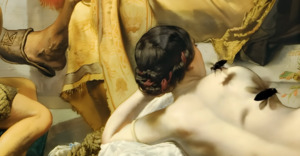
The Arbiter
Anna Manankina
| Titel |
|
| Titel (en) |
|
| Untertitel |
|
| Autor/in | |
| Beschreibung (de) |
|
| Beschreibung (en) |
|
| Kategorie | |
| Typ des Projekts/Werks | |
| Schlagworte | |
| Datierung |
|
| Sprache | |
| Material | |
| Abmessungen |
|
| Dauer |
|
| Internetlinks |
14 Inhalte
- Seite 1 von 2
The Arbiter, video excerpt
Name that can easily go onto 2 lines
Author that can easily go onto 2 lines as well
- Titel
- The Arbiter, video excerpt
- Autor/in
- Titel
- The Arbiter, video excerpt
- Urheberrechtshinweis
- © Anna Manankina
- Rechtsschutz/Lizenz
- Medien-Beschreibung
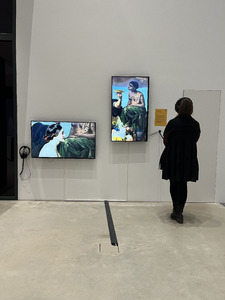
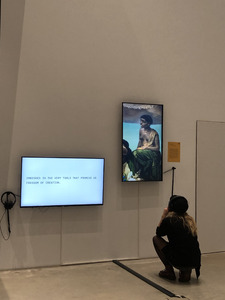
- In this project, I examine how the male gaze is built within AI systems content moderation , where censorship and sexualization coexist. Drawing from Anselm Feuerbach’s 1852 painting Hafis vor der Schenke, depicting the poet Hafez and two silent women, the work poses the question: if freed from spectatorship, what voices might they reveal? This two-channel video installation reimagines the scene through AI video generation and live narration. Referencing Valerie Solanas’s S.C.U.M. Manifesto, it reflects on how Gen-AI, governed by moral bias, mirrors a patriarchal worldview - still defining what is visible and what must remain unseen.
- Projektleiter/in
- Lehrveranstaltung
- Importiert am
- 28.06.2026
- Übergeordnete Sets
- 1
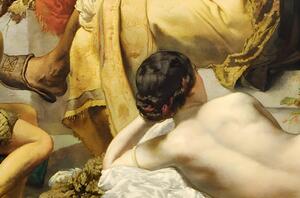
The Arbiter, video excerpt
Name that can easily go onto 2 lines
Author that can easily go onto 2 lines as well
- Titel
- The Arbiter, video excerpt
- Autor/in
- Titel
- The Arbiter, video excerpt
- Urheberrechtshinweis
- © Anna Manankina
- Rechtsschutz/Lizenz
- Medien-Beschreibung (en)
- In this project, I examine how the male gaze is built within AI systems content moderation , where censorship and sexualization coexist. Drawing from Anselm Feuerbach’s 1852 painting Hafis vor der Schenke, depicting the poet Hafez and two silent women, the work poses the question: if freed from spectatorship, what voices might they reveal? This two-channel video installation reimagines the scene through AI video generation and live narration. Referencing Valerie Solanas’s S.C.U.M. Manifesto, it reflects on how Gen-AI, governed by moral bias, mirrors a patriarchal worldview - still defining what is visible and what must remain unseen.
- Projektleiter/in
- Lehrveranstaltung
- Importiert am
- 28.06.2026
- Übergeordnete Sets
- 1
Exhibition "Frameworks of Fiction", Kunsthalle Mannheim
Name that can easily go onto 2 lines
Author that can easily go onto 2 lines as well
- Titel
- Exhibition "Frameworks of Fiction", Kunsthalle Mannheim
- Autor/in
- Titel
- Exhibition "Frameworks of Fiction", Kunsthalle Mannheim
- Urheberrechtshinweis
- © Anna Manankina
- Rechtsschutz/Lizenz
- Projektleiter/in
- Lehrveranstaltung
- Importiert am
- 28.06.2026
- Übergeordnete Sets
- 1
Exhibition "Frameworks of Fiction", Kunsthalle Mannheim
Name that can easily go onto 2 lines
Author that can easily go onto 2 lines as well
- Titel
- Exhibition "Frameworks of Fiction", Kunsthalle Mannheim
- Autor/in
- Titel
- Exhibition "Frameworks of Fiction", Kunsthalle Mannheim
- Urheberrechtshinweis
- © Anna Manankina
- Rechtsschutz/Lizenz
- Projektleiter/in
- Lehrveranstaltung
- Importiert am
- 28.06.2026
- Übergeordnete Sets
- 1
Exhibition "Frameworks of Fiction", Kunsthalle Mannheim
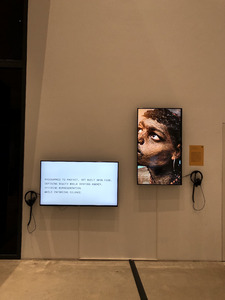
Name that can easily go onto 2 lines
Author that can easily go onto 2 lines as well
- Titel
- Exhibition "Frameworks of Fiction", Kunsthalle Mannheim
- Autor/in
- Titel
- Exhibition "Frameworks of Fiction", Kunsthalle Mannheim
- Urheberrechtshinweis
- © Anna Manankina
- Rechtsschutz/Lizenz
- Projektleiter/in
- Lehrveranstaltung
- Importiert am
- 28.06.2026
- Übergeordnete Sets
- 1
Exhibition "Frameworks of Fiction", Kunsthalle Mannheim
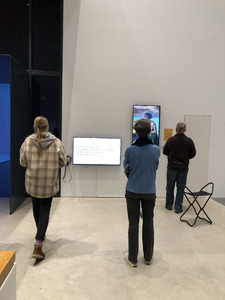
Name that can easily go onto 2 lines
Author that can easily go onto 2 lines as well
- Titel
- Exhibition "Frameworks of Fiction", Kunsthalle Mannheim
- Autor/in
- Titel
- Exhibition "Frameworks of Fiction", Kunsthalle Mannheim
- Urheberrechtshinweis
- © Anna Manankina
- Rechtsschutz/Lizenz
- Projektleiter/in
- Lehrveranstaltung
- Importiert am
- 28.06.2026
- Übergeordnete Sets
- 1
Exhibition "Frameworks of Fiction", Kunsthalle Mannheim
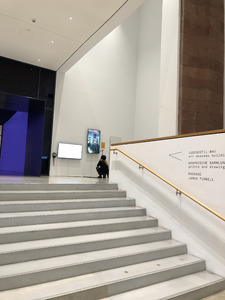
Name that can easily go onto 2 lines
Author that can easily go onto 2 lines as well
- Titel
- Exhibition "Frameworks of Fiction", Kunsthalle Mannheim
- Autor/in
- Titel
- Exhibition "Frameworks of Fiction", Kunsthalle Mannheim
- Urheberrechtshinweis
- © Anna Manankina
- Rechtsschutz/Lizenz
- Projektleiter/in
- Lehrveranstaltung
- Importiert am
- 28.06.2026
- Übergeordnete Sets
- 1
Exhibition "Frameworks of Fiction", Kunsthalle Mannheim
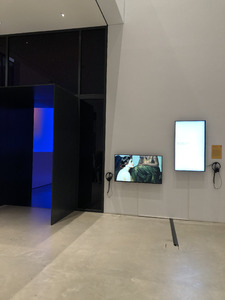
Name that can easily go onto 2 lines
Author that can easily go onto 2 lines as well
- Titel
- Exhibition "Frameworks of Fiction", Kunsthalle Mannheim
- Autor/in
- Titel
- Exhibition "Frameworks of Fiction", Kunsthalle Mannheim
- Urheberrechtshinweis
- © Anna Manankina
- Rechtsschutz/Lizenz
- Projektleiter/in
- Lehrveranstaltung
- Importiert am
- 28.06.2026
- Übergeordnete Sets
- 1
Exhibition "Frameworks of Fiction", Kunsthalle Mannheim
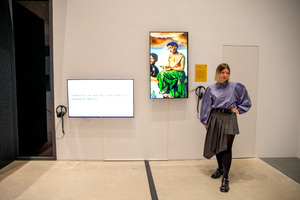
Name that can easily go onto 2 lines
Author that can easily go onto 2 lines as well
- Titel
- Exhibition "Frameworks of Fiction", Kunsthalle Mannheim
- Autor/in
- Titel
- Exhibition "Frameworks of Fiction", Kunsthalle Mannheim
- Urheberrechtshinweis
- © Anna Manankina
- Rechtsschutz/Lizenz
- Medienersteller/in
- Projektleiter/in
- Lehrveranstaltung
- Importiert am
- 27.06.2026
- Übergeordnete Sets
- 1
Exhibition "Frameworks of Fiction", Kunsthalle Mannheim
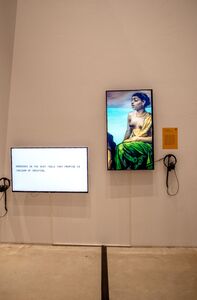
Name that can easily go onto 2 lines
Author that can easily go onto 2 lines as well
- Titel
- Exhibition "Frameworks of Fiction", Kunsthalle Mannheim
- Autor/in
- Titel
- Exhibition "Frameworks of Fiction", Kunsthalle Mannheim
- Urheberrechtshinweis
- © Anna Manankina
- Rechtsschutz/Lizenz
- Abgebildete Personen
- Projektleiter/in
- Lehrveranstaltung
- Importiert am
- 27.06.2026
- Übergeordnete Sets
- 1
Exhibition "Frameworks of Fiction", Kunsthalle Mannheim
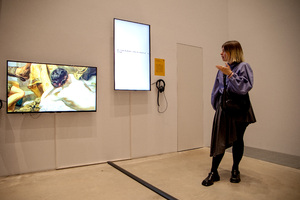
Name that can easily go onto 2 lines
Author that can easily go onto 2 lines as well
- Titel
- Exhibition "Frameworks of Fiction", Kunsthalle Mannheim
- Autor/in
- Titel
- Exhibition "Frameworks of Fiction", Kunsthalle Mannheim
- Urheberrechtshinweis
- © Anna Manankina
- Rechtsschutz/Lizenz
- Medienersteller/in
- Projektleiter/in
- Lehrveranstaltung
- Importiert am
- 26.06.2026
- Übergeordnete Sets
- 1
The Arbiter
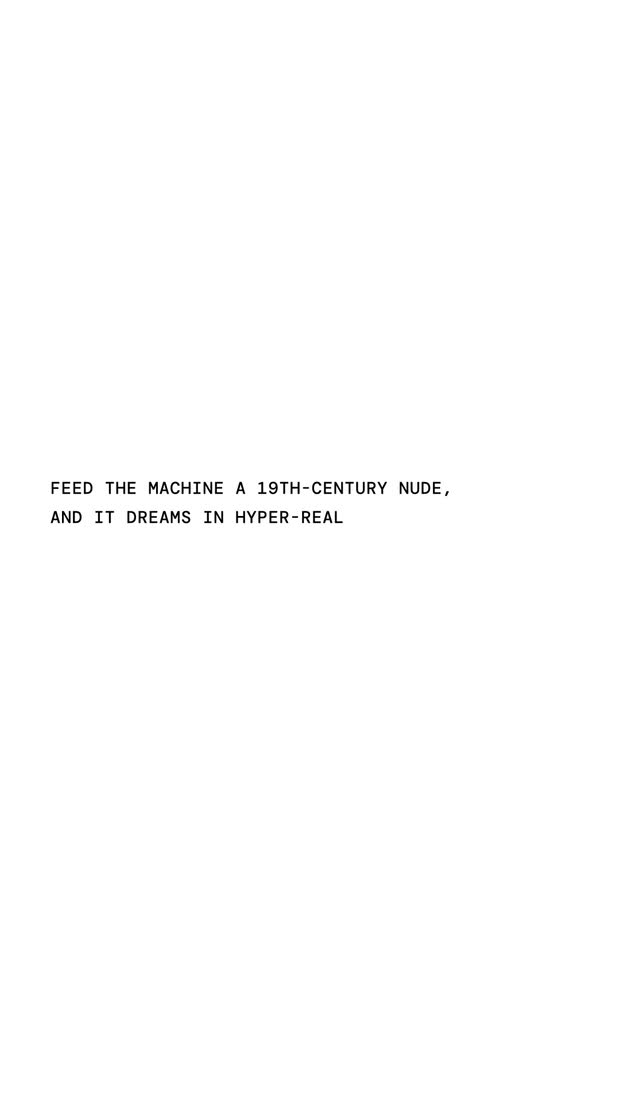
Name that can easily go onto 2 lines
Author that can easily go onto 2 lines as well
- Titel
- The Arbiter
- Untertitel
- Two-channel video installation ( right part, vertical screen)
- Autor/in
- Titel
- The Arbiter
- Untertitel
- Two-channel video installation ( right part, vertical screen)
- Urheberrechtshinweis
- © Anna Manankina
- Rechtsschutz/Lizenz
- Projektleiter/in
- Lehrveranstaltung
- Importiert am
- 26.06.2026
- Übergeordnete Sets
- 1